
BAIC New Energy sold 30,542 vehicles in October, giving the long-struggling company one of its strongest recent performances.
A rare strong month for BAIC New Energy
Arcfox accounted for 23,387 units, passing 20,000 monthly sales for the first time. Stelato, the brand developed with Huawei's Harmony Intelligent Mobility, sold 6,700 vehicles and remained a leader among luxury new-energy sedans above about $42,000.
The result marks a clear change in perception. BAIC New Energy had spent years fighting a reputation for unclear positioning and weak momentum. October's numbers suggest that its two-track strategy is starting to work.
The company now has Arcfox attacking the mainstream market with value-oriented products, while Stelato gives it a high-end route through Huawei's technology ecosystem. That combination has moved BAIC New Energy back into the centre of China's EV competition.
Arcfox finds traction with value
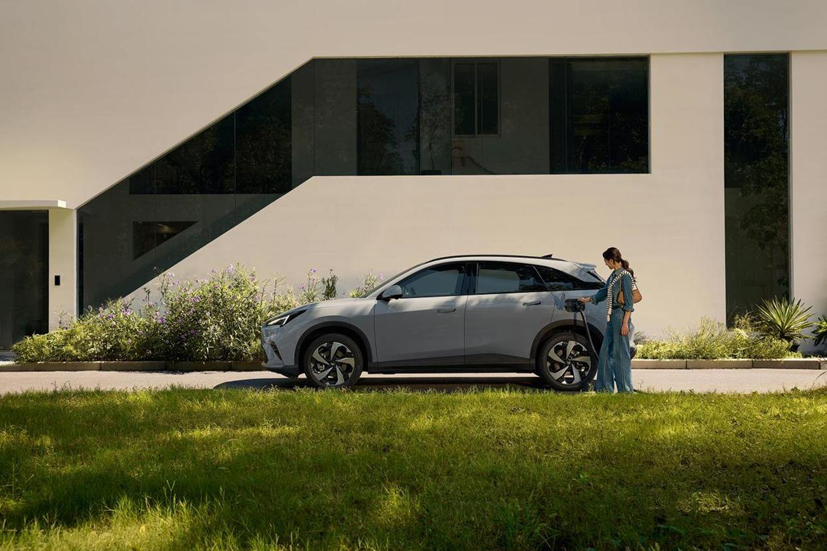
Value-for-money positioning is not new in China's EV market, but Arcfox has used it more effectively than many rivals. Its approach is not simply low price. It tries to offer features that feel above the price band.
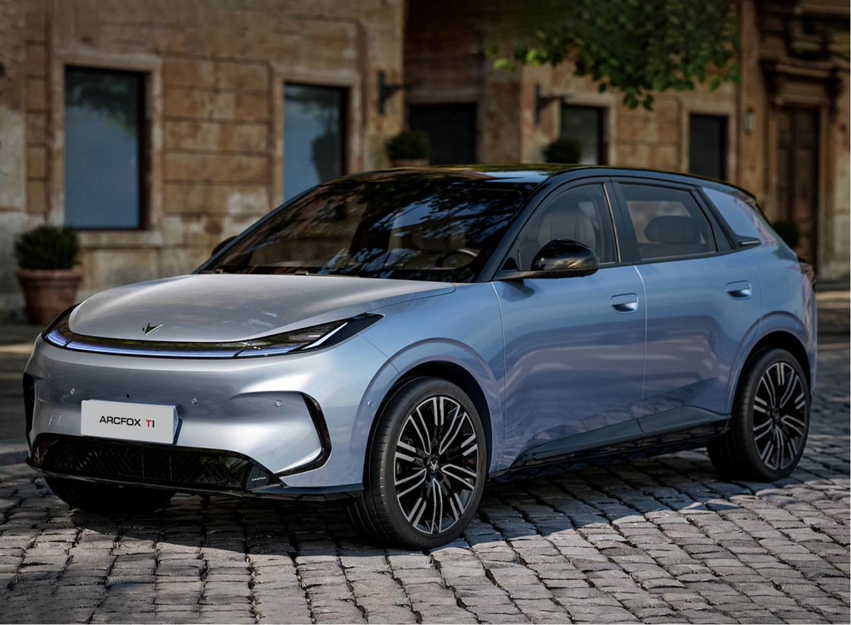
The Arcfox T1 is positioned as an A0-class compact EV, yet its 4,337mm length and 1,860mm width give it cabin space closer to larger vehicles. Its intelligent parking system covers 58 parking scenarios and claims a 98 per cent recognition rate. It also offers a 360-degree camera and 180-degree transparent chassis view, all at a price below about $14,000.
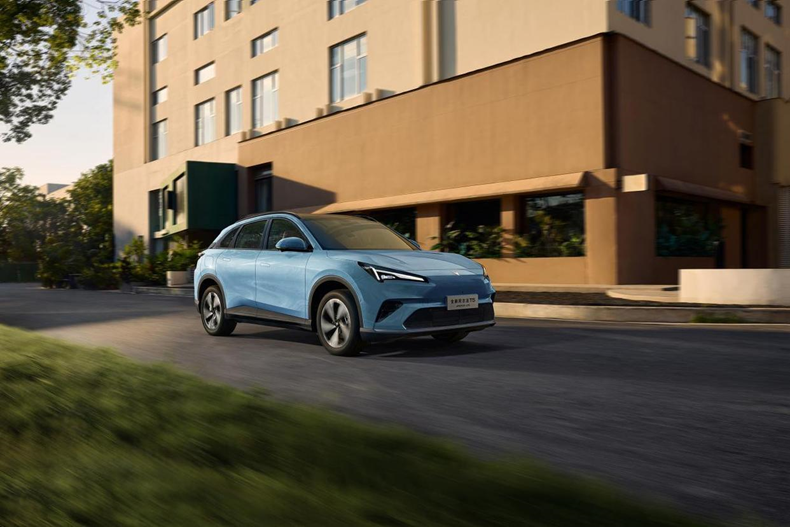
The market response has been strong. The T1 received more than 35,000 firm orders in its first month, according to the article.
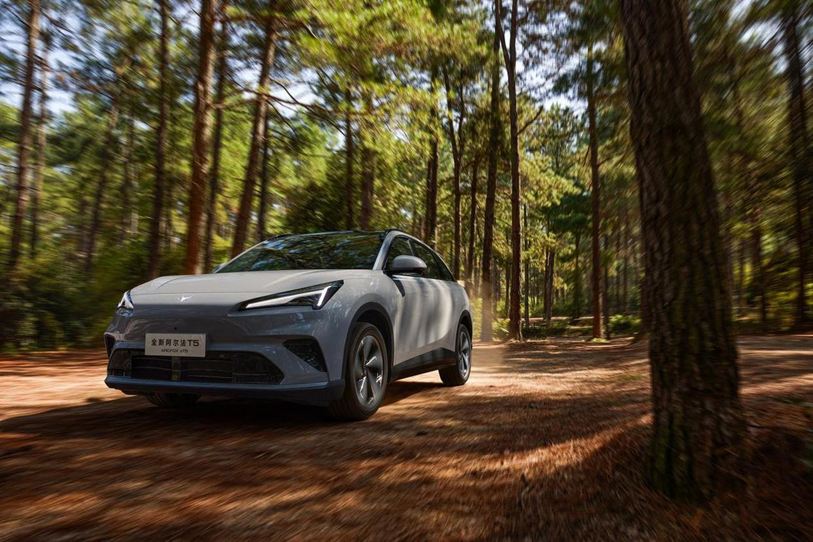
The new Arcfox Alpha T5 follows the same logic. At about $21,000, it offers urban NOA in its segment. The extended-range version has a pure-electric range of 215km and a total range of 1,215km, while the battery-electric version offers up to 705km of CLTC range.
Channel expansion has also helped. By October 2025, Arcfox had 316 stores across 267 cities, with another 143 stores under construction. That gives the brand broader reach into lower-tier markets where practical value and access to sales points matter.
Stelato gives BAIC a high-end seat
BAIC New Energy is not relying on the mainstream market alone. Through its cooperation with Harmony Intelligent Mobility, it is also trying to compete in luxury new-energy vehicles.
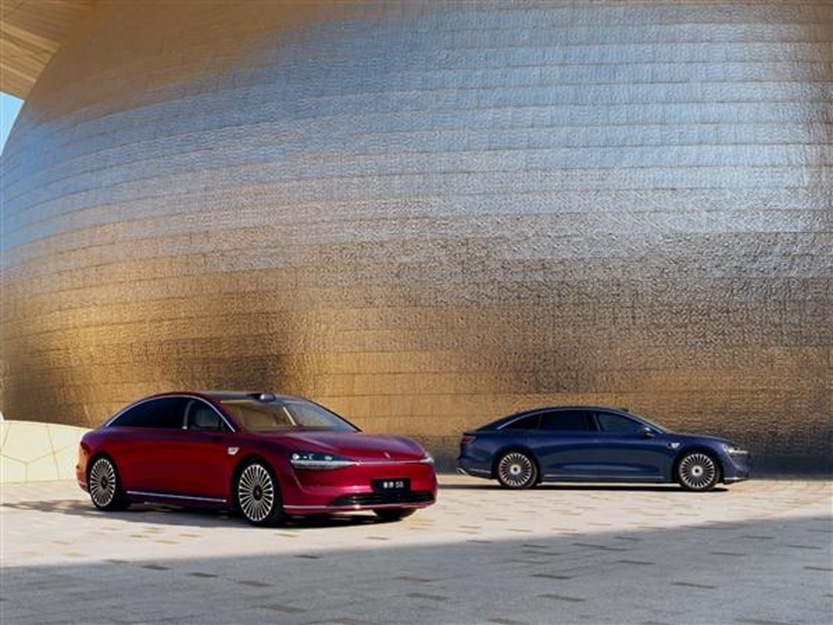
Stelato's S9 and S9T are still new to the luxury segment, but they have clear positioning. The S9 is a large premium sedan with a restrained design and high-end cabin. The S9T is positioned as an intelligent luxury touring sedan, combining sedan handling, SUV-like space, premium equipment and stronger practicality.
The Huawei connection gives both models immediate visibility. Huawei's assisted-driving system and Harmony smart cabin place Stelato inside a recognised technology ecosystem, helping the brand overcome some of the trust barriers that usually affect a newcomer in the luxury market.
October's 6,700-unit figure shows that BAIC now has a position at the high-end table. Its deeper cooperation with Huawei, upgraded in September to a broader "automaker plus Huawei technology ecosystem" model, may help strengthen design, assisted driving, cabin technology, quality and safety.
Management change mattered
The product success is only part of the story. BAIC New Energy's improvement is closely tied to leadership changes at BAIC BluePark. Zhang Guofu became chairman and Liu Guanqiao became general manager at a time when the business was facing unclear product positioning, rigid marketing and weak conversion of technology into marketable products.
Zhang focused on the gap between R&D and market demand, pushing engineering, production and marketing teams to translate user feedback into product priorities. Range anxiety, practical intelligent-driving functions and daily usability became more central to product iteration.
Liu brought marketing discipline. He reworked Arcfox's positioning, channel strategy and public visibility through scenario-based marketing, cross-sector cooperation and wider influencer communication. That helped both Arcfox and Stelato become more recognisable.
The two brands now target different buyer groups. Arcfox focuses on the roughly $21,000 to $35,000 mainstream new-energy market with high value and practical equipment. Stelato, supported by Huawei technology, targets the market above roughly $42,000 with a premium intelligent-EV identity.
Keeping up with the intelligent-EV cycle
BAIC New Energy has also moved more quickly on technology partnerships. As AI became a major industry theme, it integrated models such as DeepSeek and Doubao into services including AI schedule assistance and AI vehicle preparation across 15 common travel scenarios.
It has also worked with Pony.ai on L4 robotaxi models, completing closed-road tests in Shenzhen, Beijing and Shanghai and beginning delivery. These moves show that BAIC is trying to stay relevant not only through sales, but through visible participation in new technology cycles.
The recovery remains early. One strong month does not prove long-term stability, and China's EV market can quickly punish brands that lose product rhythm or channel discipline.
Still, BAIC New Energy now has something it lacked for years: a clearer structure. Arcfox can build volume, Stelato can raise the ceiling, and management has shown greater willingness to match products to real market segments. That gives the company a plausible comeback story, even if the next stage will be harder than the first rebound.