
A public dispute between executives from Lynk & Co and XPeng has reignited a debate across China’s electric vehicle industry: is the next stage of EV competition about charging voltage, or about how automakers define the future of their products?
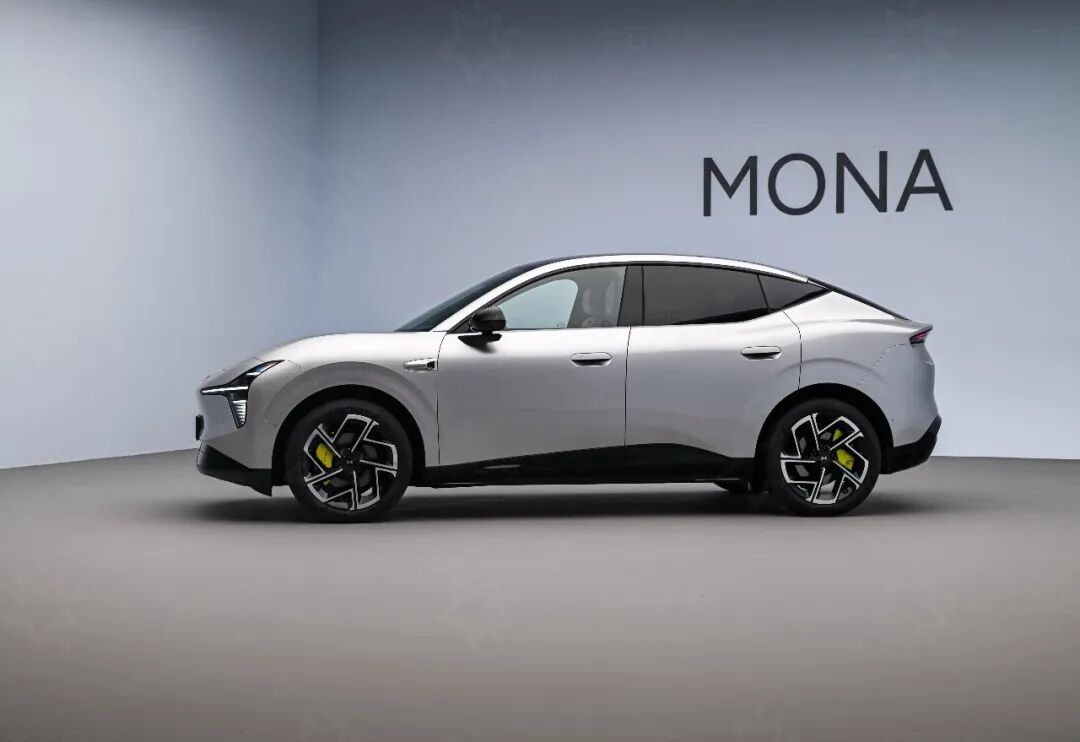
The argument began after XPeng’s powertrain executive Gu Jie explained why the new MONA L03 adopted a 400V architecture rather than an 800V high-voltage platform. Lynk & Co product executive Chen Dingfang responded on social media, arguing that “good enough” 400V solutions could sacrifice long-term product competitiveness.
On the surface, the exchange looked like a technology dispute. In reality, it reflects a much deeper strategic divide between two EV philosophies competing in China’s core $10,000–$20,000 vehicle segment: should automakers prioritize immediate user experience under cost pressure, or invest in architectures designed for the next generation of charging infrastructure?
The 800V Debate Is About More Than Charging Speed
XPeng’s argument is straightforward: for mainstream vehicles, a 400V system combined with a high-rate battery can already deliver competitive charging performance. The MONA L03 reportedly achieves a peak charging power of 229kW, adding around 140km of range in five minutes and charging from 10% to 80% in about 19 minutes.
XPeng’s position is that an expensive 800V upgrade is not always the most efficient way to improve the ownership experience in the mass market. Savings from the electrical architecture can be redirected into areas drivers experience more frequently, including chassis tuning, cabin materials, audio systems and intelligent driving hardware.
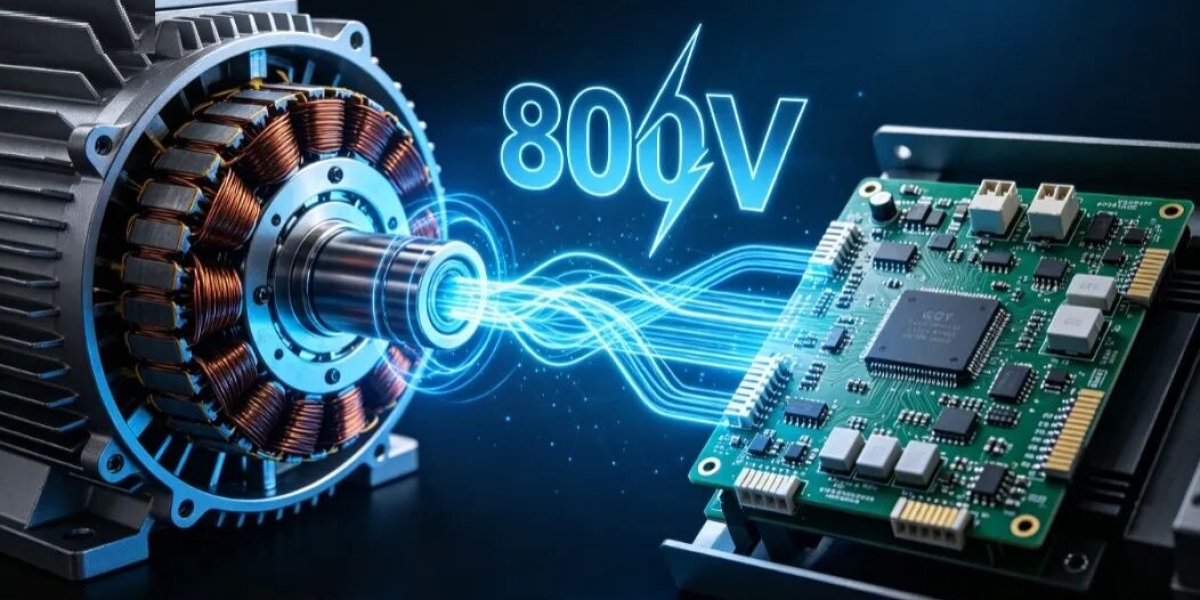
Yet critics argue that 800V should not be viewed as a luxury feature. The technology represents a fundamental change in EV electrical architecture. By operating at significantly higher voltage, vehicles can deliver the same power with lower current, reducing heat losses, cable weight and energy consumption.
An 800V platform also creates the hardware foundation for charging systems exceeding 400kW, potentially reducing charging times toward the 10–15 minute range as high-power charging networks expand.
Lynk & Co Bets on Long-Term Architecture
Lynk & Co’s response focuses on future readiness. The company argues that 800V is similar to infrastructure investment: the benefits may not be fully visible on day one, but the architecture provides advantages throughout the vehicle lifecycle.
The comparison is similar to previous technology transitions in telecommunications. Consumers could still browse the internet on 3G networks, but the industry moved toward 4G and 5G because future applications required greater capability.
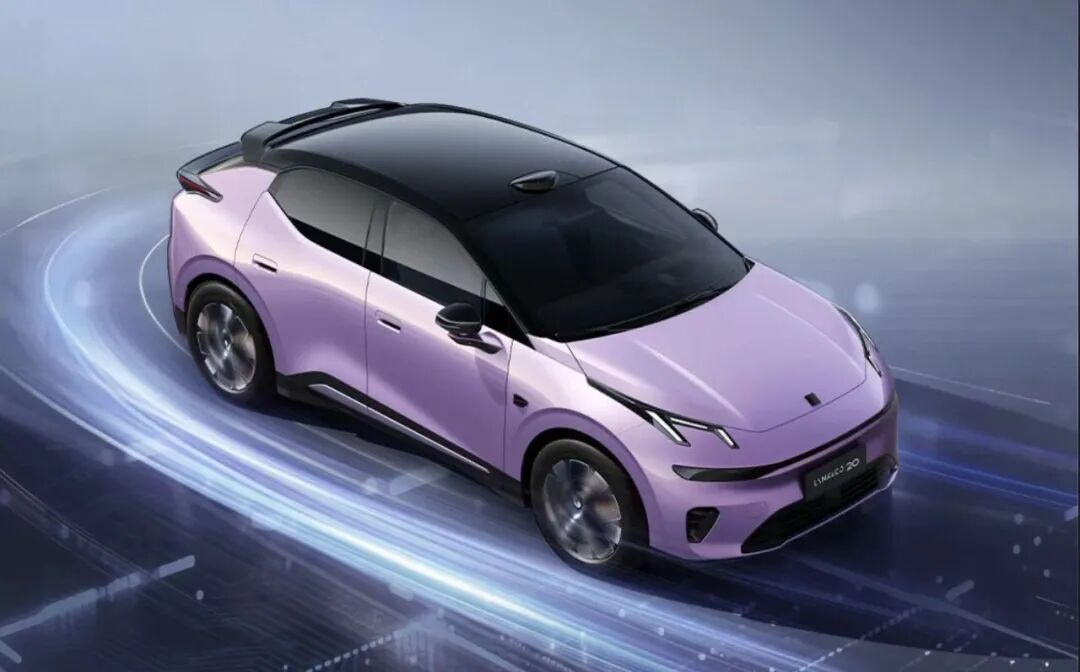
Lynk & Co benefits from Geely’s broader technology ecosystem and manufacturing scale. The Lynk & Co 20 moves from a previous 400V system to an 800V silicon carbide high-voltage platform, paired with a 6C charging capability. Its 70.01kWh battery version delivers a CLTC range of 630km and can reportedly charge from 10% to 80% in just over 10 minutes.
The Cost Argument Reveals Two Different Product Strategies
XPeng argues that implementing 800V technology in lower-priced vehicles requires significant engineering trade-offs. Higher-voltage systems require changes across battery cell configuration, battery management systems and safety architecture, increasing costs.
For a vehicle in the mainstream price segment, automakers must decide where limited resources create the greatest customer value. XPeng chose to allocate investment toward visible daily-use features, including interior quality, premium audio and advanced driving computing power.
But Lynk & Co’s approach suggests that strong industrial scale can reduce the traditional trade-off. If a company has sufficient supply chain advantages, it may be possible to combine advanced electrical architecture with premium cabin features and intelligent driving systems.
The disagreement therefore is not simply about voltage. It is about whether EV platforms should be optimized for today’s customer expectations or tomorrow’s technology environment.
Today’s “Enough” Could Become Tomorrow’s Limitation
One of XPeng’s key arguments is that charging infrastructure remains a limiting factor. Many public chargers cannot yet fully utilize the potential of 800V vehicles.
But infrastructure development is moving quickly. High-voltage platforms that were once limited to premium EVs are now spreading into the mainstream market, with brands including Huawei-backed models, Xiaomi, Li Auto, Leapmotor and Geely expanding 800V offerings across broader price ranges.
The advantage of 800V is not only faster charging today. It is compatibility with future charging networks. As liquid-cooled ultra-fast charging stations become more common, vehicles with older electrical architectures may face a permanent charging speed ceiling.
The Real Competition Is Between Two EV Philosophies
The Lynk & Co and XPeng debate highlights a broader transformation underway in China’s EV market. Automakers are no longer competing only on battery capacity, range or software features. They are competing on the underlying architecture that determines how vehicles evolve over time.
Lynk & Co is betting that a future-proof 800V platform will become a mainstream expectation. XPeng is betting that intelligent allocation of costs can create a better overall ownership experience today.
The technology choice may differ, but the direction of the industry is becoming clearer: high-voltage EV platforms are likely to become a central foundation of the next generation of electric vehicles.