
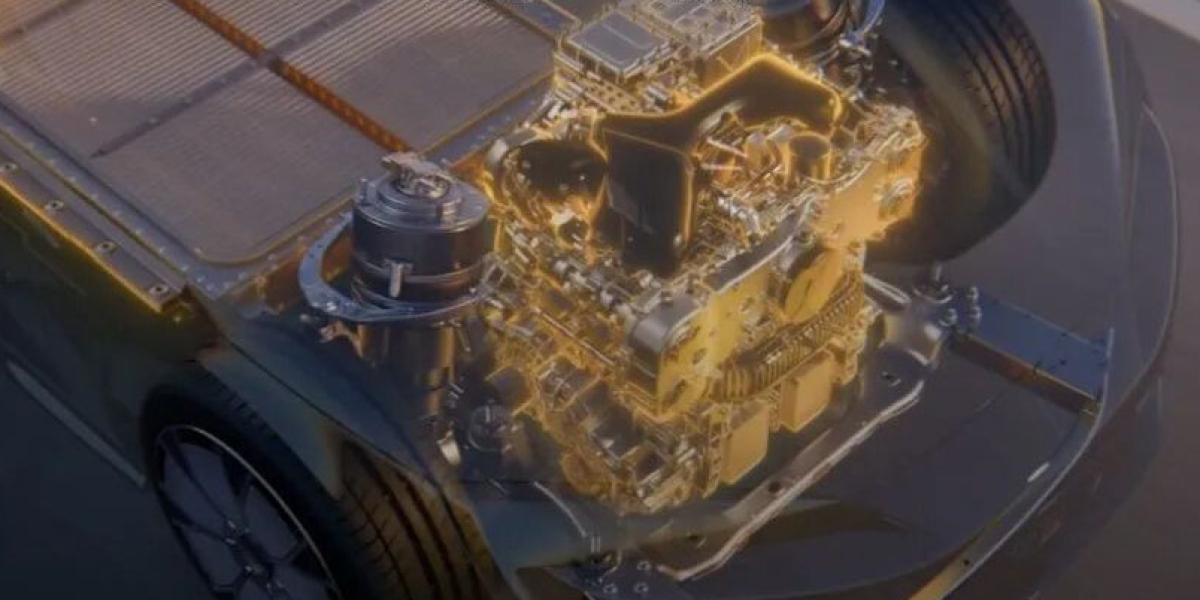
BYD's release of what it describes as China's first mass-produced 2.0-litre turbocharged horizontally opposed engine has attracted attention because it seems, at first glance, to run against the direction of the industry.
A combustion breakthrough in an electric era
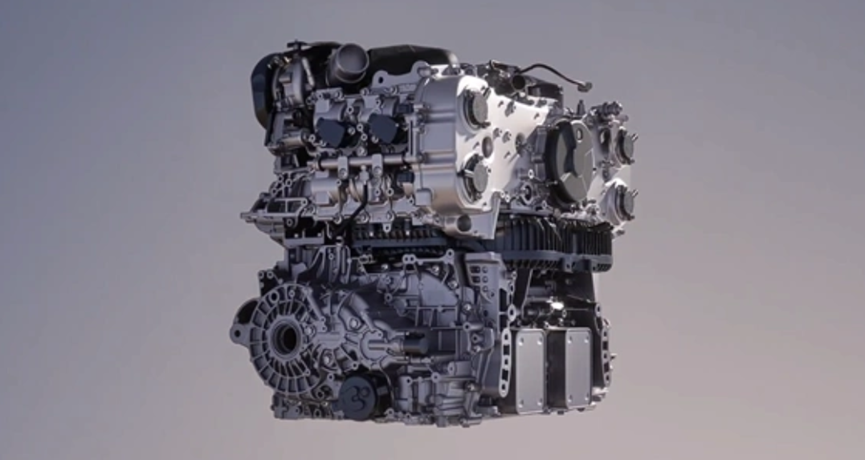
The technology has long been associated with Porsche and Subaru. Its advantages are clear: a lower centre of gravity, smoother layout and strong performance credentials. Its engineering difficulties are just as real, including lubrication, thermal deformation and high manufacturing cost.
BYD's move does not mean the company is retreating from electrification. It suggests a more nuanced view of the next phase: even in a new-energy market, combustion engines can still play a role if they are redesigned around electric architectures rather than treated as the centre of the powertrain.
Why the layout matters
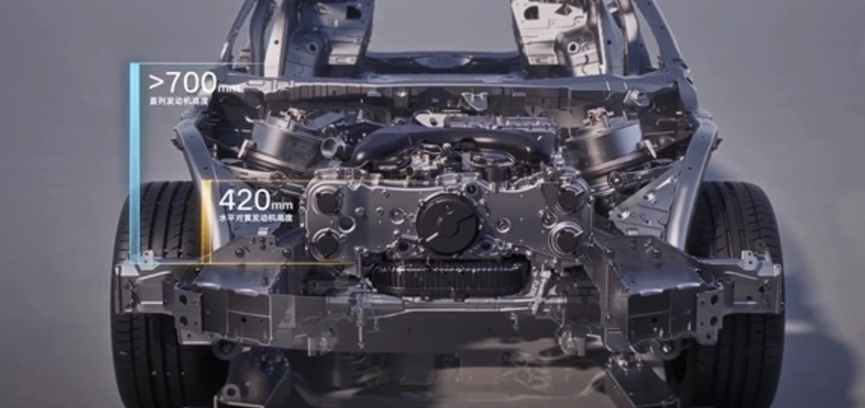
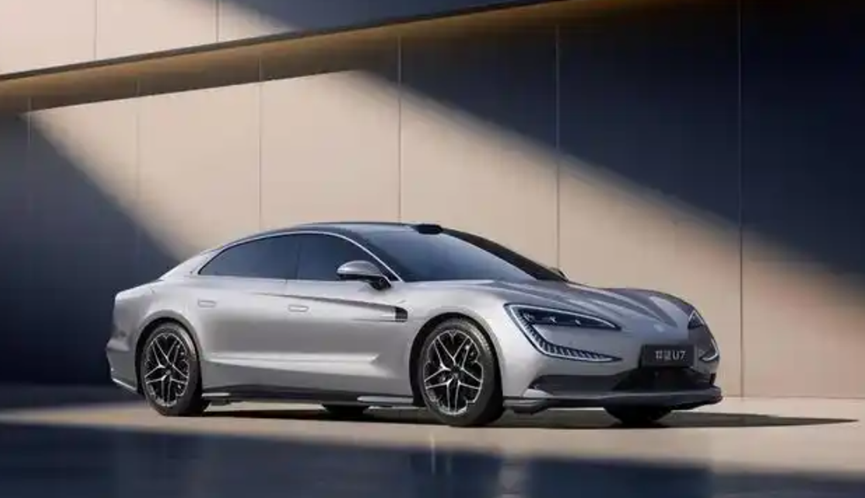
The key advantage of BYD's engine is packaging. A conventional inline four-cylinder engine is about 500mm tall, while BYD's horizontally opposed unit is about 420mm. With a dry-sump design, the total powertrain height can be kept to around 733mm, allowing it to fit into the tight front compartment of the Yangwang U7.
That is not merely a dimensional improvement. It creates space for front and rear electric motors and supports a performance-oriented layout closer to a supercar architecture. The lower engine profile also helps reduce the vehicle's centre of gravity, which the article says is 12 per cent lower than that of a traditional hybrid model.
BYD's broader logic is that the electric drive should define the architecture, while the engine fills specific gaps. In high-speed conditions, the flat engine can provide direct drive and preserve some combustion-car driving character. At lower speeds, it can act more like an efficient range-extending unit.
That makes the engine a tool inside an electrified system, not a return to the old hierarchy of engine first and motor second.
Solving the old flat-engine problems
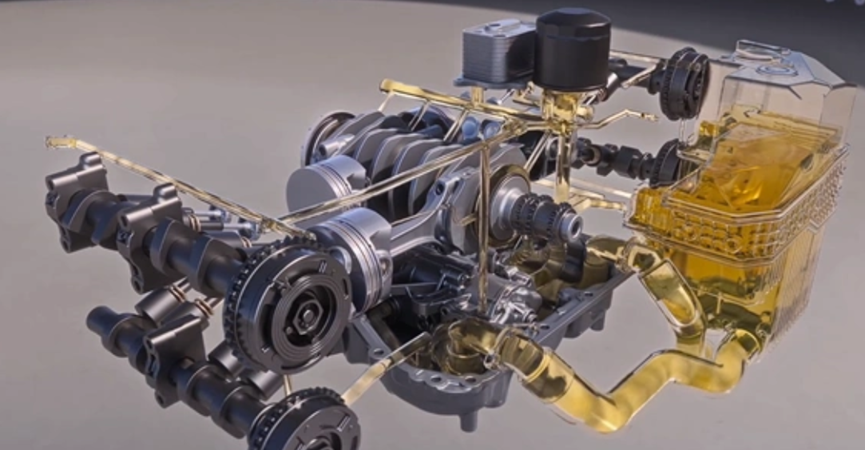
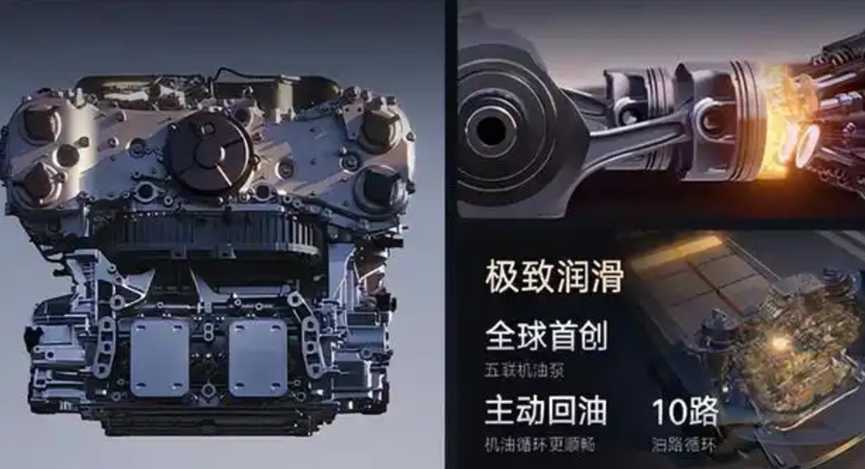
Horizontally opposed engines are difficult to produce at scale because their structure creates lubrication and heat-management challenges. BYD has tried to address those weaknesses through several technical changes.
The company uses a five-link oil-pump system that creates 10 independent oil-circulation channels. According to the article, the time needed for oil to reach the piston crown during a minus 40C cold start is reduced from 2.3 seconds to 0.8 seconds.
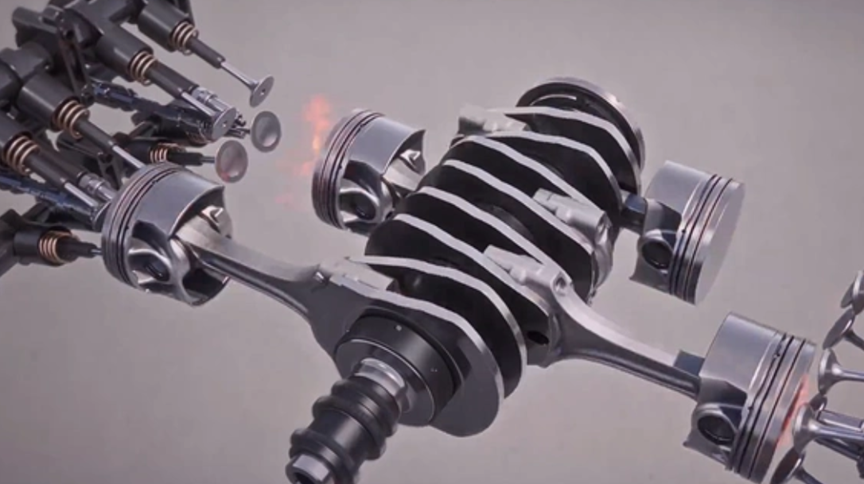
BYD also uses a gradient ceramic coating to control the temperature difference between the upper and lower parts of the cylinder block within 25C. The aim is to reduce thermal deformation and the risk of cylinder scoring, two of the problems that have historically made this engine type hard to industrialise.
The engine has also received recognition in China's "Heart of China" annual engine awards. More important than the award is the signal that a company known globally for batteries and EV scale is still investing in hard mechanical engineering.
A supply-chain story as much as a BYD story
The significance of the engine extends beyond BYD. Horizontally opposed engines depend on difficult components and precision manufacturing. For years, key capabilities in casting, sealing and oil-pump systems were concentrated among suppliers in Europe and Japan.
BYD's project appears to have drawn in a wider domestic supply chain. Ningbo Huaxiang developed an integrated aluminium-alloy cylinder block suited to the special engine structure, cutting weight by about 30 per cent compared with a traditional cast-iron block and reaching micron-level precision. Zhongding developed fluororubber high-pressure seals with a working range from minus 40C to 180C.
The localised oil-pump system is another example of a component breakthrough that matters outside one engine programme. These technologies can move sideways into other areas, from battery housings to hydrogen fuel-cell sealing systems.
For China's auto industry, that is the larger point. The country has already built scale in EVs. Projects like this suggest its supplier base is also moving into more complex, high-value engineering areas that were once dominated by established foreign companies.
Why BYD still wants an engine
BYD stopped producing pure combustion cars because it believed the long-term market would shift toward electrification. That view has not changed. The flat-four engine is better understood as a strategic response to a more segmented market.
Some buyers still want driving feel, long-distance flexibility and all-scenario usability. High-end plug-in hybrid and extended-range vehicles can serve those customers while keeping electrification at the core. A single technical path is unlikely to satisfy every market, especially outside the biggest Chinese cities.
The technology could also be used beyond premium passenger cars, including specialised vehicles and other use cases where electric-only operation may not be the most practical answer. BYD is keeping more than one route open while still building around electric power.
A broader message for the industry
BYD's flat engine is not simply a display of mechanical bravado. It is a sign that China's most successful EV maker is thinking about powertrain architecture in a broader way.
The industry lesson is that electrification does not eliminate the need for engineering depth in other fields. Batteries, motors, combustion engines, control software and supply chains increasingly work as parts of the same system.
For global competitors, the development is a reminder that Chinese automakers are no longer competing only through scale or lower cost. They are increasingly willing to tackle difficult engineering problems and to use domestic supply chains to support higher-end, more international ambitions.