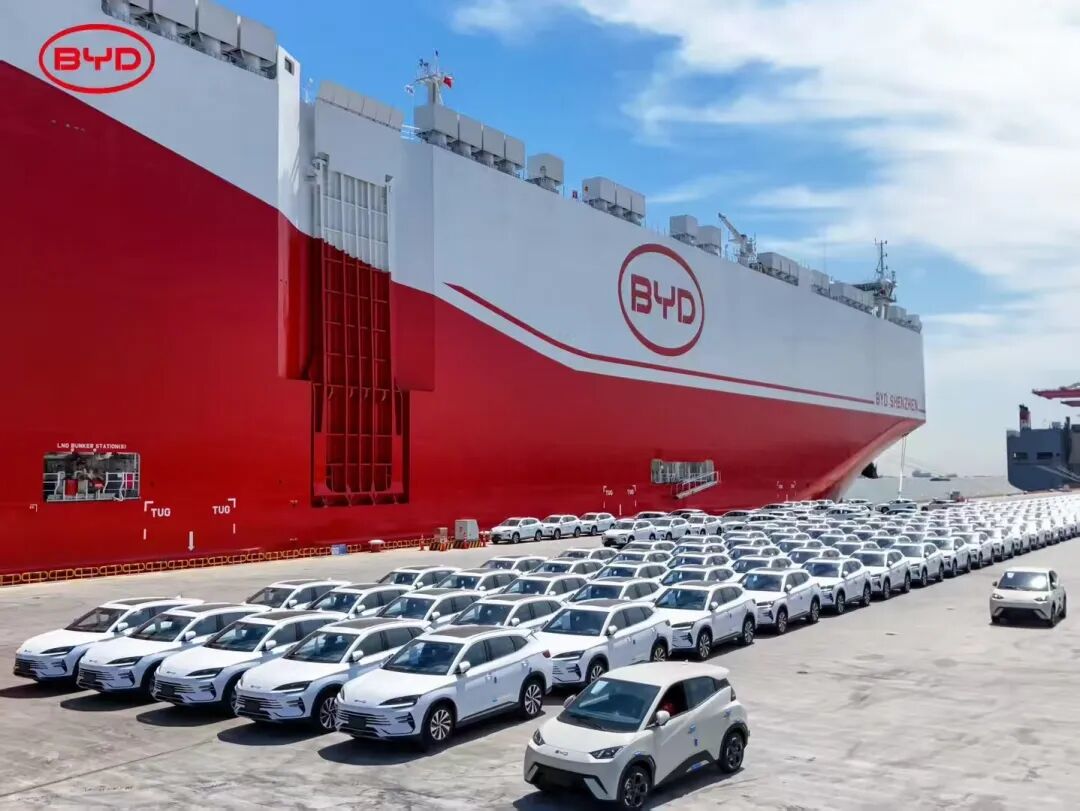
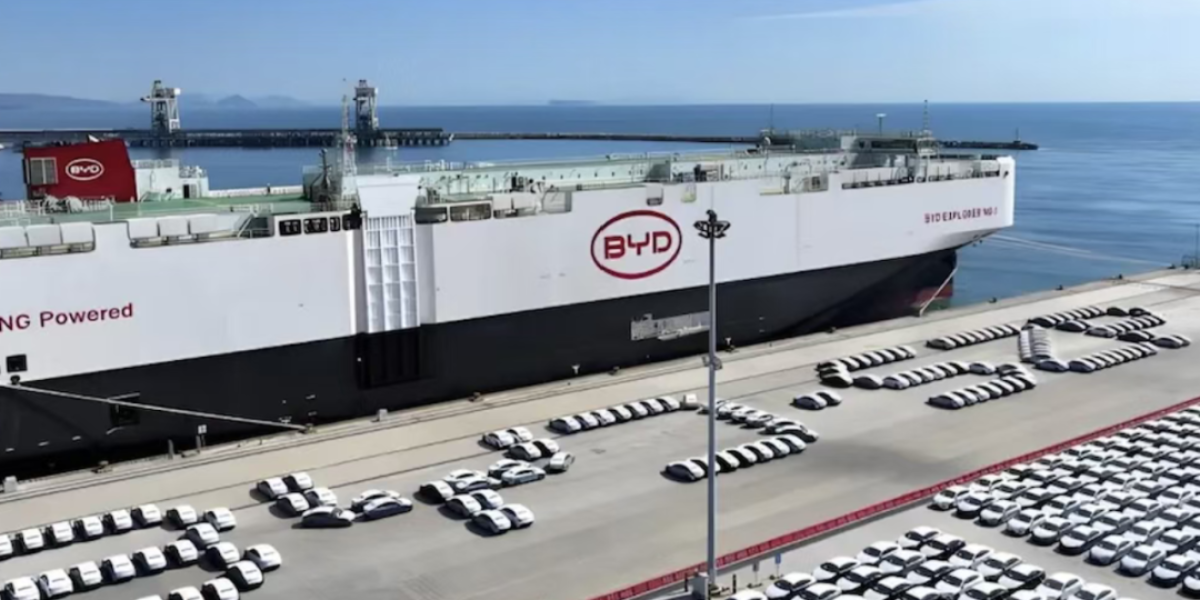
BYD's overseas expansion is now playing out on two very different fronts.
A two-front globalisation campaign
In Europe, the Chinese carmaker is using price, battery technology and local distribution to win buyers in some of the world's toughest automotive markets. In the United States, its American affiliates are challenging tariffs through the courts.
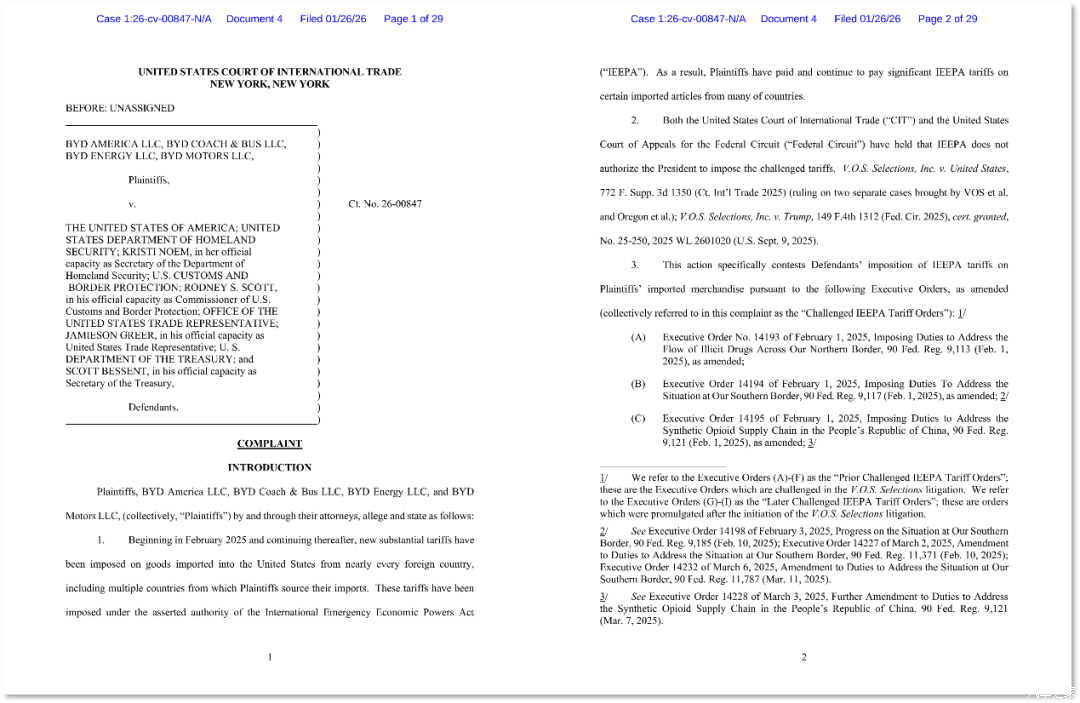
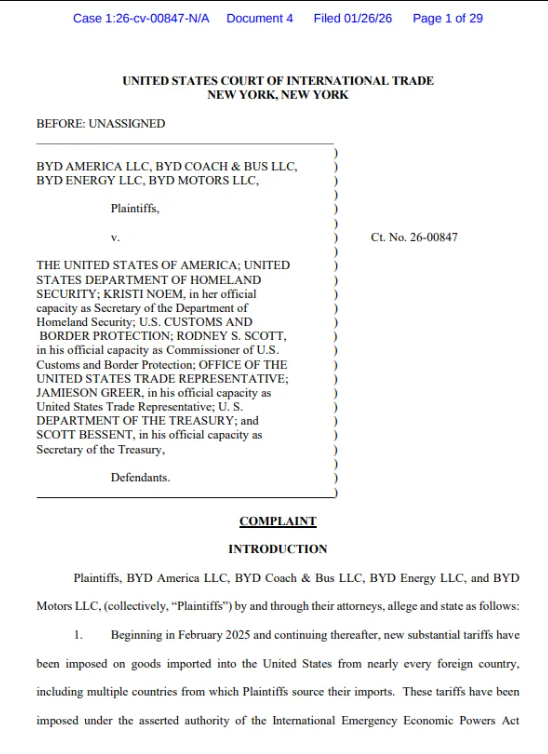
According to media reports cited in the article, four BYD-linked US entities filed a lawsuit with the US Court of International Trade on January 26, 2026, challenging a series of tariff executive orders introduced in 2025. The case has drawn attention because it sits at the intersection of electric-vehicle competition, presidential trade powers and the future of global auto rules.
The legal action comes as BYD's overseas sales continue to rise. The company exported more than 120,000 vehicles to Mexico in 2025, while in Germany it outsold Tesla in January 2026 by more than two to one, according to registration data cited in the article. The contrast is sharp: market gains in Europe, legal resistance in America.
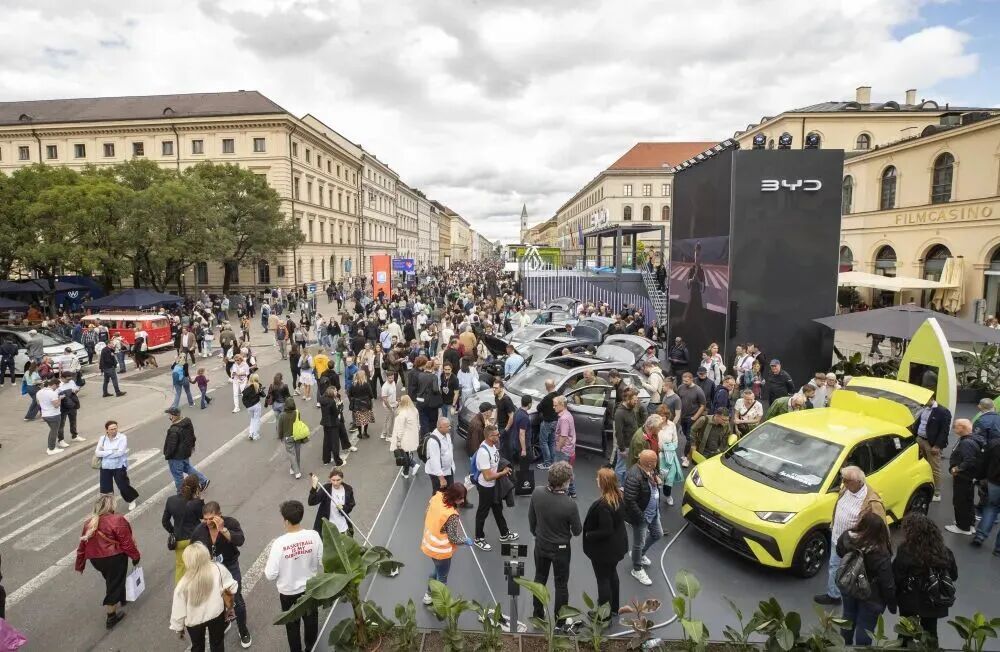
Germany shows BYD's European formula
Germany is an especially symbolic market. It is Tesla's main European manufacturing base, home to the Berlin Gigafactory, and one of the world's most demanding car markets. BYD entered Germany only a few years ago, yet its January 2026 sales figures suggest the company is beginning to find traction.
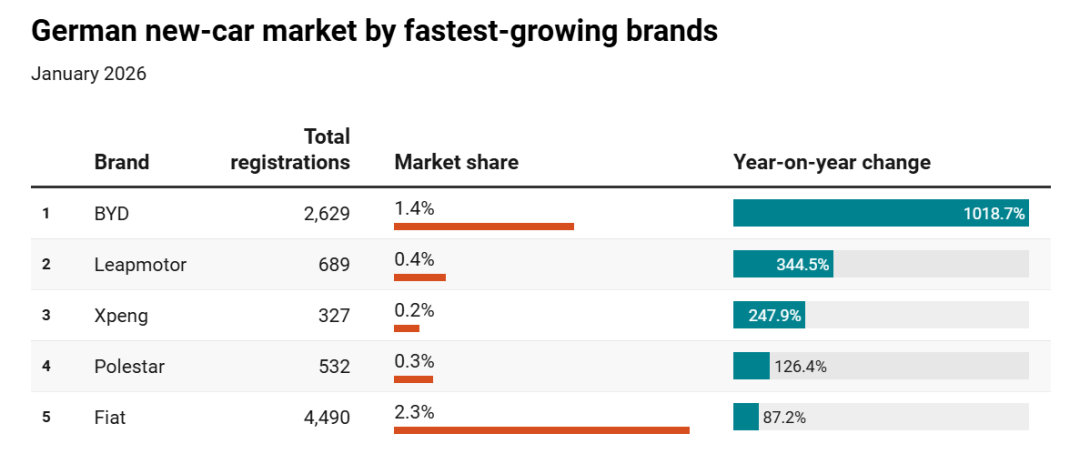
Data from Germany's Federal Motor Transport Authority cited by the article showed BYD selling 2,629 new vehicles in Germany in January 2026, up from 235 a year earlier. Tesla registered 1,277 new vehicles in the same month. For BYD, the result was a strong signal that its European presence is becoming more than an export experiment.
The company's appeal rests on a familiar combination: safety, value and credible electric technology. BYD's Blade Battery has become central to its pitch, with the company emphasising lower thermal-runaway risk. Its sixth-generation eDrive system integrates the motor, controller and reducer, aiming to reduce weight, save space and improve energy efficiency.
Pricing strengthens the argument. The article says BYD models in Germany can be about 15 per cent cheaper than comparable Tesla vehicles. Tesla's Model Y standard version was promoted at about 39,990 euros, while the BYD Tang EV was offered from 35,000 euros and the Seal U battery-electric version from 32,600 euros after subsidies. For buyers weighing technology against household budgets, that gap matters.
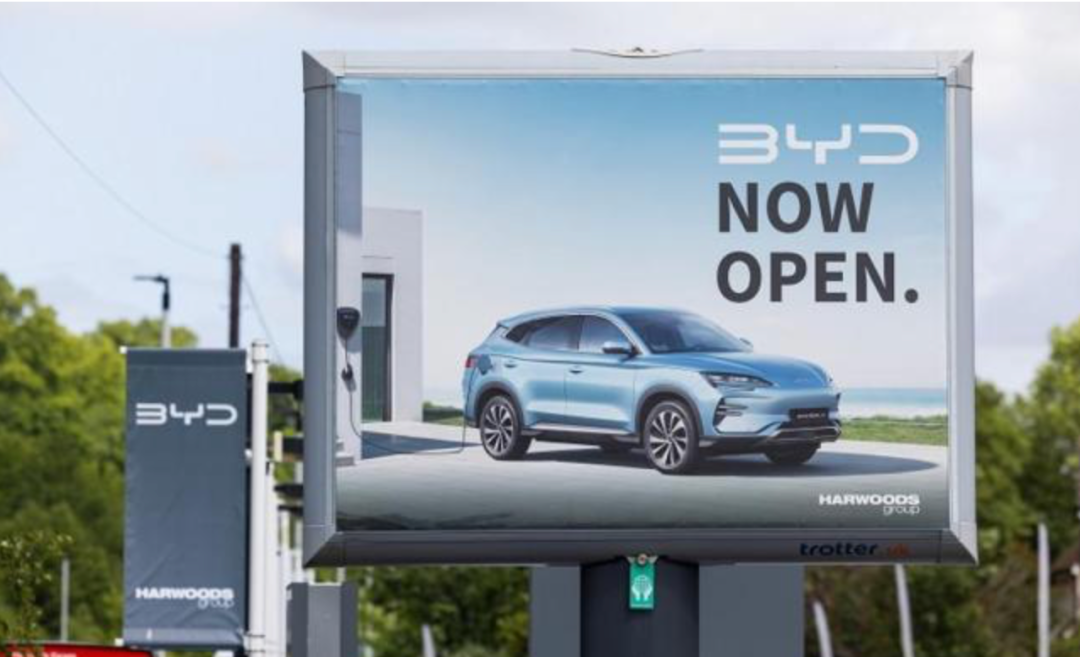
BYD has also avoided treating Europe as a simple destination for Chinese-market cars. The company has built out sales and service channels and worked to adapt products and retail operations locally. That local presence is becoming a soft-power advantage alongside its battery and cost strengths.
A US lawsuit tests the rules
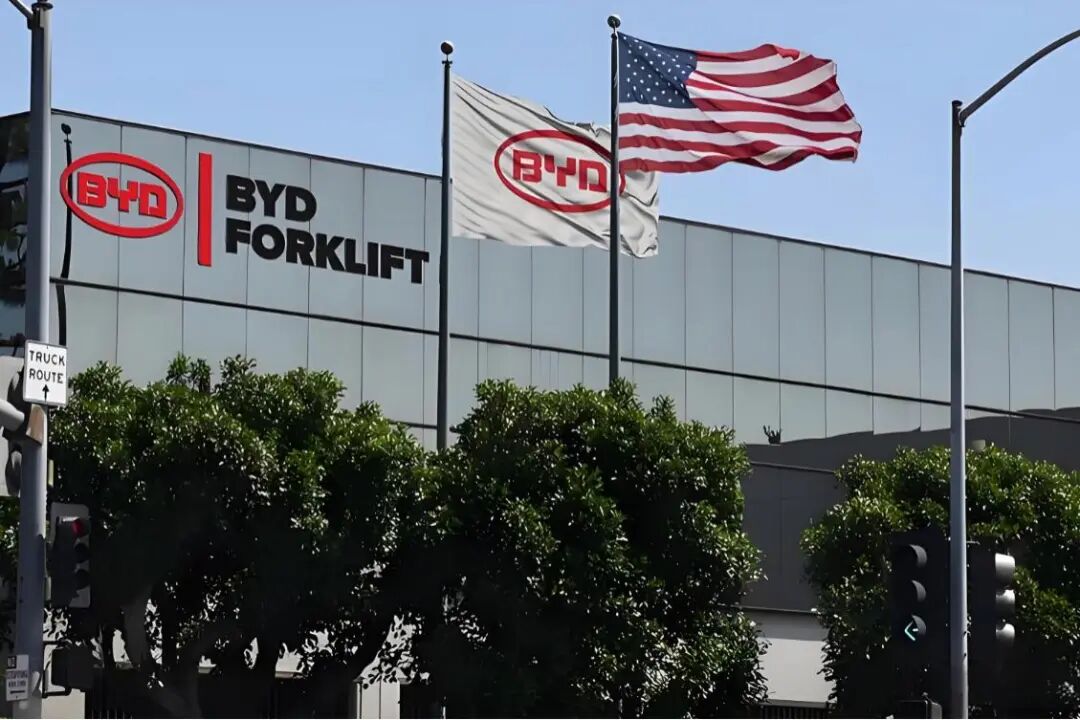
The United States remains far more difficult for BYD's passenger-car ambitions. The company has a bus plant in Lancaster, California, producing electric buses and trucks and supporting local jobs, but parts of its supply chain still depend on imported components. Tariffs have raised costs and made a broader passenger-car push harder.
According to the article, the 2025 tariff measures relied on the International Emergency Economic Powers Act and Section 232 of the Trade Expansion Act, with executive orders adding duties on Chinese new-energy vehicles and related parts. BYD's US affiliates are asking the court to rule that IEEPA tariffs were imposed beyond the government's authority, and to require refunds with statutory interest.
The argument, as described in the article, is that IEEPA is primarily an emergency powers law for financial sanctions and trade restrictions rather than a tariff statute. BYD's complaint reportedly says the law does not explicitly authorise the government to impose import duties, making the measures vulnerable to legal challenge.
The case is not being fought in isolation. The article says more than 1,000 companies have filed similar claims since the tariff measures were introduced. It also cites earlier court rulings finding limits on the president's ability to impose tariffs under IEEPA, giving claimants a legal foundation even if the process remains lengthy.
A victory would not instantly open the US market to BYD. Washington could delay refunds, revise trade tools or use other measures. Even so, the case matters because it shows Chinese automakers moving from compliance with foreign rules to active legal engagement with them.
Attack in showrooms, defence in court
BYD's globalisation strategy now combines commercial offence and legal defence. In Europe, it is trying to prove that a Chinese electric-vehicle company can win on product, safety and price. In the United States, it is trying to reduce the cost of trade barriers and challenge the legal basis of measures that limit its access.
BYD brand and public relations chief Li Yunfei has said the company aims to sell 1.3 million vehicles outside China in 2026, according to the article. That target would require not only strong products and deeper localisation, but also a more sophisticated approach to regulation, litigation and public trust.
The broader context is China's fast-rising vehicle export sector. The article says China exported more than 7 million vehicles in 2025, remaining the world's largest auto exporter for a third consecutive year. New-energy vehicles were a central driver, with exports reaching 2.615 million units and doubling from a year earlier, according to figures cited from the China Association of Automobile Manufacturers.
BYD's path is useful for other Chinese carmakers, but it is not a simple template. Trade barriers, brand recognition, local service quality and political risk will vary from market to market. The companies that succeed overseas will be those able to sell competitive vehicles while learning to operate inside unfamiliar legal, cultural and regulatory systems.