
“The automotive industry is a marathon, and it is a marathon with no finish line.” Tan Benhong, deputy party secretary and director of Changan Automobile Group, said at a mid-year communication meeting.
“If we refuse to change and simply hold on to the old ways, we will not be able to move forward.”
As China’s auto market sinks deeper into a price-driven race for volume, more automakers are recognising that chasing sales alone is unlikely to create sustainable growth. Against this backdrop, Changan has begun restructuring its product portfolio, deliberately cutting back on weaker offerings. The company has reduced low-priced versions of the Lumin mini EV, moving away from a volume-first strategy, while also reviewing its traditional internal combustion engine lineup and gradually reducing models with weak profitability.
The decision came with a visible cost. Changan executives said the adjustment of the Lumin lineup alone created a sales gap of around 70,000 units in the first half of the year. Overall, Changan delivered 1.1189 million vehicles in the first six months of 2026, down by nearly 240,000 units from a year earlier.
China’s automotive manufacturing profit margin fell to 3.4% from January to May 2026, marking the arrival of a low-margin era. The sales sacrificed through product rationalisation are the price Changan is paying for a broader transformation. The question now is whether this “strategic subtraction” can create a stronger business model.
From Model Proliferation to Profitable Growth
Changan’s product “diet” was not a short-term decision. In April, the company unveiled its “1445” global strategy, with one of the most significant targets being a reduction of its product portfolio from 63 models to 36 over the next five years — a 43% cut.
The company also plans to focus resources on building one global model capable of annual sales of 500,000 units and five models reaching 300,000 annual sales. The strategy marks a departure from the traditional Chinese automaker approach of launching numerous models to capture every possible segment.
The Lumin is a symbolic example of this shift. The small electric vehicle sold around 200,000 units last year, but versions priced below $7,000 offered limited profit potential.

Tan Benhong said Changan had actively adjusted the Lumin lineup because “a product can achieve scale, but scale without profitability is no longer the goal.”
The broader market trend also explains the decision. China’s mini EV segment has been shrinking rapidly. Wholesale sales of mini electric vehicles fell 50% year on year in June, while A00-class mini cars sold only 192,000 units in the first five months, down 64% year on year.
Changan’s restructuring also extends beyond products. The company has introduced an internal investment accountability mechanism, requiring teams involved in projects that fail to generate profits to share the financial consequences even if sales targets are achieved. “Balancing volume and profit is the key point,” Tan said.
What Did Changan Gain by Giving Up 70,000 Sales?
Giving up 70,000 vehicles is not an easy choice for any automaker. Changan has already absorbed the short-term impact, with first-half revenue declining by approximately $2.0 billion compared with the previous year.
Based on its first-half net profit forecast and total deliveries, Changan’s net profit per vehicle was only around $10, highlighting the pressure facing traditional automakers as price competition erodes margins.
The company is betting that stronger products can replace low-profit volume. The key candidate is the Changan NEVO Q05, a compact SUV that recorded sales of 23,523 units in June and exceeded 76,000 units in first-half deliveries.
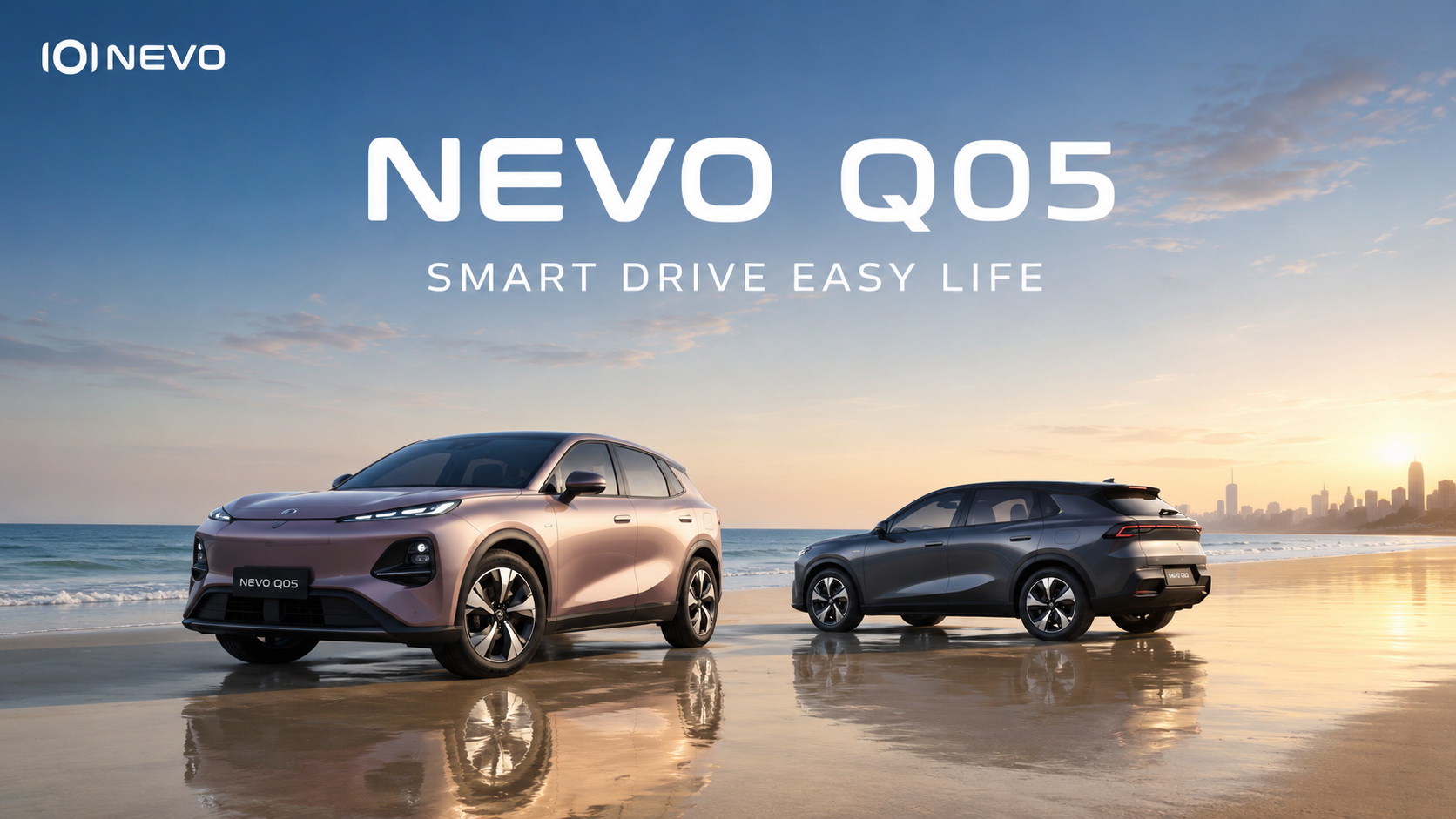
Changan executives said the Q05 is expected to gradually replace the sales contribution previously provided by the Lumin, marking an early transition toward higher-value products.
International markets are another important growth engine. Changan sold 454,700 vehicles overseas in the first half of 2026, up 51.87% year on year, with exports accounting for around one-third of total deliveries.
The company sees global expansion as a core growth driver for the next three to five years. Under the 1445 strategy, overseas sales are expected to represent 35% to 40% of total sales by 2030.
Yet challenges remain. Premium EV brand Avatr delivered only 27,619 vehicles in the first half, down more than 50%. Changan’s new energy vehicle penetration rate was around 38.1%, below the industry average. The company’s full-year new energy target remains difficult to achieve.
China’s Auto Industry Is Moving Beyond Scale Obsession
Changan’s move reflects a wider transformation across China’s automotive sector.
From January to May 2026, China’s auto manufacturing profit margin was only 3.4%, below the 6.1% average for industrial companies. Vehicle manufacturing margins fell even further to around 1.5%, meaning a $14,000 vehicle could generate only about $200 in manufacturing profit.
Five years ago, automakers could still rely on scale to spread costs and improve profitability. Today, relentless price wars have pushed margins sharply lower, forcing companies to rethink the old formula of “more sales first, profits later.”

Changan’s decision to reduce low-margin models is less about retreat and more about recognising that the previous growth model is becoming unsustainable.
The company’s transformation also aligns with Beijing’s broader effort to reduce excessive competition and encourage healthier industrial development. But whether Changan can successfully turn a leaner product lineup into stronger profits remains uncertain.
The company must strengthen its mainstream brands, accelerate Avatr’s premium positioning and improve overseas profitability. The strategic reset has begun, but the final outcome will depend on execution.
One thing is clear: in an industry where margins have fallen below 4%, few automakers can survive by relying on thin profits and massive volume alone. Changan has traded 70,000 sales for a chance to rebuild its business model. Whether that trade proves worthwhile will be determined over the years ahead.