
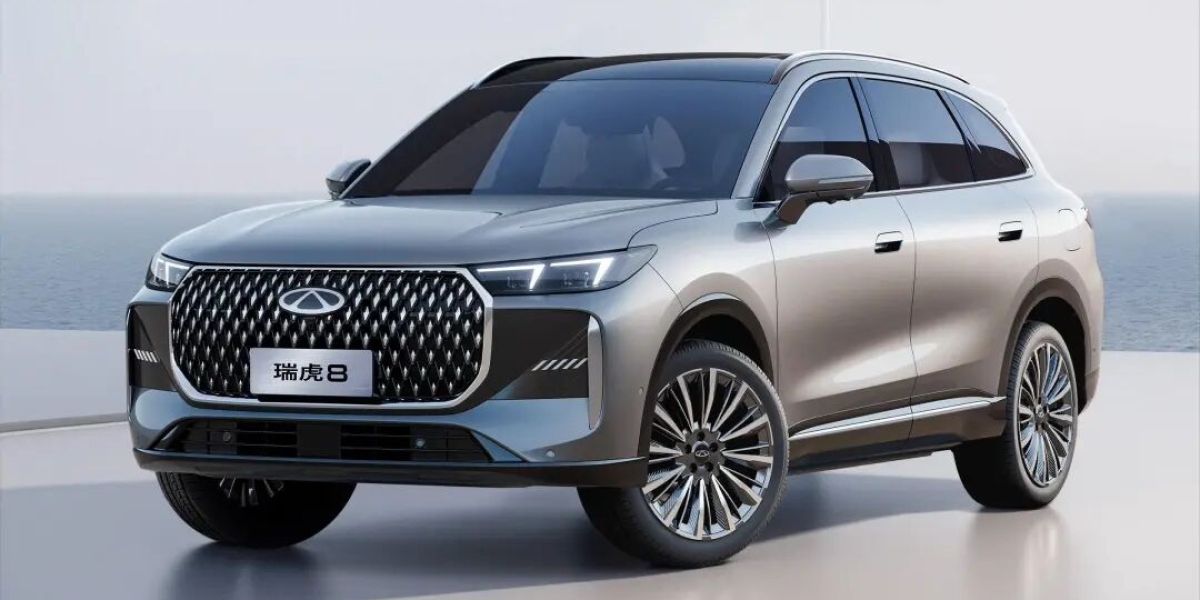
The 2026 Chery Tiggo 8 arrives without the theatrical language common in China's EV market.
A fuel-car launch with a strategic message
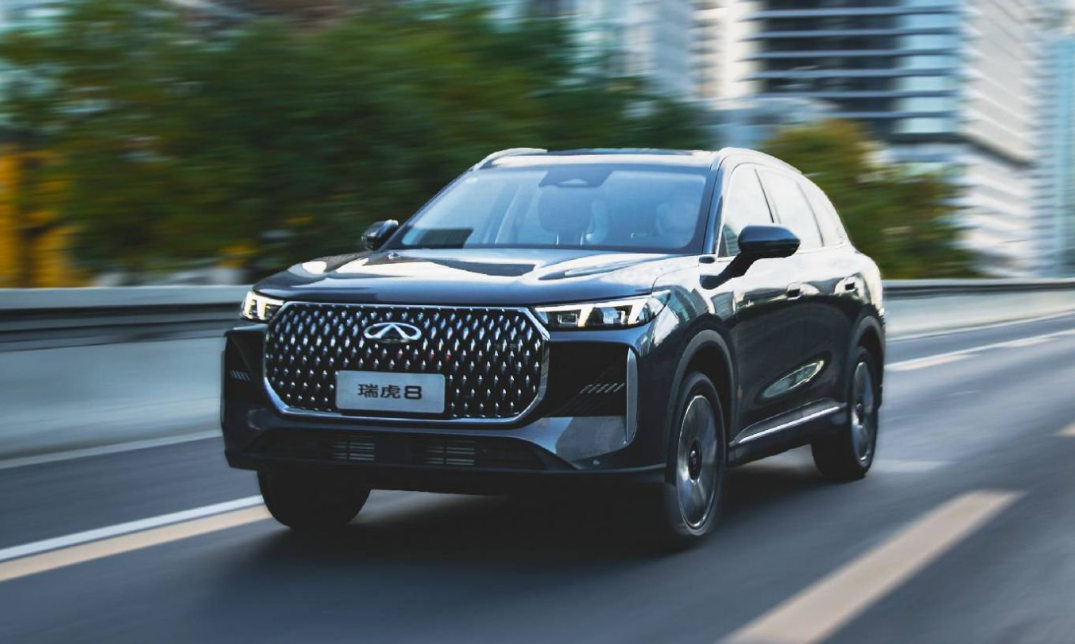
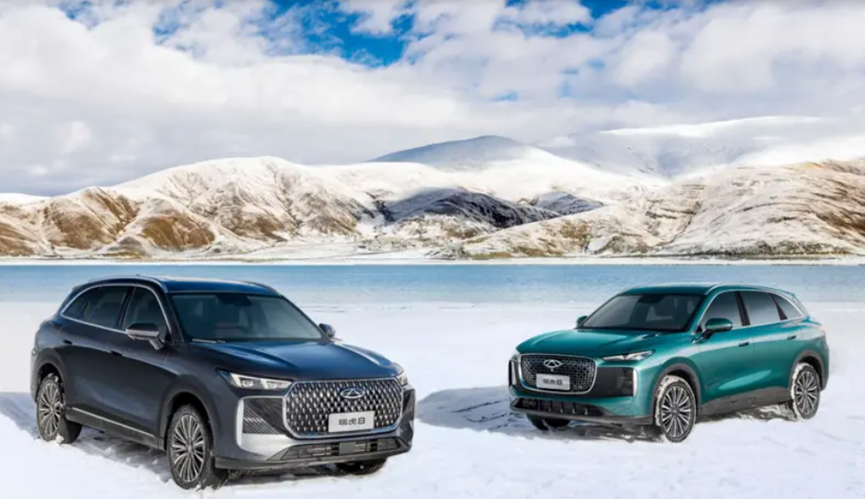
Its message is more practical: a starting price of about $14,000, two front-end designs, more cabin space, a Qualcomm 8155 chip, Kunpeng powertrain technology and stronger safety equipment.
That modest presentation hides a larger ambition. Chery is trying to reset expectations for the fuel-powered SUV at a time when electric vehicles dominate much of the industry's attention.
The company's slogan around "new Chinese fuel vehicles" is not simply a marketing line. It reflects a view that combustion models still matter in China, especially in the large and competitive family-SUV market around the $14,000 price level.
That segment is under pressure from all sides. Joint-venture brands such as Volkswagen and Honda have cut some entry SUV prices toward roughly $17,000, while new-energy brands and Chinese independents are chasing younger buyers in the same price range. Chery cannot treat its fuel base as a legacy business left to run down.
Protecting the sales base
Fuel vehicles remain central to Chery's sales and profits, accounting for more than 60 per cent of volume, according to the article. The Tiggo 8 family has sold more than 1.45 million units cumulatively, making it one of the brand's key pillars.
That explains why the model's renewal matters. Chery needs to defend the cash-generating base that funds its broader transition, even as it invests in new-energy products.
The challenge is that fuel cars have acquired an unfavourable reputation among younger buyers: less intelligent, older in design and weaker in equipment. If manufacturers slow upgrades because they are focused on EVs, the market fills with outdated models and accelerates the shift away from combustion.
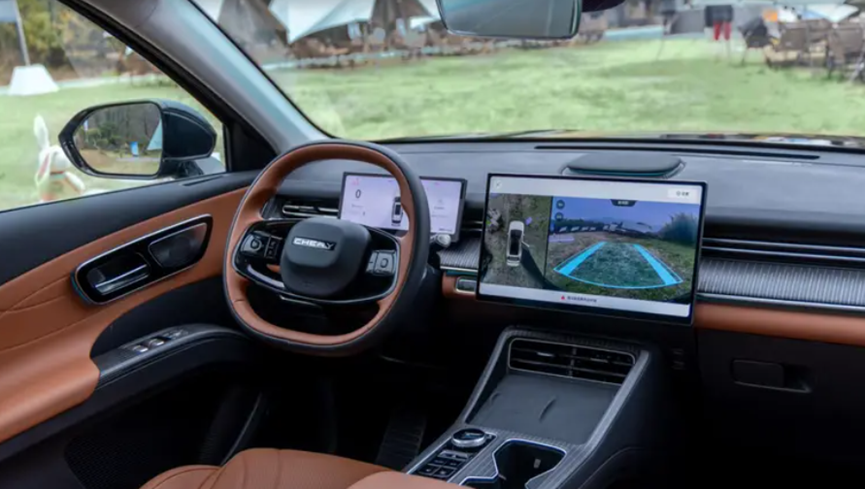
Chery's answer is to give the Tiggo 8 many of the features buyers now associate with electrified cars: stronger connectivity, driver assistance, more comfort and better cabin technology. The point is to make a petrol SUV feel less like a compromise.
From value-for-money to value fit
The competitive logic of China's roughly $14,000 SUV segment has changed. A decade ago, the formula was low price and high specification. Today, buyers are more segmented and want features matched to actual use.
The 2026 Tiggo 8 is aimed squarely at family users. Its 2,825mm wheelbase is 115mm longer than the previous generation. Boot capacity ranges from 546 litres to 1,453 litres, giving it more flexibility for family travel.
The seats offer massage, heating, ventilation and active noise reduction. The smart cabin supports wide mobile-phone compatibility, while L2 driver assistance adds a level of technology now expected even outside the EV segment.
The model uses a 1.6-litre turbocharged petrol engine with a seven-speed dual-clutch transmission. Chery also highlights its body structure, an eight-airbag system and safety equipment that is unusual at this price point.
The company has added a lifetime warranty for core components covering the engine, transmission and chassis. That is intended to address a central concern for family buyers: long-term reliability and ownership cost.
Why Chery is keeping two tracks open
The Tiggo 8 launch also shows Chery's wider strategic caution. The company does not want to bet everything on one route at a time when the EV market is locked in price wars, battery-cost uncertainty and rapid technology change.
Fuel-car demand remains substantial in lower-tier cities, county-level markets and among users who still value range confidence, repair convenience and familiar powertrains. Those customers may reject an outdated petrol model, but they may still accept one that feels modern, intelligent and reliable.
Chery has deep experience in engines and chassis systems. By combining those strengths with better software, design and driver-assistance features, it can argue that fuel vehicles are not obsolete by definition. They need a new value proposition.
Extending the "new fuel" idea into the Tiggo 8 price band also gives Chery a broader ladder beneath models such as the Tiggo 9. It strengthens the brand's engineering identity and creates a more distinct position from rivals that are treating fuel cars mainly as discounted inventory.
A practical bet, not nostalgia
The 2026 Tiggo 8 is not a rejection of electrification. It is a bet that China's transition will remain uneven and that a profitable combustion base can support new-energy investment.
For Chery, the question is whether the model can defend share, bring in incremental buyers and keep its fuel business relevant while the rest of the company moves deeper into electrification.
The answer will depend on execution in the showroom. If the Tiggo 8 can deliver modern technology, comfort and safety at its promised price, it may show that the next stage of China's auto market is not simply fuel versus electric. It is old value versus better-matched value.