
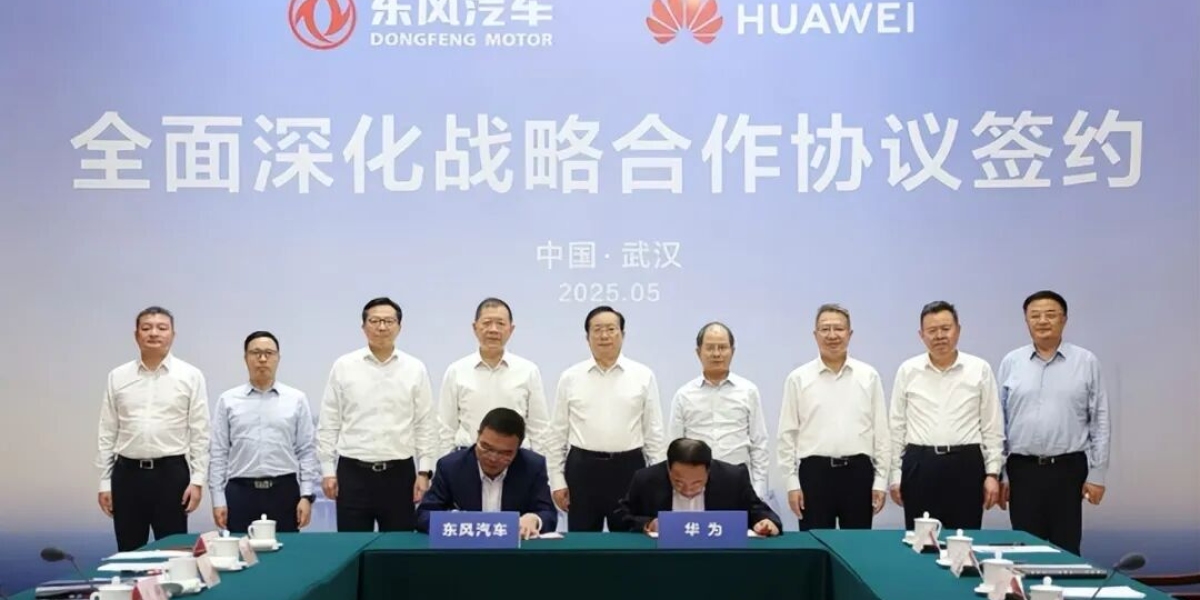
Dongfeng's deepening relationship with Huawei shows how traditional Chinese automakers are trying to close the intelligent-vehicle gap.
A partnership born from pressure
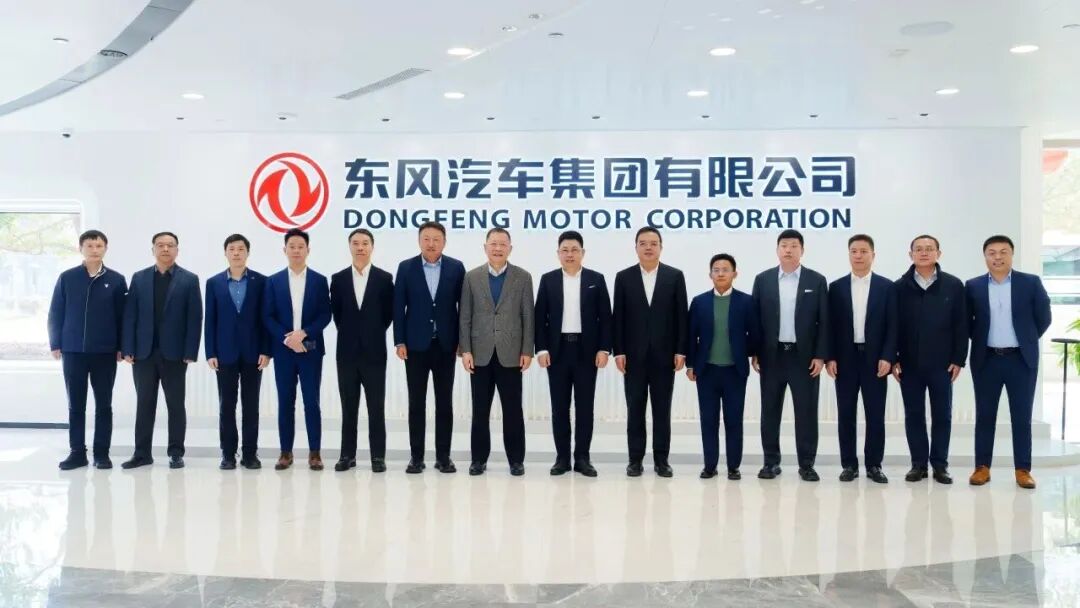
A recent visit by Huawei executive Yu Chengdong and his team to Dongfeng underlined the importance of the partnership, with the two sides discussing HarmonyOS, AI, intelligent-vehicle development and corporate digital upgrading.
For Dongfeng, the appeal is clear. The smart-EV era demands capabilities in assisted driving, connected cabins and software ecosystems that many legacy manufacturers have struggled to build quickly. Huawei offers a faster route than purely in-house development.
The concern is just as clear. If Dongfeng relies too heavily on Huawei for the parts of the car that consumers increasingly notice most, it risks weakening its own long-term technology identity and brand control.
Why Dongfeng needed help
Dongfeng remains a large manufacturer with decades of experience, but its performance has weakened. Dongfeng Motor Group sold 1.896 million vehicles in 2024, down 9.2 per cent and almost 1.39 million units below its 2017 peak of 3.284 million, according to the article. It had been declining for seven consecutive years.
The joint-venture business, once a major pillar, also lost momentum. Dongfeng Honda and Dongfeng Nissan together once accounted for as much as 66 per cent of sales at their peak, but by 2024 their combined volume had only just exceeded 1 million units. The picture did not improve much in 2025, according to the article.
Dongfeng has tried to build stronger own brands through Fengshen, Nammi, eπ and Voyah, but none has yet delivered the kind of breakout performance needed to reset the group's position. In intelligent driving and smart cabins, Dongfeng has also lagged the strongest technology-led players.
Huawei therefore became an obvious partner. Dongfeng still has manufacturing systems, channels and policy resources. Huawei brings intelligent-vehicle technology and consumer-tech visibility. The combination helped Dongfeng's new-energy vehicle sales reach 562,833 units in 2025, up about 42.62 per cent, according to the article.
Yijing as the test case
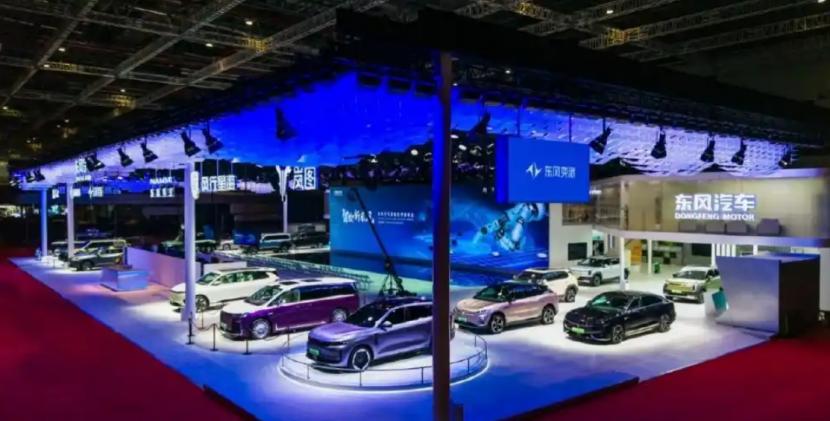
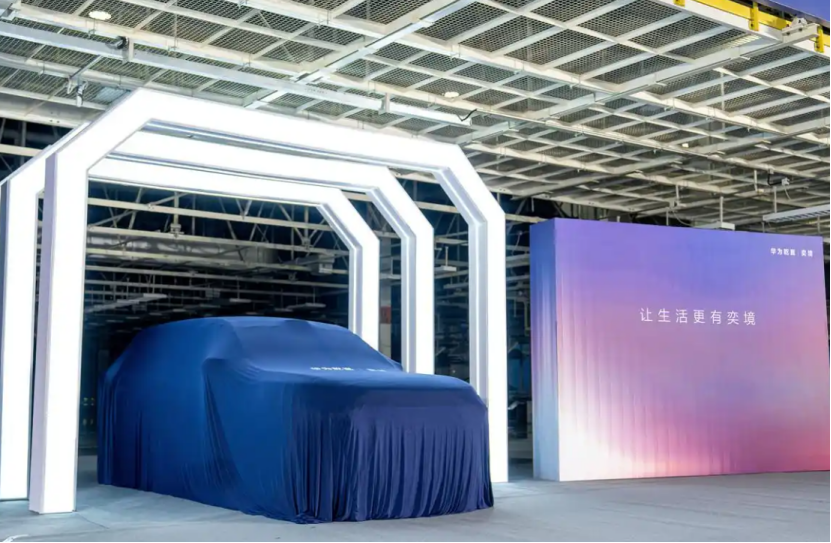
The Yijing brand is the clearest result of the Dongfeng-Huawei relationship. Over the past three years, the two sides have built integrated research and marketing teams, with personnel working together under a new organisational structure. Dongfeng has invested about $1.4 billion in the brand to support research and development and upgrade a super smart factory.
Huawei is contributing a full-stack intelligent solution. Its Qiankun ADS 4 system uses multi-sensor fusion and a 200 TOPS computing chip to provide 360-degree high-precision perception, with coverage of highways, urban roads and automated parking, according to the article.
HarmonyOS cockpit 4.0, the Qiankun vehicle-control platform, in-car optical technology and vehicle-cloud collaboration systems give Yijing a strong technology label. In theory, it combines Huawei's intelligent systems, Dongfeng's state-owned manufacturing base and the Harmony ecosystem.
The issue is that the decisive intelligent-vehicle capabilities are not controlled by Dongfeng. Huawei's Qiankun driving and Harmony cockpit systems are already used or promoted across other vehicles, including Aito and Arcfox models. That limits Yijing's ability to claim a unique technology position.
Dongfeng's own Quantum architecture and Mach powertrain technology may still matter, but in a market where hybrid and intelligent systems are improving quickly, they do not give the company an obvious standalone advantage.
The hidden fight for control
If Dongfeng had already proved strong in self-developed intelligent technology, Huawei would be an additional option. In reality, the partnership looks more like a necessary route to high-end smart-EV competitiveness.
Dongfeng has tried to build its own capability, including the Tianyuan Intelligence technology brand. Yet the market evidence is still less convincing than Huawei's Qiankun system or Xpeng's XNGP. That gap affects bargaining power.
The risk is that external technology becomes too comfortable. Once a company sees sales gains from a faster partner-led solution, investing heavily in slower in-house alternatives can become harder to justify. That may make short-term growth easier while weakening long-term self-reliance.
The core competition in smart vehicles is about who defines the final user experience, the technology roadmap and the brand tone. Dongfeng's logic is pragmatic: use Yijing to fill the intelligent-vehicle gap. Yet that also means giving up some control over the technologies and experiences that increasingly shape buyer perception.
Huawei is not acting as a simple supplier. With dedicated teams, major resource commitments and involvement across product definition, research, production and marketing, it becomes a co-creator and one of the de facto standard setters. That can improve efficiency, but it may also bind Yijing's value too tightly to the Huawei label.
The price of borrowing strength
Dongfeng's manufacturing experience and brand history could become less visible if consumers view Yijing mainly as a Huawei intelligent-driving product. Over time, that would reduce Dongfeng's ability to define its own brand identity.
The imbalance may also show up in future decisions. How much influence can Dongfeng have over Huawei's software roadmap, update rhythm or technical standards? What happens if the two sides disagree on product pace, user experience or commercial priorities? These questions sit behind the apparent complementarity.
For Dongfeng, cooperation with Huawei may be the best available short-term path. The value of the partnership will not be measured only by one or two successful models. It will depend on whether Dongfeng can internalise smarter product thinking, rebuild its own technology capability and regain a stronger voice in the value chain.
Borrowing Huawei's wind may help Dongfeng move faster. The strategic challenge is making sure it still knows how to steer.