Two years after Qiu Xiandong became chairman of FAW Group, the old state-owned automaker has become unusually active in acquisitions and strategic investments.
A state-owned giant becomes more active
In the second half of 2025, FAW put large sums into intelligent driving and new-energy vehicle assets, targeting two of its clearest weaknesses.
The move has drawn attention because many automakers are cutting investment and focusing on core operations. FAW's approach looks different: use capital to buy time, technology access and optionality during a difficult industry transition.
The question is whether this is disciplined gap-filling or a rushed response to sales pressure. The structure of the deals suggests FAW is trying to build alliances rather than simply absorb companies.
Fixing the fuel-car intelligence gap
FAW still depends heavily on fuel vehicles. FAW-Volkswagen sold more than 1.8 million vehicles in 2024, while FAW Toyota remained around the 900,000-unit level. These joint ventures are core sources of revenue and profit.
Yet the intelligent-vehicle wave has exposed a weakness in that base. Fuel models without strong assisted-driving and smart-cabin features are increasingly vulnerable. FAW-Volkswagen's fuel-car sales have been under pressure, and FAW Toyota's market share has also been affected.
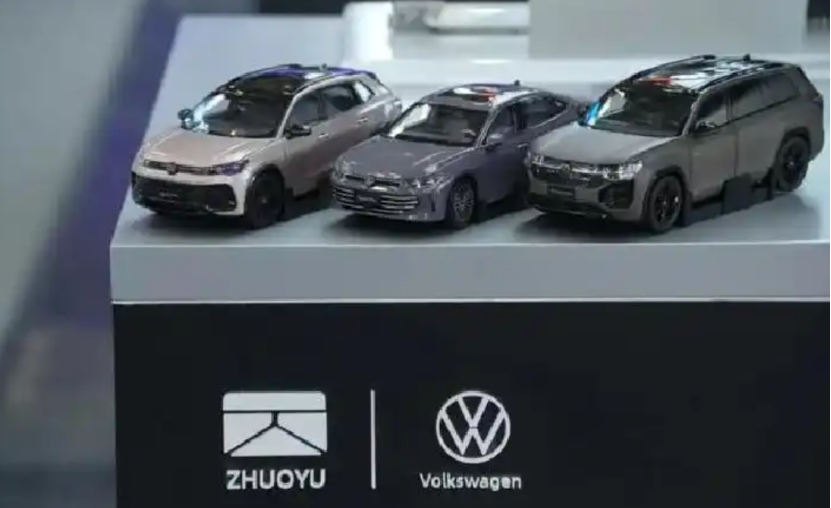
Building intelligent-driving capability from scratch would take too long. FAW therefore turned to Zhuoyu Technology, whose "equal intelligence for fuel and electric vehicles" solution had already been used in FAW models. The new FAW-Volkswagen Sagitar L, for example, was promoted as the first roughly $21,000 fuel car with standard highway navigation assistance, and received strong early attention.
FAW's roughly $507 million strategic controlling investment in Zhuoyu is more than a technology purchase. With a 35.8 per cent stake, FAW gains joint control, priority technology access and a voice in future R&D direction.
The logic is not just to catch up. FAW wants to make intelligent fuel cars a differentiated selling point. In a market where EVs are locked in a technology race, adding smart-driving capability to fuel vehicles may help protect FAW's existing base while the company builds its new-energy business.
Using Leapmotor rather than building everything alone
FAW is also preparing to take about a 5 per cent stake in Leapmotor through a private placement, according to the article. This is a different kind of move: rather than building a mass-market EV system alone, FAW can borrow a mature platform.
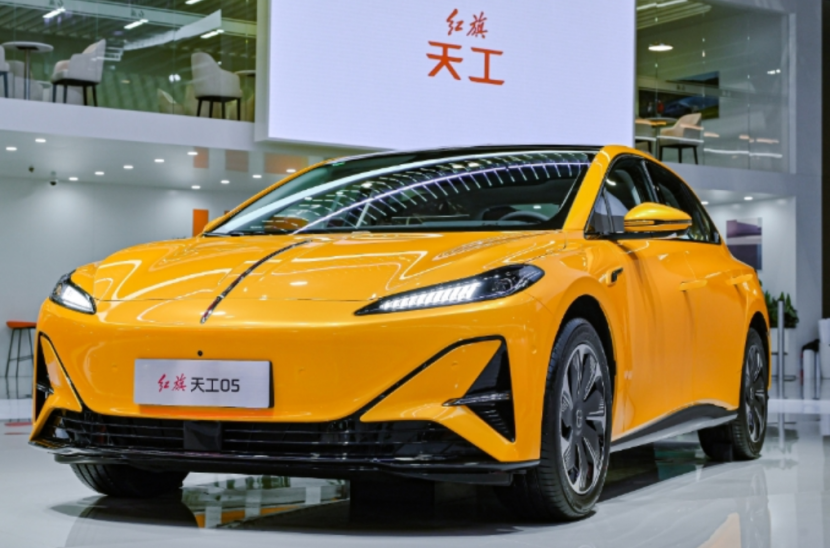
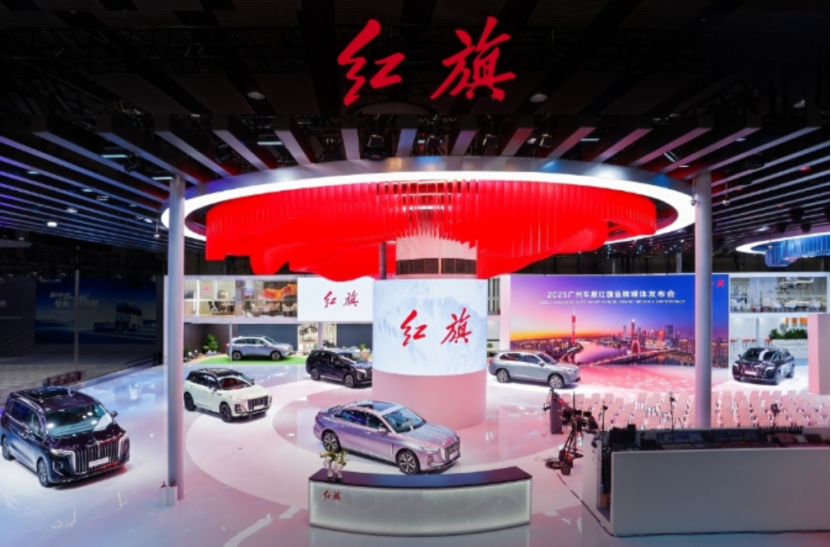
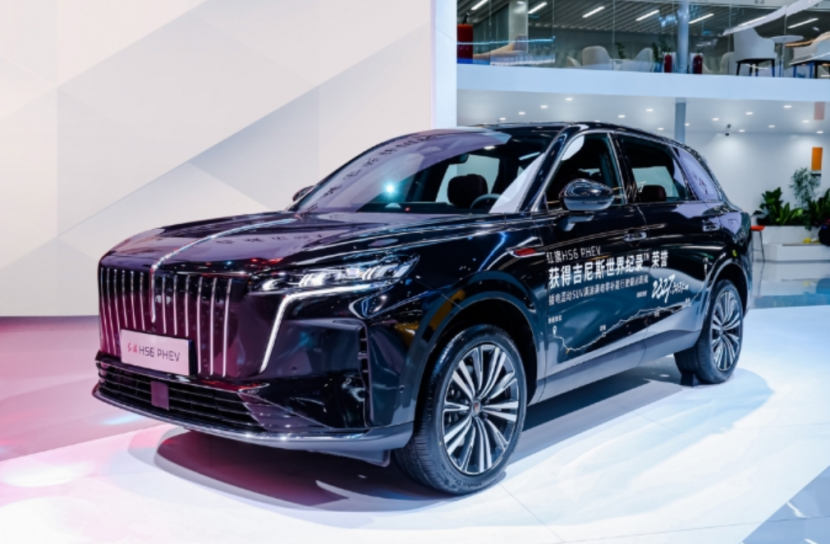
FAW's Hongqi brand already has a high-end identity. Models such as the Hongqi EH7 and E-HS9 have entered the new-energy segment above roughly $42,000. The weaker area is the mass new-energy market below about $28,000, where FAW's own platform iteration, electronic architecture, production cycle and cost control still need improvement.
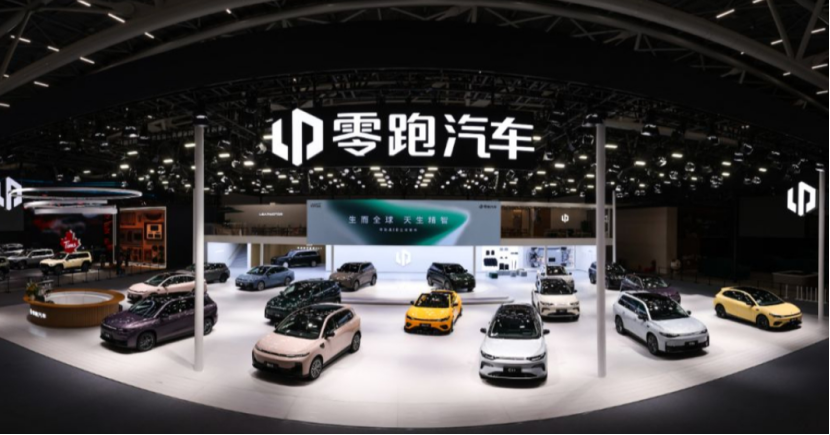
Leapmotor is known for cost control and vertical integration. Its Leap architecture has high commonality and can be reused quickly. Its self-developed electric-drive systems combine performance with cost advantages. Its Clover central domain control supports advanced assisted driving and OTA updates, while its in-house manufacturing model reduces costs and shortens development cycles.
For FAW, cooperating with Leapmotor can reduce the need to spend three to five years and more than $1.4 billion building a mass-market EV system from zero. It may also help FAW use Leapmotor's partnership with Stellantis to accelerate overseas expansion.
For Leapmotor, FAW can provide capital, manufacturing support, supply-chain resources and channels. The structure looks like a technology-for-resources exchange.
Alliance investment as risk control
FAW's investments share a common feature: joint control or minority participation rather than full ownership. That gives FAW access without taking on the entire operating burden.
In Zhuoyu's case, FAW becomes the largest shareholder but not an absolute controller. New Territory, linked to DJI's automotive business, remains a shareholder, while management and other institutions together hold 36.2 per cent, according to the article. FAW has said it will retain Zhuoyu's management team and technology route, intervening mainly in major strategic decisions.
In Leapmotor's case, FAW is seeking about 5 per cent equity as a strategic financial investor. It is not seeking a board seat or direct operating control, focusing instead on technology and product coordination.
This approach helps FAW avoid betting everything on one technical route. In intelligent driving, it can support Zhuoyu's pure-vision approach while also cooperating with Huawei. In new energy, it can keep its own high-end FME platform and use Leapmotor for mass-market architecture.
It also preserves supplier neutrality. Zhuoyu can continue serving multiple automakers instead of becoming a captive FAW supplier. That allows larger delivery scale and lower costs, which may ultimately benefit FAW more than full acquisition would.
A cautious form of shopping
FAW's recent spending is not a loose chase for market trends. Each move is tied to a specific industrial weakness: intelligent fuel cars, mass-market EV architecture, cost control and overseas growth.
The strategy still depends on integration. FAW must convert Zhuoyu's technology into real sales gains across its fuel-car base and turn the Leapmotor relationship into credible mass-market new-energy products. If execution is slow, the investments may remain financial positions rather than strategic tools.
Yet the structure is pragmatic. FAW is not trying to build every capability alone, nor is it swallowing partners in ways that might damage their value. In China's current auto transition, that alliance-style investment may be one of the more flexible ways for a traditional giant to buy time without losing control of its future.