GAC Honda began 2026 with a result that exposed the pressure facing foreign joint-venture brands in China.
A sharp fall at the start of 2026
January retail sales fell to 27,600 vehicles, down 69.86 per cent year on year, while wholesale volume dropped to 4,558 units, according to figures cited in the article.
The decline stood out inside GAC Group. The wider group sold 116,600 vehicles in January. Hyptec and Aion together sold 21,600 units, up 171.63 per cent, GAC Trumpchi sold 27,700 units, up 51.06 per cent, and GAC Toyota sold 62,600 units, up 9.82 per cent. GAC Honda was the weak point in an otherwise stronger group picture.
The company's troubles are not limited to one slow month. The once-popular Fit sold fewer than 3,000 units in all of 2025. The new electric SUV P7 struggled even after a discount of about $7,000. A brand that once benefited from fuel efficiency, reliability and strong resale value is now facing a market that has moved faster than its product cycle.
From profit engine to shrinking base
GAC Honda sold 351,900 vehicles in 2025, down 25.22 per cent from a year earlier. It was the company's fifth consecutive annual decline. January 2026 then deepened the fall, with retail sales down 27.9 per cent even against a weak January 2025 base of 38,300 vehicles.
The contrast with its peak is severe. In 2020, GAC Honda sold a record 800,000 vehicles, or about 67,000 a month. The Accord, Fit, Odyssey and Breeze each had strong positions in their segments, and Honda dealers often enjoyed strong demand for core models.
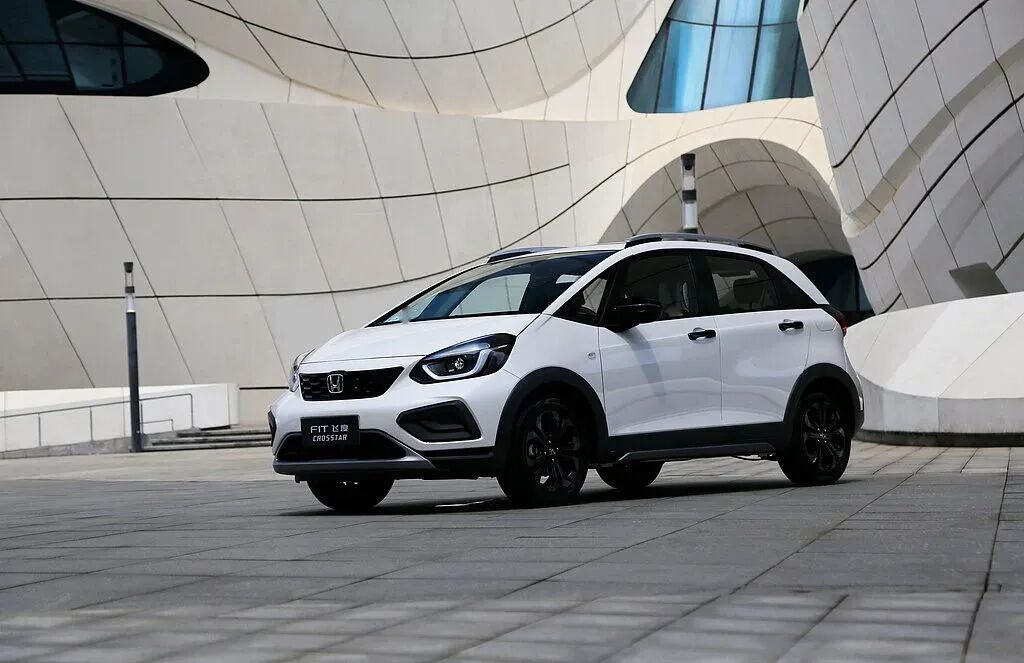
By 2025, that model was breaking down. The Fit, once a benchmark small car, sold only 2,695 units for the year and recorded no sales in November and December, according to the article. The Odyssey was also under pressure as Chinese high-end MPVs took share, with November sales of 1,353 units, down about 49 per cent year on year.
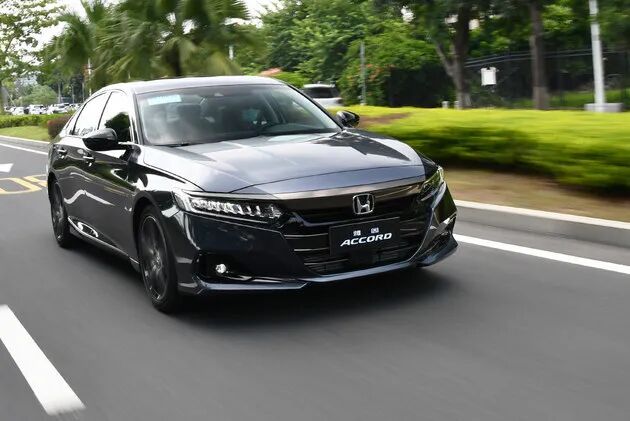
January's remaining volume depended heavily on two models. The Accord sold 14,000 units, more than half of GAC Honda's retail total, while the Breeze added 9,426 units. Together, the two accounted for nearly 85 per cent of sales. The rest of the line-up had little visible momentum.
Even the Accord's strength relied on heavy incentives. The article says discounts reached about $6,000 in the first half of 2025, while the plug-in hybrid version sold only 273 units in November. That points to a wider problem: the brand's fuel-car base is being defended through price cuts, while its electrified products have yet to become meaningful growth engines.
Late electrification meets a faster market
China's new-car market has crossed a decisive threshold, with new-energy vehicles accounting for more than half of sales. GAC Honda has been slow to adapt. By the end of 2025, its line-up remained dominated by fuel vehicles, and its only full-electric launch for the year was the Ye P7 midsize SUV.
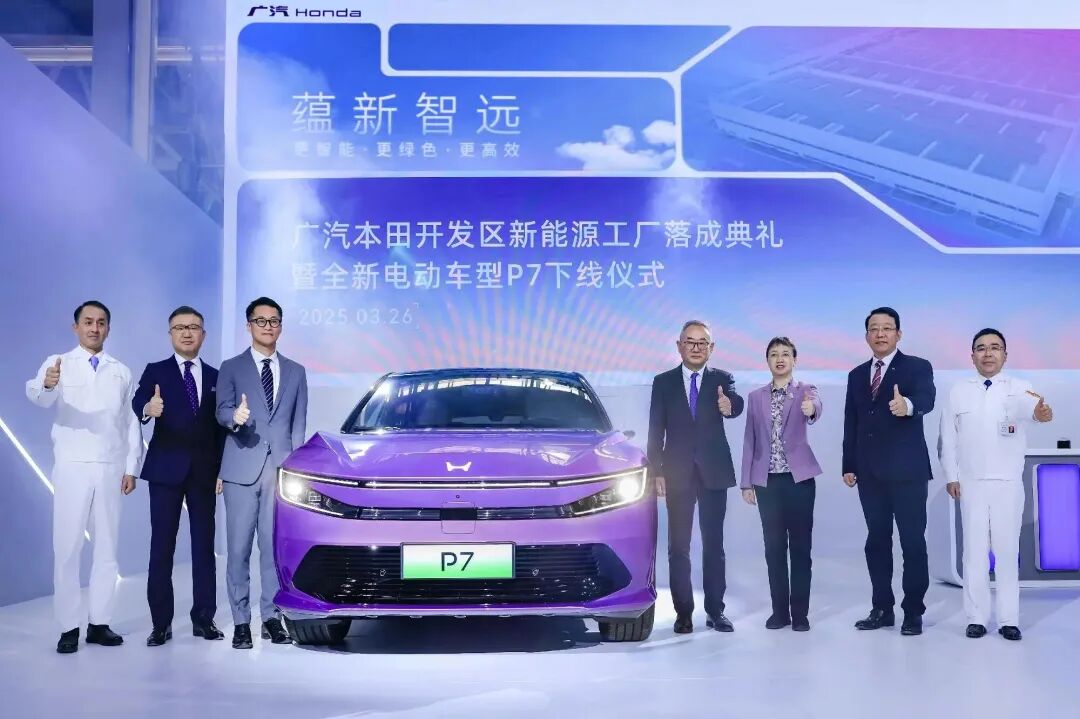
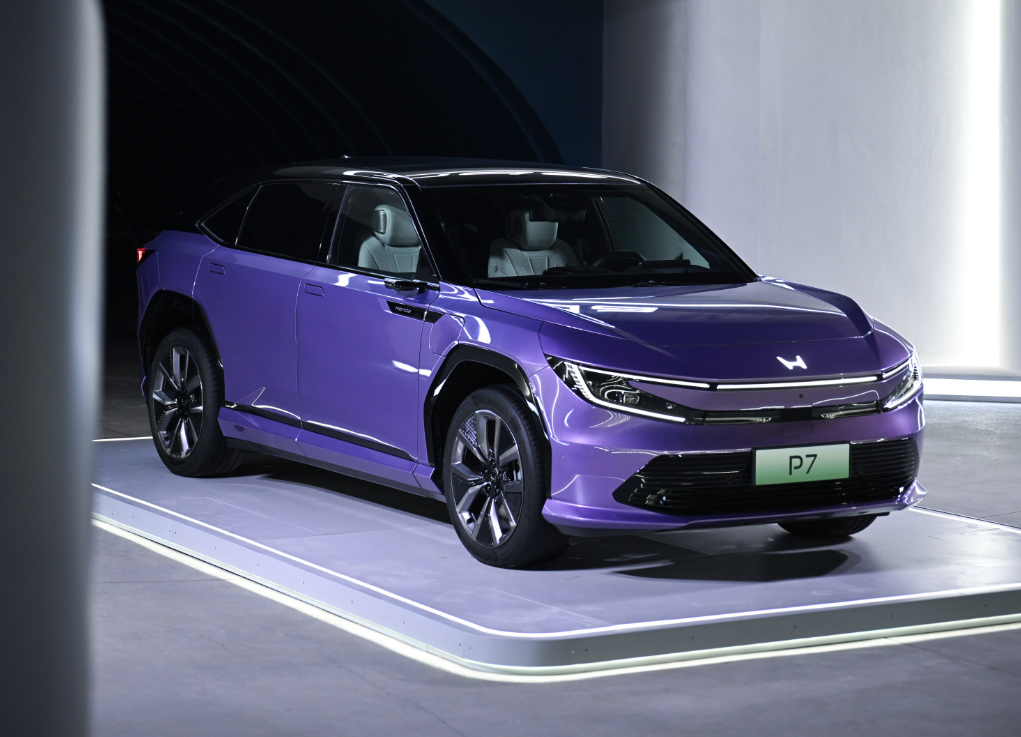
The P7 did not deliver the expected breakthrough. It sold 437 units in its first month after launching in April 2025, then fell 67 per cent month on month to 142 units in May. GAC Honda later cut the starting price from about $28,000 to about $21,000, yet demand remained weak. Sales briefly passed 1,200 units in November before falling to 1,060 in December, and full-year volume struggled to exceed 5,000 units.
The product issues were clear. In a market where Chinese EVs routinely offer advanced cockpits and driver-assistance functions as standard, the P7's assisted-driving upgrade package cost about $2,000 extra and included highway navigation assistance and intelligent parking. The article argues that its precision and response speed also lagged similarly priced Chinese rivals.
Range, charging speed and electric architecture were also not strong enough to reset buyer perceptions. For a Honda-branded EV in China, reliability alone is no longer sufficient. Consumers expect software, efficiency, charging convenience and intelligent functions to be part of the core proposition.
The fuel-car foundation is weakening at the same time. As new-energy vehicles move down in price, small and compact fuel-car segments have been hit first. In the A0-class sedan market, new-energy penetration was already close to 100 per cent in the first seven months of 2025, according to the article, leaving the Fit exposed to models such as the BYD Seagull and Wuling Bingo.
Capacity and timing are out of step
GAC Honda has taken steps to respond, but the timing has been awkward. In December 2024, it opened a new-energy vehicle factory with investment of about $493 million and annual capacity of 120,000 units. The plant was designed for highly automated electric-vehicle production.
The problem is that capacity is arriving before demand. Honda's total China capacity was cut from 1.49 million to 1.2 million vehicles after GAC Honda shut its fourth production line, which had annual capacity of 50,000 units, in October 2025, alongside capacity adjustments at Dongfeng Honda. Even after those reductions, January's 27,600 retail sales imply very low utilisation against monthly capacity of about 100,000 vehicles.
Management changes have yet to alter the direction. GAC Group appointed Gao Hongxiang to replace Li Jin as executive deputy general manager of GAC Honda in August 2025, hoping a more technical leader could steady the business. Sales in the second half of 2025 and January 2026 suggest the turnaround remains incomplete.
The revised Fit also illustrates the dilemma. In January 2026, GAC Honda launched a facelifted Fit at a fixed price of about $9,000, limited to 3,000 units nationwide. Dealers were reportedly told to stop taking orders after the system approached the quota. The near sell-out created a short burst of attention, but it looked more like a controlled sales exercise than a sign of renewed mass demand.
A joint venture needs a China-speed reset
GAC Honda's challenge is no longer a single weak model. It is a test of strategic thinking, product speed and local adaptation. The brand needs to reduce ineffective fuel-car capacity, shift resources toward plug-in hybrids and full EVs, and rely more heavily on China's supply chain for platforms, chips and software.
Analysts cited in the article argue that joint ventures must use Chinese supply chains, Chinese speed and Chinese pricing to rebuild competitiveness in China. Brand equity can still matter, but only if costs, software and product timing are brought closer to local rivals.
For GAC Honda, the risk is that the transformation window is closing. The company has a strong history in China, but history is not enough in a market where local brands now set the pace in electrification, software and value. If the business cannot match that speed, January's sales slump may be less an accident than an early warning.