
GAC Group has formally launched a business-unit reform of its own brands, starting with the creation of the Hyptec-Aion BU.
A new structure for a tougher market
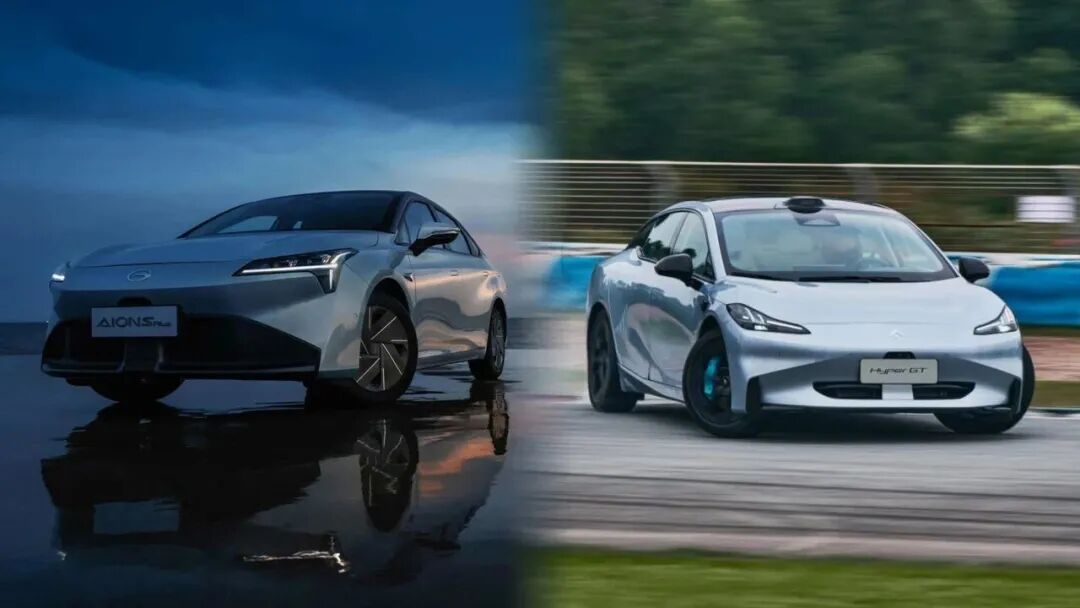
The move brings the two brands under one operating structure and is intended to improve resource use, management coordination and channel efficiency.
The reform is not a simple brand merger. GAC is trying to define clearer roles for each marque. Hyptec will focus on elite and higher-end vehicles, while Aion will continue to target the mainstream market as a more accessible national brand.
Media reports cited in the article say the new BU management team has largely been set, with Zhang Xiong as president, Feng Yu as product vice-president and Yang Long as sales and service vice-president.
Channel integration is the central move
The most important change is channel integration. GAC plans to roll out the reform in two phases. By the end of January 2026, the first integrated stores are expected to open in more than 30 cities. By the end of March, GAC aims to have more than 1,000 integrated sales outlets, covering all cities at fourth-tier level and above.
For Hyptec, the change could expand its service network from about 200 outlets to 1,000, addressing a key weakness in convenience and after-sales access. For Aion users, the shared network creates a natural upgrade path toward Hyptec. For GAC, it can lower channel cost and improve operating efficiency.
The reform follows a broader organisational integration earlier in 2025, when GAC unified marketing operations across several own brands, including Trumpchi, Aion and Hyptec. The new BU structure is a deeper attempt to turn that coordination into a stable operating model.
A clearer brand ladder
The Hyptec-Aion BU is only one part of GAC's wider brand architecture. The Trumpchi BU is also being prepared, while Qijing, the independent brand created with Huawei Qiankun and previously referred to as Huawang, will operate separately and focus on higher-end intelligent luxury experiences.
This suggests a more layered GAC own-brand system. Aion and Hyptec are expected to support mainstream and mid-to-high-end sales. Qijing is meant to explore advanced intelligent luxury through cross-industry cooperation. Trumpchi will have its own reform path.
The logic reflects a wider shift in China's auto industry. Competition is no longer only about individual products. It increasingly depends on system capability, ecosystem partnerships, channel efficiency and organisational speed.
The execution test
Major organisational reform always brings risk. GAC must integrate management teams, clean up overlapping channels, preserve brand differences and help consumers understand the new structure.
The success of the Hyptec-Aion BU will depend on whether GAC can define the brands clearly and execute the channel integration without creating confusion. If it works, GAC could gain a more efficient own-brand platform for the next phase of competition. If it falters, the restructuring may add complexity to a market that already punishes slow execution.