
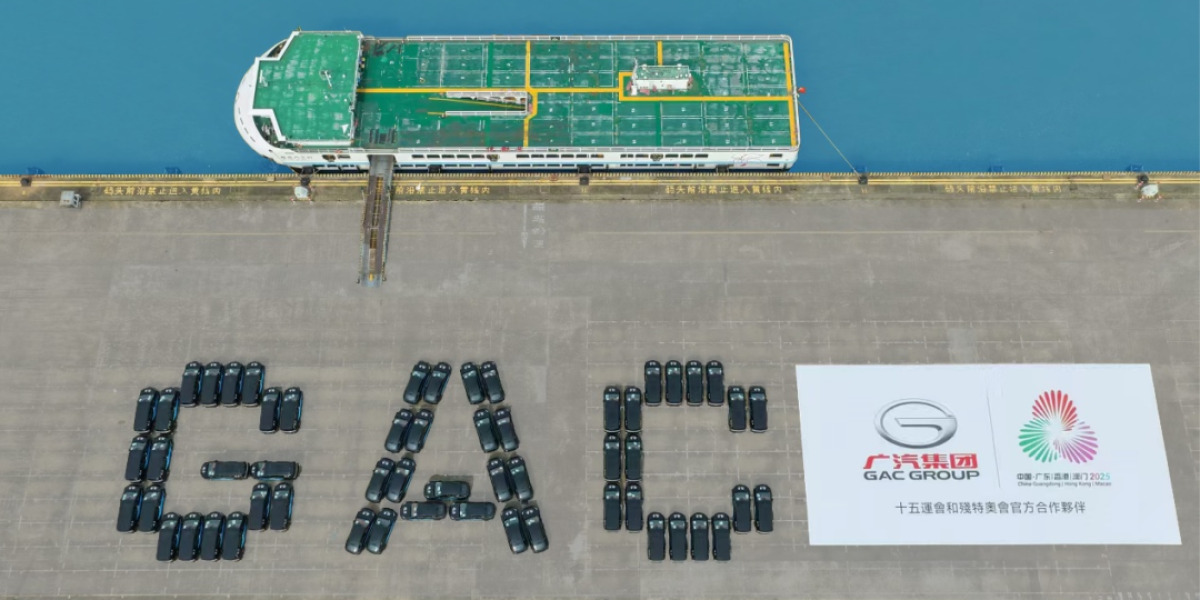
GAC Group has set a clear tone for 2026: return to the 2 million-vehicle level, restore positive local output-value growth and keep improving operating efficiency.
A Big Target After a Rare Loss
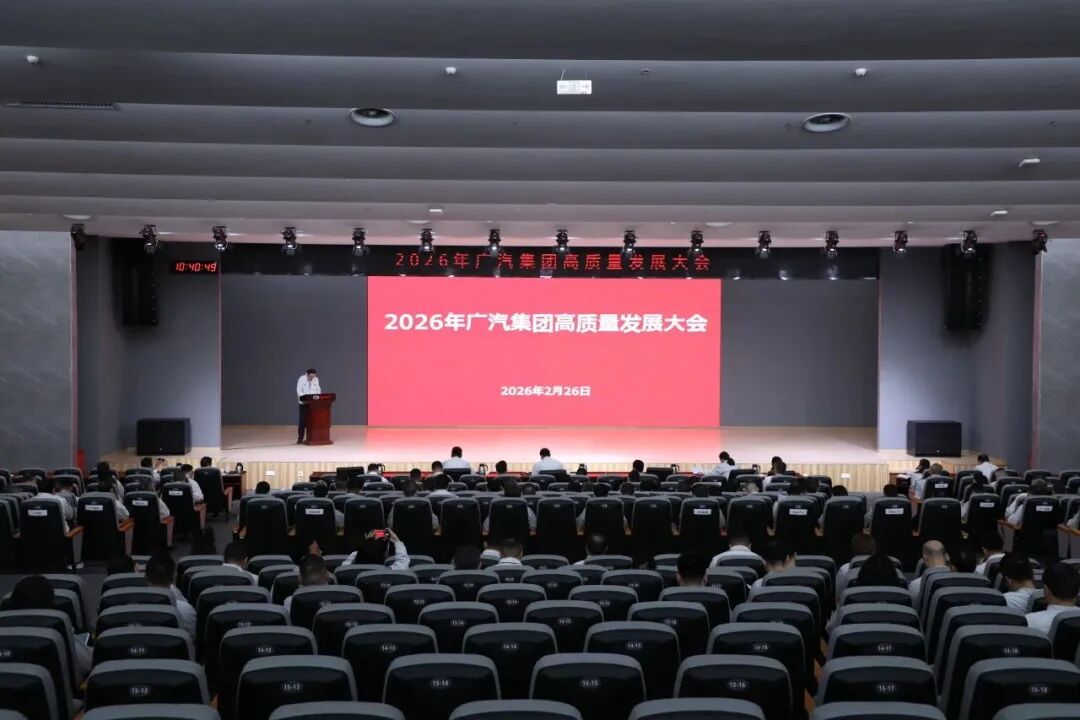
Chairman Feng Xingya laid out that target on February 26 at the group's high-quality development conference. The ambition comes only a month after GAC issued a 2025 earnings forecast showing an expected net loss attributable to shareholders of about $1.1 billion to $1.2 billion. It would be GAC's first annual loss in nearly two decades.
That makes the 2 million target more than a volume goal. It is a test of whether GAC's internal reform can translate into products, sales, exports and profit improvement.
The Panyu Action Builds the Base
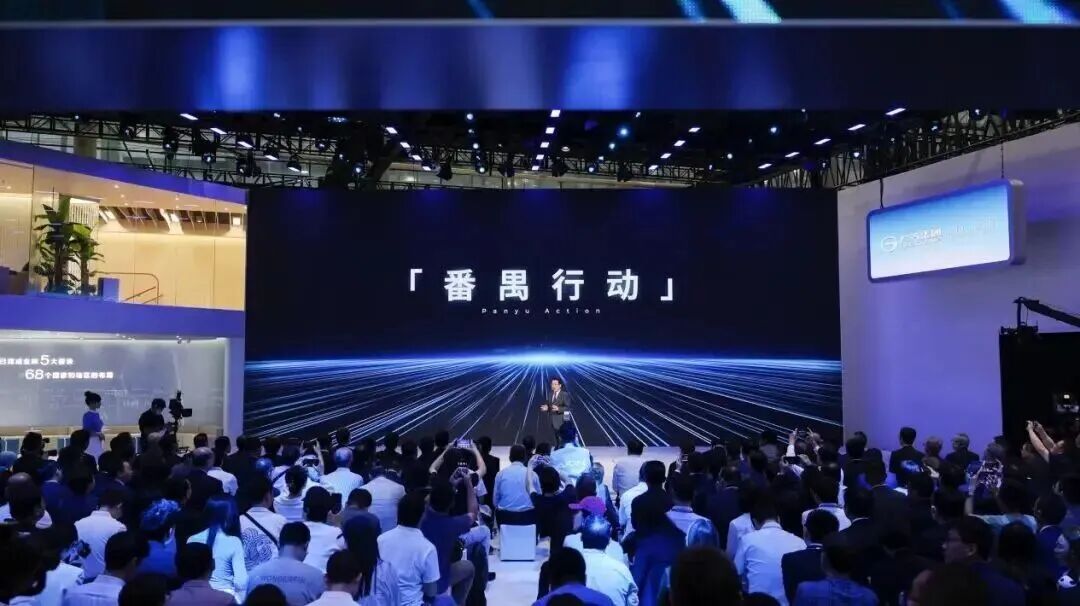
To understand GAC's 2026 plan, the key is its Panyu Action, launched in November 2024. Feng has compared the reform to building a house over three years: 2025 was for laying the foundation and pillars; 2026 is for fitting out the interior.
Over the past year, GAC moved its headquarters to Panyu, established a "2+3+X" management system and reorganised research and development. Two changes are especially important: Aion and Hyptec were combined into the Hyptec-Aion business unit, and Trumpchi formed its own business unit under president Huang Jian.
The business-unit model, proven in technology companies such as Huawei and Alibaba, has been brought into a state-owned carmaker. Its purpose is to shorten decision chains. Each business unit receives more closed-loop authority over brand, research, purchasing and marketing. Each becomes both a profit centre and an innovation unit.
The early results are visible. Hyptec-Aion sold more than 40,000 vehicles in December 2025, and the Aion i60 sold 10,000 units in its first month. Trumpchi's business unit was only established in January, but Huang's long experience across GAC's full vehicle value chain suggests the brand is being rebuilt around tighter links between market, product and engineering.
GAC has also introduced the IPD development process. New-vehicle development cycles have been reduced from 26 months to 18-21 months, while research and development costs have fallen by more than 10%. The reform is not only about speed. It is about embedding user demand earlier in product definition.
Own Brands Enter the Value War
GAC describes its 2026 mission as stabilising joint ventures, strengthening own brands and expanding ecosystems. The own-brand task is especially important because China's new-energy market has shifted from price wars to value wars.
The most watched project is Qijing, the high-end brand jointly developed by GAC and Huawei. Its first shooting-brake coupe is expected to launch in June, positioned around the $41,000 level, with Huawei Qiankun Level 3-capable driving hardware and a HarmonyOS cockpit. Feng has described it as a strategic project that cannot fail.
Qijing has already made a branding statement. In January, it prohibited naming that binds the brand directly with Huawei, such as Huawei Qijing or Huawei Qiankun Qijing. The message is clear: Huawei is an important technology supplier, but Qijing is a GAC brand. Technology can be borrowed; brand identity must stand alone.
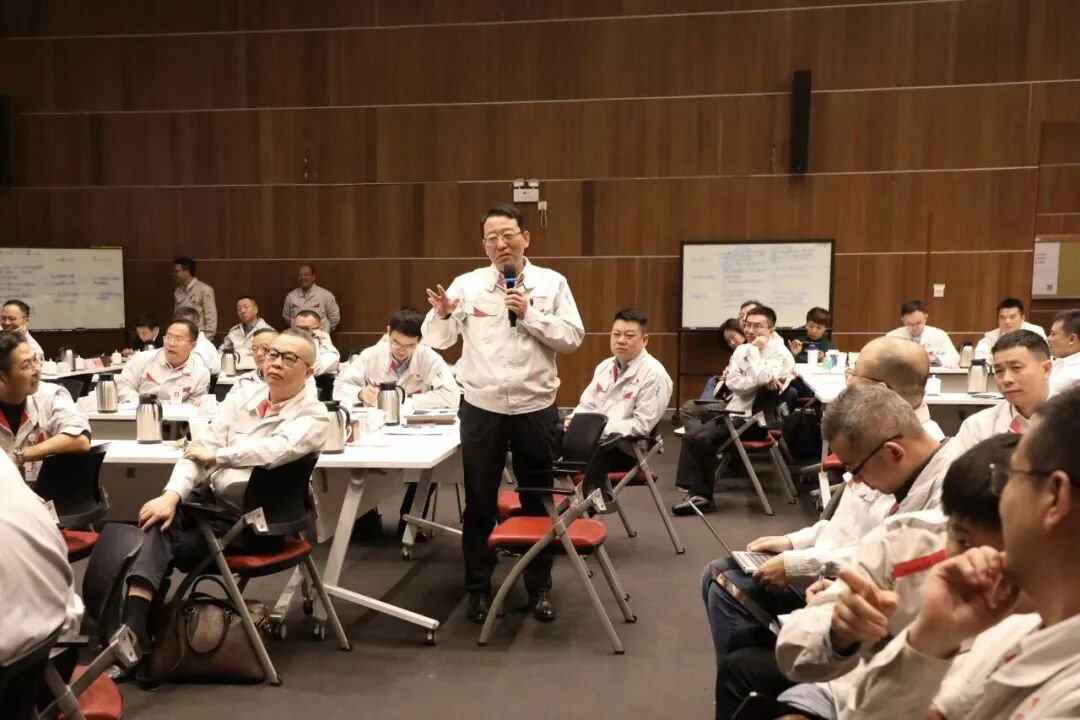
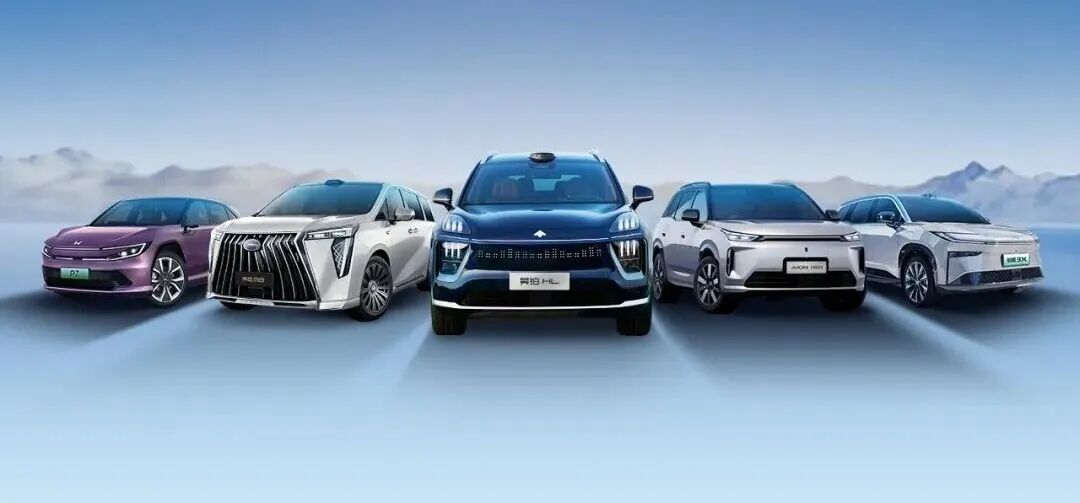
GAC's product year will be busy. Hyptec, Trumpchi and Aion plan nine refreshed or new models in 2026. Trumpchi's Xiangwang series has already launched the S7, M8 and S9 new-energy models and will add two MPVs this year. The Hyptec A800 has received a Guangzhou Level 3 autonomous-driving road-test licence, reportedly the first for a mass-produced vehicle allowed to test at 120kph.
The strategy is differentiated. Hyptec-Aion follows a technology-frontier path, with rapid iteration and user-community operation. Trumpchi focuses on mainstream families, bringing mature hybrid technology into wider use. Managing those two rhythms inside one group will test GAC's leadership.
Joint Ventures and Ecosystems
GAC's joint ventures remain a foundation, but the old joint-venture model has weakened. GAC Toyota is pushing "petrol and electric with equal intelligence", defending its combustion base while expanding NEV capability. GAC Honda is accelerating local development to close intelligence gaps.
The hard part is maintaining sales and profit while joint ventures retool for new energy. In 2025, faster NEV transformation and production-line adjustments reduced GAC's investment income, contributing to the loss forecast.
GAC's ecosystem push is broad. It signed a strategic cooperation agreement with CATL last November, and battery-swap products are expected to cover 1,000 stations in 45 cities this year. GAC already operates more than 21,000 charging piles, with China's largest number of DC piles among automakers, according to the original report. Tencent's in-car service has landed on Hyptec HL, and Xinghe Zhilian, the joint venture with iFlytek, has installed systems in about 2 million vehicles.
The more important shift may be in supplier relations. At a supply-chain partner conference in February, GAC said automakers and suppliers need to move from transaction-based cooperation toward value co-creation. Its five cooperation projects focus on trust, supplier development, chain strengthening, digitalisation and green supply chains.
The language may sound formal, but the logic is practical. Supply-chain stability, cost control and supply assurance are now decisive competitive factors.
From Exporting Cars to Exporting Systems
Overseas expansion is GAC's most aggressive 2026 target. In 2025, own-brand overseas sales approached 130,000 units, up 47%. In 2026, GAC is targeting about 200,000 overseas sales.
The person responsible is Chen Jiacai, who previously led overseas expansion for Chery's Jetour and served as rotating president of Seres' overseas business unit. His appointment signals that GAC sees overseas markets not as optional growth, but as a second battlefield.
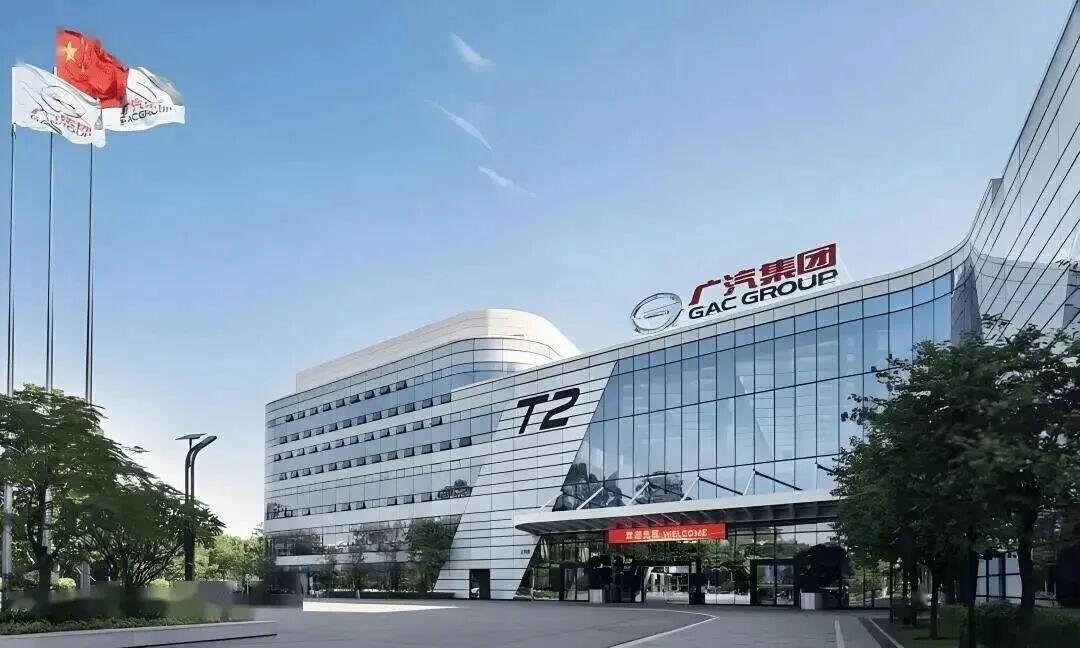
GAC's overseas plan centres on localised production, KD plants and overseas finance. It has already built five KD plants in Nigeria, Thailand, Malaysia, Indonesia and Austria, and plans 10 to 15 overseas production bases worldwide.
The goal is not simple product export. GAC wants to export a system: research, production, marketing and service capability adapted to local markets.
Future Technologies Add Optionality
GAC is also investing in longer-term technology. Its all-solid-state battery pilot line began production in November 2025, giving it batch trial-production capability for automotive-grade solid-state batteries above 60Ah. Small-batch vehicle testing is planned for the fourth quarter of 2026, with Hyptec models first in line.
Its GOVY AirCab flying car has received nearly 2,000 intended orders, with demonstration operations planned in two or three cities in the Greater Bay Area in 2027.
These projects will not determine 2026 sales, but they show how GAC is trying to build future options while repairing the core auto business.
The Real Exam
GAC's plan is clear: rebuild the organisation, strengthen own brands, stabilise joint ventures, deepen the ecosystem and push overseas. The risk is execution. A state-owned auto group can announce reform, but the market will judge whether the new structure produces competitive vehicles quickly enough.
Returning to the 2 million-vehicle level is not only a recovery in scale. It is the first major exam for the Panyu Action. GAC has lowered itself into a deep crouch. In 2026, it has to prove it can jump.