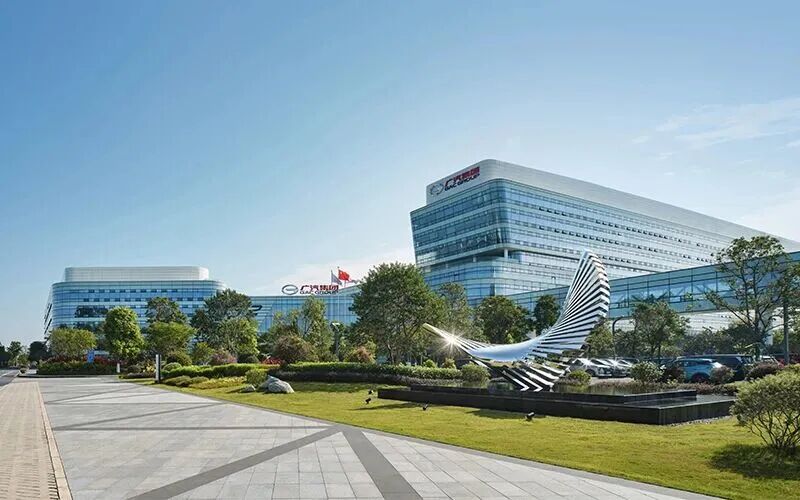
GAC Group's reform programme is moving from strategy into operating structure.
From group reform to brand execution
After chairman Feng Xingya said in July 2025 that the company had entered a "wartime" state focused on user demand, product value and service experience, GAC began reorganising its own brands around more integrated business units.
The Hyptec-Aion business unit was the first pilot. On January 16, 2026, the Trumpchi business unit was formally established as the next key step in GAC's Panyu Action reform plan. Huang Jian was appointed president, with Li An and Wang Yu named vice-presidents, forming the new management core.
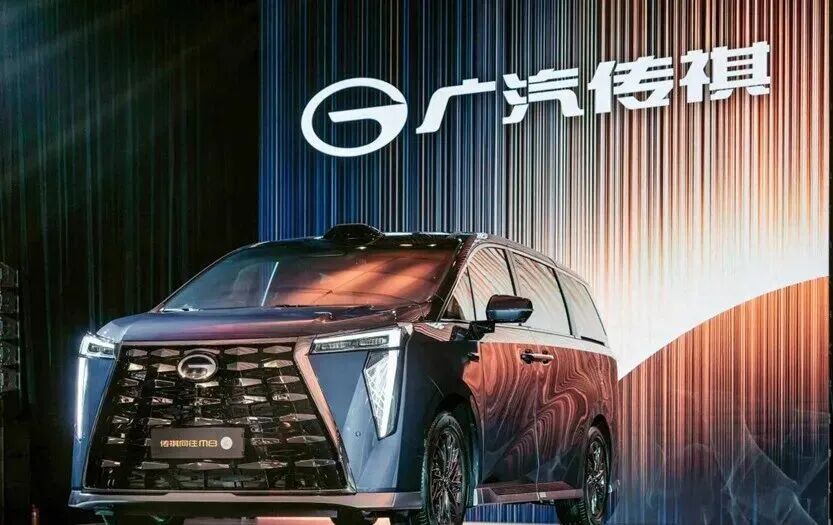
The purpose is to break down internal barriers and integrate research, manufacturing and sales across the full value chain. For a legacy car group trying to compete with faster EV companies, the new structure is designed to make decisions quicker and market feedback more useful.
On January 26, Trumpchi BU followed with a new 2026 dealer recruitment policy, described by the company as its most favourable yet. It promised no renovation burden, low inventory pressure and special subsidies, signalling that channel partners are being treated as a central part of the reform rather than a final distribution layer.
The battle for user demand
GAC's first "battle" is to understand users more deeply. As intelligent electric vehicles become more common, buyers increasingly judge cars by experience, emotional connection and lifestyle fit, not just mechanical specification.
Feng has argued that cars have become mobile companions carrying personality and emotion. Huang has framed the user-demand battle as a need to understand unmet expectations. The result is a development process that starts with real usage scenarios rather than internal product assumptions.
Trumpchi's Xiangwang series is presented as a case study. Through interviews with thousands of potential buyers, the team identified range uncertainty as a central concern for new-energy customers, especially mainstream families using one vehicle for commuting, weekend trips and long-distance travel.
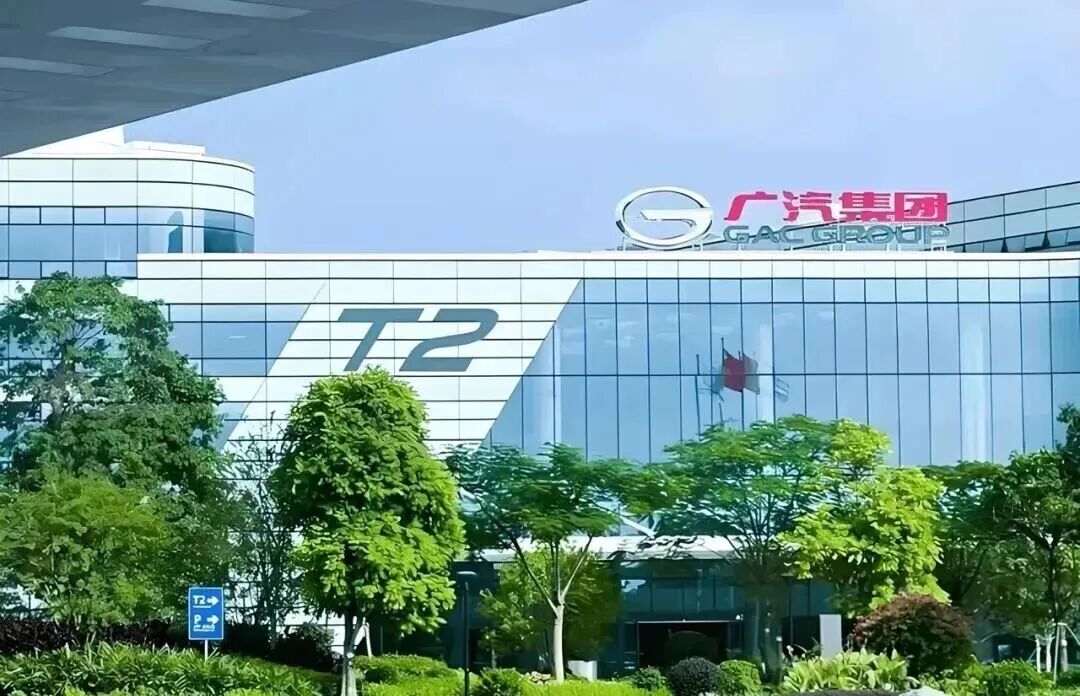
Instead of relying only on larger batteries, Trumpchi developed a multi-mode solution: pure electric driving for city commuting, range-extended operation for weekend trips and plug-in hybrid capability for long highway journeys. The aim was to match technology choice to actual usage rather than push one powertrain message.
The team also ran face-to-face user research across 31 cities, visiting nearly 1,000 owners and recording more than 2,000 pieces of detailed feedback. According to the article, awareness of the Xiangwang series rose from below 30 per cent at launch to 65.7 per cent within six months.
The battle for product value
The second battle is product value, which GAC defines as more than price. In a market where many brands compete through discounts, Trumpchi is trying to build a quality-based argument around safety, durability and technology.
Feng has pointed to strict vehicle validation, including two winter tests and one summer test, and dual-redundancy design for advanced driver assistance. That reflects a belief that quality discipline can be a defence against short-term price pressure.
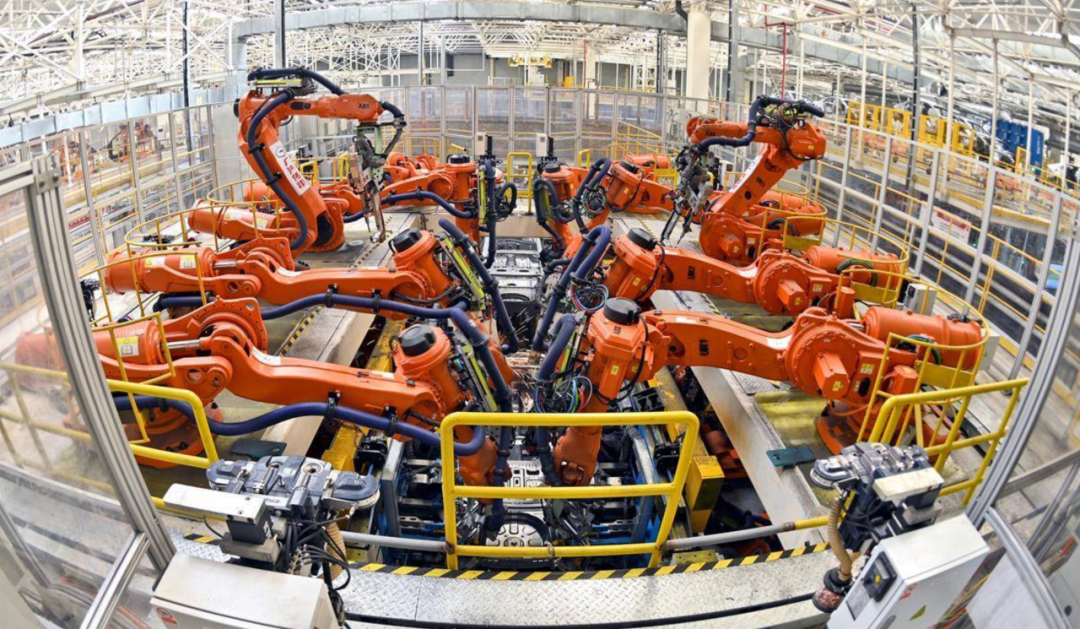
Trumpchi's "four hearts and four alls" quality system covers design, components, manufacturing and service across the full product life cycle. Suppliers are involved earlier in the design stage to balance cost and quality. Key components face full inspection, while the company's 919 aviation-quality smart factory applies automated processes from assembly to final testing.
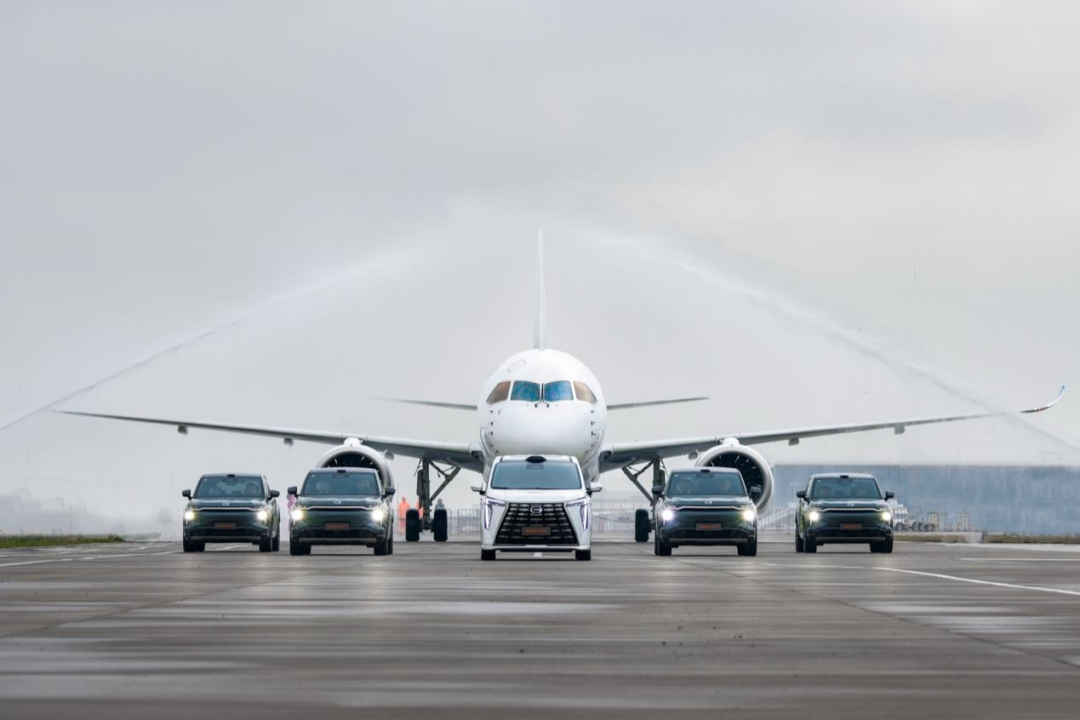
Before production, new Trumpchi models are tested across extreme conditions, from the cold of Mohe to the heat of Turpan and the altitude of the Qinghai-Tibet Plateau. Such testing increases development cost and time, but it supports reliability claims in a country with wide climate and road differences.
Technically, Trumpchi is combining in-house research with partnerships. Its Julang hybrid system has reached engine thermal efficiency of 44.14 per cent, according to the article. GAC's magazine battery, Quark electric drive and fast-charging technologies are being applied across Trumpchi's new-energy models.
For intelligent features and batteries, Trumpchi is working with Huawei and CATL. The Xiangwang M8 Qiankun series uses Huawei's Qiankun assisted-driving system and CATL's Xiaoyao range-extender battery, giving Trumpchi access to stronger software and energy-storage capabilities while keeping its own product architecture.
The battle for service experience
The third battle is service. As vehicles become more similar in hardware, the relationship with owners is shifting from a one-time transaction to a full life-cycle service model.
Trumpchi is using its official app to build a 24-hour digital service channel, covering maintenance booking, fault reporting and direct user communication. Data from that system can also support more proactive service if used well.
Offline service remains important. GAC is building integrated sales and service centres while Trumpchi relies on more than 2,000 sales and service outlets nationwide. The challenge is to keep service quality consistent at scale, a problem faced by both traditional automakers and EV start-ups.
Trumpchi is also trying to extend the relationship beyond maintenance through a broader lifestyle service circle, linking mobility with dining, travel, learning and entertainment. The idea is to turn ownership into a continuing relationship rather than a completed sale.
A system test for Chinese automakers
The Trumpchi BU reform is not only about one brand. It reflects a wider question for China's auto industry: how can large manufacturers become more user-driven without losing the discipline and scale that made them competitive?
The risks are clear. User needs change quickly. Technology investment must be balanced against cost control. Digital service tools must still feel human. Dealer partners need support, but the network also has to become more efficient.
If Trumpchi can align user insight, product value and service experience under one operating structure, it may offer a different route for Chinese legacy carmakers: not simply copying start-ups, but rebuilding their own systems around faster feedback and stronger execution.