
Many carmakers talk about putting users first, yet buyers are often forced into trade-offs.
A Technology Strategy Built Around Fewer Compromises
Fuel economy can mean weaker performance. Off-road ability can mean a harsher ride and higher fuel use. Smart-car features can require choosing a pure EV and accepting range concerns, a plug-in hybrid with weaker depleted-battery performance, or a conventional hybrid with limited digital functions.
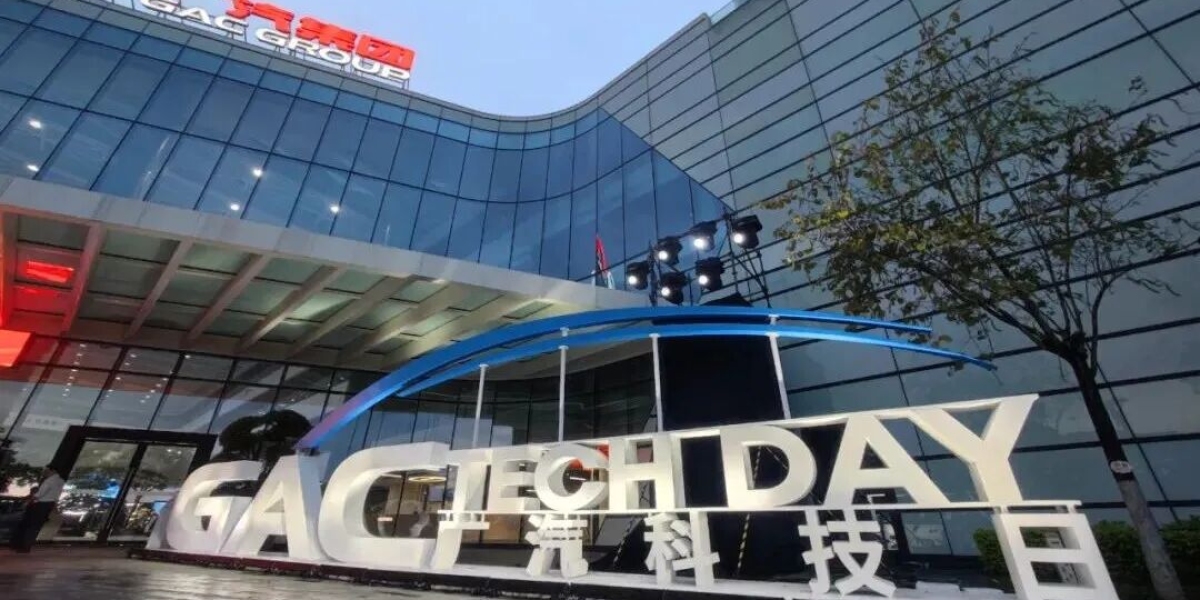
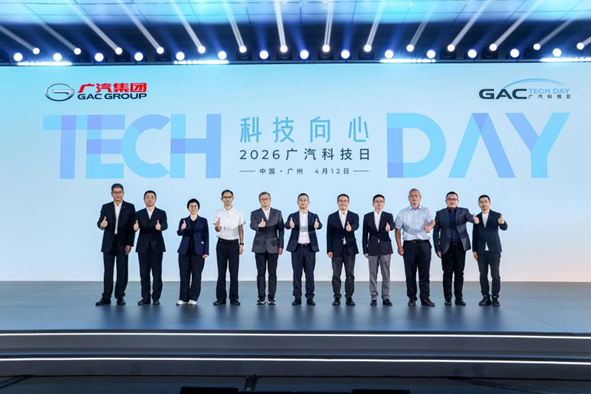
GAC used its April 12 Technology Day to argue that those compromises are becoming less necessary. Under the theme "technology toward the user", the company presented five technology pillars: Xingyuan power, Starship body, Xinghe intelligent cabin, Xingling electronic and electrical architecture 4.0, and a broader chip ecosystem.
The message was clear: if the technology stack becomes strong enough, the customer should not have to choose between efficiency, performance, comfort, intelligence and safety.
Starship Body Reworks the SUV Formula
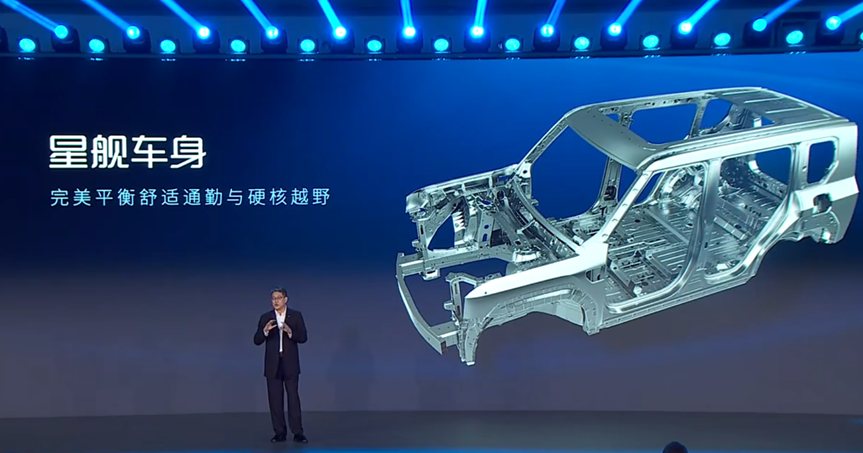
The most distinctive element may be GAC's Starship body technology. Automotive engineering has long had a structural divide. Unibody construction is lighter, more efficient and more comfortable, but less suited to heavy off-road use. Body-on-frame construction is stronger in torsion and more rugged, but heavier, less refined and less efficient.
GAC's answer is an embedded load-bearing beam combined with a multi-ring cage structure. The company claims whole-vehicle torsional stiffness of 38,000Nm per degree, nearly four times that of traditional hardcore off-road benchmarks, and bending stiffness of 42,000N/mm, 1.5 times the mainstream industry level.
In practical terms, GAC is trying to give a unibody SUV the rigidity associated with body-on-frame off-roaders while preserving the weight and comfort advantages of a modern family vehicle.
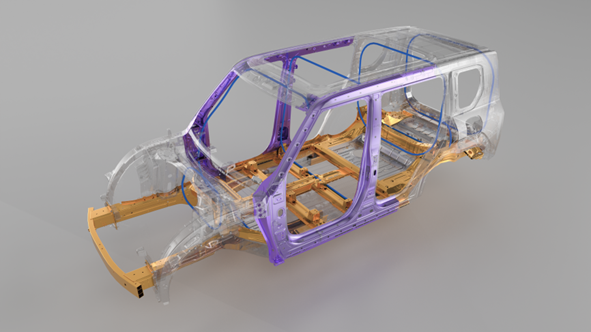
The body also uses what GAC calls a 720-degree all-domain protection system. Hidden anti-rollover structures in the A-pillars use 2,200MPa hot gas-formed tube beams, raising A-pillar roof-crush resistance to 12.2 tonnes, 2.7 times the Chinese national requirement. The company says cabin noise stays below 68dB at 120kph, while a vacuum high-pressure aluminium alloy tower mount helps filter road shocks.
A factory-rated 5-tonne towing capability and modular expansion points are aimed at outdoor users, allowing self-rescue, mutual recovery and the installation of additional equipment.
Xingyuan Power Targets Efficiency and Response
If the Starship body addresses the physical trade-off between comfort and off-road capability, Xingyuan power targets the energy trade-off. GAC says its Xingyuan plug-in hybrid can bring a B-segment MPV into the "3-litre era" for fuel consumption.
The GMC 3.0 hybrid transmission Thunder version delivers more than 6,700Nm of maximum system output torque, while the drive motor peaks at 205kW. The Gale version weighs 98.5kg, reaches 93% drive efficiency under WLTC conditions, and has a maximum transmission efficiency of 98.65%. Its electronic-control efficiency of 99.2% has already met the 2035 target in China's energy-saving and new-energy vehicle technology roadmap.
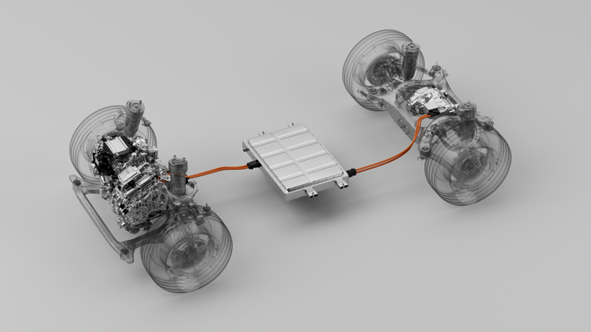
GAC's in-house AI energy-control platform can read road conditions and driving habits in real time, switching automatically to the most efficient energy mode. The company says the system can push B-segment MPVs into fuel consumption beginning with 3 litres per 100km, and A-segment sedans into the 2-litre range.
The AI platform is central to the claim. Rather than using fixed energy-management logic, it can predict conditions beyond the driver's immediate view: storing power before climbs, recovering energy downhill, using electric drive in congestion and managing charge and discharge near the destination. GAC says this raises hybrid fuel-saving efficiency by 15%.
A Smarter Conventional Hybrid
GAC's Xingyuan Super Dual Engine is aimed at a different problem: traditional hybrid electric vehicles save fuel but rarely feel intelligent. With small 1kWh to 2kWh batteries, conventional hybrids often cannot support parked air-conditioning, external power discharge, sentry mode or full-vehicle over-the-air updates in the way pure EVs can.
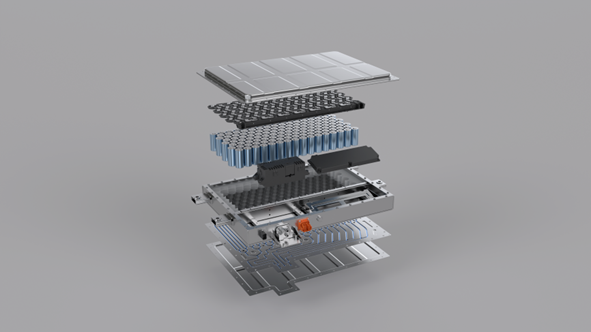
GAC's system uses what it describes as the industry's first 5.4kWh high-rate safety battery for this category. That allows extended use of air-conditioning, seat massage and entertainment functions without starting the engine. It also supports 2.2kW internal and external power discharge, a light sentry function and background OTA updates after the vehicle is locked.
In frequent urban scenarios such as commuting and traffic-light starts, the motor can drive the vehicle directly. The system supports up to 17km of pure-electric range. GAC says fuel consumption is 14% lower than its previous-generation hybrid and more than 40% lower than a traditional petrol vehicle, allowing a 2.1-tonne B-segment MPV to enter the low-3-litre range.
Xingling Architecture and the Chip Push
GAC describes the electronic and electrical architecture as the nervous system of the car. Xingling Architecture 4.0 is built around an AI digital brain, a low-latency network and flexible computing nodes.
A 3nm flagship chip lifts total intelligent-vehicle performance by 40% compared with the previous generation. For the first time, GAC says it has integrated six domains into one computing centre: intelligent driving, smart cabin, powertrain, chassis, body and vehicle connectivity.
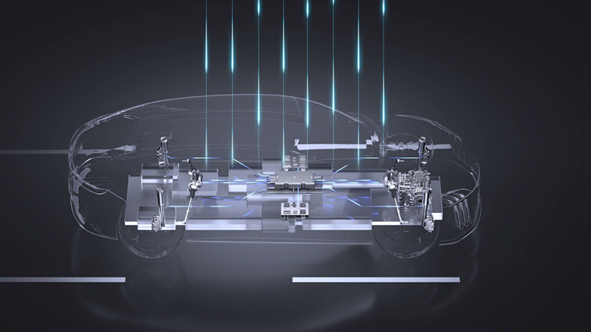
The fast network uses deterministic low-latency communication technology, increasing bandwidth fivefold and cutting cross-system response time to 2 milliseconds. For users, one visible outcome is faster software updating: GAC says OTA upgrade time has fallen from 30 minutes to 8 minutes.
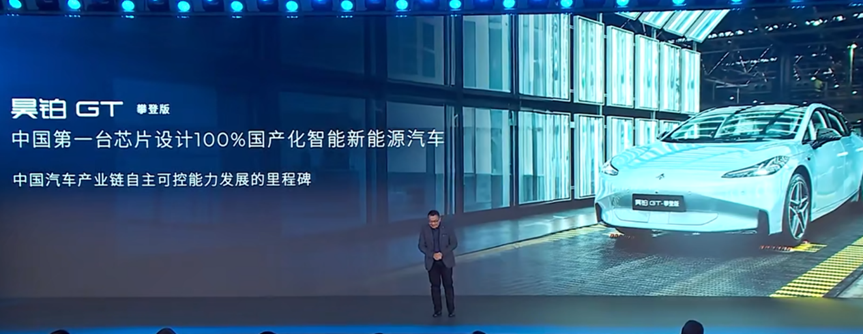
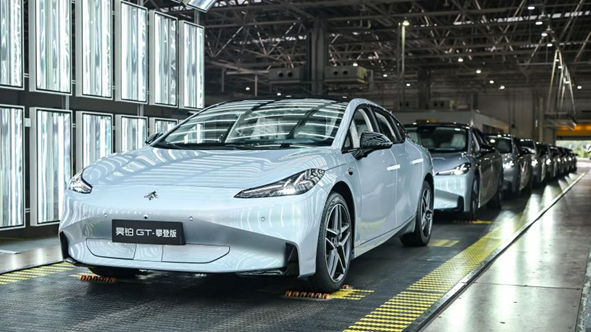
Chip supply has become a strategic issue for China's car industry, from the shortages of 2020 to today's demand for AI computing. GAC says it is working with 105 ecosystem partners to co-develop nearly 400 chips. The Hyper GT Climbing Edition, described by GAC as the first intelligent new-energy vehicle with fully domestic chip design, is positioned as a milestone in supply-chain self-reliance.
Xinghe Cabin Moves Toward Proactive Assistance
GAC's smart-cabin answer is the ADiGO Intelligence end-cloud integrated architecture. Its key elements are a multimodal perception engine and a memory-based multi-agent collaboration engine.
End-to-end response latency is under 1.6 seconds, and in-cabin target recognition accuracy exceeds 95%. GAC says all data is processed inside the vehicle rather than uploaded to the cloud, improving speed, accuracy and privacy.
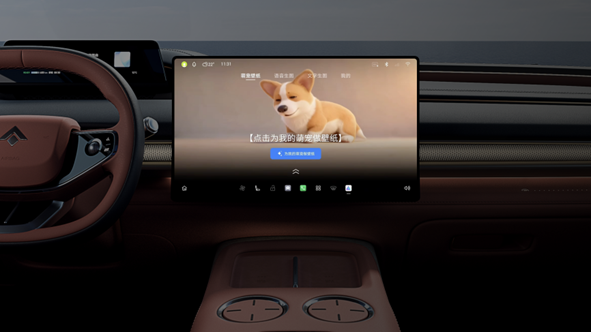
The cabin is meant to move beyond a command-and-response interface. It should remember user habits, anticipate needs and offer services proactively. GAC is also using ADiGO SOUND 2.0 and a partnership with Xinghai Concert Hall to make the cabin feel more emotional as well as more technical.
From Catch-Up to Definition
GAC's 2026 Technology Day was less a single product announcement than a statement of engineering philosophy. The company wants technology to address full-scenario user needs rather than ask users to adapt to technical limits.
The Starship body attacks the old divide between off-road strength and daily comfort. Xingyuan power tries to bring efficiency, performance and familiar use patterns together. Xingling architecture and the chip ecosystem support a more independent base for Chinese intelligent vehicles. Xinghe cabin turns the interior from a tool into a more responsive companion.
The larger point is that full-stack in-house development is becoming more than a slogan. GAC began hybrid research in 2006 and has spent two decades building the foundations behind the technologies now being shown. Its latest pitch is that Chinese carmakers are moving from catching up with established global systems to defining new combinations of body engineering, energy management and vehicle intelligence.