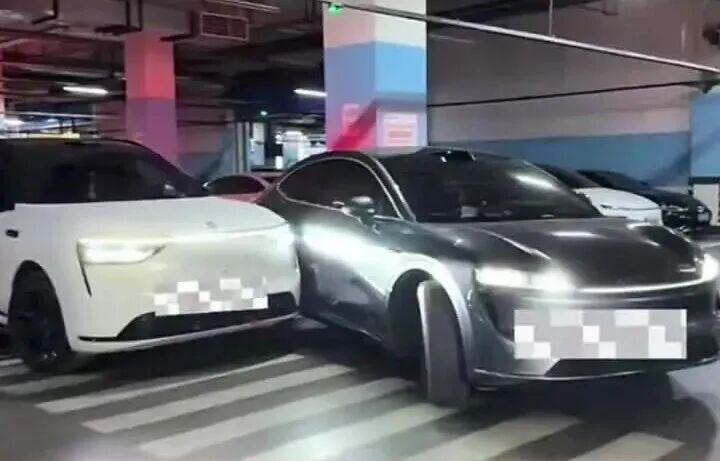
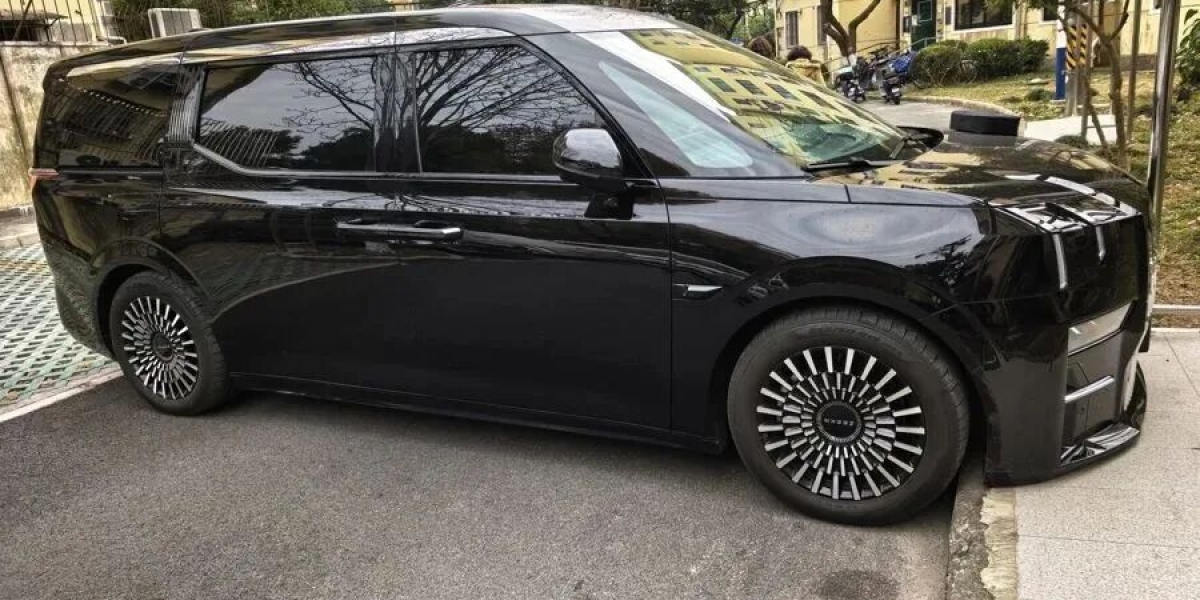
A recent incident involving a parked Zeekr 009 in a residential area in Shanghai has drawn attention to smart-car safety and remote parking functions.
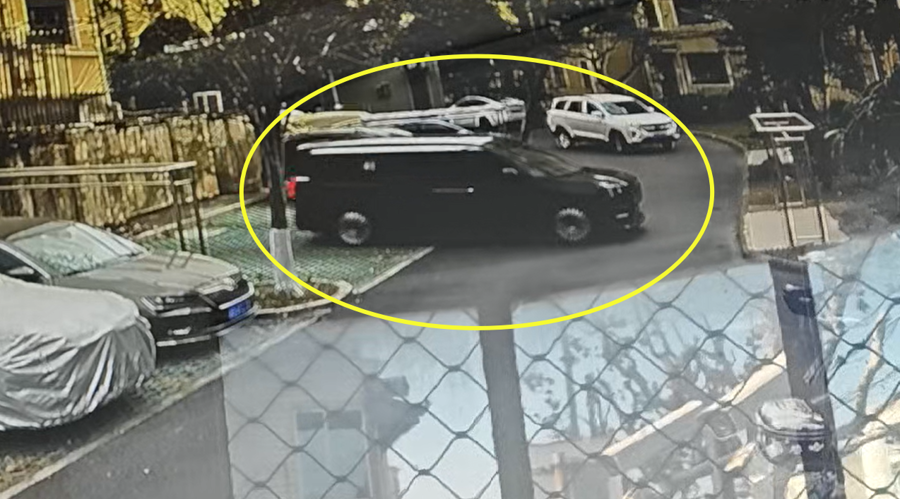
A disputed vehicle movement
The vehicle reportedly moved while parked and then collided, raising public concern over whether the car had started by itself.
The article argues that the cause should not be judged before vehicle data is reviewed. One detail from the scene was that the vehicle's lights were flashing while it moved, which may suggest that it had received some form of control command. Whether the owner performed any operation would need to be checked against backend operation records.
The article raises the possibility that an app command may have been triggered accidentally or twice in succession, causing delayed function activation. It also cites an earlier Xiaomi SU7 dispute in which backend data reportedly showed that the owner had accidentally triggered a remote-control function.
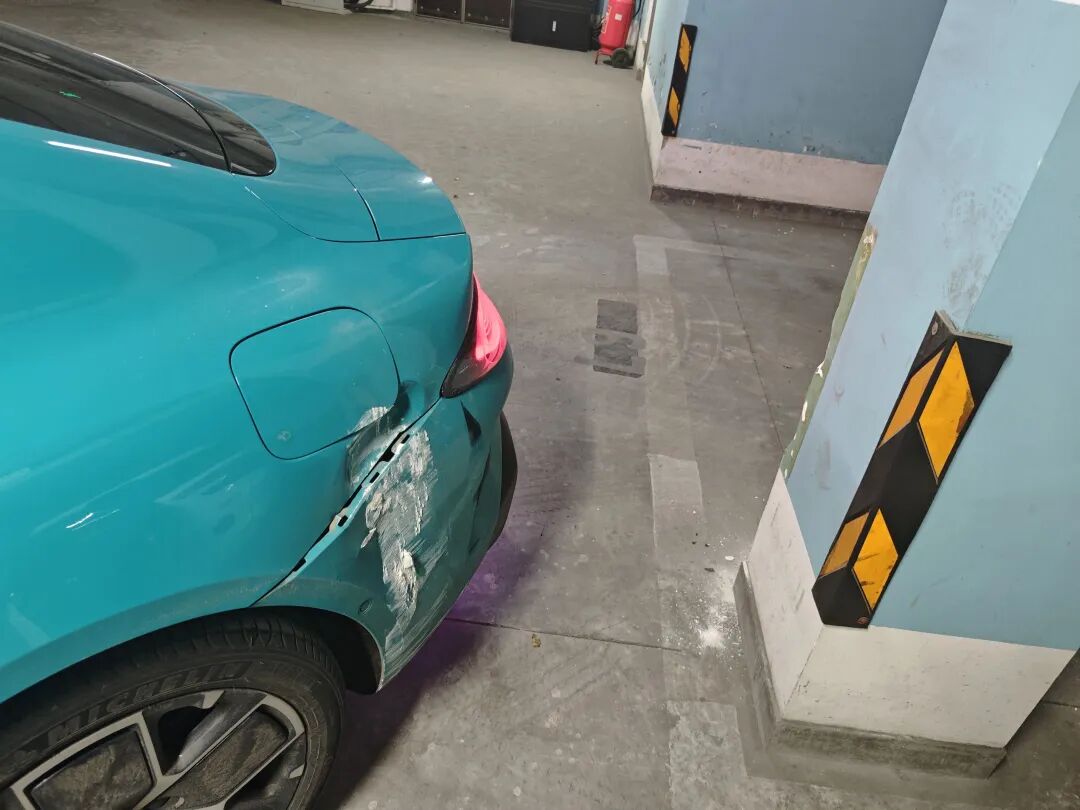
The road environment matters
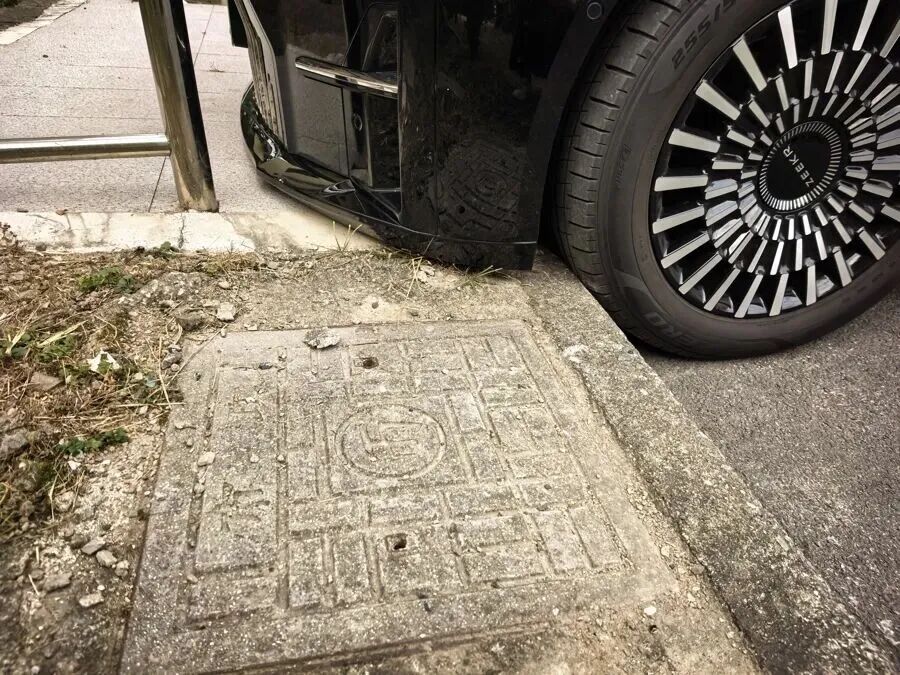
Photographs from the scene reportedly showed that the vehicle was not on a completely flat road but on a slope. That matters because remote straight-in and straight-out parking functions are usually designed for controlled scenarios and may have restrictions on gradients.
The article says the Zeekr 009 user manual warns against using RSPA remote straight-in and straight-out parking on sloped roads because gradients can increase braking and control difficulty, potentially causing function failure, rolling or collision risk.
Similar disputes have appeared with other brands. The article cites a case in Linyi, Shandong, where owners of a Huawei Harmony Intelligent Mobility Aito M8 and Luxeed R7 both used mobile "parking valet" functions in a shopping-centre car park and the two vehicles collided. It also mentions earlier disputes involving Tesla, Xpeng and Nio remote or automated parking functions that were later attributed to improper operation, slope use, sensor blind spots or accidental app activation.
Assistance is not autonomy
The broader lesson is that remote parking remains an assistance function, not a fully autonomous substitute for user judgement. Industry standards for semi-automatic parking systems require driver supervision and continuous authorisation even when remote operation is supported.
The Zeekr manual, as described in the article, stresses that RSPA is an auxiliary function. Users must keep the vehicle within sight, must not use the feature as a replacement for observing traffic conditions, and must release forward or reverse controls if a person, vehicle or obstacle enters the path.
As smart-car features become more common, disputes over use and responsibility are likely to increase. Automakers need clearer user guidance, better interface safeguards and transparent data review. Consumers need to treat remote parking and assisted-driving features as convenience tools that still require active supervision.