China's February auto market was expected to be difficult after the long Spring Festival holiday and demand pulled forward by trade-in policy in January.
A Strong Month in a Weak Market
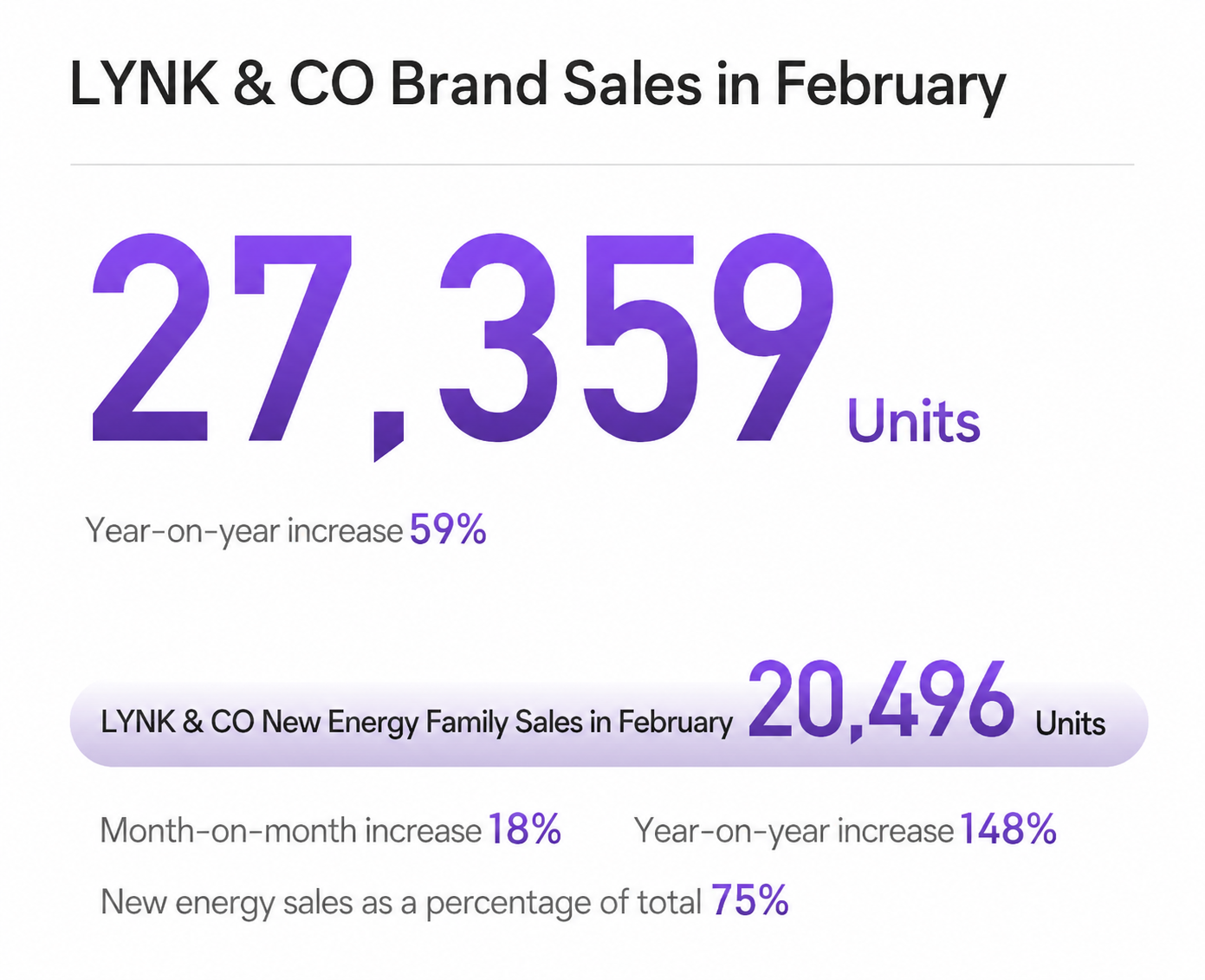
Lynk & Co moved against that backdrop. The brand sold 27,359 vehicles in February, up 59% year on year.
New-energy vehicles accounted for 20,496 units, up 148%, raising the NEV share of Lynk & Co's sales to 75%. Inside Geely, where new-energy penetration has exceeded 57%, Lynk & Co has become one of the group's most important value signals.
The question is not only whether Lynk & Co had a strong month. It is whether the brand's performance shows that Geely's long-running effort to move upmarket is beginning to gain credibility.
Empowered, But Not Subordinate
Many Chinese automakers have created sub-brands quickly, only to find that the group becomes less efficient and the new labels fail to feed value back into the parent company. Geely's relationship with Lynk & Co has been different.
Geely has empowered Lynk & Co without turning it into a simple subsidiary badge. Lynk & Co began as a niche brand, using the relationship between Geely and Volvo to target younger buyers who wanted something more individual. That identity gave it visibility, but personality alone was not enough to build mainstream recognition.
Geely's later system support solved part of the problem. After Zeekr and Lynk & Co were combined at the end of 2024 and folded more closely into the Geely system in 2025, some observers saw centralisation. In practice, Geely has tried to share technology and channels while keeping brand positioning distinct.
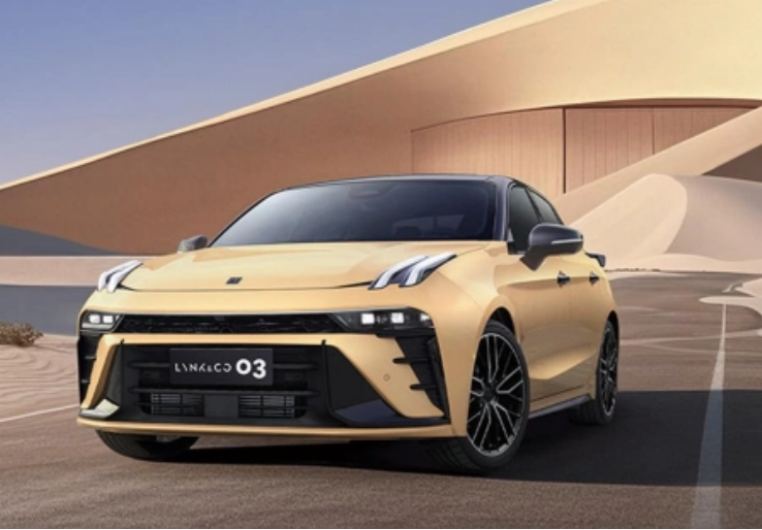
Lynk & Co has also adapted the resources it receives rather than simply copying them. Zeekr's Qianli Haohan assisted-driving system has been passed down to Lynk & Co, but the brand has tuned it more toward family use. Platformed electric-drive systems have lowered costs, but Lynk & Co has not turned that into a pure price war. It has used savings to add equipment and protect a clearer value proposition.
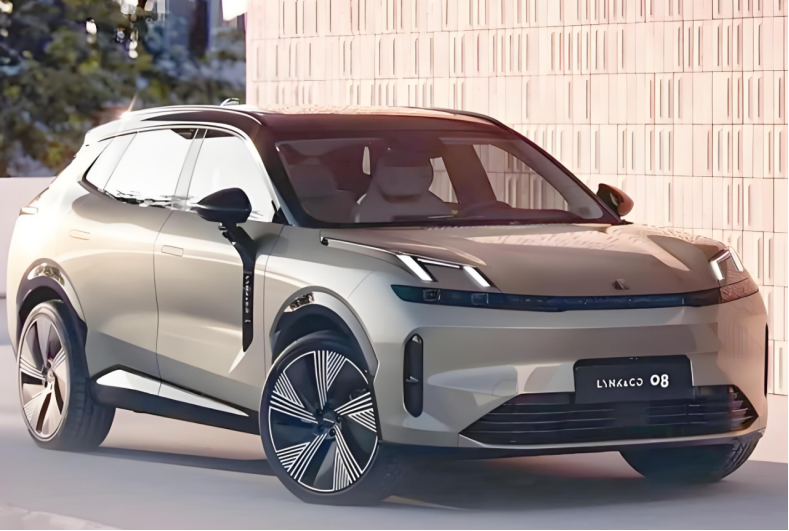
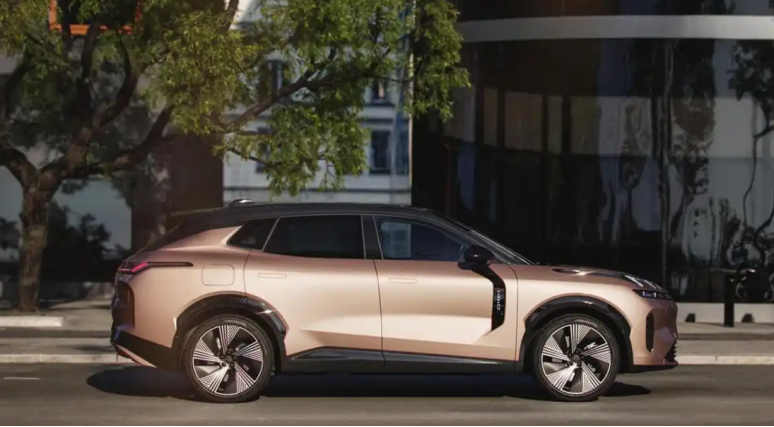
The Lynk & Co 08 EM-P, positioned around the $28,000 level, offers lidar and highway NOA, helping it stand apart from direct rivals. That differentiation comes partly from Geely's system, but also from Lynk & Co's own product interpretation.
The brand uses Geely's research, manufacturing and channel resources without becoming a rebadged premium Geely. That independence is the foundation of its current sales momentum.
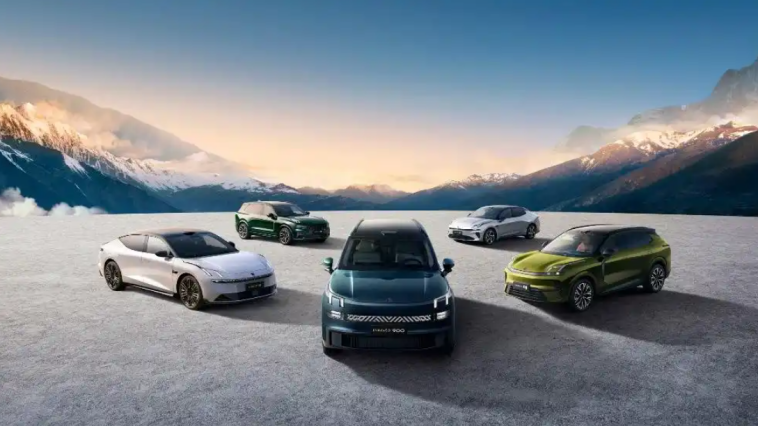
A Different Upmarket Route
Geely's brand-value strategy differs from a common industry pattern. Many carmakers try to move upmarket by changing badges, adding equipment and raising prices, or by imitating foreign luxury brands. Geely has taken a more structural approach.
From the start, Lynk & Co was not positioned simply as Geely's high-end brand. It was created by Geely Auto, Geely Holding and Volvo, with its own value proposition. That was important because Geely's earlier market image was strongly associated with affordability. If Lynk & Co had been tied too closely to that image, it would have carried the same price expectations.
Lynk & Co has kept its individual design identity, but deepened it with product, technology and service. Its Co customer community, including owner events and interest-based co-creation, gives the brand a user relationship beyond basic transaction marketing.
Geely's broader role has been to change the value rules. In the past, foreign brands could command high prices because they controlled core technology. Geely has spent heavily on research and developed technologies such as EM-P hybrid systems and Qianli Haohan assisted driving, which can be used across Lynk & Co, Galaxy and Zeekr.
That scale reduces research cost and weakens the old logic that advanced technology must mean high foreign-brand pricing. Lynk & Co's success is partly built on making higher-end value more accessible.
Globalisation Starts in Mature Markets
Lynk & Co's global route also differs from many Chinese brands. Rather than starting only in lower-pressure markets, it has aimed directly at Europe and the Middle East.
The Lynk & Co 08 EM-P has become a high-value plug-in hybrid in Europe with WLTP pure-electric range above 200km. Its recognition abroad is supported by real technology, not only price.
That strategy reflects Geely's willingness to test brand value in demanding markets early. If Lynk & Co can compete there, it strengthens the case that Chinese brands can move beyond cost advantage.
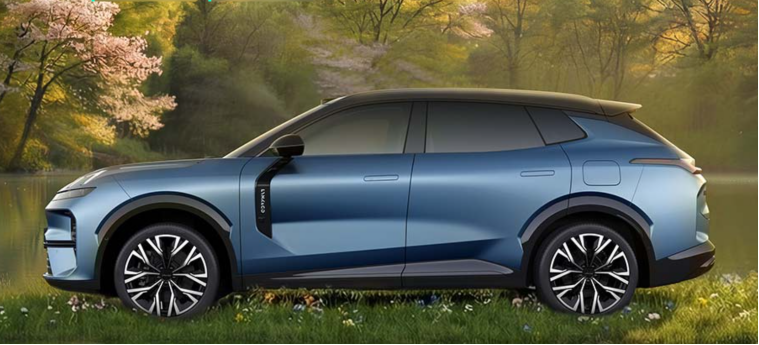
Progress, Not Completion
Lynk & Co's February performance is an important sign of Geely's brand-value progress, but it is not final proof of success. Chinese brands still face two hard barriers: independent brand recognition and lasting technical differentiation.
Many buyers may still associate Lynk & Co's credibility with Geely's system strength or Volvo's technical backing. Overseas users may recognise Volvo-related engineering more easily than Lynk & Co's own value story. That does not diminish the sales result, but it shows that the brand still has work to do before it fully escapes the shadow of its supporters.
The same applies to technology. Geely's support gives Lynk & Co speed and scale, but it can also create sameness. If Galaxy, Zeekr and Lynk & Co all draw from the same technology pool, Lynk & Co must continue to build second-stage innovation and a clearer brand-specific moat.
The February surge shows that the hardest part of Geely's value reset may be behind it. The next test is whether Lynk & Co can convert system support into a distinctive identity that remains strong even when the underlying technology is widely shared across the group.