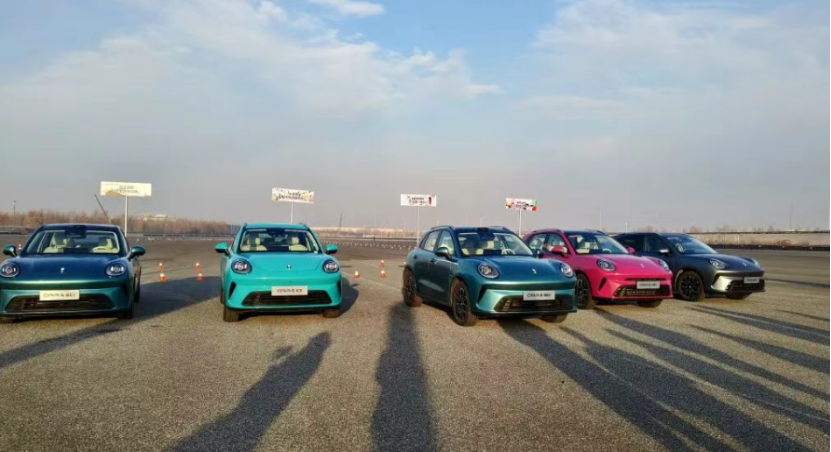
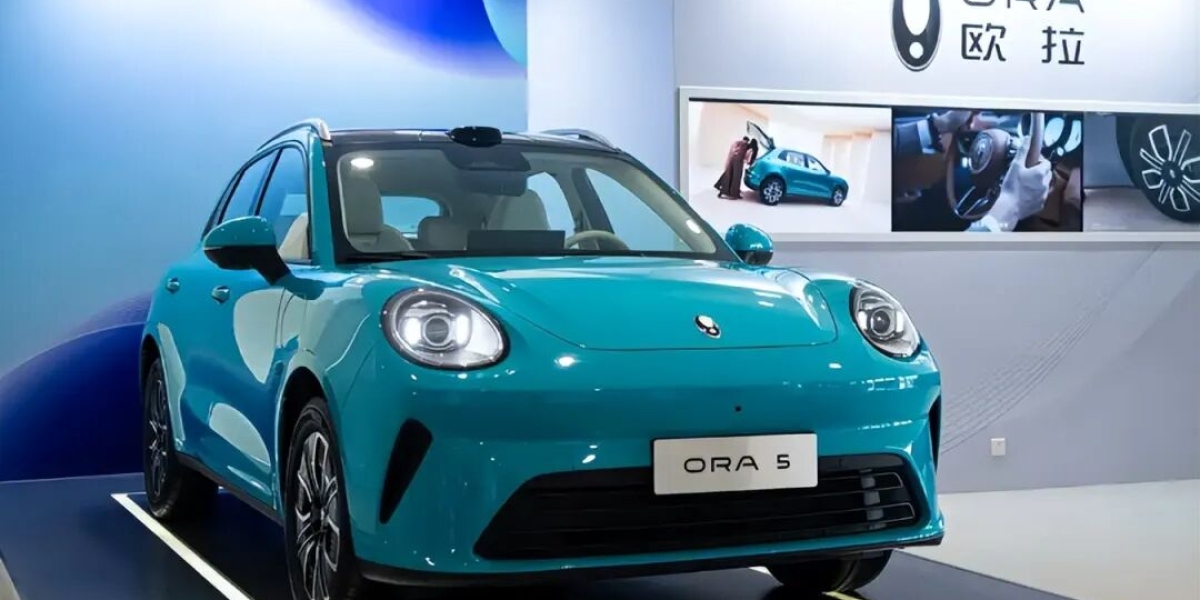
Great Wall Motor has brought Ora back into the spotlight with the Ora 5, a new electric model priced from about $13,000.
A brand returns after four quiet years
Chairman Wei Jianjun has personally promoted the car, using recent public remarks to criticise over-marketed technologies such as hidden door handles and integrated die casting while arguing that Great Wall must not be driven off course by capital-market pressure.
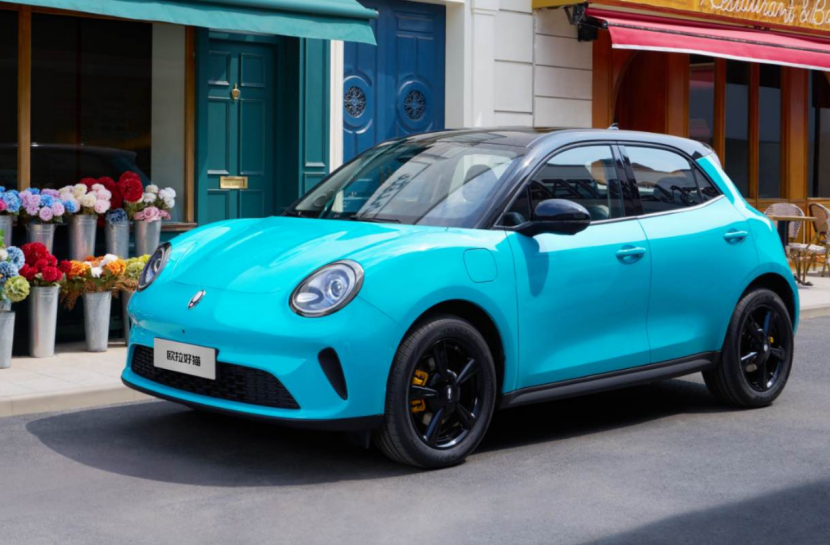
The timing was deliberate. The Ora 5 launch returned attention to a brand that had been quiet for several years and signalled a strategic shift. Ora appears to be moving away from the women-focused positioning that once defined it and toward a broader mainstream consumer base.
The question is whether that reset can work. The market Ora once helped shape is now dominated by stronger rivals such as the BYD Seagull, Wuling Bingo and Geely Xingyuan. Giving up a clear niche and re-entering a crowded mainstream segment is a difficult gamble.
How Ora first succeeded
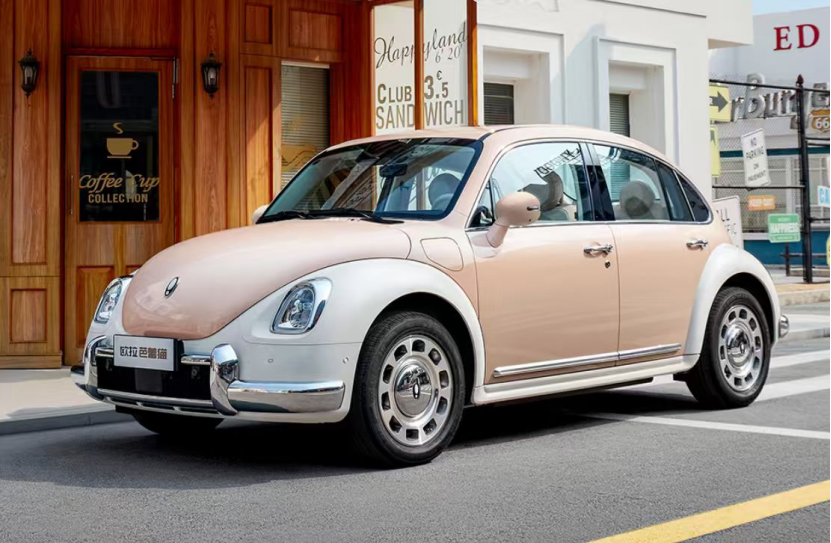
Ora's original women-focused strategy was sharp for its time. In 2018, female car ownership was rising in China, but few vehicles were designed explicitly around those buyers' needs. Most new-energy brands were focused on either low-price value or premium positioning.
Ora used the Black Cat's rounded retro design, pastel colours, small and light steering wheel, soft seats, practical storage spaces and illuminated vanity mirrors to build a distinctive identity. Marketing partnerships with beauty brands, celebrity endorsements and owner salons reinforced the message.
The strategy worked. In 2021, Ora sold 135,000 vehicles, up 140 per cent, with the Black Cat and White Cat contributing more than 80 per cent. At one point, the brand looked like a credible challenger to the Wuling Hongguang Mini EV in the urban micro-EV market.
Then the economics changed. New-energy subsidies declined, lithium carbonate prices surged and chip shortages added pressure. The Black Cat sold 63,000 units in 2021, but the company said the model was losing several hundred to more than $1,000 per vehicle. Ora stopped taking orders for the Black Cat and White Cat, ending the models that had built its recognition.
Why Ora needs the new car
Great Wall now needs Ora to contribute again. The company has several brands, but overall growth has not matched the intensity of China's EV competition. Wei's direct support for Ora 5 suggests the brand is being pulled back into the group's volume strategy.
The small-EV market has changed dramatically during Ora's absence. BYD Seagull held monthly sales above 30,000 in 2024, while Geely Xingyuan reached as high as 50,000 in a single month in 2025. The segment has not disappeared. It has simply become more demanding.
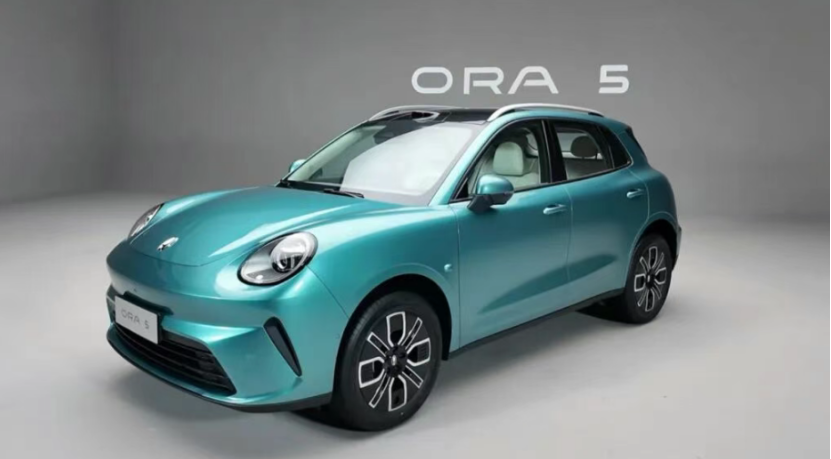
Ora 5 responds with a more neutral design language, a roughly $14,000 to $21,000 price band, Great Wall's latest electric platform, improved range and stronger intelligent features. The changes broaden the car's target audience and move it away from the old gender-specific label.
There are reasons for cautious optimism. Ora has a new general manager, Lu Wenbin, who brings technical and marketing experience. The model's pricing and product positioning appear more aligned with today's market than the old micro-EV formula.
The channel reset is just as important
The product is only one part of the turnaround. Ora has been rebuilding channels since September, recruiting independent dealers in more than 20 provinces and cities including Beijing and Hebei, while focusing on southern markets such as Jiangsu, Guangzhou, Guangxi and Sichuan.
Great Wall also plans to add experience stores in areas with dense target users, increasing direct interaction with consumers. That is important because the brand's previous network had largely been absorbed into Haval channels.
The channel work still carries uncertainty. The Ora app has not been relaunched as an independent platform, and Ora has been merged into the broader Great Wall app. For consumers and dealers already watching the brand's restart carefully, that may weaken the sense of a clean relaunch.
Ora 5 has sincerity in product and pricing, but it must overcome four years of absence. Wuling, BYD, Geely, Changan and newer rivals such as Leapmotor have already built strong positions. Buyers may not immediately choose an uncertain comeback brand unless the product, service and channel experience are convincing.
A high-stakes pivot
Ora's move away from a women-only label has both upside and risk. It opens the brand to a larger market, but it also removes the distinct positioning that once made Ora memorable.
The Ora 5 can help Great Wall regain relevance in pure electric cars if the company supports it with consistent marketing, reliable service and a clear channel strategy. If the model underperforms, the brand's revival will become much harder.
China's small-EV market still has demand, but it now rewards complete execution rather than novelty. Ora 5 is Great Wall's chance to prove that the brand can return with a broader identity and a stronger product system.