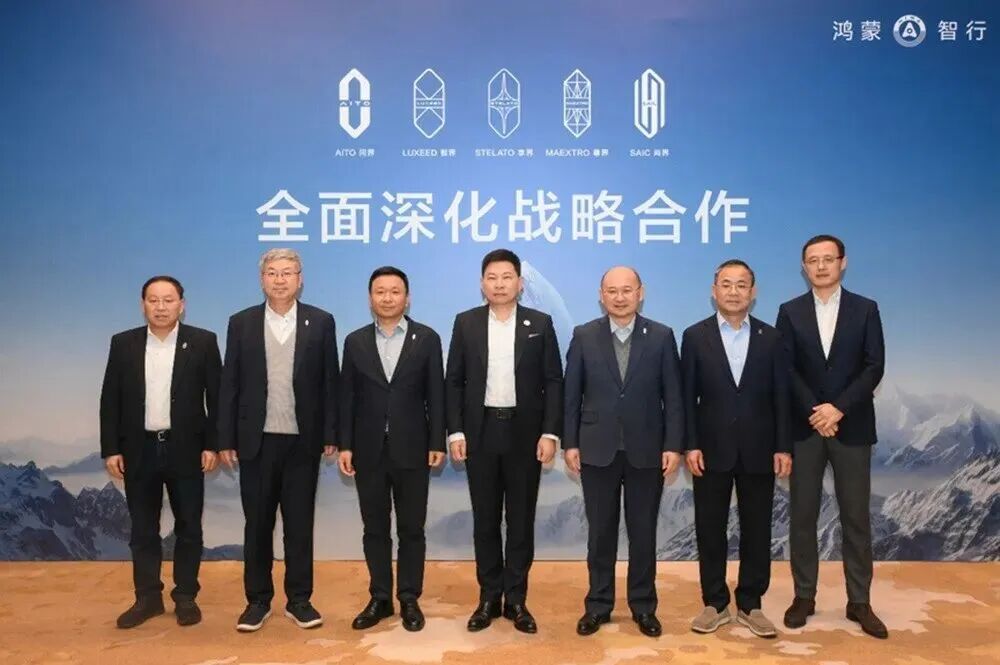
A photo of the leaders of Seres, Chery, BAIC, JAC and SAIC standing alongside Huawei executives Yu Chengdong and Wang Yanmin became a signal event for China's smart-car industry.
A symbolic gathering
It showed that Harmony Intelligent Mobility is moving from individual model success toward a more coordinated ecosystem strategy.
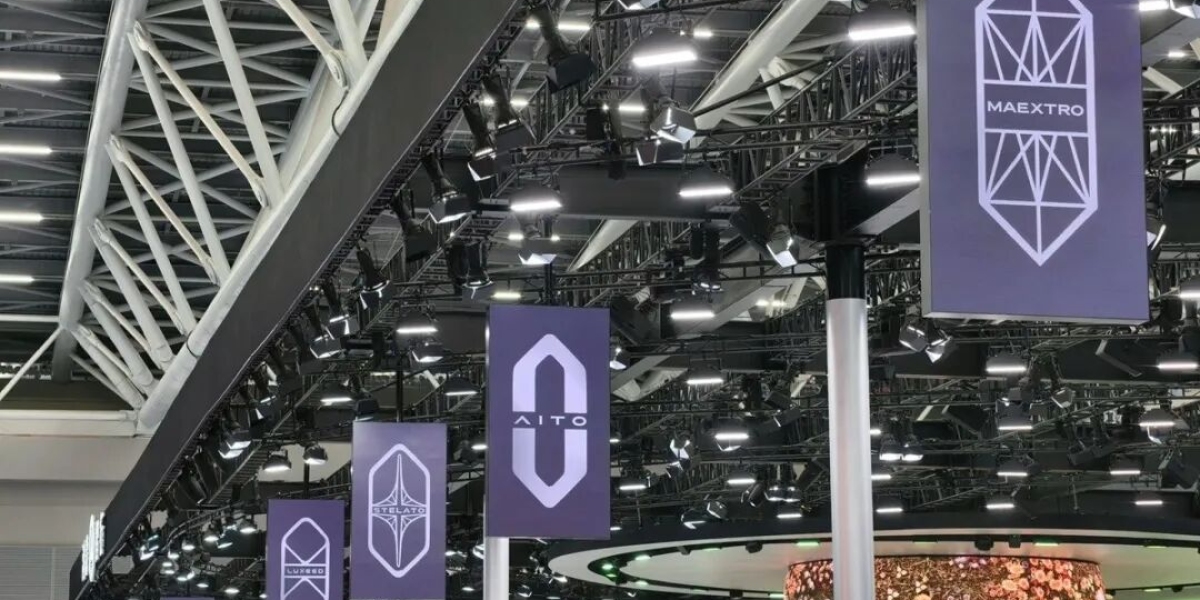
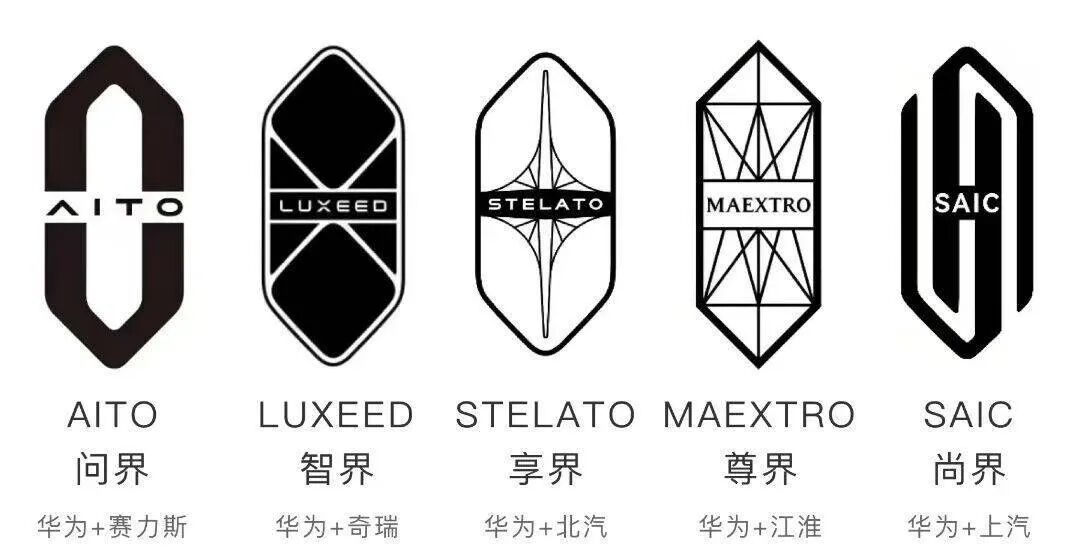
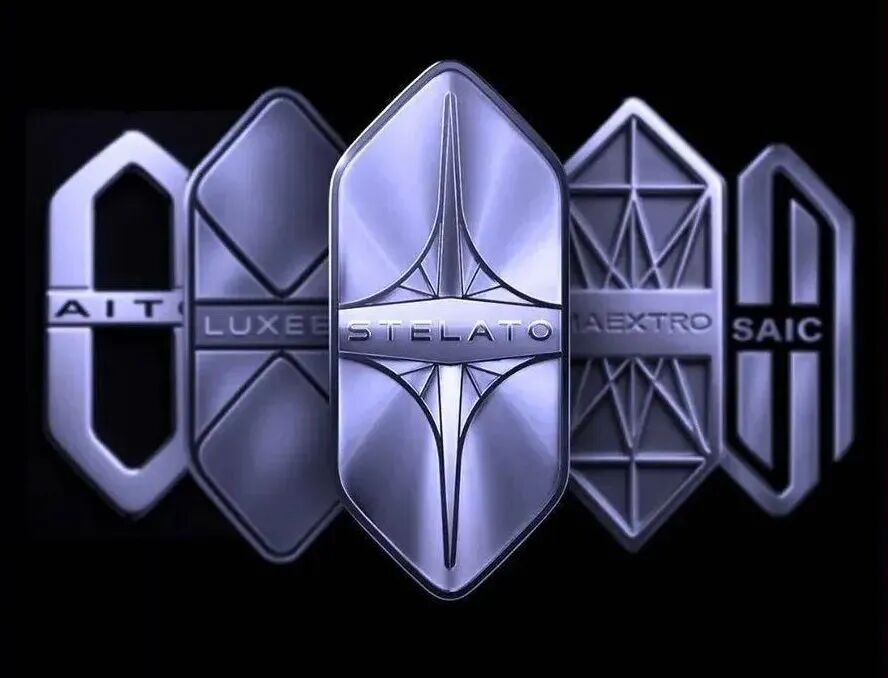
On December 8, Yu and the heads of the five automakers announced that Aito, Luxeed, Stelato, Maextro and Shangjie would deepen strategic cooperation around unified standards and shared resources. Huawei also said the alliance would launch at least 11 new models in 2026 to complete its product matrix.
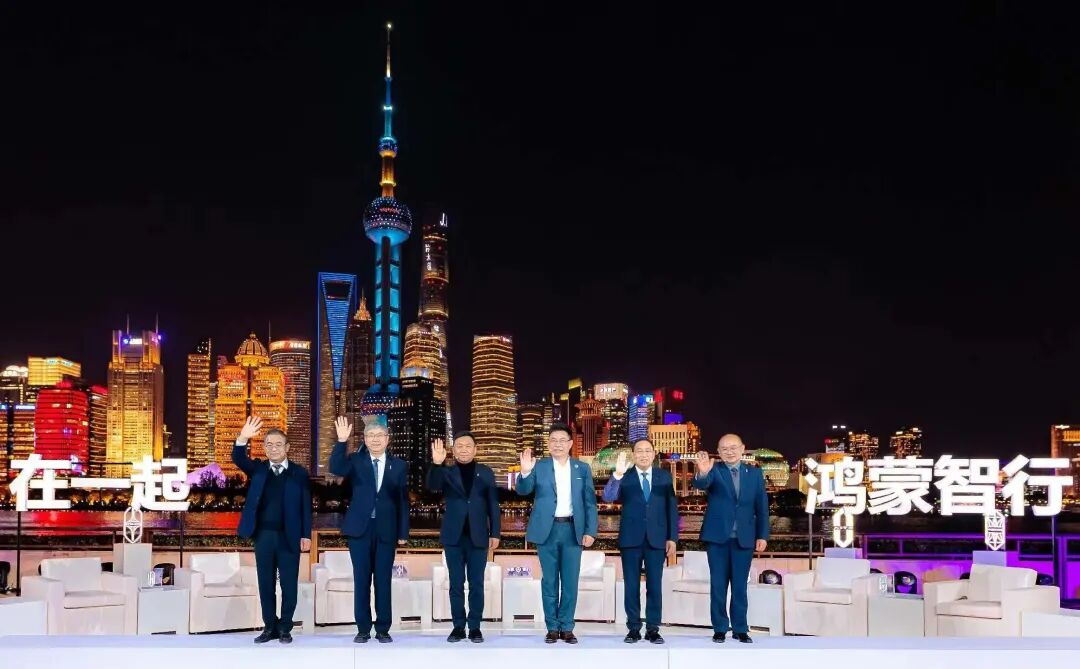
The move marks a shift in Huawei's role. It is no longer only a supplier of HarmonyOS cockpits or Huawei ADS. It is becoming an organiser and standard setter across a multi-brand intelligent-vehicle ecosystem.
Sales momentum across brands
Harmony Intelligent Mobility delivered 81,864 vehicles in November 2025, up 89.61 per cent year on year and a new monthly record, according to the article. The five brands did not simply overlap. They showed a more segmented pattern of growth.
Aito remained the core pillar, delivering 51,706 vehicles and accounting for more than 60 per cent of total alliance volume. The Aito M7 delivered 25,264 units, while the M8 sold 16,284. Together, the two models made up about 80 per cent of Aito's sales.
Luxeed delivered more than 10,000 units for two consecutive months, with its core models contributing most of the volume. Shangjie also moved quickly. Its first model, the H5, exceeded 10,000 deliveries within 43 days, and Yu said during a December 9 annual livestream that cumulative H5 deliveries had passed 20,000.
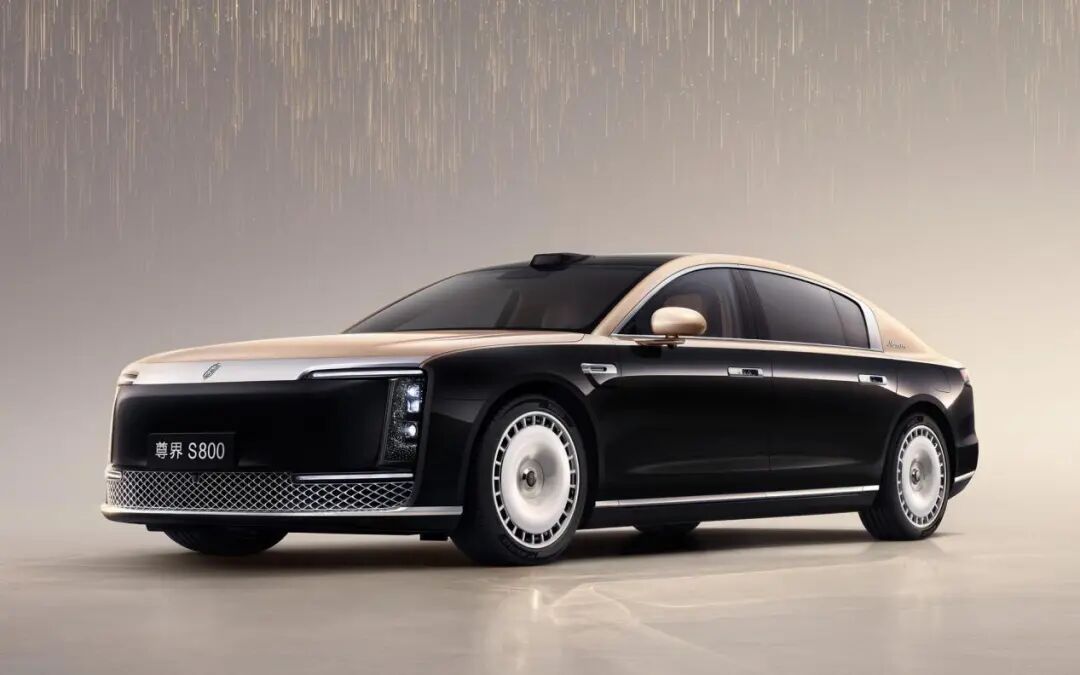
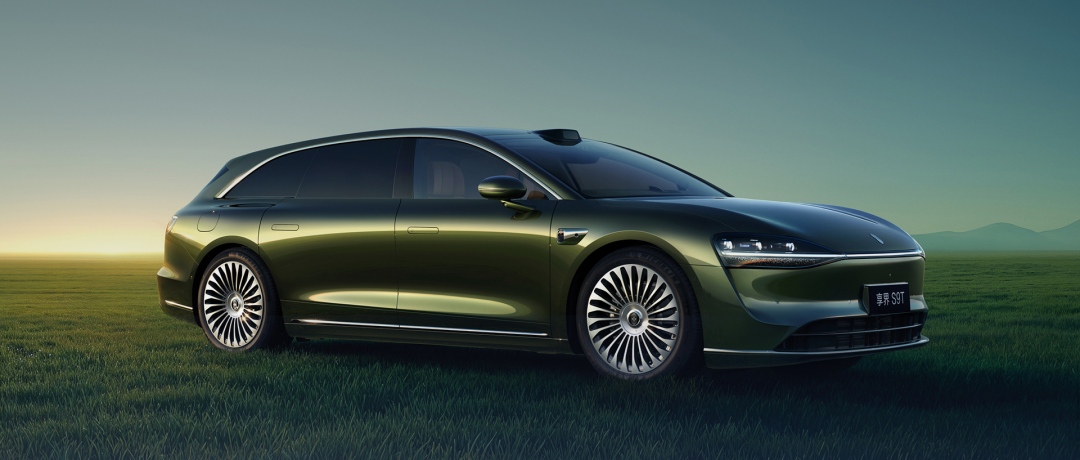
Stelato is still climbing, but the S9T received more than 30,000 firm orders within 66 days of launch, while the updated S9 received more than 2,000 firm orders within two hours of the livestream. Maextro is not a volume brand, but it has led China's luxury-car sales above roughly $99,000 for three consecutive months, according to the article.
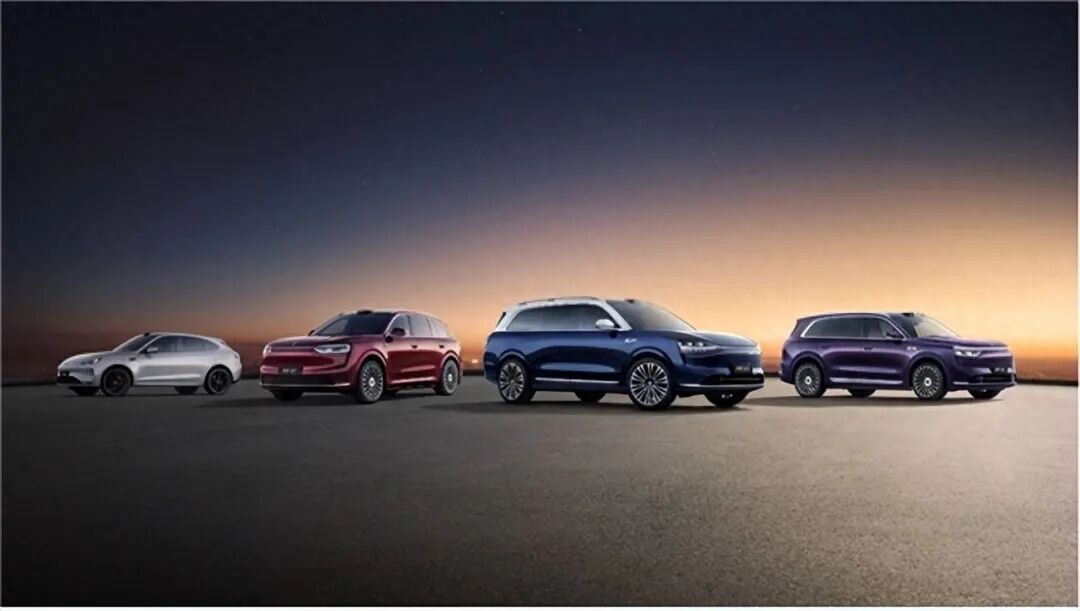
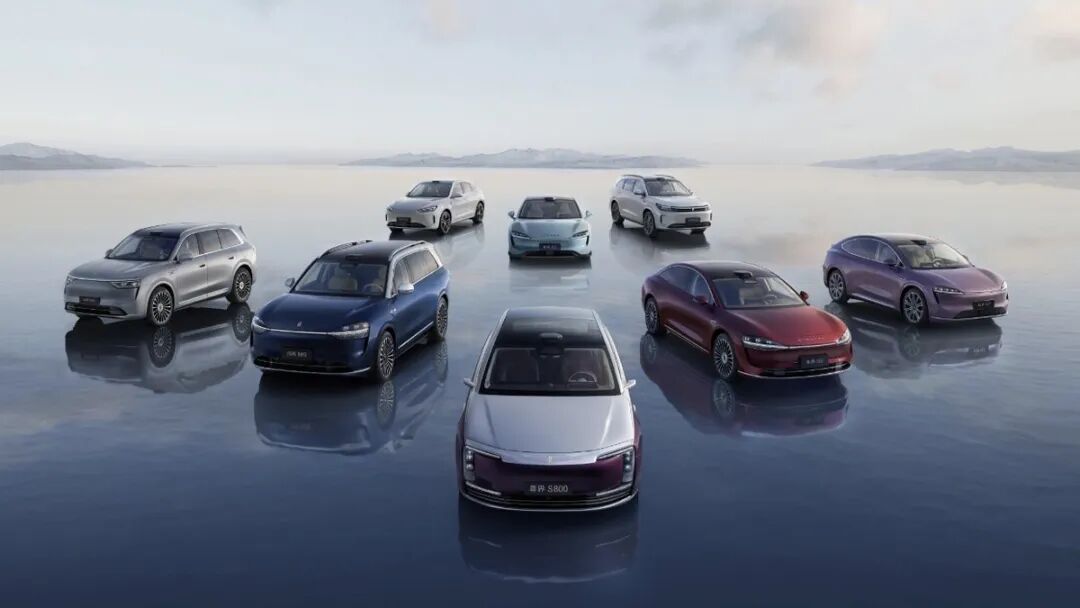
The result is a product system spanning mainstream family vehicles from around $21,000 to ultra-luxury products above about $99,000, including SUVs, MPVs, wagons and technology flagships.
Standardisation as the hidden advantage
The alliance's product growth is supported by deeper technology and service coordination. Huawei is pushing standardised cockpit interaction, advanced driving algorithms, vehicle-cloud interfaces and unified quality-control processes.
Industry estimates cited in the article suggest that a single brand's annual development cost for an intelligent system can reach about $282 million to $423 million. Sharing standards across the alliance could reduce each brand's investment by about 40 per cent while avoiding incompatibility between separately developed systems.
For users, the benefit is consistency. The Shangjie H5 and Aito M7, among the first models to apply the shared approach, reportedly have more than 90 per cent consistency in Harmony cockpit operation logic. That reduces friction for buyers moving between different alliance brands.
Charging and service become shared assets
The alliance is also building shared service and charging resources. Its stated goal is to reduce charging difficulty and inconsistent after-sales experience across brands.
Huawei plans to start building Harmony Intelligent Mobility supercharging stations in 2025 and integrate existing charging resources from the five brands. By the end of 2026, the target is a three-kilometre charging circle in 15 core cities including Beijing, Shanghai, Guangzhou and Shenzhen.
Cross-brand after-sales centres are also being tested. In theory, owners of different alliance brands can receive standardised maintenance at the same service location. The article says this could reduce waiting time to 60 per cent of the industry average.
Execution is uneven. First-tier city pilots have already reached about 80 per cent cross-brand service coverage, while many third- and fourth-tier cities still rely on single-brand after-sales because of limits in store numbers, training and parts supply.
The cooperation also has boundaries. Chery chairman Yin Tongyue joked that five brands are enough for a basketball team and should not become a football team. The comment reflects a real concern: automakers want Huawei's technology endorsement but also need to protect their own brand identities.
A major product offensive in 2026
Huawei is positioning 2026 as a year of ecosystem deepening. Yu said the alliance took 43 months to deliver its first 1 million vehicles, and that the next 1 million could take only about 10 months.
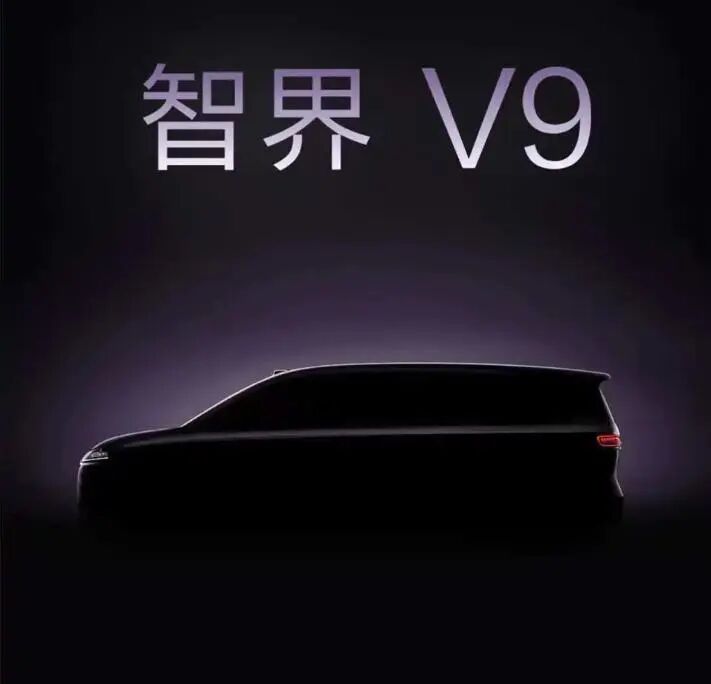
Aito will continue to defend the family SUV market by updating the M5, M7, M8 and M9 and adding the M6 between the M5 and M7. Luxeed is moving into higher-end segments, with the V9 flagship MPV expected in spring 2026 and a performance SUV planned for the second half.
Shangjie will launch at least two new models, including a higher-positioned coupe sedan above the H5 aimed at the mid-to-high-end market dominated by mainstream joint ventures. Stelato will move into the off-road SUV segment and is expected to launch three models covering SUVs and MPVs. Maextro will expand its ultra-luxury line-up across sedans, MPVs and SUVs.
Including upgrades to the existing 10 models, Harmony Intelligent Mobility could bring 21 products to market in 2026, according to the article.
The balance between scale and coherence
Huawei assembled the five-brand group in less than three years, and the ecosystem is still expanding. Its auto business also has a separate "Jing" track with partners such as GAC and Dongfeng, making cooperation and coordination even more complex.
The strategic challenge is no longer whether Huawei can attract partners. It is whether the ecosystem can grow without confusing buyers, overloading resources or making brands too similar.
If Huawei and its partners can keep brand positioning clear while sharing technology, service and charging systems, the alliance could change China's smart-car competition from a zero-sum model-by-model fight into a platform-based ecosystem race.