
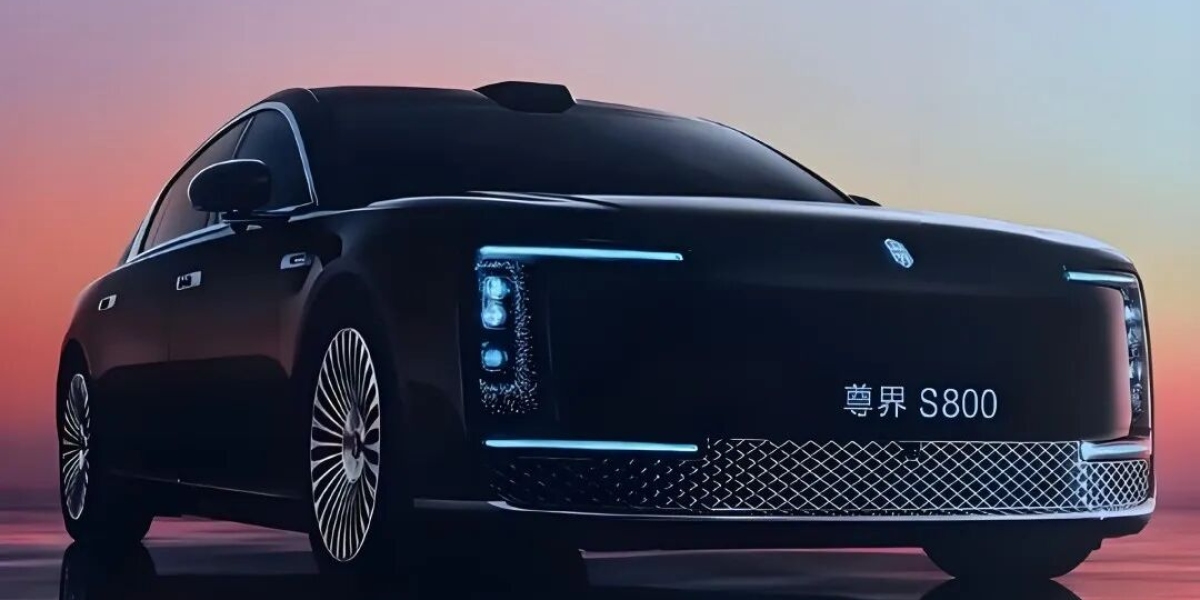
JAC's ultra-luxury push with Maextro has already defied some early scepticism.
From single model to product offensive
The Huawei-backed brand has entered a difficult price band and, according to the article, sold close to 2,000 vehicles in both September and October, making it a leading name in China's market above about $97,000.
That success has given JAC a rare foothold in the high end. It has also created a new risk. A brand built around one model can win attention quickly, but it remains exposed if that single product loses momentum.
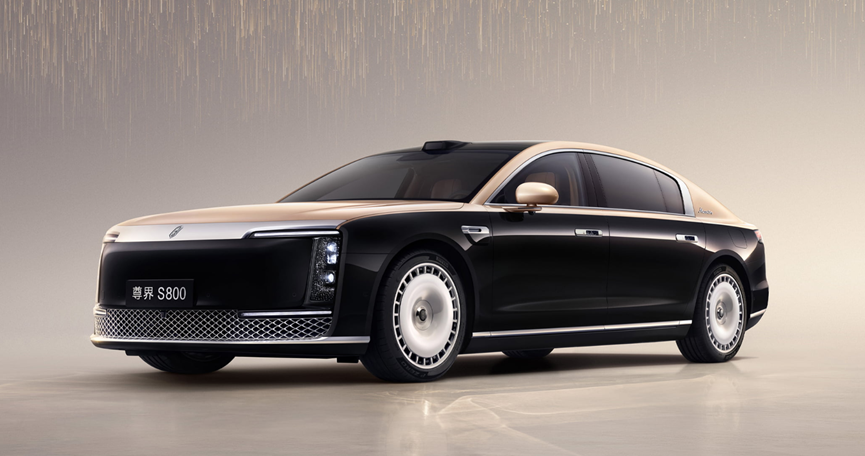
JAC now appears ready to move Maextro from solo flagship to a broader model line. The brand is expected to launch SUV and MPV products in 2026, each with standard- and long-wheelbase versions, while the S800 is also set to gain a customised high-end variant. Including the existing S800, the line-up could expand to six models.
The strategy is bold because it asks a young luxury brand to behave like an established marque. It is also understandable. JAC needs growth, stronger brand equity and a more credible position in China's new-energy transition. Maextro is its sharpest instrument.
Why JAC cannot move slowly
China's auto market is pressing JAC from several sides. Domestic leaders such as BYD are taking share with strong electric-drive and battery technology. Joint-venture brands are localising new-energy models more quickly. New entrants have used intelligent features, marketing and direct customer service to attract premium buyers.
JAC's own record in new energy has been less commanding. It has not built the same technology reserves as market leaders, and its presence in entry-level and mainstream mid-market segments has weakened. Sales growth has slowed, while key models have lost visibility at the retail level.
Maextro's link with Huawei gave JAC a way into a higher-value part of the market. Yet the segment is crowded. Mercedes-Benz S-Class and Maybach models, the BMW i7 and Porsche Panamera all bring deep brand history and mature service networks. Chinese premium EV challengers have also carved out positions through software, intelligence and differentiated use cases.
In that environment, one or two successful models are unlikely to transform JAC on their own. A broader Maextro portfolio could allow the company to cover more body styles, reach more user groups and reduce dependence on one flagship sedan.
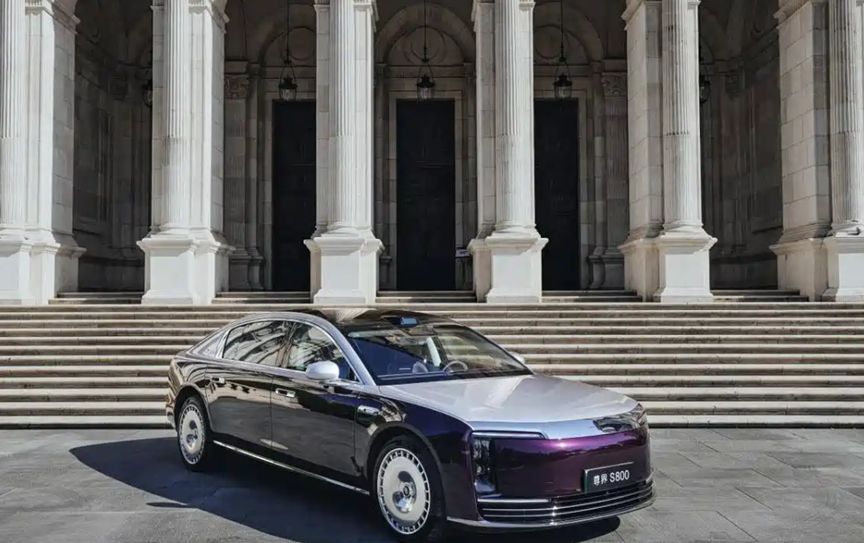
The attraction of a broader range
The commercial logic is clear. Ultra-luxury vehicles rarely sell in huge monthly volumes, but they carry high margins, lift brand perception and can give a company strategic visibility beyond raw unit sales.
The Maextro S800 currently sits between about $98,000 and $141,000. The two new models that have been discussed appear likely to be positioned below the S800, potentially lowering the entry price and widening the customer base. At the same time, a customised S800 could push higher and preserve an upper-end halo.
That creates a two-direction attack: broaden the brand downward while stretching the ceiling upward. If managed well, the move could make Maextro more resilient and give JAC a stronger presence across luxury sedans, SUVs and MPVs.
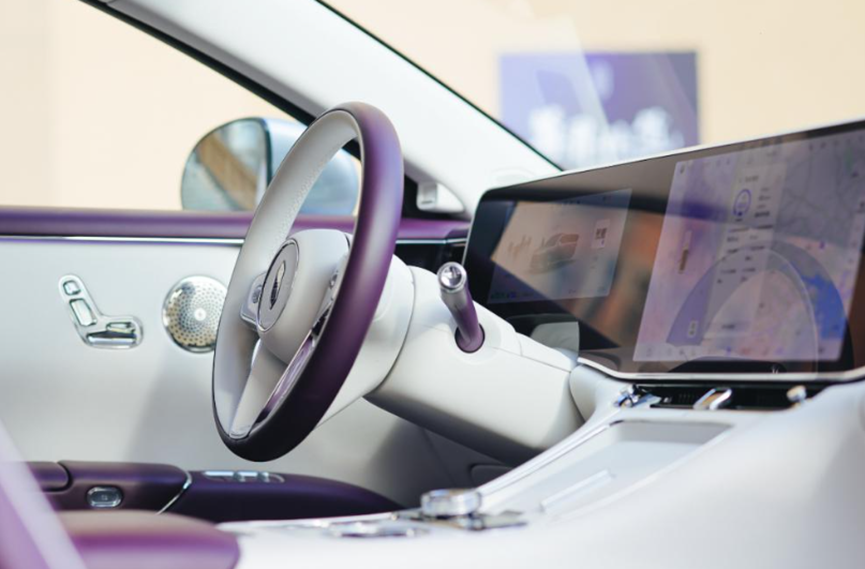
The product case is not just theoretical. Maextro combines extended-range and pure-electric powertrains, Huawei Qiankun assisted-driving technology, smart-cabin functions, satellite-linked communications, the Tuling Longxing platform and active safety features. Those assets give the brand more than a badge story.
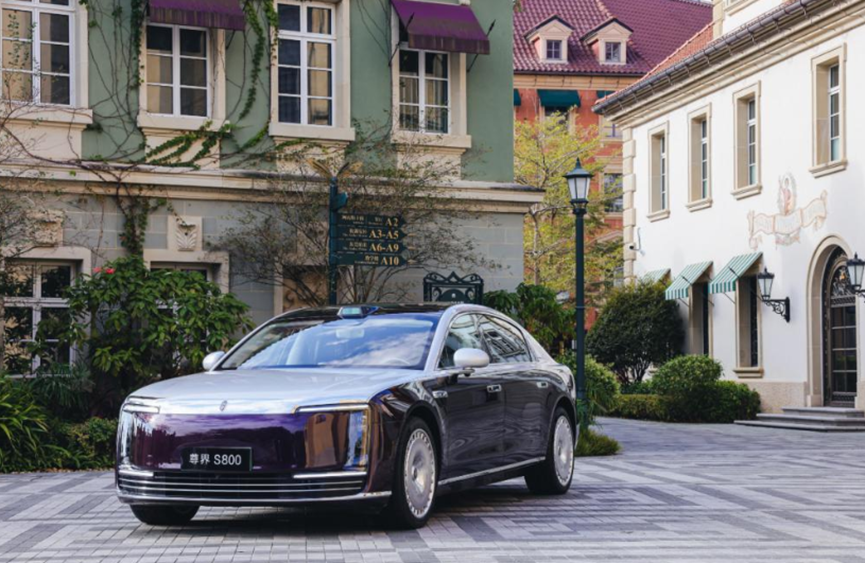
The risks of moving too fast
The same expansion brings clear pressure. Developing, producing and marketing five new vehicles at once requires money, engineering depth, supply-chain control and manufacturing discipline. Any weakness in those areas could turn a product offensive into a quality problem.
Product overlap is another danger. If the new models share the same Huawei platform, powertrain systems, software stack and design language, JAC can save cost and launch faster. But ultra-luxury customers also expect clear differences in use case, cabin treatment and emotional value. A line-up that feels too similar risks being seen as a set of rebadged variants.
Internal competition could also emerge. If Maextro stretches too far across price bands without distinct positioning, one model may take orders from another instead of attracting new customers.
Brand trust is the hardest issue. The ultra-luxury sector usually rewards time, heritage and service consistency. Maybach, Bentley and Rolls-Royce did not build their status through rapid model proliferation. Maextro is attempting to compress that timeline in a market where intelligent technology can change perceptions quickly, but where wealthy buyers still expect refinement and reliability.
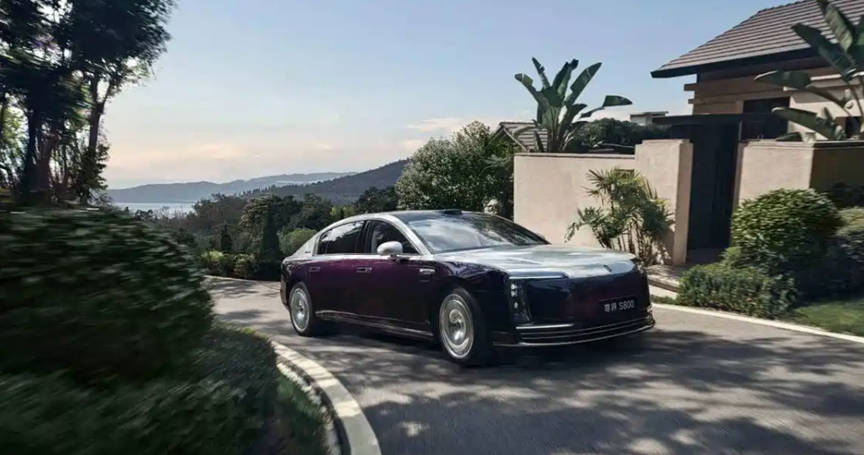
A calculated gamble for a pressured automaker
JAC's Maextro expansion is both a breakout attempt and a sign of urgency. It could give the company a stronger position in a high-margin segment and help it rebuild relevance in China's new-energy market.
Success will depend less on the number of models than on execution. JAC needs one or two clear hits to anchor the range, stronger differentiation between products, stable supply chains, rigorous quality control and a service system worthy of the prices it is asking buyers to pay.
For overseas observers, Maextro is an important test of a broader Chinese luxury-vehicle thesis: whether software, electrification and technology alliances can accelerate brand formation in a segment long dominated by heritage. JAC is betting that they can. The market will decide whether speed becomes an advantage or a liability.