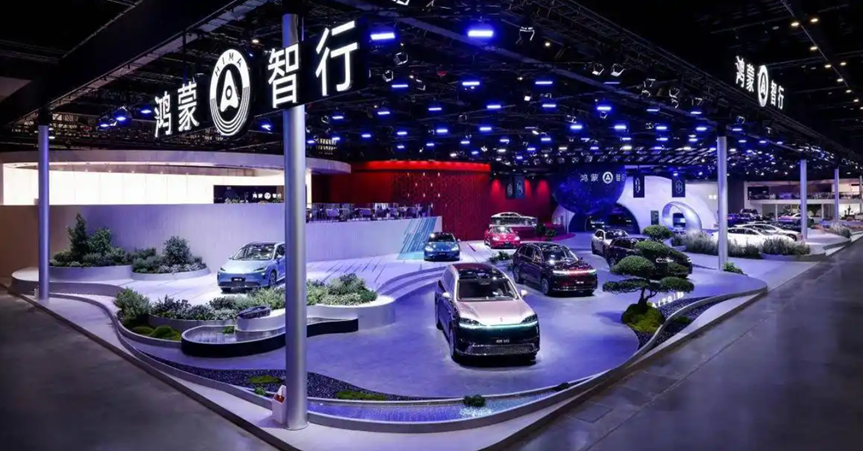
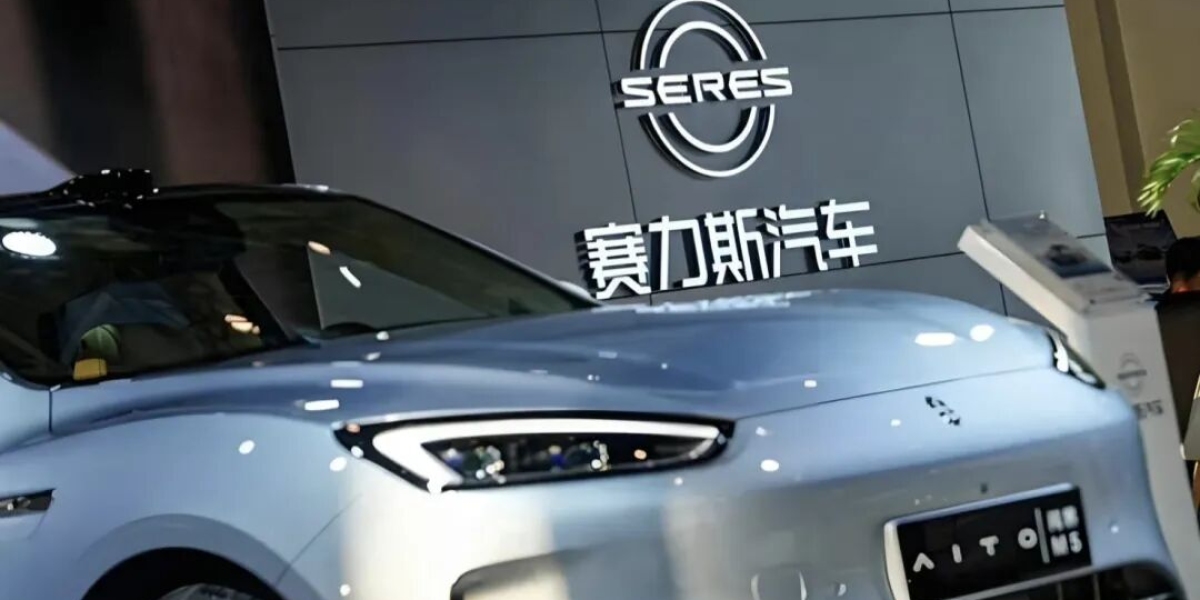
Seres reported first-quarter 2026 revenue of about $3.59 billion, up 34.46% year on year. Its scale continues to expand with the Aito range, backed deeply by Huawei.
Revenue growth hides a weaker core profit picture
Yet the same report showed a more difficult reality: net profit attributable to shareholders after excluding non-recurring items fell 73.87% to about $14 million, from about $55 million a year earlier.
The split between revenue and profit captures Seres' current operating tension. The company has maintained growth in sales and revenue during an intense competitive period, but core profitability has weakened sharply. The issue cannot be explained only by the industry price war. It reflects product-mix pressure, rising terminal incentives and heavier long-term investment.
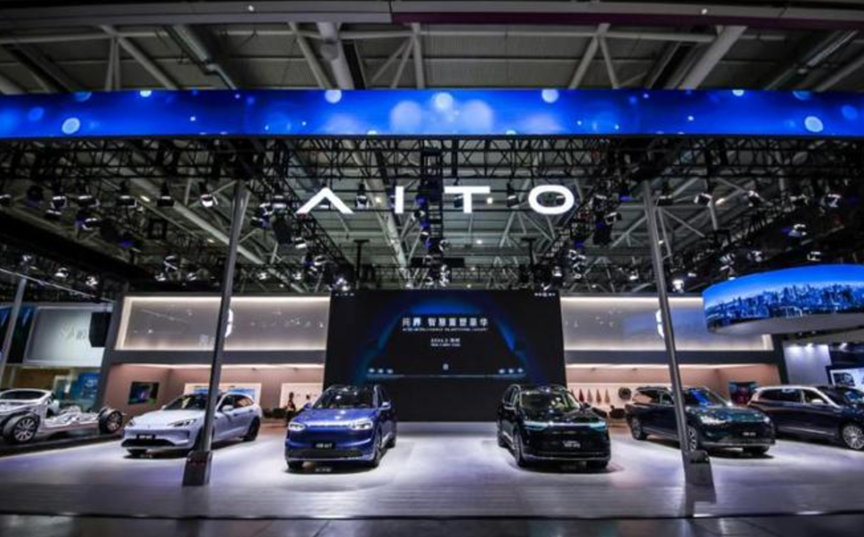
For a premium new-energy vehicle company, Seres now faces a familiar question: how can it keep expanding without sacrificing the profit quality that makes growth durable?
The headline profit is not the core story
Seres' top-line growth remains strong. First-quarter revenue rose 34.46% as Aito models continued to gain volume in the premium new-energy market around and above the roughly $42,000 band. The brand has not fallen behind in a crowded field.
Yet profitability tells a different story. Net profit attributable to listed-company shareholders was about $105 million, only 0.89% higher than the roughly $104 million a year earlier. That narrowly preserved the profit line, but non-recurring items did much of the work.
Government subsidies were especially important. In the first quarter, Seres received about $87 million in subsidies, equal to 83% of net profit for the period. In 2024 and 2025, subsidies had accounted for roughly 13%-18% of net profit. That jump suggests a temporary reliance on policy support and weakens the quality of earnings from the main business.
Core indicators also softened. Gross margin and net margin declined, while return on equity fell. Stronger revenue can make the company look larger, but it does not fully hide the pressure on the main profit engine.
The product mix is pulling margins down
Seres' revenue growth is driven by volume. First-quarter new-energy vehicle sales rose 43.90% year on year, while Aito-series sales rose 55.64%. That would normally be a positive signal. The problem is the composition of that growth.
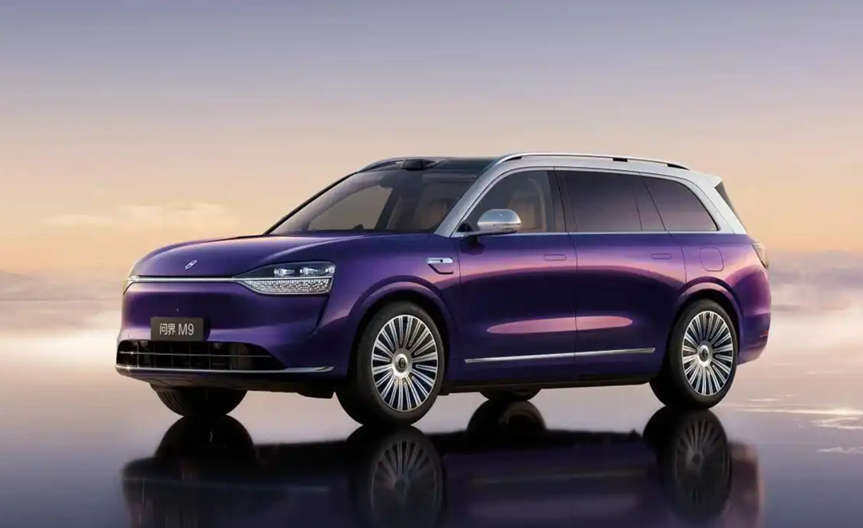
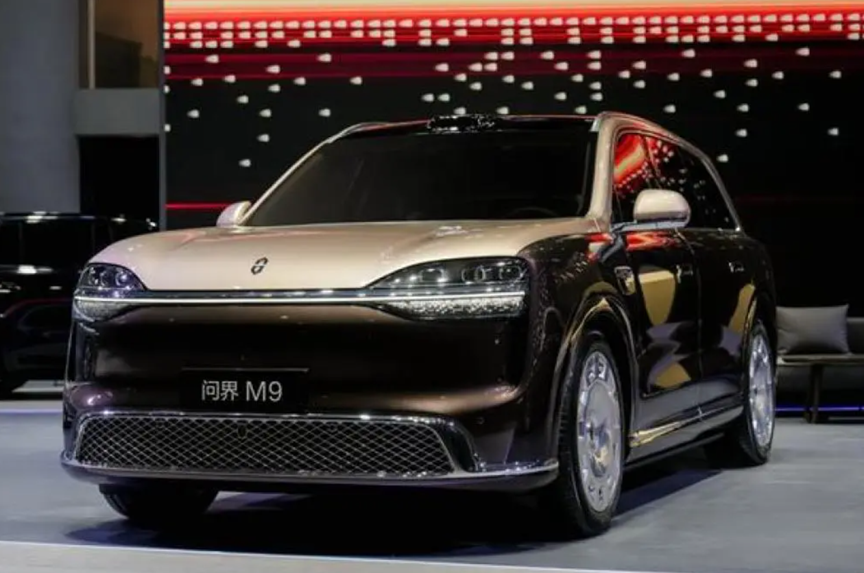
The Aito M9 has been Seres' main profit model. Positioned as a flagship above roughly $70,000, with strong intelligent-vehicle content and high per-vehicle margins, it carried much of the brand's earnings base. In the first quarter of 2026, its share of Seres sales fell from nearly 50% last year to about 15%-17%.
The Aito M7 has become the new volume driver. Priced around the roughly $42,000 level, M7 sales rose 122.26% year on year in the first quarter, lifting its share of total sales to 57%. It now carries the brand's volume. Yet the M7's per-vehicle margin is much lower than the M9's. High volume cannot fully replace the profit lost from a weaker flagship mix.
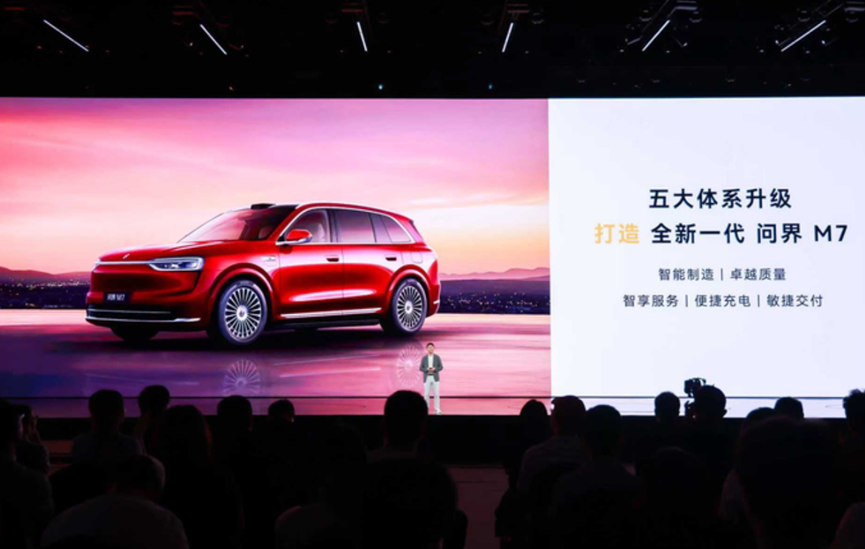
This shift lowered the brand's average transaction price and diluted average per-vehicle profit. Seres also absorbed extra cost from new-energy purchase-tax policy changes. To protect orders and user confidence, it offered to cover tax differences for buyers, up to about $2,000 per vehicle. That helped stabilise market share but flowed directly into operating costs.
Competition added more pressure. Li Auto, Nio, Xiaomi and other premium new-energy rivals continue to update models and adjust prices, forcing Seres to add incentives and user benefits. The company is caught between two risks: without incentives, it could lose share; with incentives, margins shrink further.
R&D and marketing spending are deliberate, but costly
Seres has pointed to rising R&D investment as a key reason for the decline in adjusted profit. R&D expenses increased by about $103 million from a year earlier to about $250 million in the quarter, up 70.7%.
That spending is not irrational. Intelligent technology is the core barrier in premium new-energy vehicles, and Seres cannot rely only on Huawei's early boost. To keep improving smart driving, the HarmonyOS cockpit and vehicle platforms, the company must continue investing. In a fast-moving technology cycle, underinvestment can quickly lead to a weaker product position.
The challenge is timing. R&D spending affects the income statement immediately, while product and margin benefits arrive later. Seres is sacrificing short-term earnings to build a longer-term technology and product base.
Marketing and channel costs are also rising. HIMA offline stores continue to expand, bringing higher costs for sites, staffing and operations. Seres must also spend to support new launches, maintain market attention and upgrade owner benefits. Alongside finance and administrative expenses, total operating costs rose sharply in the first quarter.
Those costs can be understood as strategic investment. The risk is return. If high spending does not produce stronger sales, higher average prices or better margins, Seres' operating pressure will remain unresolved.
The next test is balanced growth
Seres' first-quarter report shows the core dilemma of China's premium new-energy companies. Revenue and sales growth prove the brand's market acceptance and the continuing value of Huawei's support. Yet the collapse in adjusted profit, weak core cash generation, product-mix imbalance and rising operating costs show the hidden price of rapid expansion.
Seres has built scale. It now needs healthier scale. The company's long-term prosperity will depend on whether it can restore flagship-model contribution, reduce reliance on non-recurring gains, control incentives and turn R&D and channel spending into durable margins.