
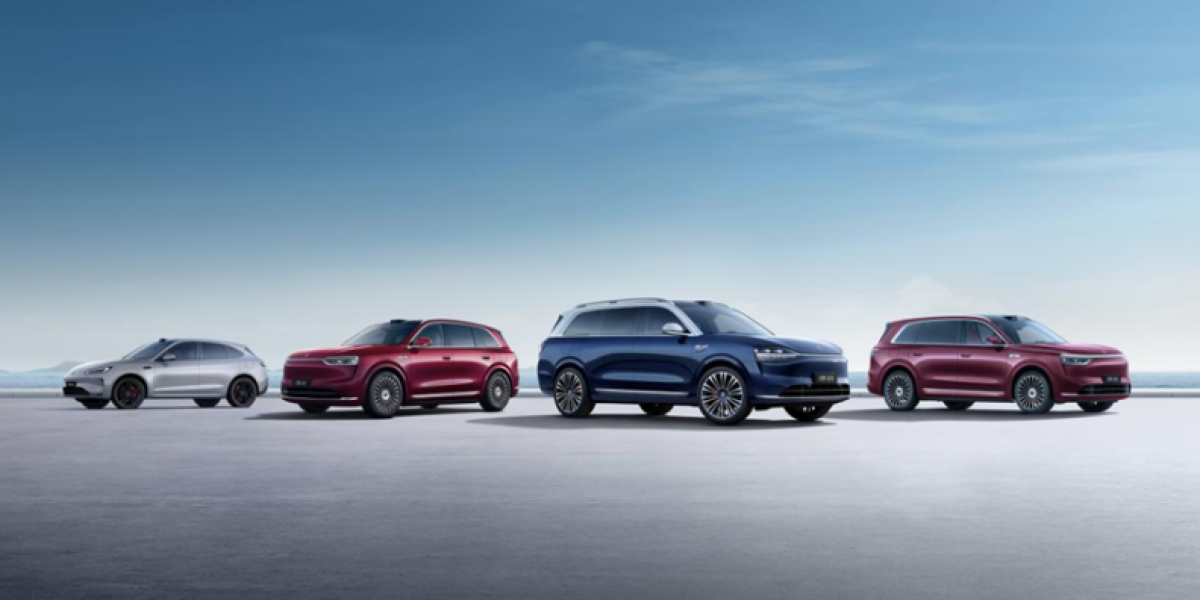
Seres listed in Hong Kong under the stock code 09927.HK, becoming China's first luxury new-energy vehicle maker with both mainland A-share and Hong Kong listings.
A landmark listing with a weak first impression
The offering raised net proceeds of about $1.8 billion, making it the largest Hong Kong IPO by a Chinese automaker to date and one of the biggest global auto listings of 2025.
Demand before listing looked intense. Since opening subscriptions on October 27, Seres attracted heavy interest, with the public tranche oversubscribed 133 times and margin subscription funds exceeding roughly $21.8 billion.
The market debut was less smooth. On the first trading day, the shares dropped after the open and touched HK$118.0, nearly 10.3 per cent below the HK$131.50 offer price. They later recovered and closed flat at HK$131.50. The next day, the stock fell again, ending at HK$123.90, down 5.78 per cent.
The contrast was stark: a heavily subscribed listing, but immediate concern once trading began. The question for investors is whether Seres has opened a global capital channel or simply raised money while still relying too heavily on Huawei's ecosystem.
Why the shares came under pressure
Seres priced the Hong Kong offering at a 22.7 per cent discount to its A-share level, but the valuation still looked rich against peers. Based on post-issue market value, its forecast 2025 price-to-earnings ratio was 26.5 times, higher than Hong Kong-listed traditional automakers at about 13.6 times, BYD at 21.1 times and Chery at 10.4 times.
That premium required strong confidence in future growth. Third-quarter results made some investors more cautious. In the first three quarters of 2025, Seres reported revenue of about $15.4 billion and net profit attributable to shareholders of about $738 million, up 3.67 per cent and 31.56 per cent respectively.
Yet third-quarter net profit fell 1.74 per cent year on year, the company's first single-quarter profit decline since 2024. For Hong Kong investors, who tend to be more valuation-sensitive, that was enough to question whether the premium was fully supported.
The cornerstone investor line-up was strong, with 22 institutions including local industrial funds, public funds, global asset managers and supply-chain partners. Together they accounted for 48.73 per cent of subscriptions. Even so, strong primary-market demand did not translate into steady secondary-market support.
Where the money will go
Seres has laid out a clear use of proceeds for the next three to five years. About 70 per cent will go to research and development, 20 per cent to global marketing and charging-network construction, and 10 per cent to working capital.
Within the R&D allocation, 40 per cent of proceeds will support core technology and innovation, including upgrades to the Rubik's Cube technology platform, smart-cabin systems, assisted driving and key powertrain technologies. Another 30 per cent will support product development and international market expansion.
The focus is consistent with Seres' technology-driven strategy. In 2024, the company spent about $979 million on R&D, up 58.9 per cent. By September 2025, it had 6,826 authorised patents, up 19.8 per cent year on year, and 6,984 R&D staff, equal to 36 per cent of total employees.
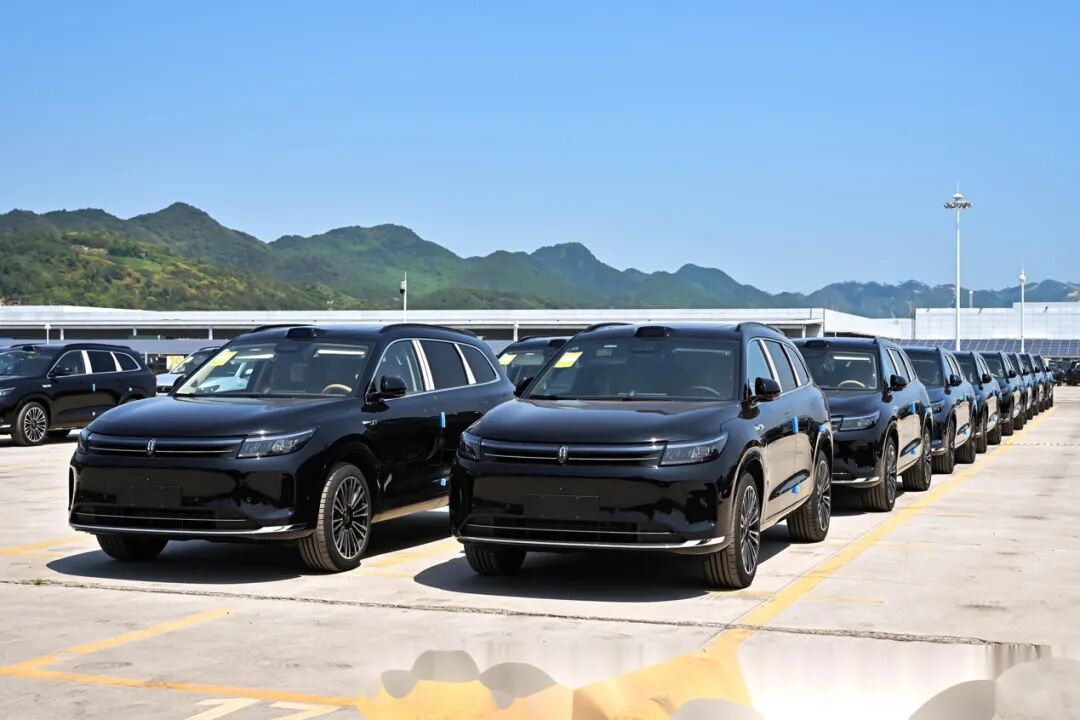
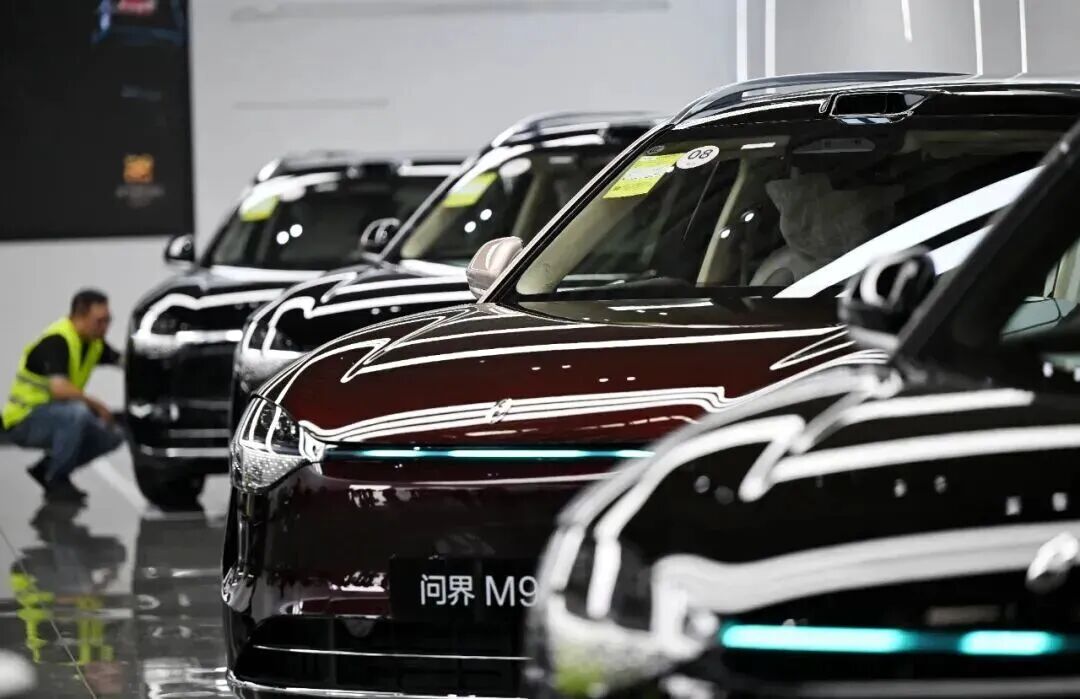
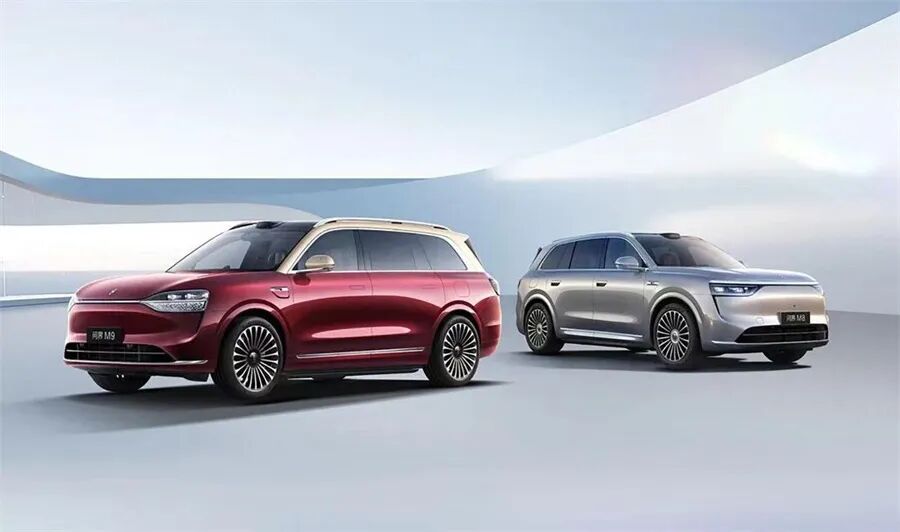
That investment has helped build the Aito range across M5, M7, M8 and M9 models, positioned from roughly $42,000 to $83,000. By October, cumulative Aito deliveries had exceeded 800,000. The Aito M9 passed 250,000 deliveries in 21 months, a record for China's roughly $69,000 premium vehicle segment, while the new M7 delivered more than 20,000 units in 36 days after launch.
Seres still trails top industry players in absolute R&D scale, but its conversion efficiency has improved. Its new-energy vehicle gross margin rose to 23.8 per cent in 2024 and 26.5 per cent in the first half of 2025.
A global expansion plan
The second major use of proceeds is international expansion. Seres said earlier in 2025 that it aimed to deliver more than 100,000 vehicles overseas for the full year, more than double an estimated 48,000 in 2024.
Its business already covers parts of Europe, the Middle East, the Americas and Africa. It has entered markets including Norway, Germany and the UK. Its Indonesian smart factory has been operating for years, its Mexico plant entered trial production in 2025 and its Hungary plant is under construction.
The company also says its export average selling price has moved from about $5,000 in its early stage to more than $40,000 today. That suggests Seres is trying to move from low-cost exports into premium international positioning.
The Hong Kong proceeds will support sales-network expansion in Europe and the Middle East, as well as charging services. Seres plans to establish 100 experience centres in Europe and the Middle East by 2026 and work with Huawei on a supercharging network targeting 80 per cent highway coverage in major international markets.
The value and risk of the A+H platform
The Hong Kong listing gives Seres more than one financing channel. The A-share market offers access to domestic capital, while Hong Kong connects the company to global investors and can support overseas acquisitions, partnerships and expansion.
The company also has the balance sheet to attempt a broader push. In the first three quarters of 2025, operating cash flow reached about $3.1 billion, cash and equivalents rose to about $8.3 billion, and shareholder equity increased 126.7 per cent year on year.
High-end products are central to that story. By August 2025, cumulative Aito deliveries had exceeded 750,000, and an average transaction price above about $56,000 helped support margin expansion.
The central risk is also clear. Hong Kong investors tend to focus closely on corporate independence and durable competitive advantage. Seres remains deeply tied to Huawei. In 2024, Aito revenue accounted for more than 90 per cent of Seres' total revenue, while purchases from Huawei-related suppliers represented 30.2 per cent of total procurement.
As Huawei expands its multi-brand automotive alliance, with Chery's Luxeed, BAIC's Stelato and others rising, Seres may face more competition for Huawei's technology resources and sales-channel attention. The company's prospectus also warned that any major change in its cooperation with Huawei could adversely affect the business.
A promising but constrained global story
Seres' listing gives it capital, visibility and a stronger platform for overseas expansion. It also offers a case study for how Chinese premium EV makers can use Hong Kong to fund global ambitions.
The hard part is proving that Seres is more than the most successful vehicle partner inside Huawei's current ecosystem. It must build independent brand recognition, deepen its own technology base and show that global expansion can work beyond domestic Aito momentum.
The IPO was a financial milestone. The stock's weak early trading was a reminder that investors will ask a different question: not whether Seres can raise money, but whether it can stand on its own while still benefiting from Huawei.