
Seres has become one of the more striking comeback stories in China's electric-car market./p>
A partnership that became a constraint
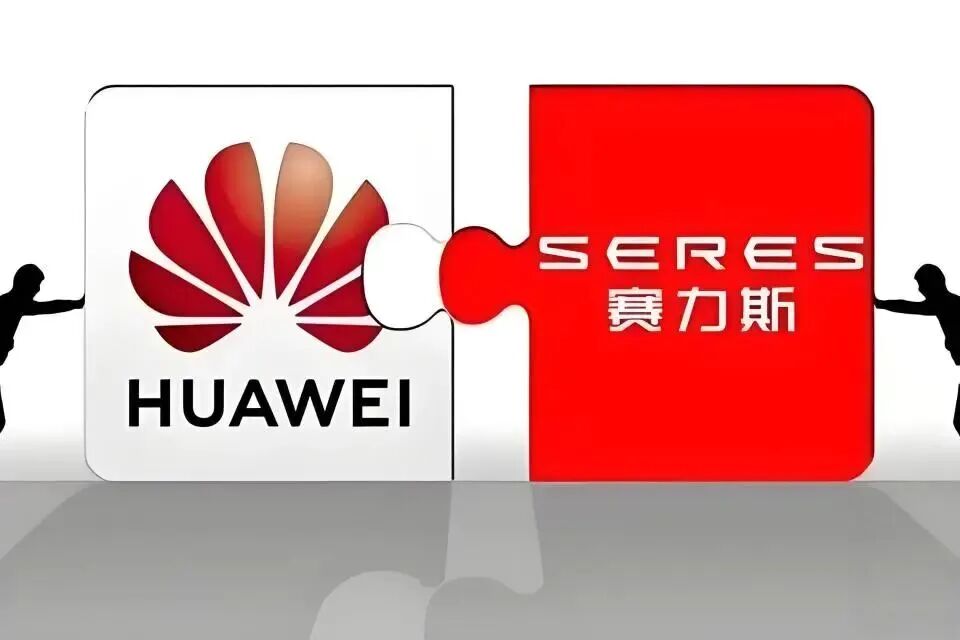
Its partnership with Huawei helped turn Aito from a marginal name into a serious premium new-energy contender, giving Seres access to smart-driving systems, connected-cabin technology and Huawei's powerful consumer retail network.
That alliance also created a problem. The stronger Aito became, the harder it was for Seres to persuade investors and consumers that it was more than a manufacturing partner for Huawei. As Huawei expands its Harmony Intelligent Mobility Alliance to include Chery, BAIC, JAC and SAIC, Seres is no longer the only favoured partner in the system.
The market has started to question what Seres is worth without Huawei's technology and channels. The company's share price was up only 0.08 per cent on February 11, according to the article, after falling more than 20 per cent over the previous three months. That volatility sits uneasily beside its sharp gains over the past five years and points to a more sceptical investor mood.
The Huawei dividend has been real
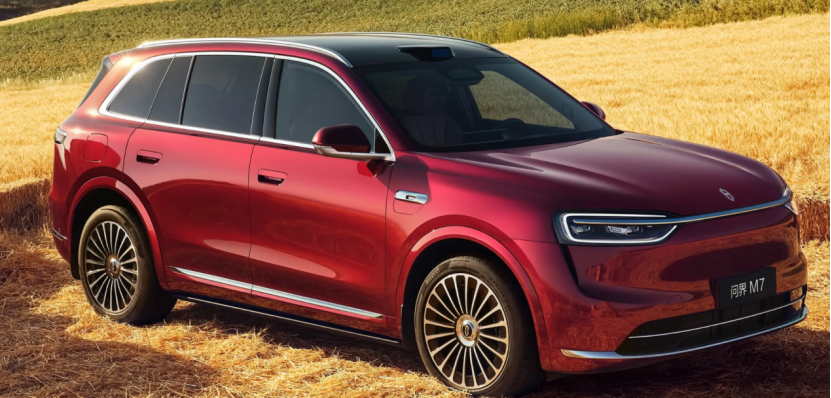
Seres once looked like a peripheral player in China's new-energy race. Its legacy fuel-car business was weak, and its electric transition lacked force. The Huawei partnership changed that trajectory. Aito vehicles benefited from Huawei's brand halo, intelligent-driving credibility, cabin software and customer traffic.
The financial results show how powerful the alliance became. In the first three quarters of 2025, Seres generated revenue of about $15.6 billion and net profit attributable to listed-company shareholders of roughly $748 million, up 31.56 per cent year on year. In an industry where many EV makers are still losing money, that performance looked unusually strong.
The question is how much of the value stays with Seres. The article says Seres paid Huawei about $2.8 billion in procurement fees in the first half of 2025, equivalent to roughly $20,000 per vehicle sold. That figure illustrates why the partnership can be both a growth engine and a margin constraint.
Seres is not losing money on every car, and Huawei's involvement has clearly improved its competitiveness. Yet the strategic imbalance is hard to ignore. Huawei can work with multiple automakers. Seres has relied heavily on Huawei for the technologies and channels that made Aito stand out.
Heavy spending on self-reliance
Seres has been trying to reduce that dependency by accelerating in-house research and development. The company increased its research spending from 2024 and lifted the pace again in 2025. In the first half of 2025 alone, R&D investment reached about $733 million, up 154.9 per cent from a year earlier.
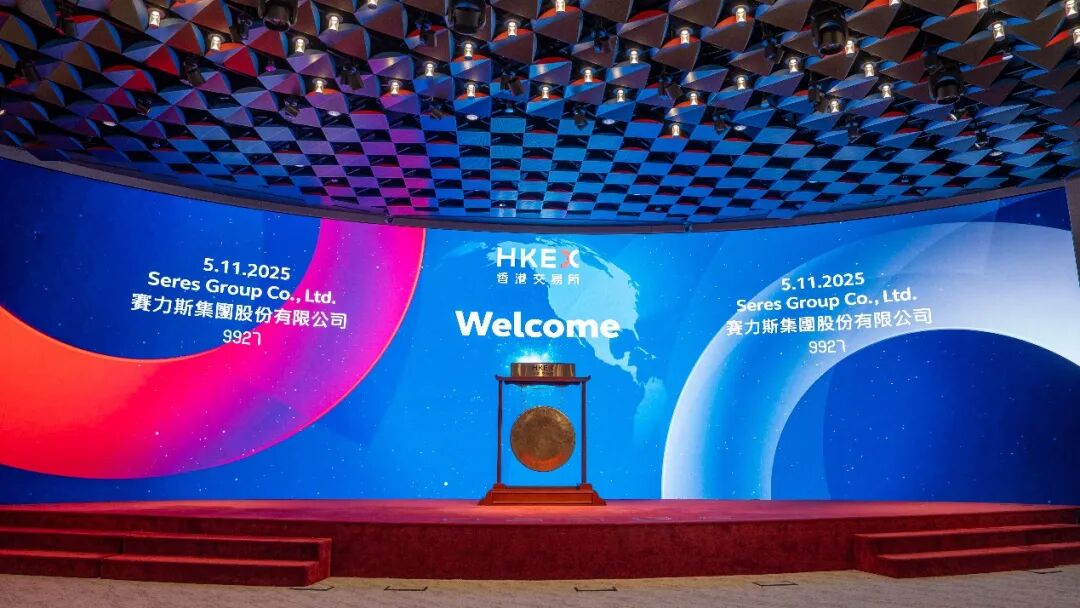
After raising about $1.8 billion through a Hong Kong listing in 2025, Seres said it planned to put 70 per cent of the net proceeds into core new-energy vehicle technologies, including intelligent driving and electric powertrain systems. The ambition is clear: build its own technical base rather than remain dependent on an outside technology sponsor.
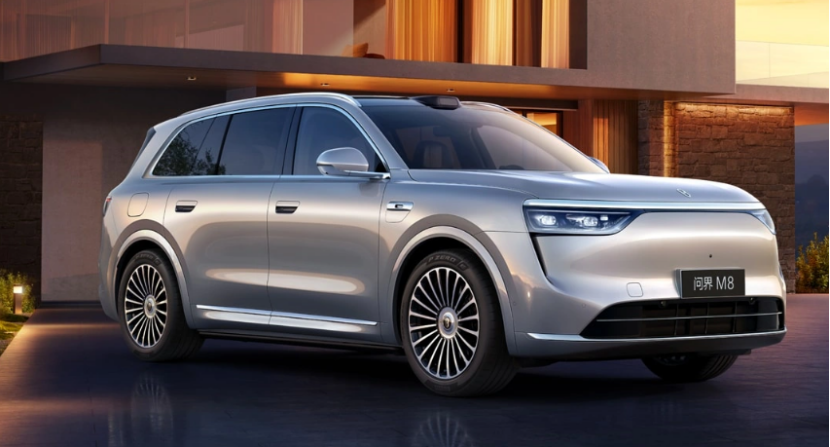
The company is focusing on three areas: range-extender technology, vehicle platforms and intelligent manufacturing. Its latest Seres super range-extender system claims thermal efficiency of 44.8 per cent and can generate more than 3.6 kilowatt-hours of electricity from one litre of fuel. The technology has already been licensed externally, giving Seres a rare example of technology moving beyond its own vehicles.
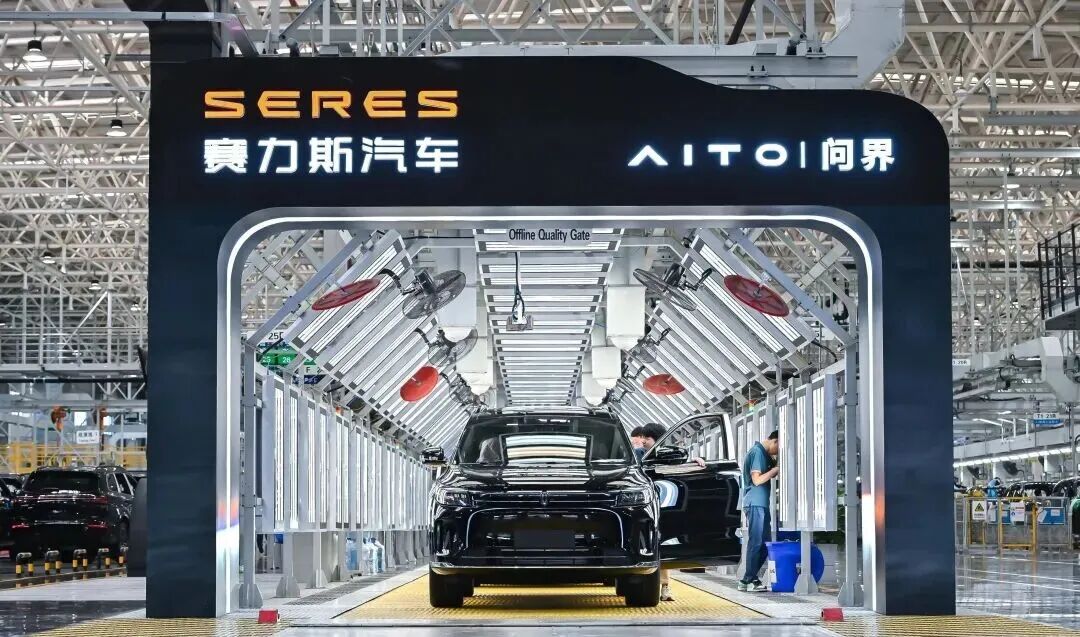
Its upgraded Rubik's Cube technology platform supports extended-range, battery-electric and hybrid powertrains across multiple vehicle sizes, with the aim of cutting development time and cost. In manufacturing, its super factory uses integrated die casting to reduce 222 parts to 10, with full automated inspection in key processes.
These are meaningful steps, but they do not solve the core issue overnight. Seres still trails Huawei in advanced driver-assistance algorithms and underlying smart-cabin technology. In battery, motor and control systems for pure electric vehicles, it lacks the long technical accumulation of leaders such as BYD.
Three tests for the next phase
Seres faces three tests if it wants to shed the image of being Huawei's factory partner. The first is technical. Advanced assisted driving and electric powertrain systems require years of sustained investment, and the EV shake-out will not wait for late starters.
The second is financial. China's price war is compressing margins across the industry. Self-developed technology and new capacity both consume cash. If Seres cannot balance profitability with research spending, the most ambitious plan will become difficult to sustain.
The third is brand perception. For many buyers, Aito is closely associated with Huawei, while Seres remains less clearly defined. Building an independent brand identity may take longer than developing a new platform or factory process.
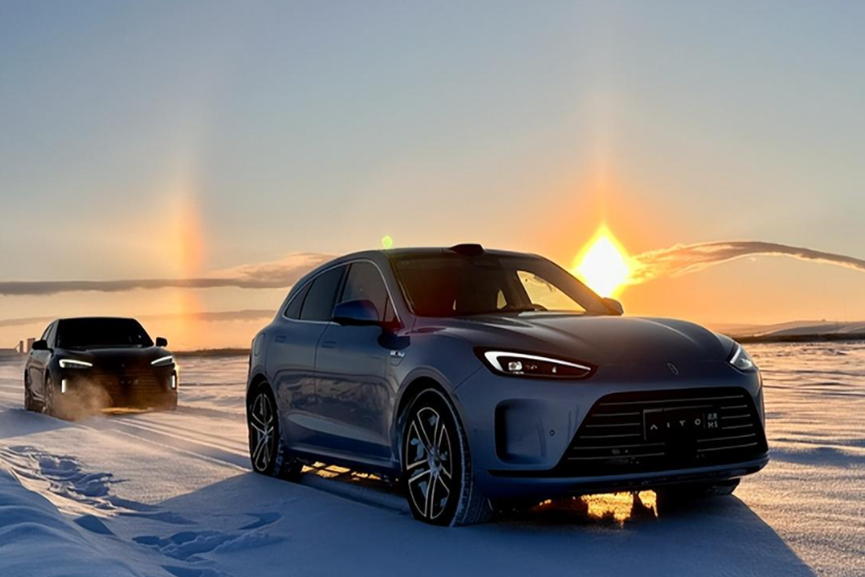
Seres has chosen a pragmatic middle path. In 2025, it acquired a 10 per cent stake in Huawei's Yinwang Intelligent Technology for about $1.6 billion, moving from technology user to shareholder. That gives Seres a stronger claim on access to key technologies while buying time for its own research programmes.
This is not a clean separation from Huawei. It is a strategy of staying close enough to protect the current business while gradually building independent capability. For now, Huawei's technology and retail reach remain central to Aito's competitiveness.
Investor patience may decide the pace
The capital market is likely to be an important judge of the transition. The article says Seres traded at a trailing price-to-earnings ratio of 26.65, above BYD's roughly 21 times, creating a tension between valuation and fundamentals. The recent share-price decline reflects caution about whether self-developed technology can arrive fast enough.
If Seres can deliver its own high-value technologies, lower procurement dependence and prove that Aito has strength beyond Huawei, its long-term value could be reassessed. If progress disappoints, weaker sales and margins could put more pressure on the stock.
Huawei helped Seres survive and then thrive. The next phase is less forgiving. Seres must show that it can keep the benefits of the partnership while building enough of its own technology, cost control and brand identity to stand alone in a more brutal Chinese EV market.