
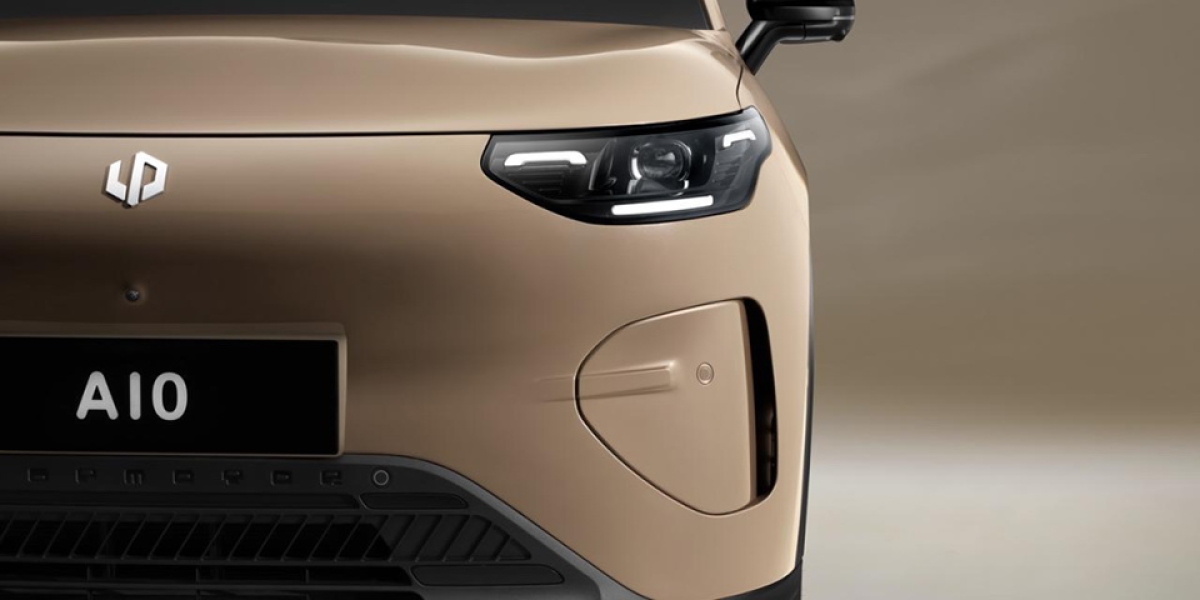
Leapmotor's A10 has entered one of China's most competitive price bands with unusual ambition. Over one weekend, firm orders for the model exceeded 9,000 units, a result founder Zhu Jiangming called better than expected.
A Small SUV With a Big Signal
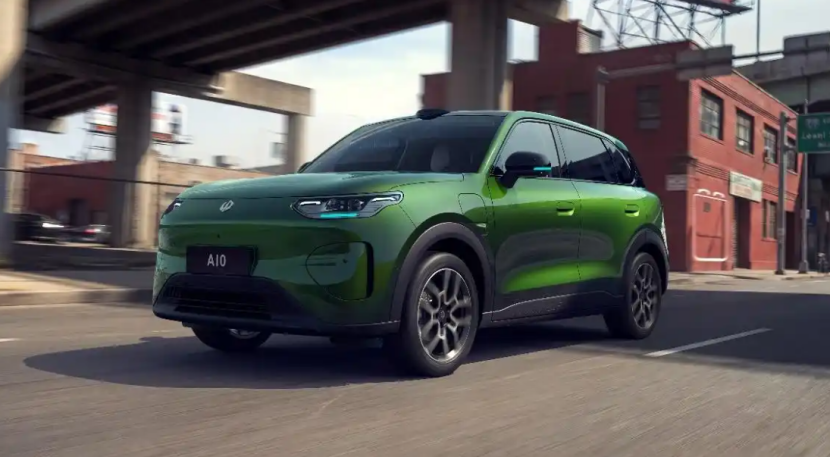
Launched on March 26 as the first global model on Leapmotor's new A platform, the A10 brings equipment rarely seen in the entry market: lidar, parking-space-to-parking-space navigation assistance, dual Qualcomm 8295 and 8650 flagship chips, up to 505km of range, an oil-cooled electric drive and a claimed 88.1% space utilisation rate.
The message is clear. Leapmotor wants to define a new category of intelligent, refined, long-range electric SUV below about $14,000. It is no longer treating the entry market as a low-spec volume corner.
Why the Entry EV Market Needed a Reset
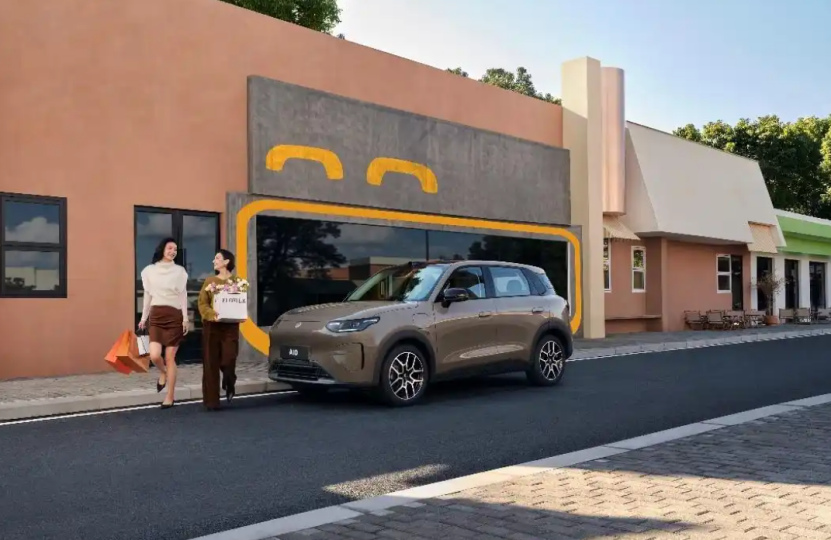
China's new-energy market has moved beyond the easy-growth phase. Joint-venture brands are accelerating electrification to protect their petrol-era base. Local start-ups are fighting fiercely in the premium segment. Yet unmet demand remains in the lower price bands.
Young families, first-time buyers and replacement buyers in China and overseas do not necessarily want basic transport with minimal equipment. They want cars that are affordable but still feel modern, safe and intelligent.
For years, many manufacturers treated the sub-$14,000 EV market as a place where serious technology did not belong. High-end driver assistance, lidar, flagship cockpit chips and long-range electric drives were reserved for vehicles priced two or three times higher. Entry cars were often built by cutting equipment and quality to hold down cost, leaving users with products that were cheap but not compelling.

That approach also limits global expansion. Overseas buyers may welcome value, but they still expect international safety standards, reliable quality and credible product strength. A low-price export strategy cannot succeed if the product fails to satisfy domestic users.
Leapmotor's A10 is designed to attack that old logic. The company has spent the past two years building a reputation around rapid sales growth, annual profitability and full-stack in-house development. The A10 uses that base to push higher technology into a lower price segment.
Prepared by Full-Stack Development
Building a small car is easy. Building a globally competitive small EV is not. Many carmakers still depend heavily on outside suppliers for core systems, which limits cost control and technical authority. Others have in-house technology but prefer to reserve it for higher-margin models.
Leapmotor's advantage is that it has developed and produced major systems internally, from electric drives and batteries to smart cabins and assisted driving. That gives the company more freedom to decide what technology can be pushed down into affordable products.
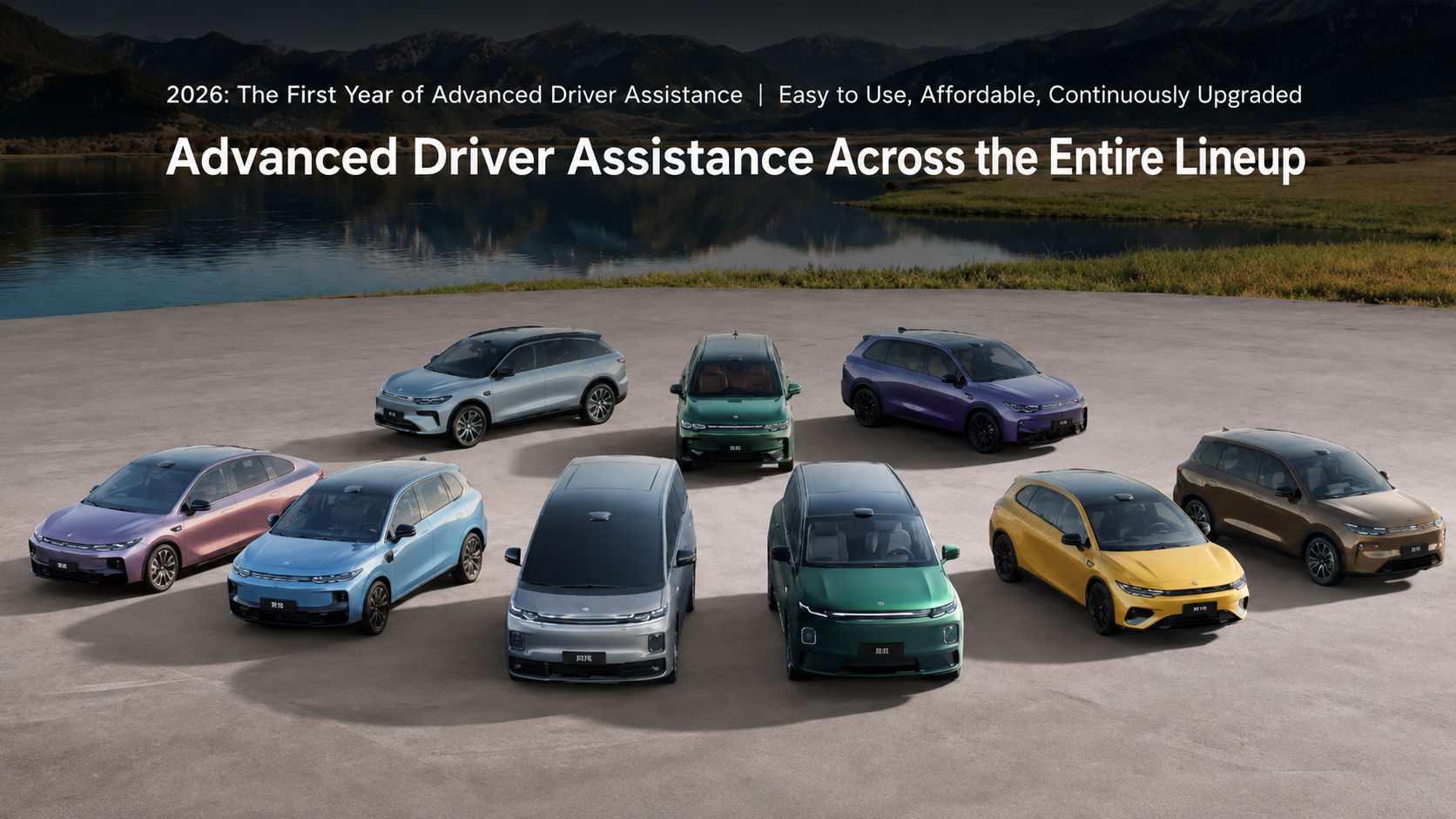
The A10 places several once-premium features into the sub-$14,000 class. It offers lidar, 27 high-precision perception sensors, Qualcomm's 8650 flagship assisted-driving chip and parking-space-to-parking-space navigation assistance. Leapmotor also says existing owners of lidar-equipped models can upgrade to advanced assisted-driving functions for free, with long-term OTA updates where hardware allows.
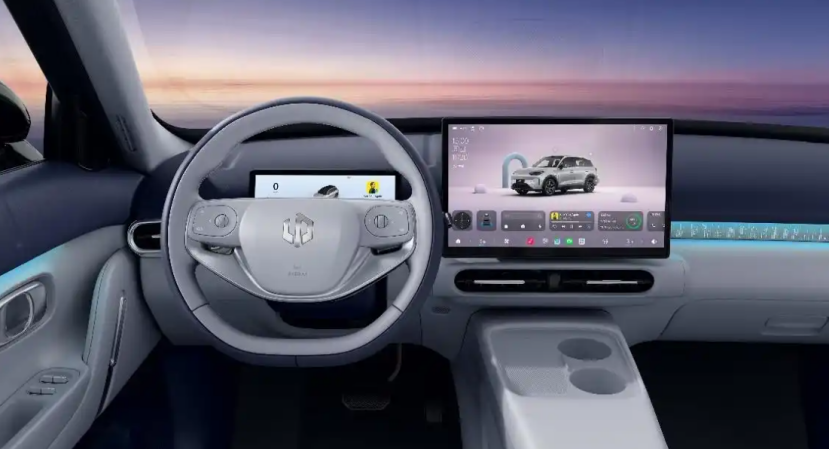
The cabin follows the same pattern. The A10 has a 14.6-inch 2.5K central display, an 8.8-inch instrument screen, Qualcomm's 8295 cockpit chip and a new Leapmotor OS system connected to Alibaba's Tongyi Qianwen AI voice model.
Space, Range and Safety
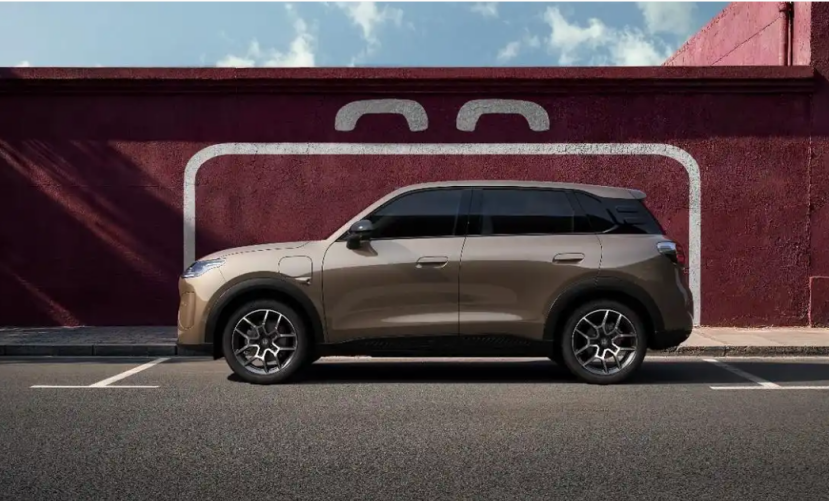
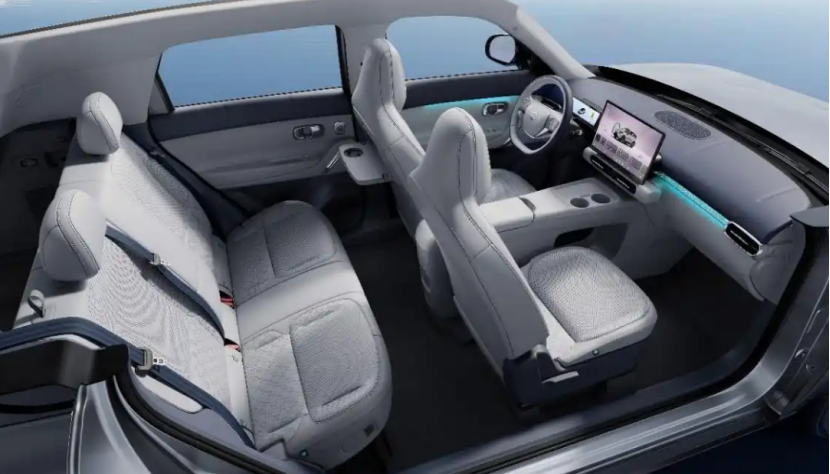
The A10 is built with Leapmotor's CTC 2.0 Plus cell-to-chassis technology, helping it reach the claimed 88.1% cabin-space utilisation rate. It also offers flexible seating, 34 storage spaces and a 106-litre washable underfloor cargo compartment for commuting, family use, camping and carrying bulkier items.
The model comes with 403km and 505km range versions. Fast charging can add 250km of range in 16 minutes, reducing the two most common entry-EV concerns: range and charging time.
Leapmotor is also trying to avoid the impression that low price means weaker safety. CTC 2.0 Plus is paired with 18 active-safety functions and a high-grade body-stability system. The company wants buyers to see the A10 as an affordable EV that does not trade away structural security or intelligent protection.
A Value War, Not Just a Price War
The A10 matters because it may shift the entry segment from price competition toward value competition. Until now, many low-cost EVs have competed mainly on who can be cheaper. Leapmotor is arguing that the better question is who can deliver more capability at a mass-market price.
The model is also developed, designed, tested and produced with global standards in mind. If it performs well overseas, it could help change perceptions of Chinese low-cost EVs from cheap transport to credible smart vehicles.
For Leapmotor itself, the A10 supports a dual strategy of mass-market expansion and global growth. The model targets young families, first-time buyers and replacement users with a combination of accessible pricing and equipment above segment norms. If it becomes another volume product, Leapmotor's path toward annual sales of 1 million vehicles becomes more plausible.
The broader lesson is that China's EV competition is becoming a test of both thinking and execution. Leapmotor is betting that affordable cars can carry serious technology, and that technology for all can be more than a slogan. If the A10 sustains its early demand, the entry EV market may become far harder for low-spec products to defend.