After years of losses, Nio has offered investors the result they had been waiting for: a forecast of profit in the fourth quarter of 2025.
A long-awaited profit signal
The company said on February 5 that adjusted operating profit was expected to reach about $99 million to $169 million, while operating profit under GAAP was expected at roughly $28 million to $99 million.
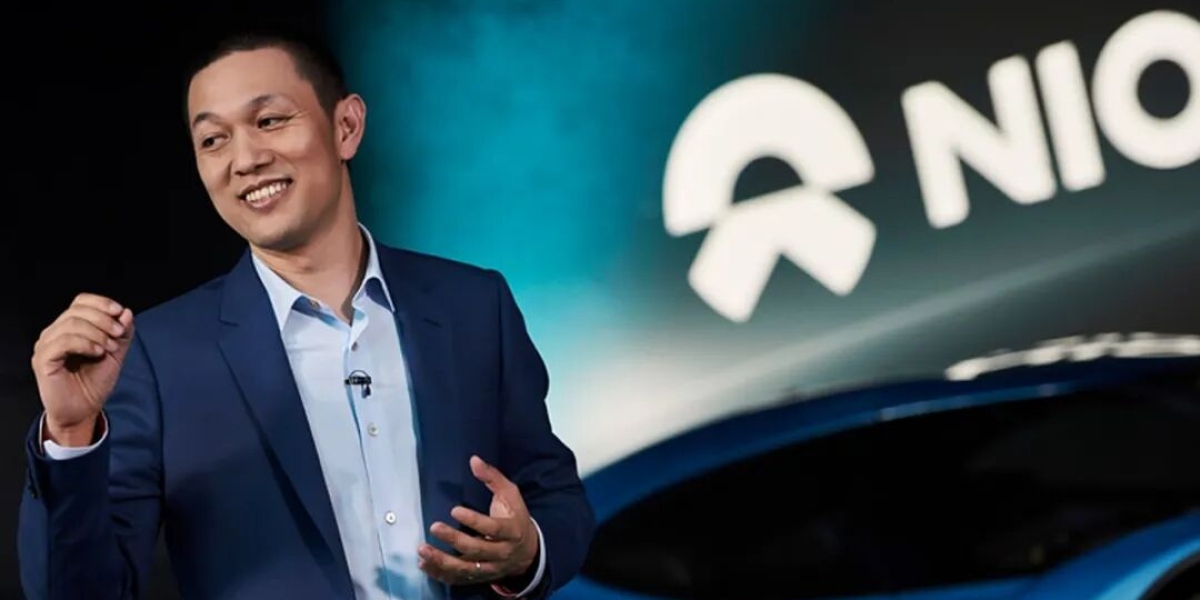
For a company listed for nine years and long criticised for spending heavily without a clear profit path, the forecast marked an important psychological shift. It also gave fresh weight to founder William Li's insistence that Nio's long-term investments in technology, infrastructure and product systems would eventually begin to pay back.
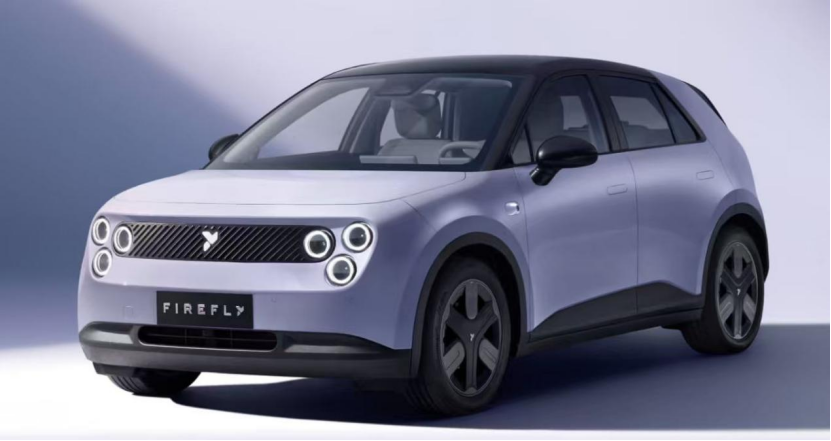
The result did not come from one single factor. It followed a stronger product cycle led by large six-seat SUVs, an improvement in the Firefly small-car brand, faster progress in assisted driving and years of spending on chips, battery swapping and charging infrastructure.

Large family SUVs change the equation
Nio's product story in 2025 was uneven at first, then stronger in the second half. Sales at the start of the year were unremarkable, and Li's repeated pledge of fourth-quarter profitability was widely questioned. The launch of the Onvo L90 and the new Nio ES8 changed the market's view.
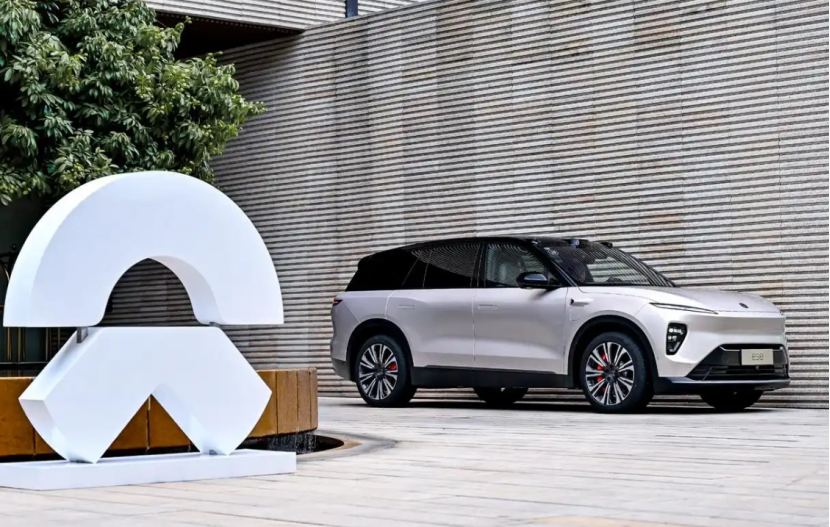
The new ES8, Nio's flagship six-seat SUV, was aimed squarely at premium family buyers. Its 3,130mm wheelbase created generous second- and third-row space, while heated, ventilated and massaging seats helped it serve both family travel and business use. The Shenji in-house chip and multimodal interface improved the cockpit and assisted-driving experience, addressing a weakness that had weighed on the brand's image.
With combined power of 520kW and 0-100kph acceleration in 4.1 seconds, the ES8 kept Nio's performance and luxury identity while adding practicality and smarter functions. Strong early sales made it a key contributor to the fourth-quarter profit turn.
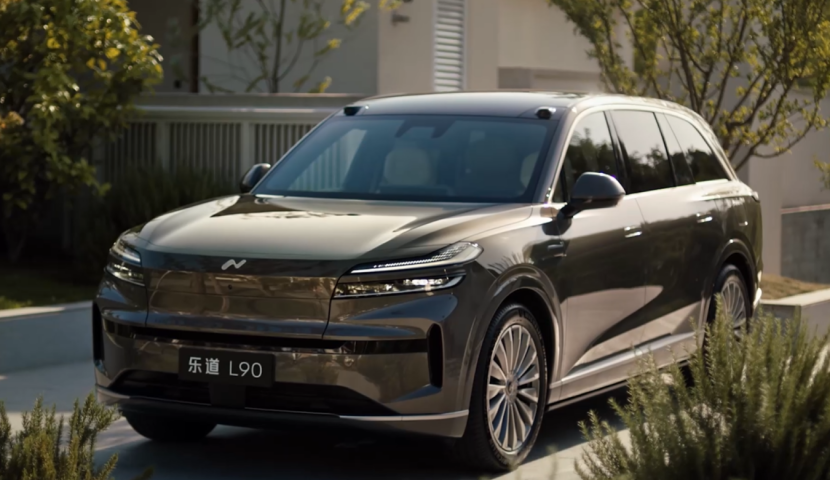
The Onvo L90 was just as important because it pushed Nio deeper into the mainstream family segment. It brought the entry point for a large six-seat vehicle to roughly $37,000, while the battery-leasing version lowered the upfront cost to less than about $25,000. A 240-litre powered front trunk and 430-litre rear luggage space helped it stand apart from many six-seat rivals whose cargo space almost disappears when all three rows are in use.
Onvo L90 deliveries exceeded 10,000 units in the first month, setting a record for the fastest Nio-group model to pass that threshold, according to the article. Stronger gross profit from the model helped turn Onvo from a struggling sub-brand into a contributor to the group.
Firefly also improved. The small-car brand had faced criticism for its design, but it found a clearer position around safety. Its high-strength steel-aluminium body, nine standard airbags and five-star-plus C-NCAP result helped shift the conversation. Firefly delivered 19,084 vehicles in the fourth quarter of 2025, a record for the brand.
Technology spending reaches the harvest phase
Nio's long period of losses has often been framed as wasteful spending. The fourth-quarter profit forecast supports a more nuanced reading: much of the money went into technology and infrastructure that is now improving product competitiveness and reducing dependence on suppliers.
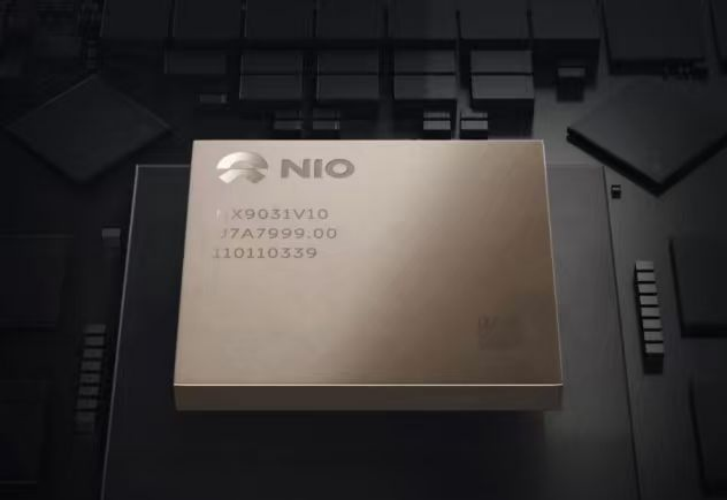
The company began its in-house chip programme in 2021 and introduced the 5nm automotive-grade Shenji NX9031 in 2025. With INT8 computing power of 1,000 TOPS, the chip gives Nio a stronger foundation for assisted driving and reduces reliance on foreign chip suppliers. It also creates the potential to turn technical advantage into cost advantage.
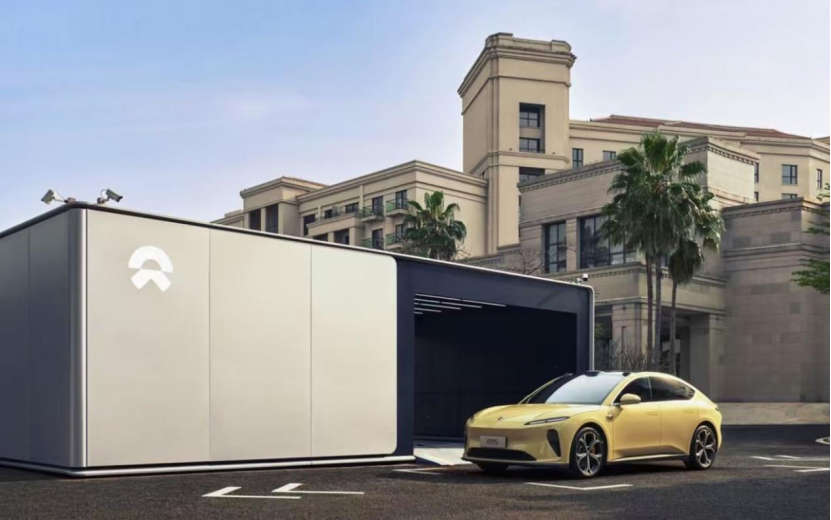
Battery swapping remains Nio's most controversial strategic bet. Many global automakers chose conventional charging, while Nio invested heavily in a network that allows drivers to replace a battery in about three minutes. The company has spent about $2.5 billion over the years and built more than 8,000 charging and swapping stations, according to the article.
The value of the system is broader than convenience. Battery-as-a-service can reduce the upfront purchase price. Upgradeable batteries allow owners to improve range without replacing the vehicle. Swappable packs also support Nio's argument that the vehicle body should be engineered for long-term use, since the battery can be refreshed across the car's life.
Nio's assisted-driving software also progressed in 2025. The Banyan 3.2.0 system, later updated to Banyan 3.3.0, adopted a development approach based on a world model and closed-loop reinforcement learning, according to the article. That helped the company move closer to leading smart-driving providers and improved the appeal of its newer products.
William Li's long game
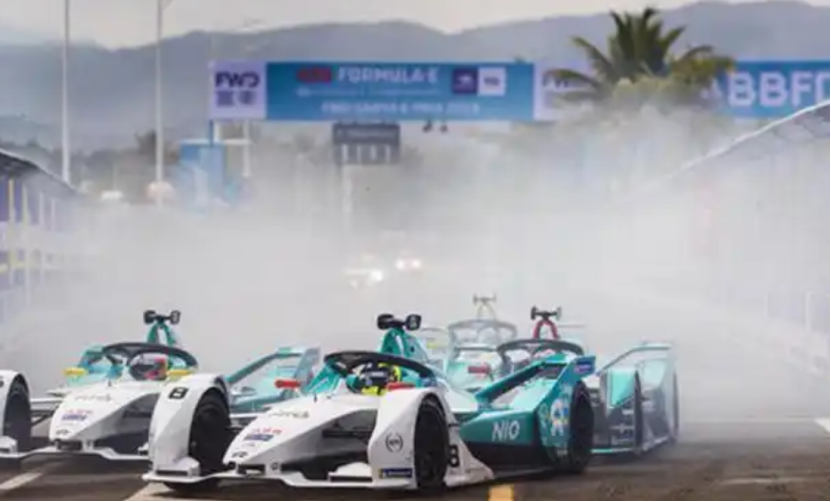
The profit forecast also reflects Li's unusually patient approach to carmaking. Nio's hardest year came in 2019, when cash pressure, weak sales and a falling share price forced painful decisions, including the sale of its Formula E team. Yet Li continued to support China's Formula Student programme, arguing that the industry's rise depended on local engineering talent.
That decision fits a broader pattern. Nio has often spent on things that look costly in the short term: battery swapping, in-house chips, robust vehicle construction and a multi-brand strategy that stretches from premium Nio models to Onvo and Firefly. The logic is that these investments create resilience once scale arrives.
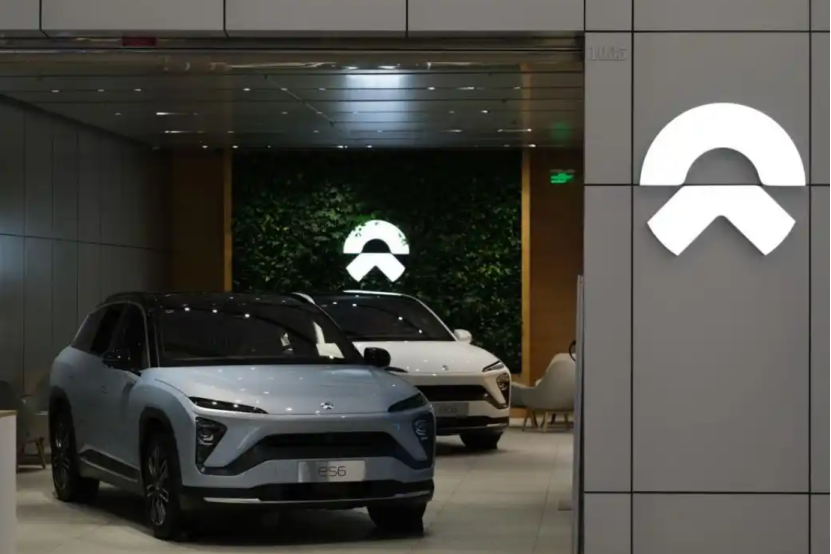
There is still no guarantee that profit will be sustained through 2026. China's EV market remains fiercely competitive, price pressure is intense and fast-rising challengers can change segment dynamics quickly. Nio must defend its large six-seat advantage, keep Firefly moving beyond a niche audience, maintain assisted-driving progress and increase the value of its charging and swapping network.
The fourth-quarter profit forecast is therefore a starting point, not a final answer. It suggests that Nio's long investment cycle has begun to show financial results. The next test is whether Li can turn a hard-won quarter into a repeatable business model.