
Visits to Huawei have become a symbol of China's auto industry searching for its next direction.
A meeting beyond one product launch
Since 2025, senior leaders from GAC, Changan, Dongfeng, Chery and several EV start-ups have travelled to Shenzhen to discuss cooperation with the technology group.
SAIC's latest move carries special meaning because the company once framed the debate around "soul" and control in intelligent vehicles. Five years after that argument shaped industry discussion, SAIC president Jia Jianxu led a core team to meet Huawei founder Ren Zhengfei, just as SAIC and Huawei prepared the next stage of their SAIC brand.
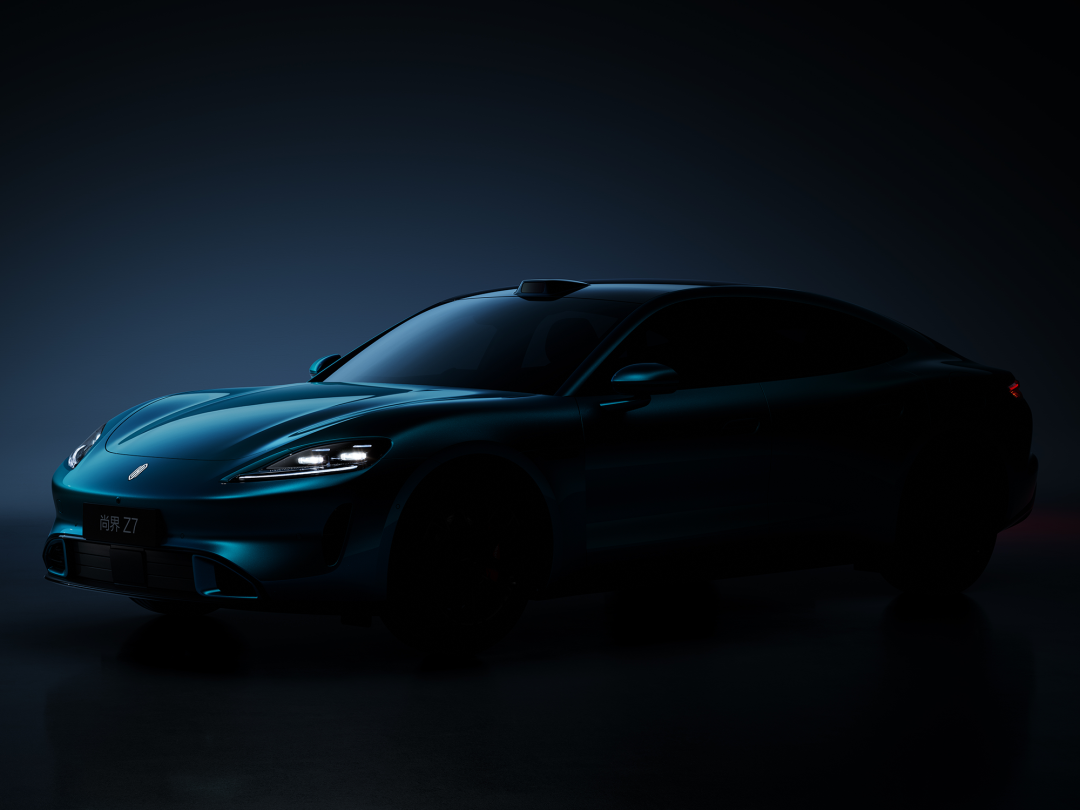
SAIC had recently reported 2025 sales of 4.507 million vehicles, maintaining its lead in China's industry, while its own brands rose to 65 per cent of group volume. At the same time, SAIC had announced its new production model, the Z7, signalling that the cooperation with Huawei is moving beyond an initial test.
Moving past project-based cooperation
The official statement said the two sides would deepen their strategic partnership on the foundation of SAIC's successful cooperation and move toward higher-level collaborative innovation. That wording points to a shift from project execution to longer-term strategic alignment.
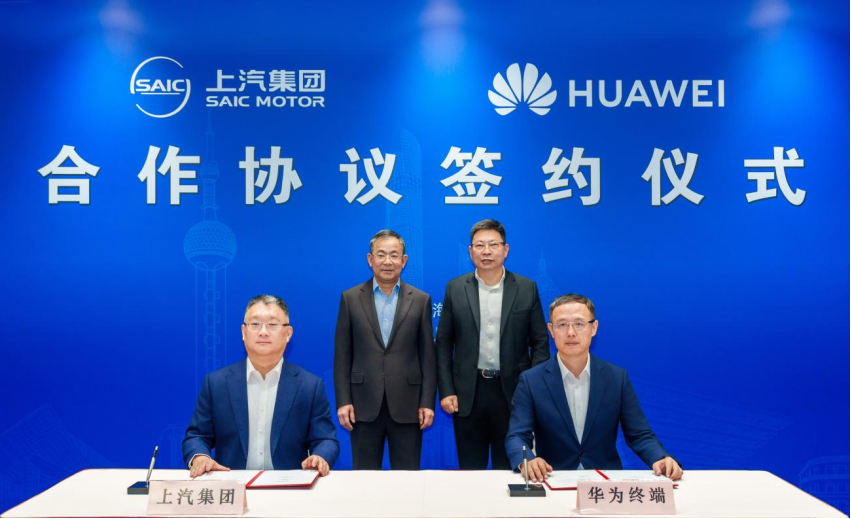
SAIC and Huawei signed their deep cooperation agreement in February 2025, deciding to build SAIC through Huawei's intelligent-selection model. The move came after a major reshuffle of 63 mid- and senior-level managers in SAIC's passenger-car business, showing Jia's willingness to restructure for the new partnership.
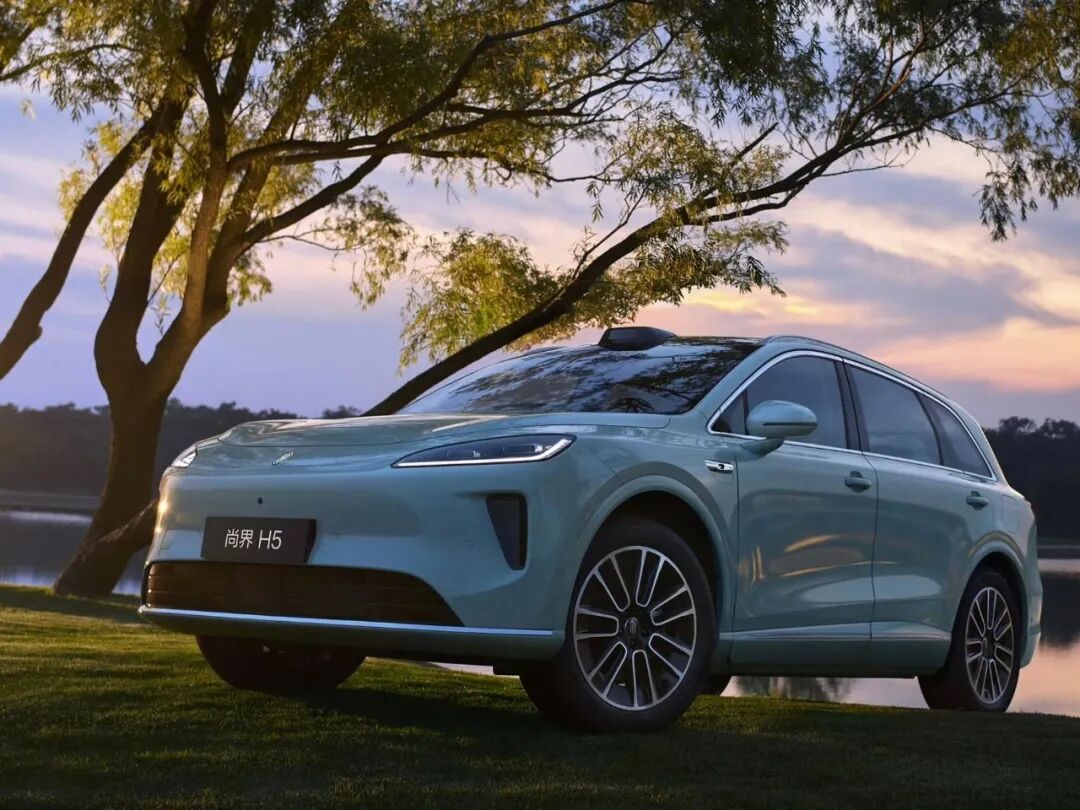
The first SAIC model, the H5, delivered more than 10,000 units within 43 days of launch. It did not reach the expected 20,000 monthly sales target, but it achieved a meaningful start in the intensely competitive roughly $21,000 to $35,000 market and proved that the cooperation model could work.
The next task is to go beyond the old project model, where automakers and suppliers cooperate on one vehicle or platform with clear but limited boundaries. Intelligent vehicles require deeper integration across electronic architecture, sensors, software updates, safety redundancy and user-data loops.
Huawei has said it aims to commercialise its Qiankun ADS highway L3 solution at scale in 2026, with road tests already under way in seven core cities including Beijing, Shanghai, Guangzhou and Shenzhen, according to the article. SAIC, positioned as a mainstream brand inside the Harmony Intelligent Mobility ecosystem, could become a key field for validating and popularising higher-level assisted driving.
From "soul dispute" to shared control
The debate around SAIC and Huawei began in 2021, when then SAIC chairman Chen Hong said the company would struggle to accept a complete solution from a single supplier because the supplier would become the soul and SAIC only the body. The comment became shorthand for automakers' fear of losing control in the software-defined vehicle era.
Jia's visit to Ren can be read as a newer answer to that question. In smart vehicles, control may not be a zero-sum fight over one soul. It may become a division of authority based on what each partner does best.
Under the current structure, SAIC retains control over vehicle engineering, manufacturing, supply-chain management and quality. Using the Nebula pure-electric platform, SAIC models achieve a claimed 1,360km combined range and 800-volt fast charging that can add 200km of range in five minutes, according to the article. Those attributes depend on SAIC's manufacturing and vehicle-development base.
Huawei leads the intelligent-vehicle solution, technology iteration and user-experience layer. SAIC models use the HarmonyOS smart cockpit, Qiankun ADS 4, a 192-line lidar and 4D millimetre-wave radar, supporting urban navigation assistance and end-to-end assisted driving.
The senior-level meeting matters because it appears to lift this division of authority from a vehicle project into a strategic framework. SAIC has a large user base and travel-scenario data, while Huawei has data-processing and algorithm capability. Their combination could support a wider intelligent-mobility service ecosystem.
Overseas and architecture-level ambitions
The partnership may also extend beyond China. SAIC sold more than 300,000 vehicles in Europe in 2025 and covers more than 170 countries and regions globally. Huawei's communications network and brand influence could support SAIC's future overseas expansion.
Reports cited in the article suggest the two companies may have started jointly defining next-generation electronic and electrical architecture. If true, that would move the partnership from product-level cooperation into the technology foundation of software-defined vehicles.
For legacy automakers, this is the difficult middle path. Full-stack self-development is expensive, slow and risky. Simple technology purchasing can leave products indistinct. An independent cooperation brand such as SAIC can concentrate the strengths of both sides while isolating some risk.
SAIC can use Huawei's technology and retail resources to enter the intelligent mainstream market, while relying on SAIC's manufacturing, supply chain and cost control. The model suggests that traditional carmakers do not have to choose between total self-development and passive supplier dependence if the partnership structure is designed carefully.
Z7 as the second test
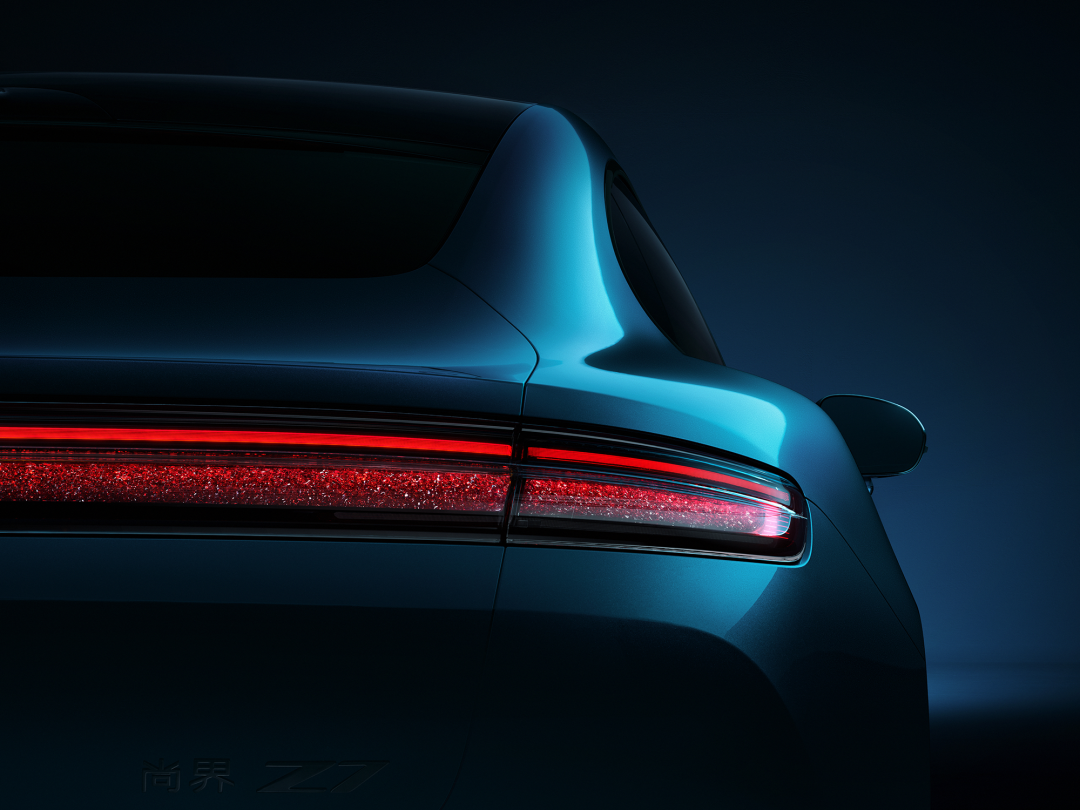
The Jia-Ren meeting came as SAIC disclosed its second model, the Z7, described by Huawei executive Yu Chengdong as the most beautiful coupe in the Harmony Intelligent Mobility line-up. Its concept images drew market attention, and some observers compared it with Porsche.
The Z7's more direct target is likely the mainstream electric coupe market around $28,000 to $42,000, including models such as Xiaomi's SU7, rather than ultra-luxury sports cars. If the H5 was the proof of concept, the Z7 is intended to expand the result.
The old "soul" argument has not disappeared, but SAIC and Huawei are trying to turn it into a more practical form of coexistence. SAIC brings factories, engineering discipline and supply-chain scale. Huawei brings software, intelligent-driving systems and user-facing digital experience.
For China's auto industry, the SAIC model is not the only path. It is a visible experiment in how a large traditional manufacturer can seek smart-car relevance without surrendering every core capability or trying to build every technology alone.