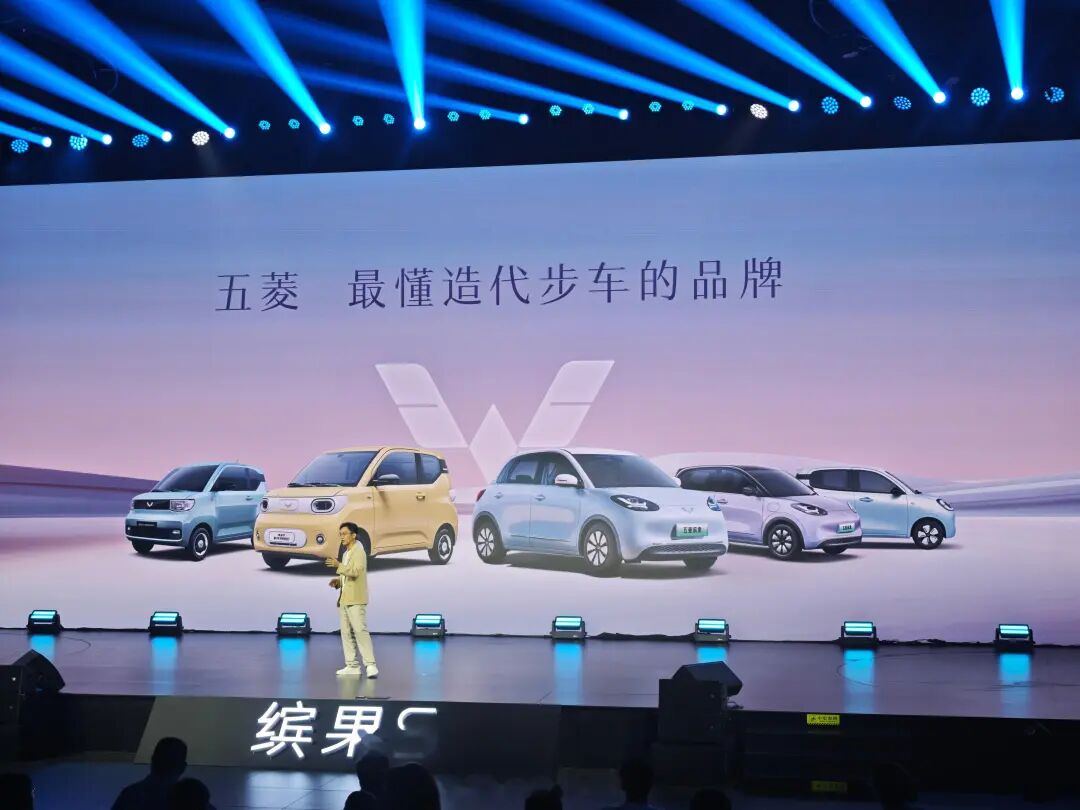
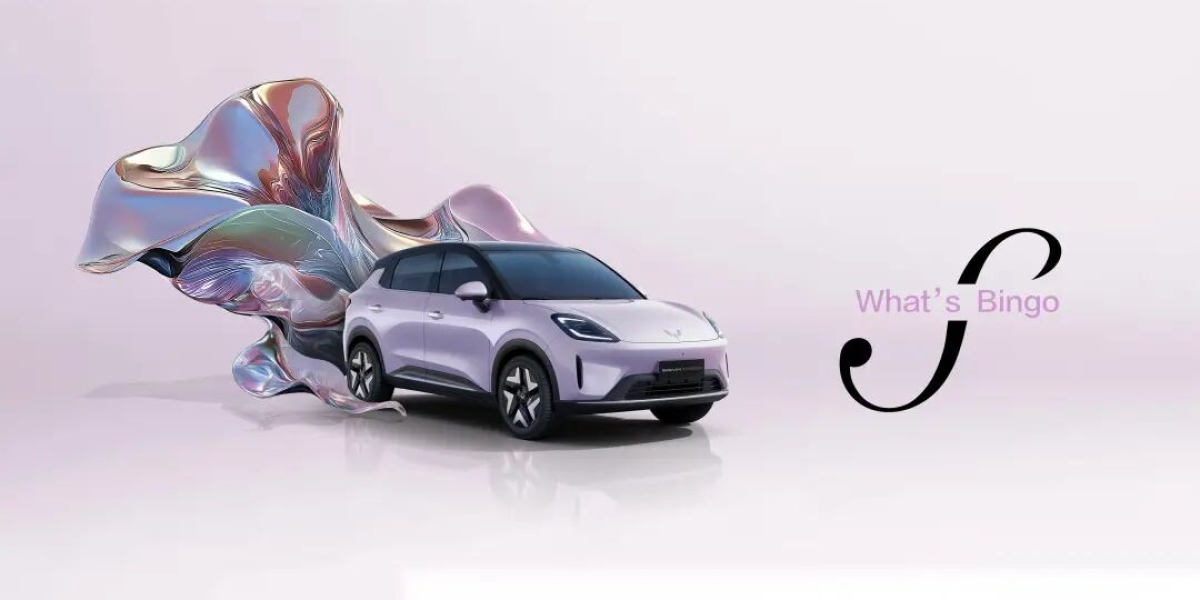
In a more cautious consumer market, a car that becomes a fast-selling hit says something about what buyers actually need.
A rational hit in a cautious market
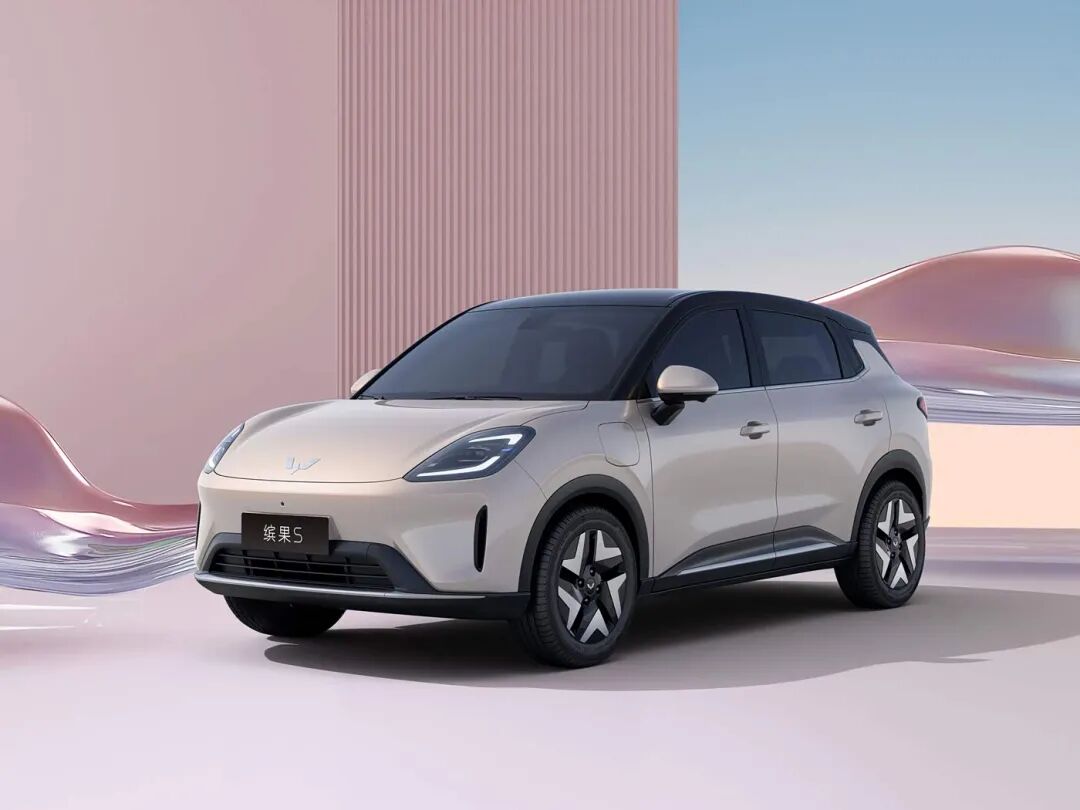
The Wuling Bingo S, an A0-class electric car priced from a little above $8,000, passed 20,000 monthly sales only two months after launch, according to the article.
Its success is not presented as the result of aggressive marketing. It reflects a practical decision by buyers who are weighing durability, cost, space, range and after-sales service more carefully than ever.
As China's new-energy vehicle market moves from fast expansion to higher-quality competition, many brands are chasing attention through smart features and slogans. The Bingo S has instead become a case study in basic usefulness executed well.
A sales map built on practical demand
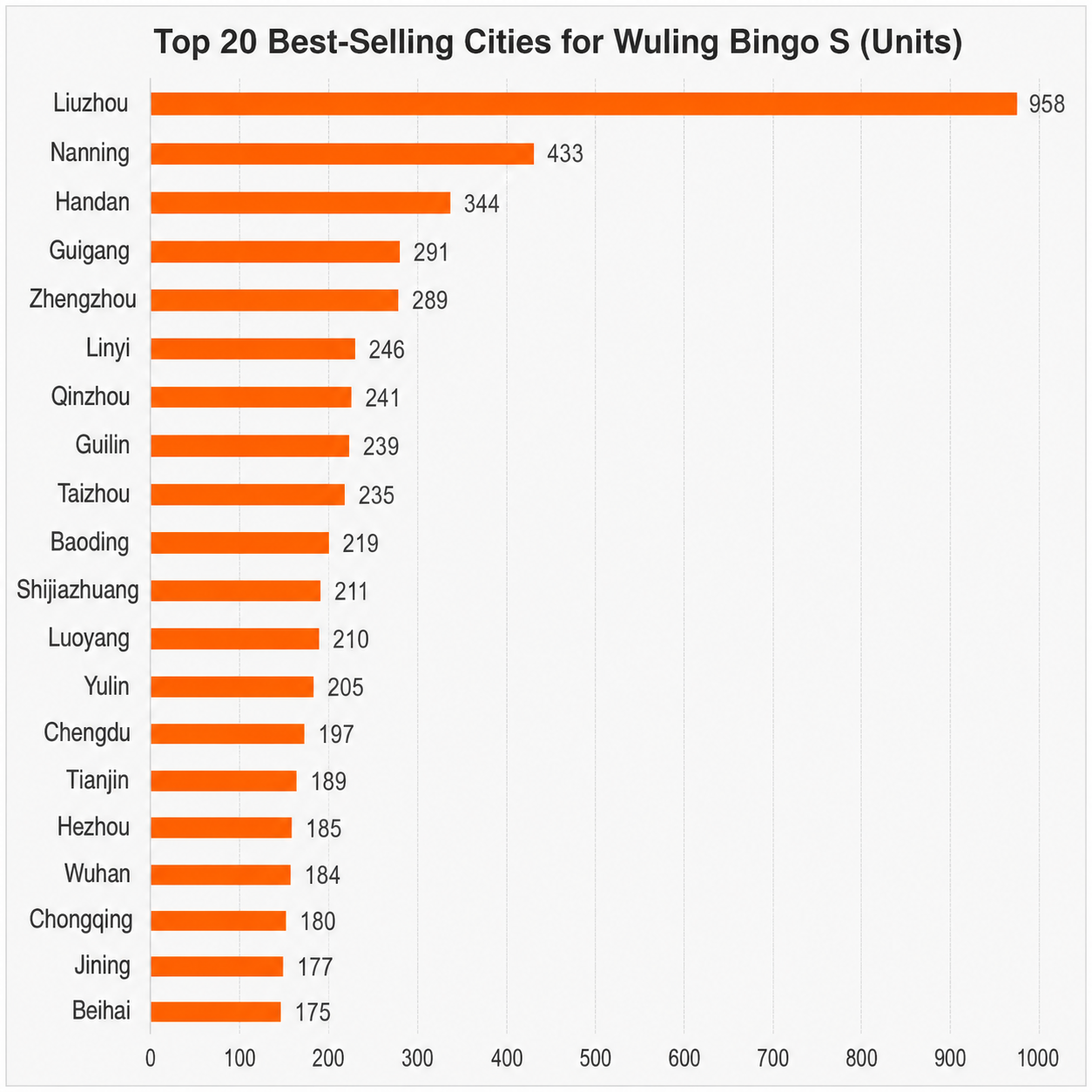
The Bingo S has been strongest in lower-tier cities, county markets and townships rather than only in first-tier urban centres. Cities such as Liuzhou, Nanning, Handan and Fuyang, along with broader markets in Guangxi, North China and Central China, contributed more than 60 per cent of sales among its top 20 cities, according to the article.
These markets have a clear purchase logic. Buyers care less about badge premium and more about whether a vehicle solves real problems. For a shopkeeping couple, it needs to carry goods. For a township teacher, it must handle rural roads and school runs. For a young family, it needs to work for commuting and weekend trips.
The Bingo S answers those needs through packaging. With the rear seats folded, it offers a 1,450-litre sunken cargo space, which the article says is the largest in its class. The small body supports easy movement through narrow city and town roads, while the cargo area can hold farming tools, goods, camping equipment, baby strollers or pet items.
Smaller details reinforce the practical positioning: door pockets sized for large cups, seatback pockets that can hold a tablet, and a carefully set tailgate threshold to make loading heavy items easier.
The two range versions also match different use cases. The 325km version is enough for daily commuting and short town-to-town trips, while the 430km version can support intercity travel and reduce range anxiety.
Wuling's channel network is another advantage. The company says its new-energy sales and service outlets cover 98 per cent of prefecture-level cities and 79 per cent of county-level cities. For buyers outside major cities, accessible service can be as important as the car itself.
Safety as the new standard for low-cost EVs
The Bingo S also tries to challenge the idea that affordable small EVs must compromise on safety. It won a 2025 China Top Ten Body award, becoming the first A0-class electric vehicle to do so, according to the article.
The award, assessed by institutions including the China Automotive Technology and Research Center and the China Society of Automotive Engineers, covers body structure, material strength and crash safety. Previous winners were often joint-venture sedans priced around $28,000 to $42,000 or luxury SUVs above roughly $56,000.
The Bingo S uses what Wuling calls a five-ring ultra-high-strength steel body, with high-strength steel accounting for 74.5 per cent of the structure. Hot-formed 1,500MPa steel makes up 23.7 per cent and is used in key areas such as the A-pillar, B-pillar and sill beams.
A three-path front-force transmission design disperses crash energy during frontal impact. The article says frontal and side-impact energy dispersion efficiency is more than 15 per cent higher than comparable models.
Manufacturing quality is also part of the safety claim. The welding workshop is fully automated, with each weld point controlled within 0.1mm and aligned with General Motors' B1Q-4 global quality standard, according to the article.
Battery confidence and brand trust
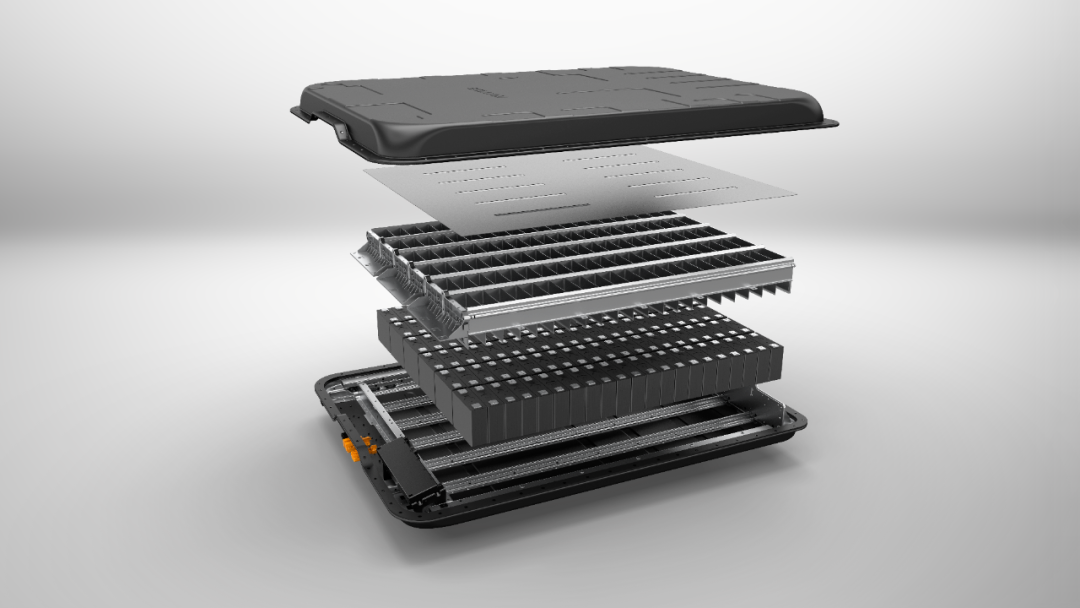
Wuling's self-developed Shenlian battery is the second safety pillar. The article says the battery has been validated across 3 million sales with a zero self-ignition record.
The battery uses non-ignition cells, a five-horizontal and seven-vertical structure and cell-to-chassis integration. Wuling says it has passed tests covering zero self-ignition, zero intrusion, zero spread, zero leakage and zero water ingress, giving buyers reassurance against water, underbody impact and collision risks.
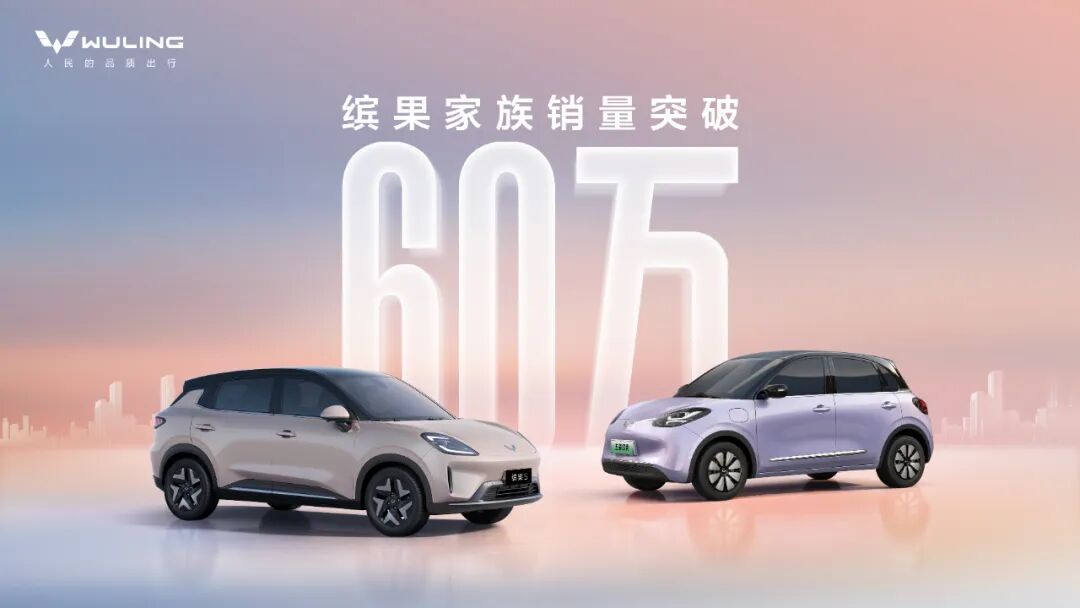
On November 10, SAIC-GM-Wuling said the Bingo family had passed 600,000 cumulative sales. That scale matters because Wuling's commercial strength lies in a feedback loop: practical products win buyers, large user groups generate better feedback, and that feedback shapes the next product.
The Bingo S is therefore more than a small EV with strong monthly sales. It shows that China's broadest consumer base still rewards products that understand daily life, control cost, offer useful space and make safety feel accessible. In the rational-consumption era, that may be the clearest definition of a modern people's car.