
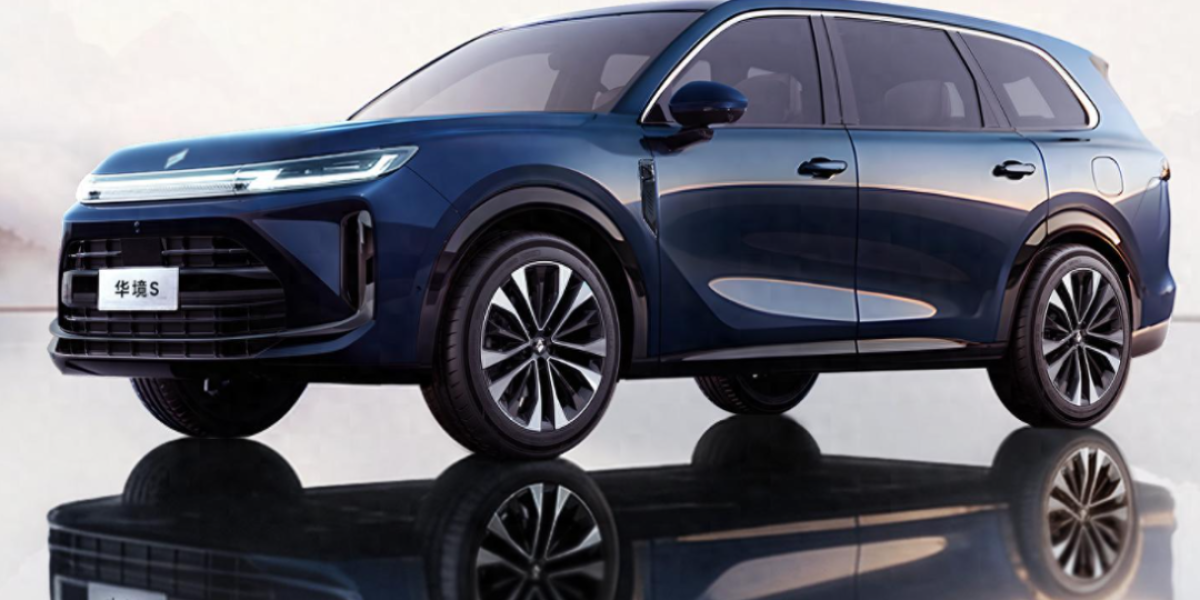
Wuling has one of China's strongest mass-market reputations, but that strength can become a constraint when the company tries to move upmarket.
A new opening for Wuling
Its value-for-money image has created scale and trust, yet premium buyers may hesitate if a new high-end product remains too closely tied to a budget label.
That is why Huajing is becoming important. SAIC-GM-Wuling deputy general manager Zhao Yifan has said Huajing will become a new brand under the company. The move suggests Wuling wants to separate its high-end ambitions from Baojun's value image while still using Wuling's supply chain, user base and channels.
The timing is logical. China's car market has moved from broad expansion into stock competition, and premium new-energy vehicles have become a critical battleground. Wuling has more than 31 million users and strong cost-control capability. Huawei brings smart-driving, cockpit and intelligent-manufacturing technology. Huajing is designed to combine those strengths.
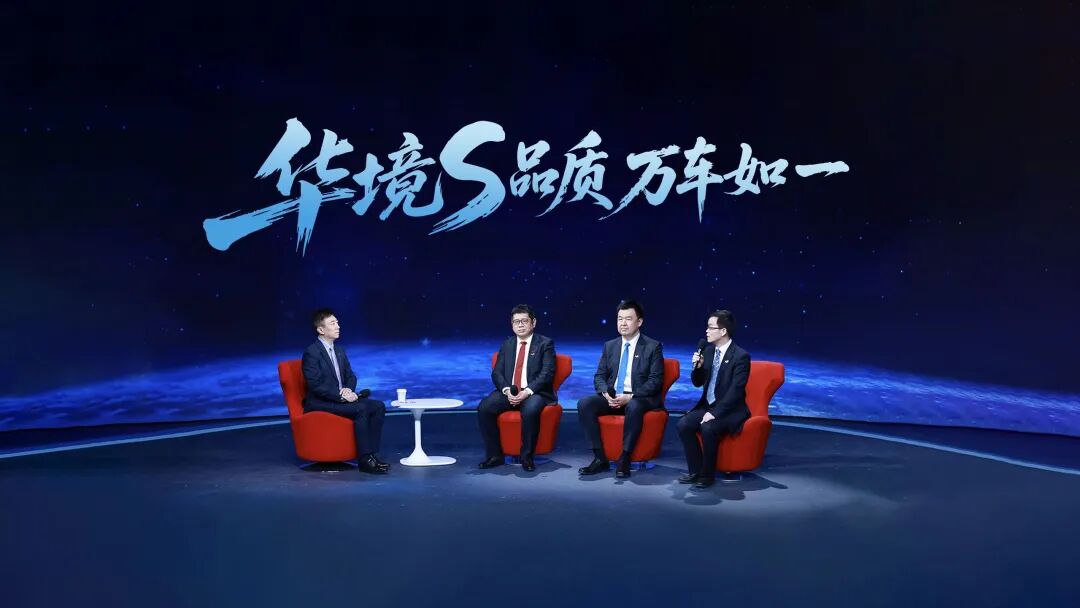
Huawei gives Huajing a faster technology route
Wuling has made technical progress of its own, but moving into the premium family SUV segment requires stronger intelligent-vehicle capability. Huawei gives Huajing a shortcut in an area where self-developed systems can be expensive and slow to mature.
In the roughly $28,000 to $42,000 high-end family SUV market, some competitors offer only basic L2 assistance or charge an additional $3,000 to $4,000 for higher-level features. Others rely more on space and materials than on advanced software. The Huajing S is described in the article as one of the first 2026 models to use Huawei's Qiankun ADS 4 Pro, with advanced assisted-driving features standard across the range.
Huajing is not meant to hand over Wuling's full technical identity. Wuling's in-house Tianyu L platform, Lingxi Power 3.0 system and Shenlian battery remain part of the package. The strategy is to use Huawei for high-value intelligent capability while preserving Wuling's own engineering and cost advantages.
The channel strategy is also conservative in a practical way. Instead of building a large new retail network from scratch, SAIC-GM-Wuling selected 169 existing dealers in 122 core cities, focusing on business districts, transport hubs and high-end communities. The company is covering the cost of zone renovation, equipment upgrades and staff training, reducing the burden on dealers while speeding up coverage.
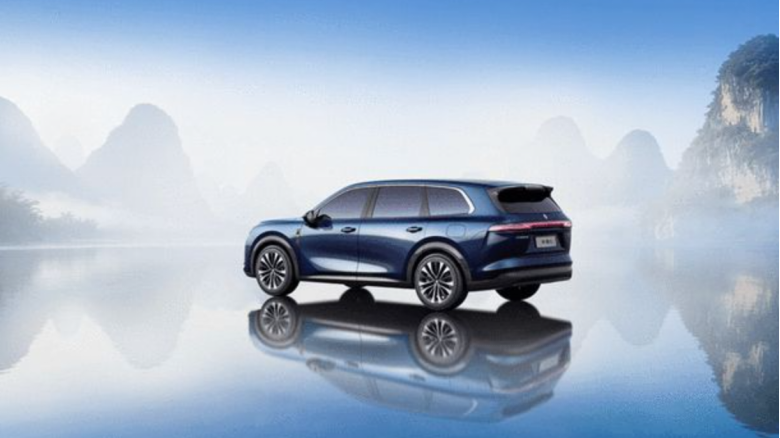
A different form of independence
Huajing's independence is not just a badge change. The brand is being separated so it can avoid the limits of Baojun's value-for-money positioning and build a more premium identity without losing Wuling's operational strengths.
The service model uses dedicated zones and dedicated staff. Huajing outlets will have separate premium service areas, with advisers and technicians trained jointly by Huawei and Wuling. Services are intended to cover consultation, tailored test drives, after-sales maintenance and emergency support.
Huajing also plans added services such as home maintenance, free inspections and lifetime basic data traffic. This approach uses Wuling's existing local network to control cost while applying standardised premium service processes to build a new tone for the brand.
Many Chinese automakers have tried to create high-end sub-brands by starting from zero or by upgrading existing products with higher prices. Both routes carry risks. A completely new brand can be costly and disconnected from the parent company's strengths. A simple upgrade can fail to change consumer perception.
Huajing is trying a third route: technology democratisation. It aims to bring smart features normally associated with more expensive vehicles into a mainstream premium price band, using Wuling's supply-chain efficiency and Huawei's intelligent-vehicle technology.
The Huajing S is positioned around two pillars: intelligence and safety. The article says it brings advanced assisted driving into the roughly $28,000 to $42,000 range, while carrying forward the Shenlian battery's claimed safety record and using Wuling's own Tianyu architecture and Lingxi powertrain system.
The Huawei ecosystem brings opportunity and risk
Huajing's model of automaker plus technology company is now common in China. Huawei's intelligent-car ecosystem covers multiple partner brands and vehicles priced from about $21,000 to $141,000. That scale creates both a technology advantage and a risk of similarity.
Huajing must win enough Huawei resource support to avoid looking like a secondary partner. It must also build a distinct position so buyers do not see it as another vehicle using the same external technology in different packaging.
Wuling's own capabilities may help. Its electric powertrain, battery and supply-chain experience give Huajing something beyond Huawei's software. If the brand can bind Huawei technology to family-use scenarios and build a broader product matrix, it may create a clear role in the premium market.
The channel plan also gives Huajing a potential advantage. Building high-end experience stores from scratch can cost heavily and create operating pressure, while simply using old channels can weaken the premium image. Huajing's dedicated-zone model inside selected existing dealers is a compromise that may control cost while lifting service standards.
A first step, not a finished answer
Huajing's independence is the first step in Wuling's move upmarket. The harder part will be sustaining a premium identity, managing competition inside Huawei's ecosystem and proving that Wuling can sell higher-value products without losing the trust that made it a national mass-market brand.
The strategy has logic: combine Wuling's user base, manufacturing discipline and channel reach with Huawei's intelligent-vehicle capability. Whether it succeeds will depend on product execution, service consistency and how clearly Huajing can define itself in a crowded premium new-energy market.