
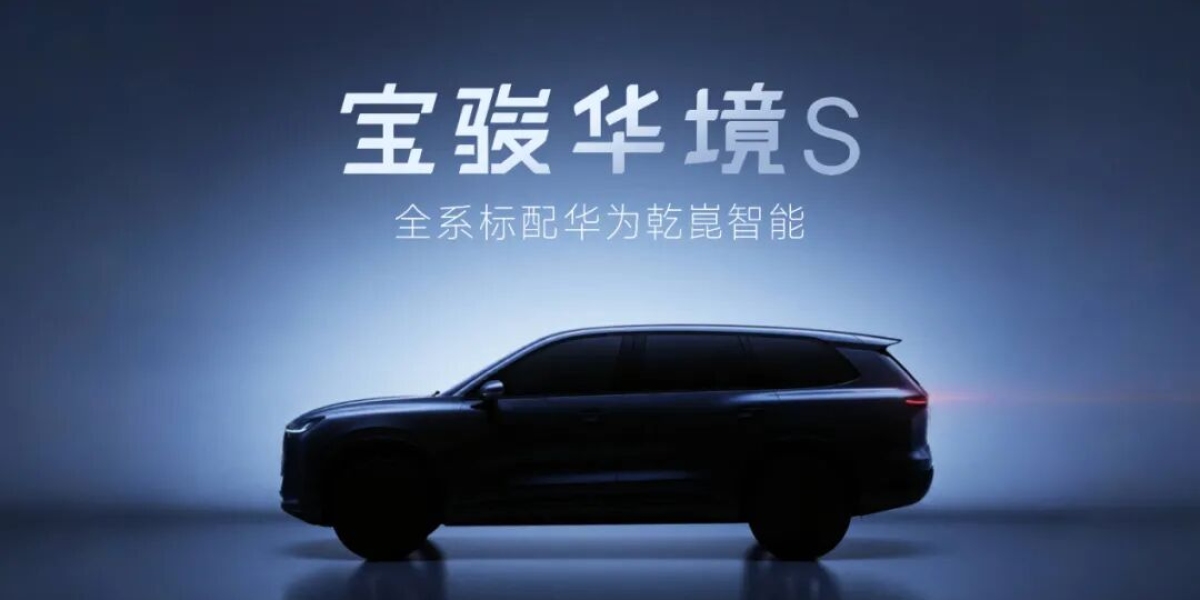
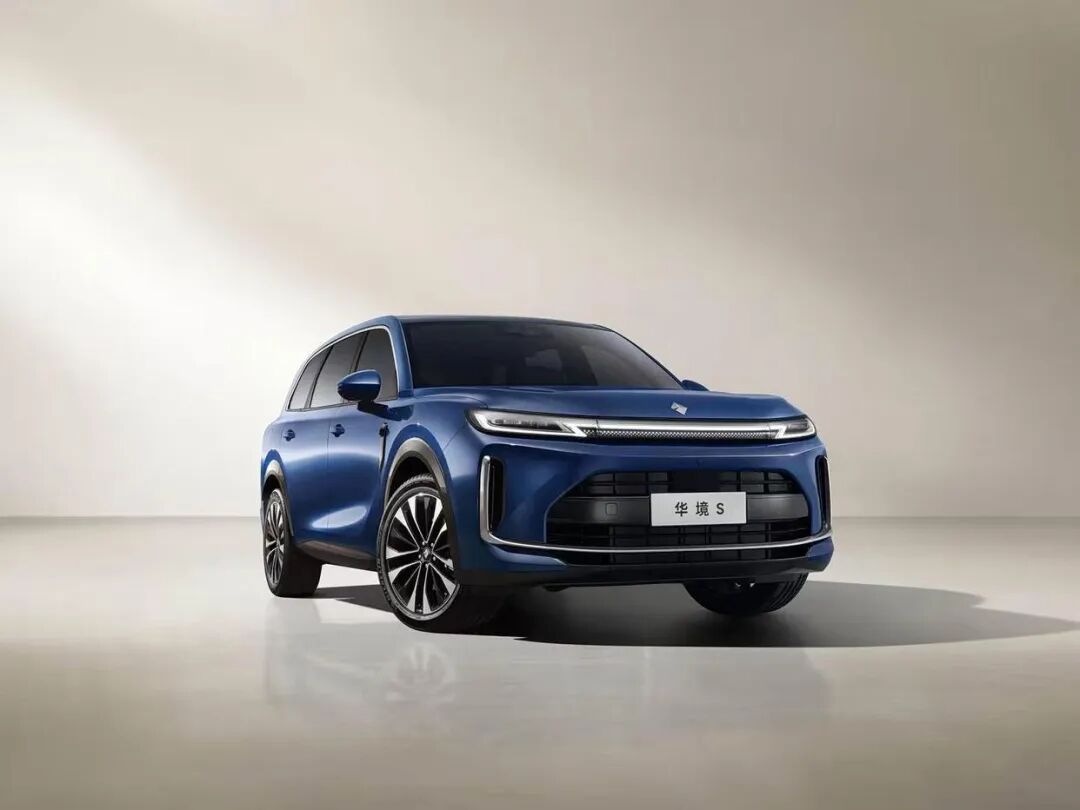
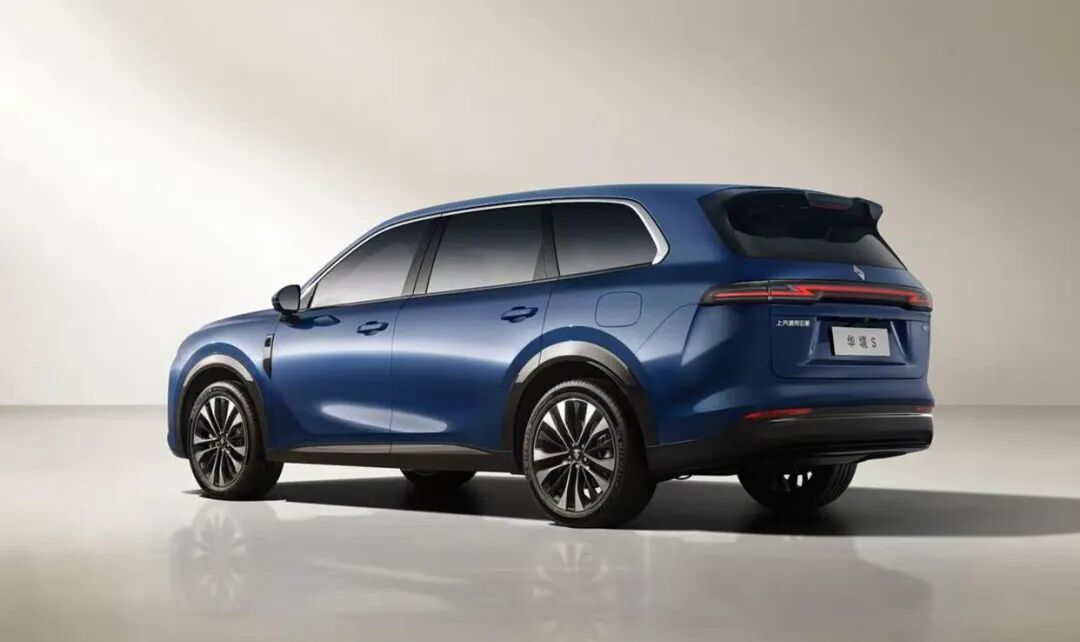
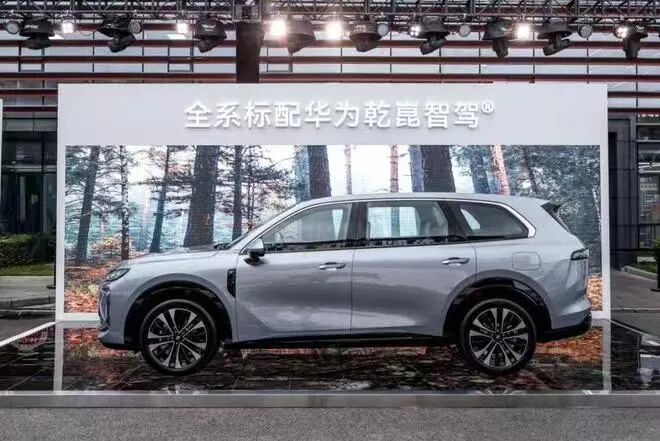
Wuling has launched the Huajing S with a starting price of about $21,000, a large six-seat family SUV equipped with Huawei Qiankun intelligent-driving technology.
A mass-market brand tries to make advanced tech affordable
The price is low enough to surprise the market, but the strategy is not simply about being cheap.
The launch sends three signals. Wuling is making a serious attempt to move upward rather than merely refreshing an existing model. It is making advanced driver assistance more transparent in price by putting it into a lower band than expected. And the new Huajing brand is part of a broader plan to reshape Wuling's position beyond entry-level mobility.
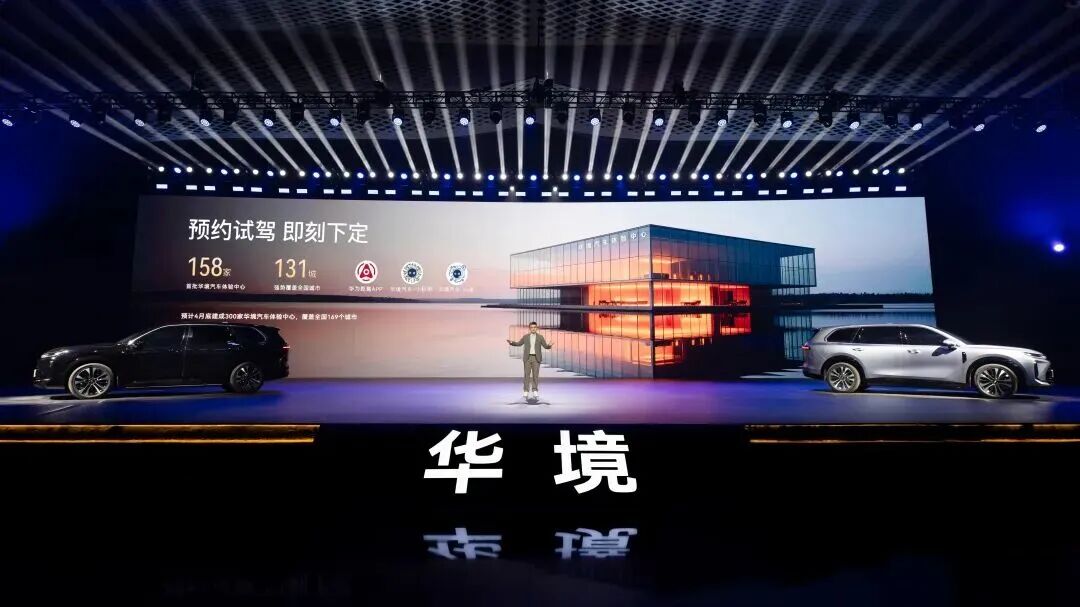
China's new-energy vehicle market is no longer only about sales volume and growth rate. Brand position, technology barriers and market influence matter more. Wuling has long held strong volume positions through entry-level family cars and commercial vehicles, but it has struggled with a higher-end identity. Huajing is its most coherent attempt to break that limit.
The old Wuling strength became a constraint
Wuling occupies a special place in China's car market. Its "people's Wuling" image is built on cost control, a vast urban-rural sales network and products that match practical user needs. It sold more than 1.6 million vehicles last year, proving its scale.
That scale has not translated into equivalent profit or brand value. Entry-level mobility and commercial vehicles are crowded, low-margin categories. Years of price competition have created a familiar pattern: strong sales, weak earnings. Long-term focus below roughly $14,000 also anchored Wuling's image around affordability, transport and utility vehicles, leaving little pricing power for mid-range family upgrades.
Wuling had tried to move up before. Baojun and later silver-badge Wuling models gave the company useful lessons. First, upgrading inside the old Wuling framework does not easily overcome the cheap-car perception. Second, higher segments require core technology rather than only more equipment. Third, differentiation matters; otherwise the brand falls back into price competition.
Huajing is designed around those lessons. It is not a trim line under Wuling. It is a separate higher-end brand aimed at the roughly $21,000-$35,000 mainstream mid-market gap that Wuling had not filled properly.
Borrowing Huawei without becoming dependent
In the intelligent-EV era, carmakers often choose between two difficult routes. They can spend heavily to build a premium brand and channel system, as Nio and Li Auto did. Or they can bind deeply with Huawei through a model that brings technology and traffic quickly but risks weakening the automaker's own brand control.
Wuling's Huajing takes a third route. Through the Huawei HI Plus cooperation model, Huawei supplies Qiankun ADS 4.0 advanced driver assistance and the HarmonyOS cockpit ecosystem. Wuling keeps control of brand ownership, product definition, pricing, production quality and channel operation.
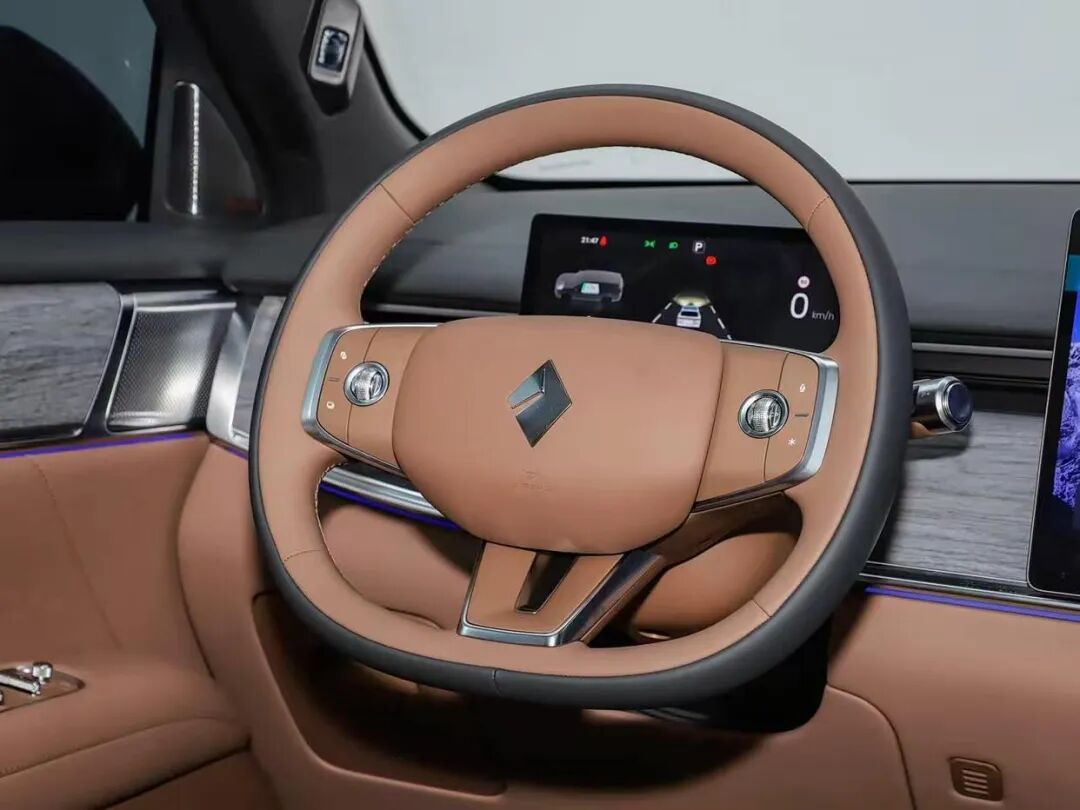
That structure gives Wuling the technology it lacks while protecting its independence. It reduces the risk of becoming a contract manufacturer behind a technology brand.
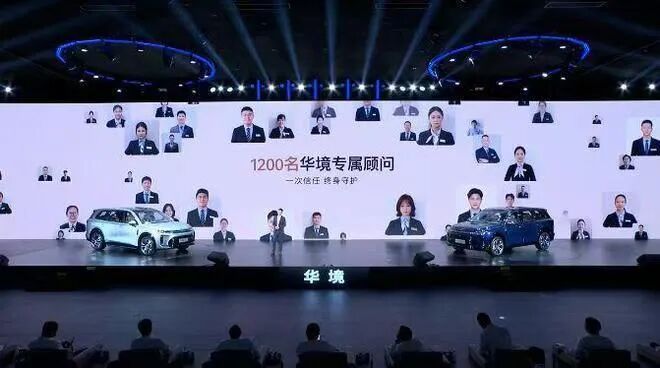
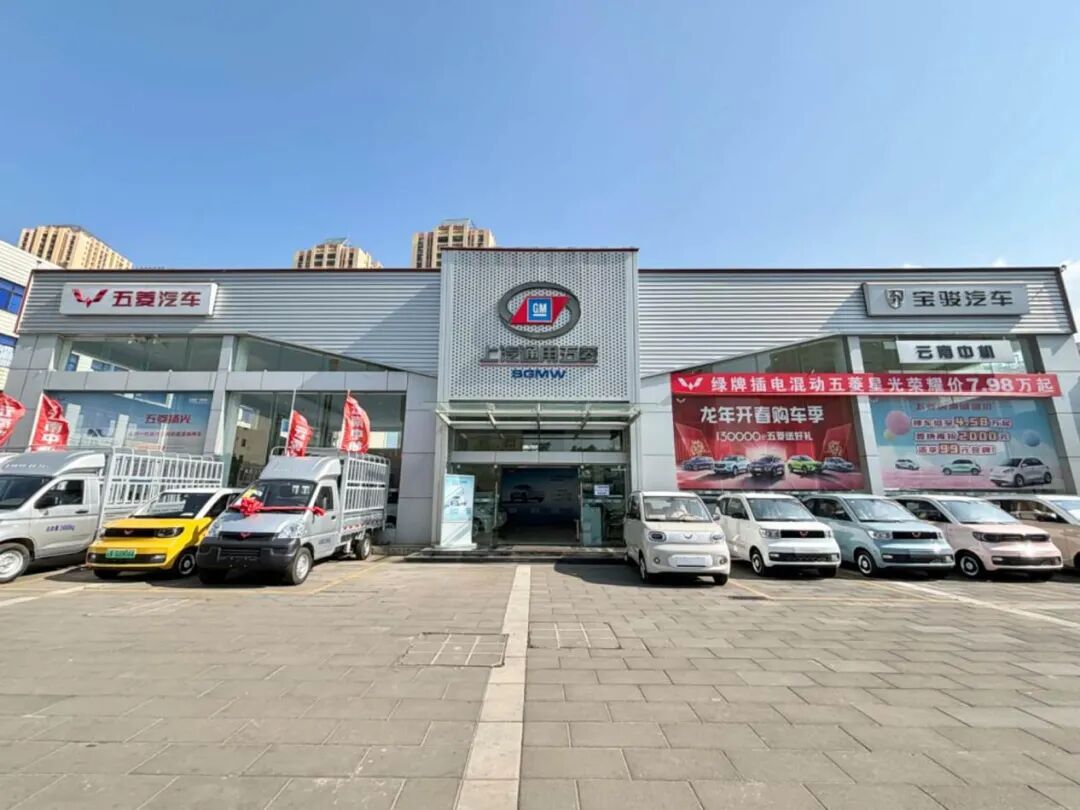
The channel strategy is equally pragmatic. Wuling is not building a costly high-end network from scratch. It is using premium zones inside existing stores and independent experience centres in core cities. That activates its mature distribution resources while creating more specialised service and display settings for Huajing.
Manufacturing is also being upgraded. Wuling's intelligent manufacturing system has received investment on a scale above $1.4 billion, supported by suppliers such as Fuyao and CATL. The aim is to move from scale assembly toward higher-quality intelligent manufacturing.
The low price is the sharpest part of the strategy
The Huajing S starts at about $21,000. That looks aggressive, but it is the central strategic move. For comparison, Aito M9, also carrying Huawei advanced intelligent-driving technology, starts at about $65,000 and can exceed $78,000 in higher trims. One Aito M9 can cost nearly as much as three Huajing S vehicles. Even the lower-positioned Aito M7 starts at about $35,000, roughly $14,000 above Huajing S.
In the current market, large six-seat SUVs with advanced driver assistance and a Huawei-linked smart ecosystem are often priced above about $35,000. Huajing S cuts into that logic by offering a 5.2-metre-class family SUV at a much lower entry point.
Wuling is not trying to maximise per-vehicle profit with this first model. The priority is to break out of the old image, build trust and reset consumer perception. A low entry price plus genuine high-spec technology gives buyers a reason to test whether Wuling can produce something beyond low-cost transport.
The model also targets a clear market gap. The roughly $21,000-$28,000 family segment remains one of China's most important price bands. Huajing S combines space, intelligence and value to pull buyers from traditional joint-venture family cars, domestic petrol SUVs and mid-market new-energy models.
The short-term goal is fast volume and word of mouth. The longer-term goal is to let Huajing continue iterating products and gradually move from value breakthrough to brand value.
A test of technology democratisation
Huajing S does not mean Wuling has abandoned its old philosophy. The company is still trying to make useful cars for ordinary buyers. The difference is that the idea has moved upward. Instead of making basic transport affordable, Wuling is trying to make advanced intelligent-driving and smart-cabin functions affordable.
That matters because high-end EV technology is moving down the market. As intelligent-driving systems, smart cockpits and battery-electric platforms mature, the question becomes which company can bring those features to family buyers first without losing cost control.
Huajing S is therefore bigger than one model launch. It is Wuling's attempt to leave low-end price competition and claim a role in the next stage of China's car market, where technology access and brand upgrading happen at the same time. Its success will depend on whether buyers believe that a company known for affordable cars can also deliver premium-level intelligence with mass-market discipline.