
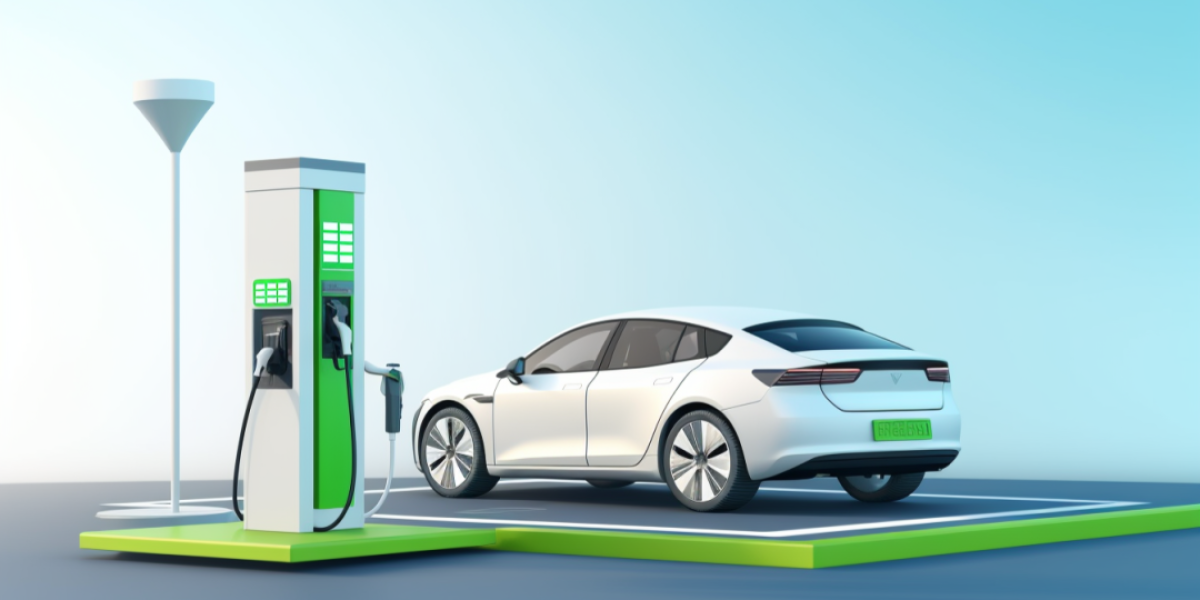
A new-energy vehicle bought for about $42,000 can be worth less than $21,000 three years later, while a comparable petrol car may still retain more than about $25,000.
The resale problem behind the EV boom
That gap has turned residual value into one of the most uncomfortable questions in China's EV market.
According to the China Automobile Dealers Association's October 2025 vehicle residual-value report, plug-in hybrid models had a three-year residual value of only 43.7 per cent, while battery-electric vehicles fell to 42.0 per cent. Traditional petrol cars generally remained above 50 per cent, Japanese joint-venture brands stayed above 54 per cent and Porsche led luxury brands at 66.2 per cent.
The data expose a contradiction in China's new-energy boom. Sales are strong, but many vehicles lose value quickly because technology, pricing and buyer expectations are moving faster than the used-car market can absorb.
A widening gap with petrol cars
The October report showed that three-year residual values fell month on month across all vehicle categories. New-energy models were under particular pressure.
Among luxury brands, Porsche led the market, while Lexus and Land Rover even gained from the previous month. Some new-energy luxury brands, including Tesla, moved lower. Among joint-venture brands, Honda and Toyota retained 55.6 per cent and 54.8 per cent respectively, still well ahead of the new-energy average.
Among Chinese brands, GAC Trumpchi led at 55.8 per cent, while Tank, Changan and Geely all exceeded 50 per cent. New-energy-focused brands were more uneven, with only a small number of leaders approaching those levels.
The difference becomes clearer when fuel and electric versions of similar models are compared. A petrol model may lose 40 to 50 per cent of its value over five years, while the electric version can lose 60 per cent or more.
High-end EVs above about $42,000 can be especially difficult. Some non-leading models lose more than a third of their value within six to 12 months, and some flagship vehicles fall by around 20 per cent soon after delivery. That has made used-car dealers more cautious about buying expensive new-energy vehicles.
There are winners, but they are fewer
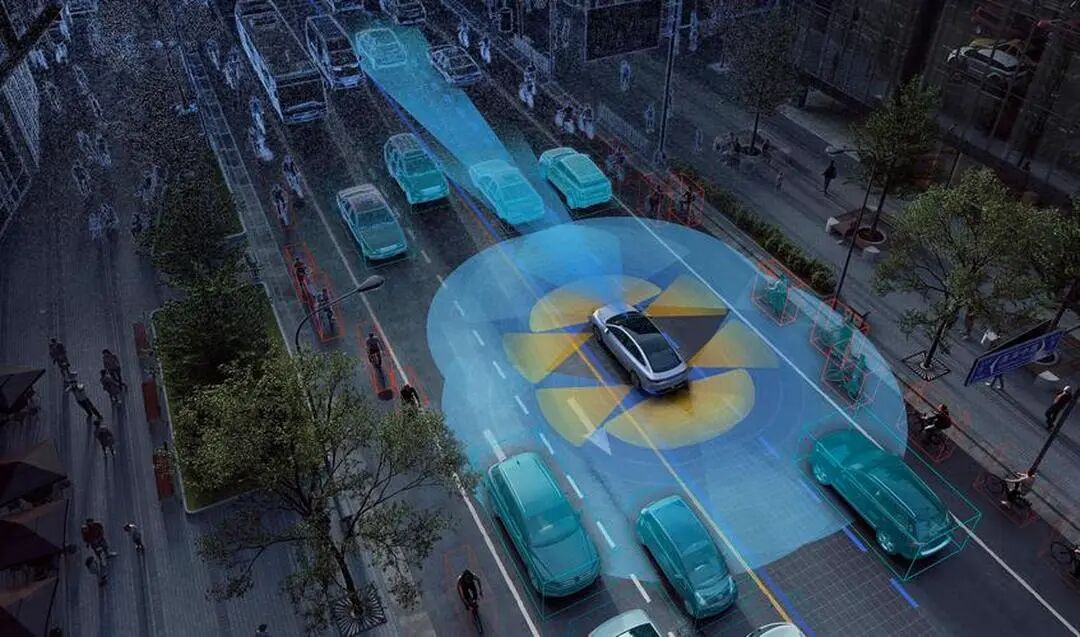
The market is not uniformly weak. In the October one-year residual-value ranking for battery-electric models, Xiaomi SU7 led with 85.1 per cent. Aito M9 topped the one-year list for plug-in hybrids. Li Auto L9 and Tesla Model 3 led the three-year lists for plug-in hybrid and battery-electric models respectively.
Chinese new-force brands held eight of the top 10 places in the one-year residual-value ranking. Xiaomi, Aito, Roewe and GAC Trumpchi all performed well, while Tesla Model Y, once a long-time leader, fell to eighth.
Vehicle size also matters. Large new-energy models, supported by stronger brand influence and higher technology content, can reach three-year residual values above 65 per cent. Mid-size and mid-to-large SUVs often remain above 55 per cent. Small SUVs and compact cars are more often between 45 and 50 per cent, while micro EVs have stable buyers but still sit below the industry average.
Technology moves faster than used-car pricing
The biggest reason EVs depreciate differently is the speed of technology change. In the past decade, mainstream EV range has moved from about 300km to more than 700km, fast-charging time has fallen from hours to around 15 minutes, and battery energy density has doubled.
That pace quickly turns older cars into previous-generation products. A 500km range that looked competitive two years ago can now be entry-level. L2 driver assistance that once felt advanced is being replaced by more capable urban NOA systems.
Policy changes can accelerate the effect. From 2026, China's purchase-tax rules for plug-in hybrid passenger cars will raise the pure-electric range threshold from 43km to 100km. Many older plug-in hybrids may therefore face a policy-related value discount.
For used-car buyers, older EVs carry two kinds of risk: weaker equipment and faster obsolescence. That makes them less willing to pay high prices.
Price wars hit second-hand values
China's new-car price war is another force pushing used EV values down. Passenger-car association data cited in the article show that the average new-energy vehicle price in September 2025 fell to about $22,000, dropping below the roughly $22,000 threshold for the first time and down more than 8 per cent from about $24,000 a year earlier.
Promotional discounts also widened to 10.2 per cent that month, up 2.6 percentage points year on year. From January to September, the average new-energy passenger-vehicle price cut reached about $3,000, with pure EVs seeing some of the sharpest reductions.
When new models arrive with better equipment at lower prices, older vehicles lose competitiveness immediately. Used-car dealers then build larger risk margins into trade-in prices, pushing second-hand values lower.
The old residual-value ruler may be wrong
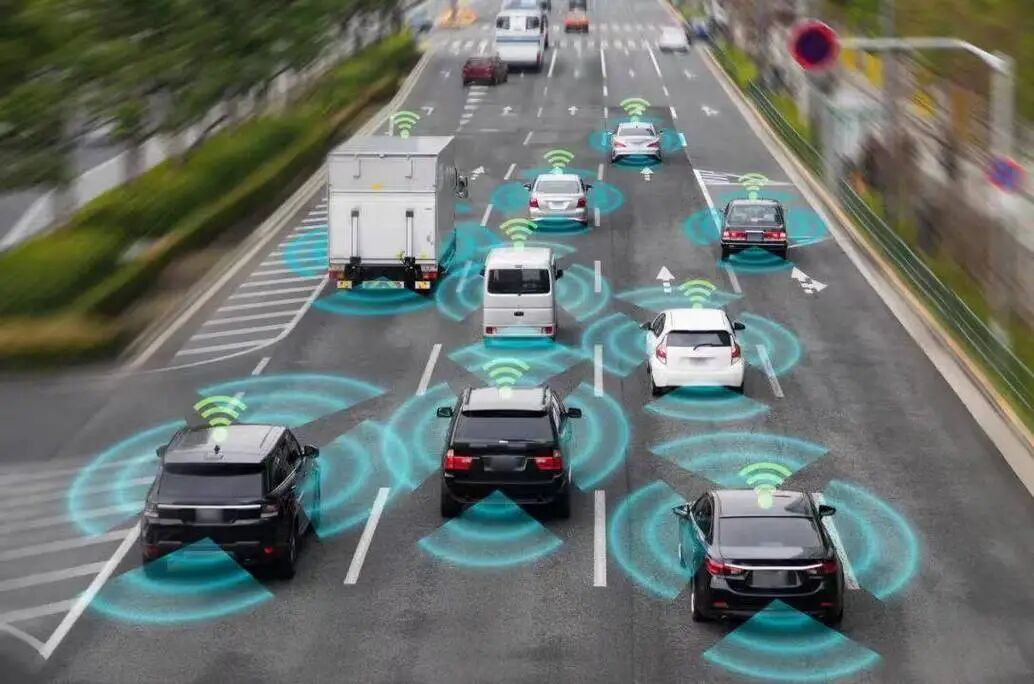
The industry increasingly needs to ask whether it is measuring EVs with a petrol-era tool. Traditional residual-value logic was built around mechanical durability, engine and transmission condition, age and mileage. Petrol cars usually decline in value in a relatively predictable way after delivery.
Smart EVs are different. Their value includes the battery, electric-drive system, software, connectivity, assisted-driving capability and post-sale upgrade potential. OTA updates can add functions after delivery, making the value curve less linear than that of a conventional car.
A better EV valuation system would need to cover the whole life cycle. It should include battery health, charging history, battery-cycle count, three-electric-system fault records, software-update history, repair records, insurance data and service rights.
Policy is starting to move in that direction. In September 2025, eight Chinese government departments issued an auto-industry growth plan for 2025-2026. It called for easier cross-region used-car registration, reverse invoicing measures and a vehicle life-cycle information-sharing platform covering production, sales, maintenance, insurance and battery status.
From residual anxiety to clearer data
The weakness of EV residual values is real, but it is not only a sign that the cars are poor assets. It also shows that the valuation system has not caught up with the product.
Clearer battery and software data would give used-car buyers more confidence, help dealers price risk more accurately and allow stronger EV brands to prove the durability of their products.
For consumers, that could make purchase decisions more rational than a single residual-value figure. For automakers, it could become a way to escape pure price competition and build trust around long-term value. The EV depreciation problem will not disappear quickly, but it can be made more transparent.