
October gave China's carmakers plenty of reasons to celebrate. Leapmotor, Xpeng, Nio, BAIC New Energy, FAW Bestune, Lynk & Co and Dongfeng eπ all set monthly sales records. BYD and Geely also delivered strong figures.
Strong numbers, uneasy foundations
But the market's surface strength hides a more difficult question. With purchase-tax incentives nearing adjustment and manufacturers rushing new models into the market, some of the demand may have been pulled forward from 2026.
The result is a market that looks strong in the short term but may be entering a tougher phase. Leaders are pulling away, middle-tier brands are fighting for relevance and weaker companies are falling further behind.
The age of the hit model
October also showed that the old logic of broad portfolio competition is changing. In several cases, a single successful model or product line was enough to transform a brand's monthly performance.
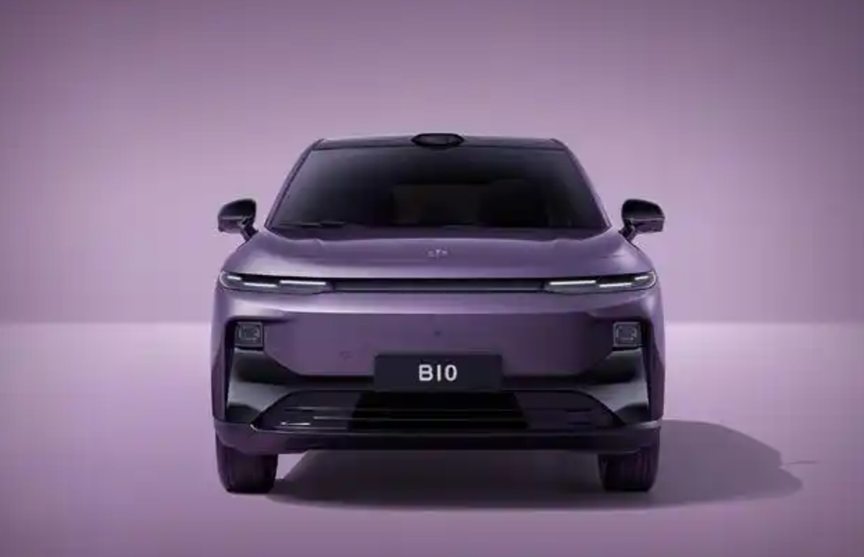
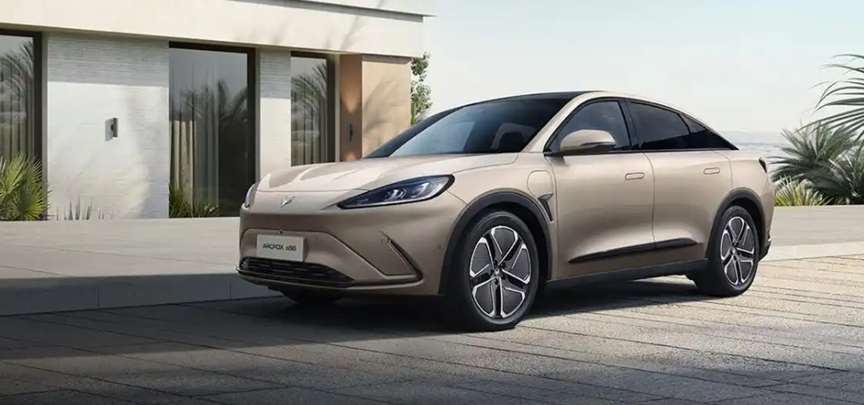
Leapmotor delivered more than 70,000 vehicles and became the leading new-force brand for the month, helped by the B10 in the mass-market segment around roughly $14,000. Xpeng and Nio both crossed the 40,000-unit mark, with Xpeng's MONA M03 and Nio's Onvo playing central roles. BAIC New Energy also moved back into the main competitive field because of Arcfox's stronger sales.
That pattern is visible in Xiaomi SU7, Xpeng MONA M03 and BAIC's recent rebound. In a market where consumers are more selective, one clear hit can matter more than a wide but unfocused line-up.
The split between companies is widening. BYD sold about 3.65 million vehicles in the first 10 months, completing around 79 per cent of its expected target. Geely's new-energy sales reached 1.34 million over the same period, about 89 per cent of its 1.5 million target. Those leaders have little doubt about meeting or approaching their annual goals.
Leapmotor sold 520,000 vehicles in the first 10 months, opening a gap over Nio and Xpeng in the new-force category. The ranking among Nio, Xpeng and Li Auto remains fluid, but smaller brands with weak target-completion rates may face channel contraction, consolidation pressure or both.
Consumers are changing the rules
The October surge was helped by policy timing, but policy alone does not explain the market. Consumers are still buying because products have improved. The deeper change is that demand is becoming more segmented and more rational.
At the high end, Harmony Intelligent Mobility delivered 68,200 vehicles in October, with an average transaction price of about $54,000, above the German luxury trio. Stelato held a leading position among luxury new-energy sedans above roughly $42,000.
In the mass market, Leapmotor passed 70,000 monthly deliveries, up more than 84 per cent year on year, while Geely Galaxy reached its annual one-million-unit target ahead of schedule. That shows two lanes forming at once: affluent buyers pay for intelligent experience and brand premium, while mainstream buyers prioritise value and practical functions.
The middle ground is becoming dangerous. Brands with unclear positioning, uneven pricing or weak identity are being squeezed from both sides.
Buying logic is changing as well. Consumers no longer look only at hardware specifications. They care about aftersales support, ecosystem services, software updates, user co-creation, subscription services and links with broader digital lifestyles. The vehicle is becoming part of a longer ownership relationship rather than a one-time product purchase.
The risks after the year-end rush
The industry still faces three pressures: policy retreat, inventory strain and sharper competition. The rush to capture orders before tax incentives change may leave a demand gap in early 2026.
Dealers are also under pressure. Manufacturers trying to hit annual targets can increase channel inventory and tighten working capital. Cash discounts and subsidised finance may support sales, but they also compress margins for companies that are already struggling to make money.
New-model launches are likely to intensify as the year-end contest moves into its final phase. That will make the market even harder for brands without distinctive products or a clear customer base.
China's auto market is moving away from policy-driven expansion toward a new cycle based on technology, service and ecosystem depth. That makes passive participation dangerous. Companies need to define how they will grow after the policy window closes.

How carmakers can respond
First, manufacturers need stronger technology anchors. Investment in batteries, intelligent driving, vehicle operating systems and cabin software is becoming a basic requirement rather than a premium option.
Second, they need a plan for the possible demand gap after policy changes. Trade-in and replacement buyers will matter more, which means simpler exchange processes, clearer incentives and better retention of existing customers.
Third, companies must match product and brand to different income groups. Premium brands need software partnerships and stronger intelligent experiences. Mass-market brands need cost discipline, supply-chain efficiency and credible value. Leapmotor's "high value, high intelligence" image is an example of how a mainstream player can build a defensible position.
Digital retail will also become more important. Recent interest in online car sales and technology-platform participation suggests that online-offline integration can help compensate for weaker showroom traffic. Dealers, in turn, need more realistic demand forecasts and stronger service rather than blind inventory accumulation.
The real test begins after the celebration
October's sales numbers were impressive, but they should not distract from the underlying test. The Chinese car market of 2026 is unlikely to grow as freely as it once did.
The companies that survive the next phase will not be those most excited by a single strong month. They will be the ones that convert short-term sales into technology strength, customer trust and more disciplined operations.
For China's car industry, the sales celebration may be ending just as the harder examination begins.