A flagship debut, the decline of a once-core model and a restructuring pledge may appear contradictory.
Taken together, they reveal a more deliberate strategy: Audi is preparing a structural reset to defend its position in a rapidly changing luxury market. The global debut of the Audi Q9, the sharp decline in Audi A4L sales, and a broad restructuring announcement have created a mixed picture of the brand’s 2026 outlook. Yet the three developments point toward a common direction — Audi is actively reshaping its portfolio rather than waiting for market pressure to force change.
Audi’s Three-Pronged Reset: Raising the Top, Protecting the Core and Clearing the Past
Luxury carmakers face a difficult equation. Expanding every product line can create complexity, weaken pricing power and dilute brand identity. Audi’s latest moves suggest the company is choosing a different path: removing structural weaknesses while strengthening the models that define its future.
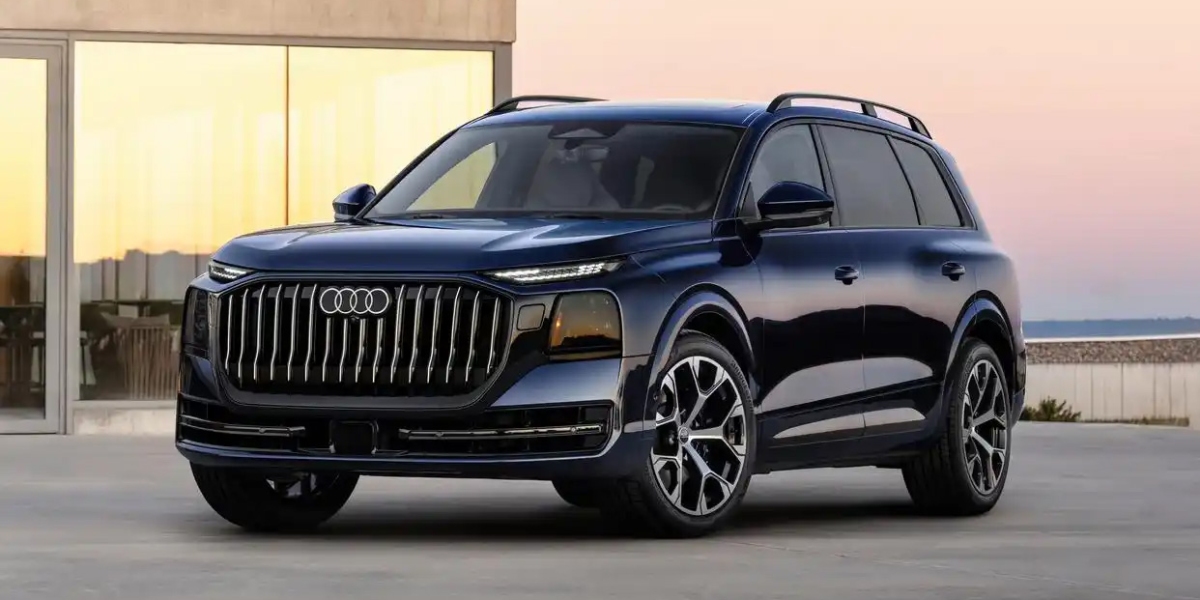
The first move targets the top of the range. Audi has introduced the Q9, its first model carrying the “9” designation and the largest SUV in the brand’s history. Measuring 5.31 metres in length with a 3.14-metre wheelbase, the flagship SUV initially arrives with a 3.0-litre V6 diesel engine producing 220 kW (299 hp).
Audi’s global CEO Gernot Döllner described the Q9 as a new flagship for the company’s portfolio and part of an effort to further elevate Audi’s luxury positioning. The strategy is clear: a higher ceiling at the top of the lineup can lift the perceived value of models below it, including the Q7, Q5 and A6.
The second move focuses on the brand’s core battlefield. The third-generation Q7 introduces a six-seat configuration for the first time, while maintaining five-, six- and seven-seat layouts. Built on the Premium Platform Combustion architecture, it supports combustion engines, hybrids and plug-in hybrids.
Rather than chasing only electric trends, Audi is targeting loyal premium SUV buyers who still value traditional engineering. The combination of the EA839 six-cylinder engine, mechanical quattro all-wheel drive and air suspension forms what Audi sees as a mechanical flagship package.
The A4L Problem: When a Successful Model Starts Holding Back the Brand
The most difficult decision concerns the A4L. Once one of Audi’s strongest sellers in China, the model delivered only 14,181 units in the first half of the year, a figure that highlights the challenge facing older premium sedans.
The issue is not simply volume. Heavy discounts pushed the A4L’s transaction price below $27,000, creating pressure on Audi’s pricing structure and limiting room for newer models such as the A5L.
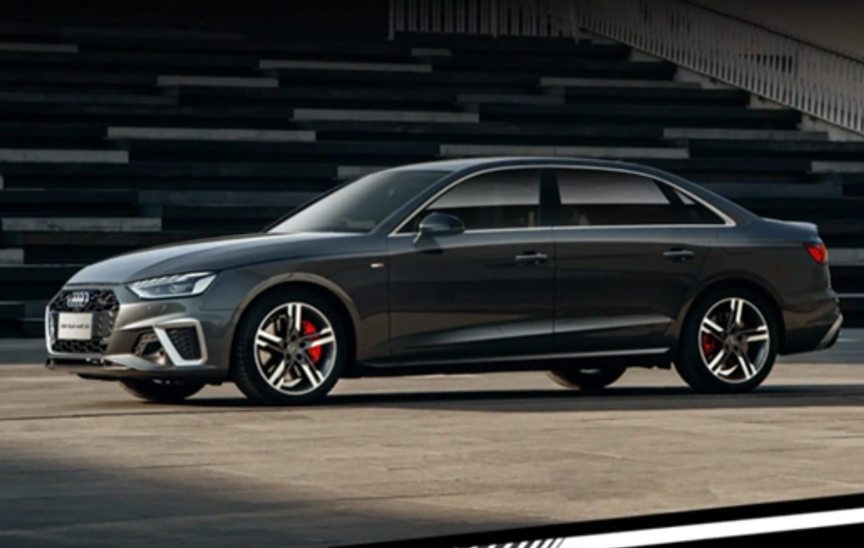
Keeping an ageing model alive can become a hidden cost. If customers can buy a heavily discounted A4L, convincing them to pay significantly more for a newer premium sedan becomes increasingly difficult. Audi’s decision to phase out the model represents an attempt to protect long-term brand positioning rather than chase short-term sales.
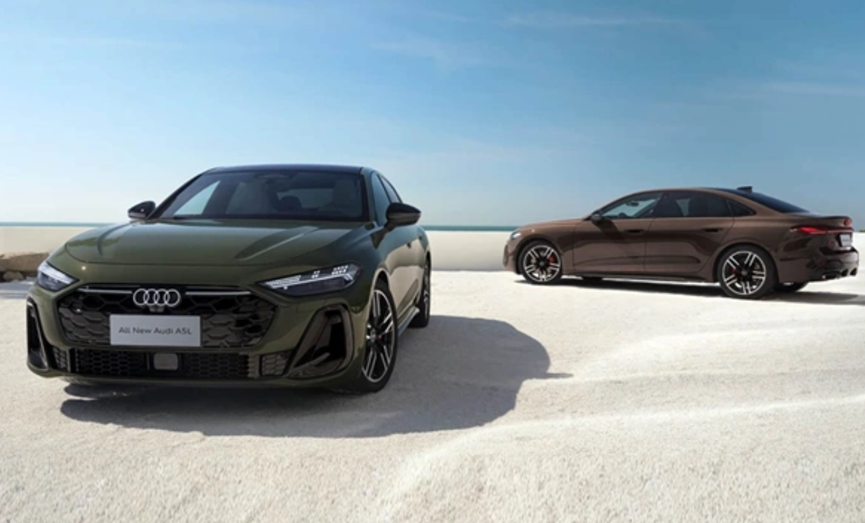
With the Q9 at the top, the Q7 defending the core SUV segment and the A4L making way for newer products, Audi is effectively rewriting its product hierarchy.
Redefining Luxury Beyond Horsepower
The luxury market is changing. As electrification makes power delivery increasingly similar across brands, premium manufacturers need new ways to create differentiation. Audi’s answer is to shift the focus from performance figures toward experience.
The Q9 is built around three experience pillars: light, sound and ceremony.
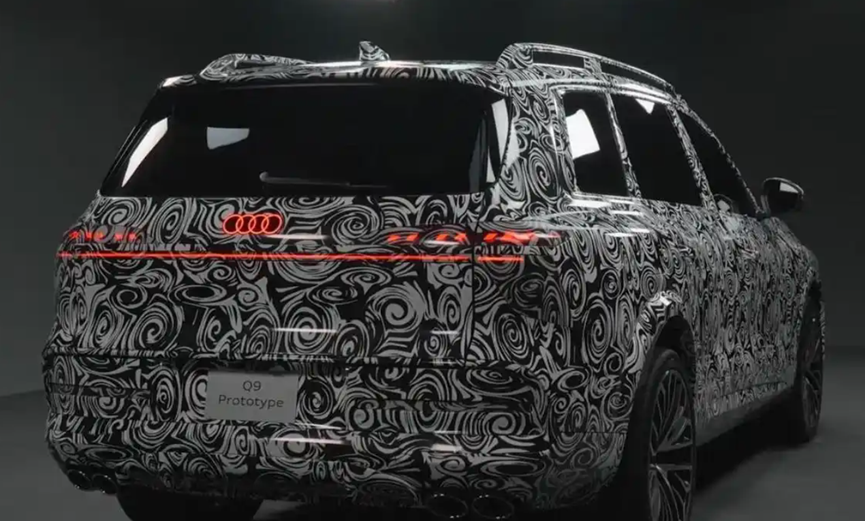
The SUV features Audi’s first production curved digital OLED rear light system, using six OLED panels with 512 illuminated segments. Dynamic lighting functions are designed not only for visibility but also to create a stronger emotional connection with the vehicle.
Inside, buyers can select a Bang & Olufsen 4D premium sound system with seat-integrated vibration technology. Ambient lighting responds to music, allowing occupants to experience sound through multiple senses rather than simply listen to it.
Audi has also introduced electric doors controlled through multiple interfaces, including the key, mobile app, MMI system, brake pedal and seat belt operation. Sensors allow the doors to stop automatically when obstacles are detected. Combined with a panoramic roof, nine-zone transparency adjustment and extensive ambient lighting, the Q9 turns entering the vehicle into part of the luxury experience.
Audi’s Restructuring Message: Short-Term Pain for Long-Term Strength
The product strategy alone is not enough. Audi also needs an organisational structure capable of supporting the transformation.
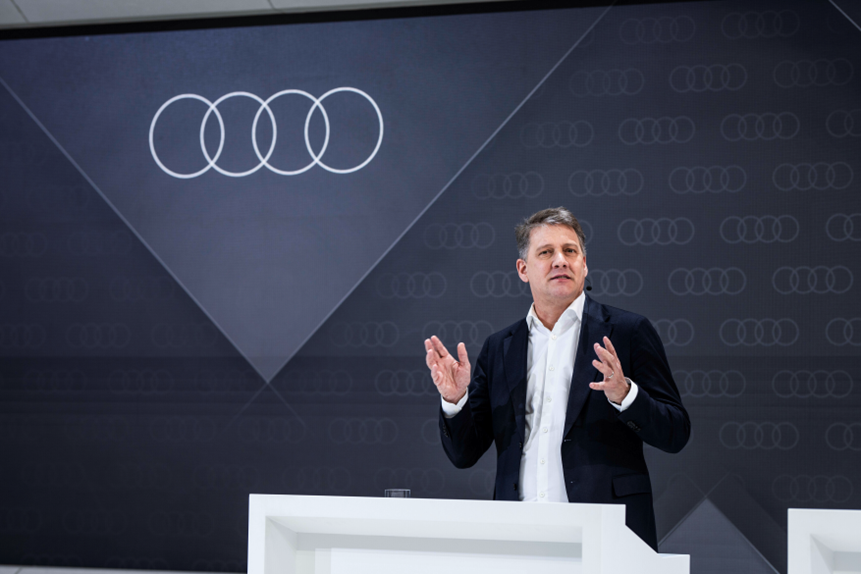
Audi CFO Jürgen Rittersberger acknowledged during the company’s earnings call that global challenges are increasing pressure for action. He said Audi must work with Volkswagen Group to adjust its business model and implement major structural improvements in order to remain competitive worldwide.
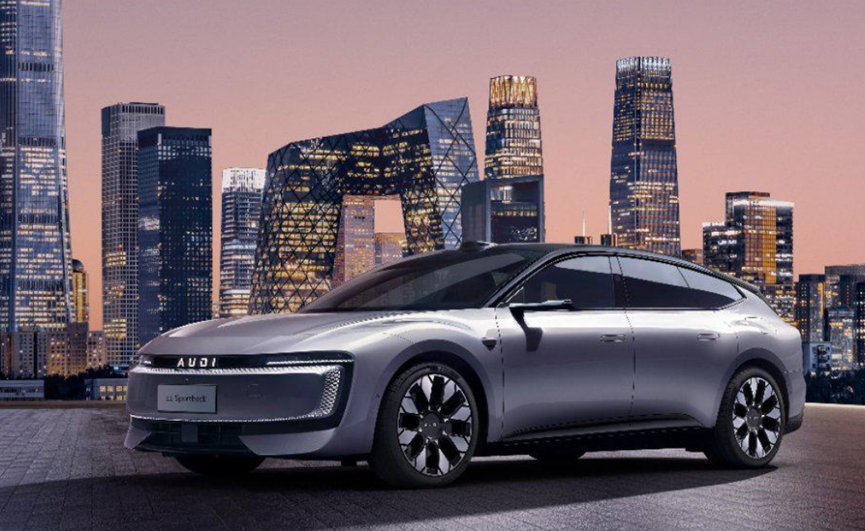
The admission reflects a more realistic approach from Audi leadership. Instead of presenting temporary fixes, the company is addressing deeper issues including capacity, profitability and operational efficiency.
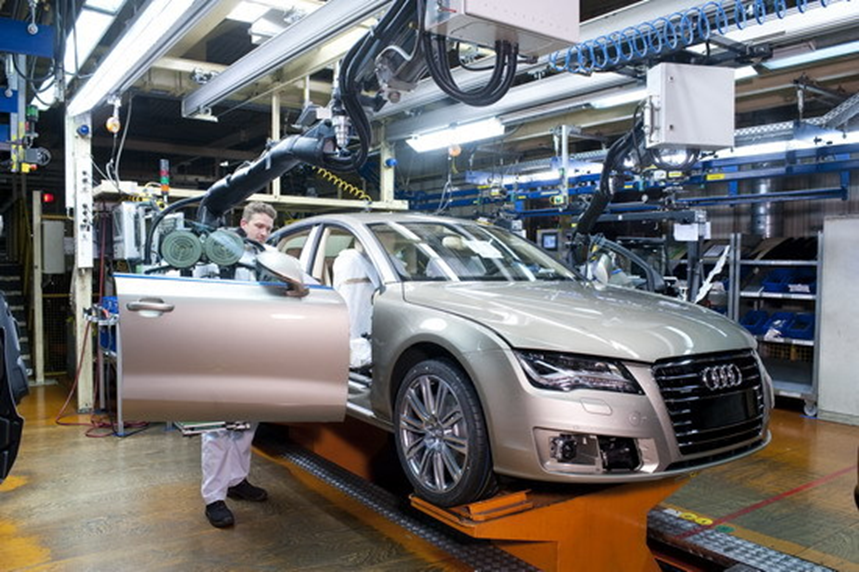
Audi’s Neckarsulm plant in Germany, traditionally focused on combustion-engine vehicles, has already reduced annual production capacity from 300,000 units to 225,000 units, cutting around 75,000 units and eliminating night shifts.
At a time when many automakers are relying on aggressive discounts to maintain sales momentum, Audi has avoided a race to the bottom. The company is accepting short-term disruption in exchange for rebuilding a healthier premium brand structure.
Audi’s Gamble: Can a Historic Luxury Brand Reinvent Itself?
Some observers argue Audi has fallen behind rivals in the electric transition and global luxury race. Yet the company’s latest moves suggest a different interpretation.
Audi is not simply launching new vehicles. It is redesigning the architecture behind the brand — elevating the flagship position with the Q9, defending its core market with the Q7, removing products that weaken pricing power and restructuring operations to prepare for the next phase.
The transformation carries risks, but the willingness to make difficult decisions may become Audi’s strongest advantage. In a market where many brands are fighting for short-term volume, Audi is betting that discipline and a clearer identity can restore long-term competitiveness.