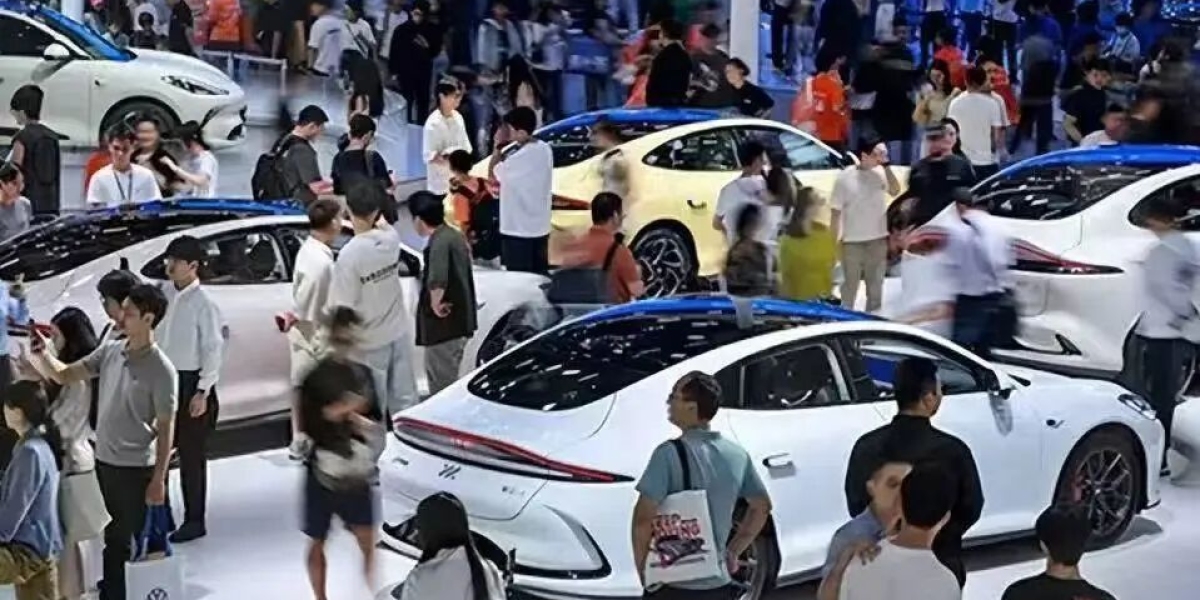
China's car market delivered an impressive first-quarter scorecard.
A Strong Quarter With Uneasy Winners
SAIC topped retail sales with more than 1 million units, BYD held its position as the world's leading new-energy vehicle seller with about 700,000 deliveries, Chery remained China's top auto exporter with nearly 400,000 overseas shipments, and Leapmotor led the country's new carmaking start-ups with more than 110,000 deliveries.
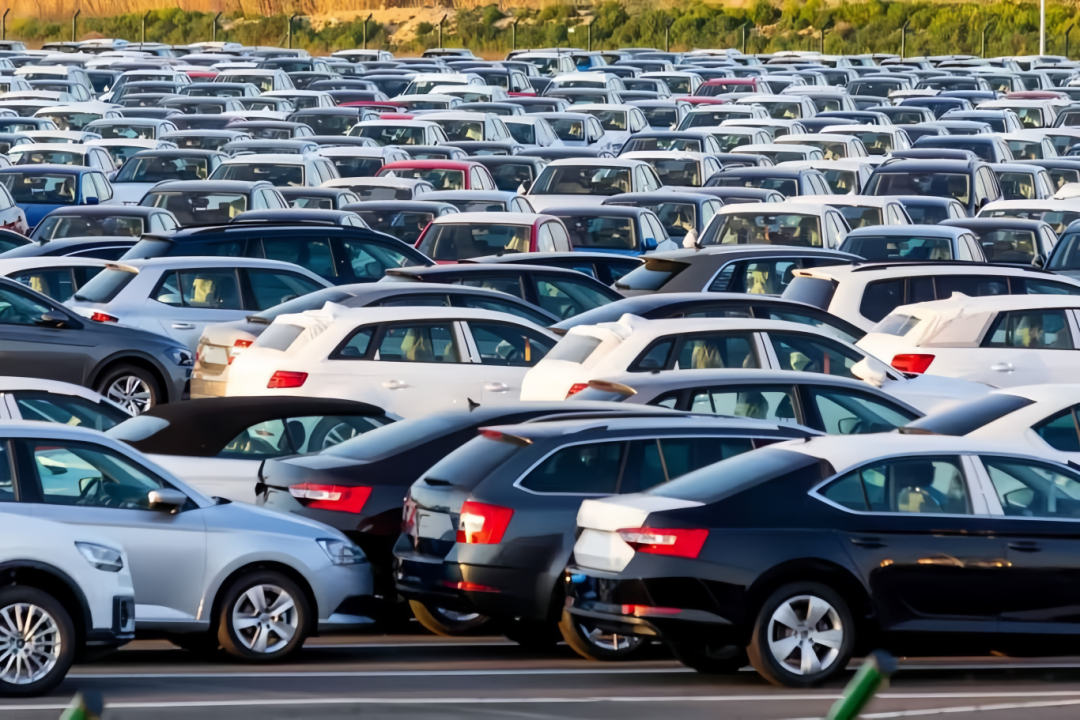
Yet each of those first-place finishes carries a cost. In March alone, Chinese car companies held more than 70 events and launched or displayed roughly 60 new models, according to media counts. That wave reflected not only confidence, but collective anxiety.
As technology cycles accelerate and policy support becomes less generous, few manufacturers want to lose even half a step. When first-quarter numbers are not enough to calm investors, dealers or consumers, a new model can become the industry's preferred painkiller. The problem is that buyers are becoming more rational, and fatigue with lookalike products is growing.
Four Leaders, Four Pressures
SAIC reported 376,000 vehicle sales in March and secured three consecutive monthly sales wins in 2026. From January to March, wholesale volume reached 973,000 units and retail sales passed 1.008 million, making SAIC the only Chinese auto group to exceed 1 million retail sales in the first quarter. Its own brands sold 657,000 units, up 9.3% year on year and accounting for 67.6% of group volume.
The figures are strong, but SAIC's joint-venture business remains under pressure. Analysts have argued that its growth shows profit rising faster than revenue, and revenue faster than volume. That suggests the improvement is coming more from product mix and profitability than from a broad market expansion.
BYD sold 700,500 vehicles in the first quarter, including 300,200 in March, up 57.9% from February. It has now led China's new-energy market for 58 consecutive months. Unlike many rivals, BYD has no joint-venture business and relies entirely on its own-brand system. That gives it stronger volume elasticity in an upswing, but also concentrates risk when the market weakens.
The first two months of the year were pressured by the Spring Festival lull, reduced policy support and earlier demand pull-forward. BYD's brand and scale helped it survive the slow period, but the cost of trading price for volume is eating into margins. Sales are strong; profitability remains the harder question.
Chery sold 601,700 vehicles in the first quarter and exported nearly 400,000, up 53.9% year on year. Exports accounted for 65.4% of its volume. In March alone, exports reached 148,800 units, setting a monthly record for a Chinese auto brand and marking the 11th straight month above 100,000 exports.
That global strength also creates exposure. Chery still trails the leaders in China's domestic new-energy market, with 161,200 NEV sales in the quarter compared with BYD's 700,500. Overseas markets offer room for growth, but geopolitical risk, trade barriers and currency swings can all affect the route.
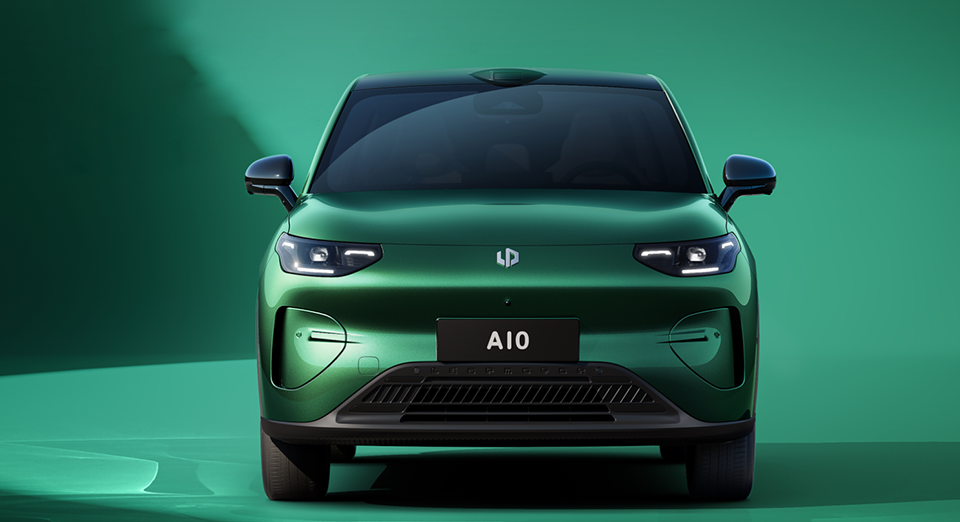
Leapmotor delivered 110,200 vehicles in the first quarter, up 82% year on year and ahead of Li Auto by about 15,000 units. Its A10, launched on March 26 as a pure-electric SUV under about $14,000, includes lidar, parking-space-to-parking-space navigation assistance and Qualcomm's 8295P cockpit chip. Firm orders passed 10,000 within days, including 9,086 orders over the final weekend of March.
Leapmotor's success is closely tied to its full-stack in-house development strategy. Yet start-up leadership can be volatile, and rivals such as Li Auto and Nio are still close enough to challenge it through the next product cycle.
The pattern is clear: the higher the sales numbers, the greater the pressure. China's car market no longer offers easy wins.
How Many March Launches Were Real Upgrades?
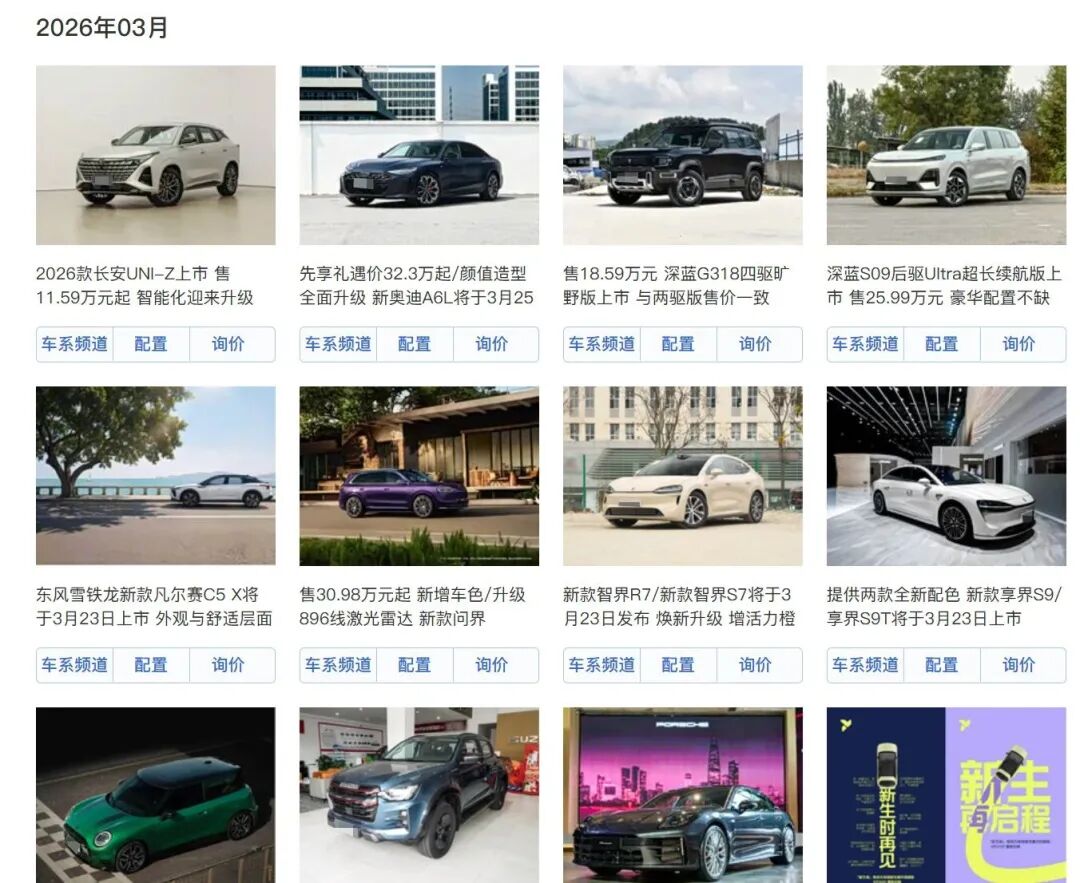
When the first-quarter scorecard failed to settle the market, carmakers turned to March launches. The reported count of more than 70 events and about 60 new vehicles may not be exact, but it shows that competition has moved from quarterly campaigns to weekly battles.
The timing was not accidental. China Association of Automobile Manufacturers data showed that vehicle production and sales in January and February 2026 fell 9.5% and 8.8% year on year. March was not simply a spring launch season. It was a window for carmakers to regain rhythm, orders and market expectations.
Some products in the wave had serious technical content. BYD introduced its second-generation blade battery and flash-charging technology on March 5, claiming a new global record for charging speed among mass-produced power batteries. Harmony Intelligent Mobility used its March 23 spring event to release 10 new models across brands including Shangjie, Aito, Luxeed and Stelato.
The other side of the boom is sameness. Many recent models follow a familiar recipe: bigger screens, more lidar units, longer range figures and quicker acceleration claims. Once every brand offers similar equipment, those features stop being advantages and become entry requirements.
One industry observer joked on social media that many new-car launch presentations could keep the same content if the logo and PowerPoint template were changed. The comment captured a real problem. Breakthroughs in underlying technology require years of investment, so some carmakers choose the easier path of improving specification sheets.
If a Qualcomm 8155 chip is no longer enough, they move to 8295. If one lidar unit no longer impresses, they fit four. If 500km of range feels ordinary, they quote 700km. The question is how many of those upgrades are meaningfully felt by users in daily driving.
Some so-called technology iterations are little more than equipment revisions: a refreshed interface, a new voice function or a centre screen enlarged from 15 inches to 17 inches, then marketed as a new generation. Such pseudo-iteration can erode user trust and drown out genuine innovation.
Consumers Are Harder to Impress
The deeper question is whether consumers are still buying into the launch wave. The 2025 Guangzhou auto show had 1,085 display vehicles, 93 world premieres and 220,000 square metres of exhibition space. The numbers looked impressive, but many visitors described the experience as boring, repetitive and visually exhausting. Some previously crowded stands were quiet.
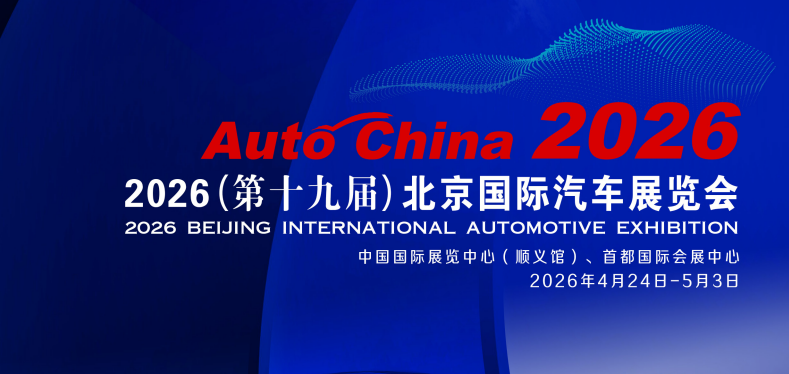
The 2026 Beijing auto show is set to be even larger, with 380,000 square metres across two venues, 117 expected world premieres, more than 1,000 participating brands and over 23,000 media attendees. Yet size alone will not solve the problem. If the industry remains focused on screens, lidar and range numbers without deeper breakthroughs, a bigger show may only make sameness more visible.
Cheap prices can no longer be the main answer either. China's State Administration for Market Regulation has implemented guidelines on price behaviour in the auto industry, limiting the ability of companies to fight crude price wars. Competition is shifting toward price cuts plus added equipment, reshaped benefits packages and broader value claims, all of which demand stronger system capability.
That means the more than 70 March events and roughly 60 new models do not prove a simple boom. They show that the threshold for competition is rising quickly.
The Attention Economy Tightens
The immediate challenge created by dense launches is attention scarcity. The more events manufacturers hold, the more traffic flows toward companies with clear technology labels, strong sales foundations, solid channels and deep funding.
China's car market has moved beyond the stage where the brand with the prettiest specification sheet wins. The eventual winners will not be the companies holding the most launch events or adding the most equipment. They will be the manufacturers that understand real consumer needs and find a disciplined balance between restraint and innovation.