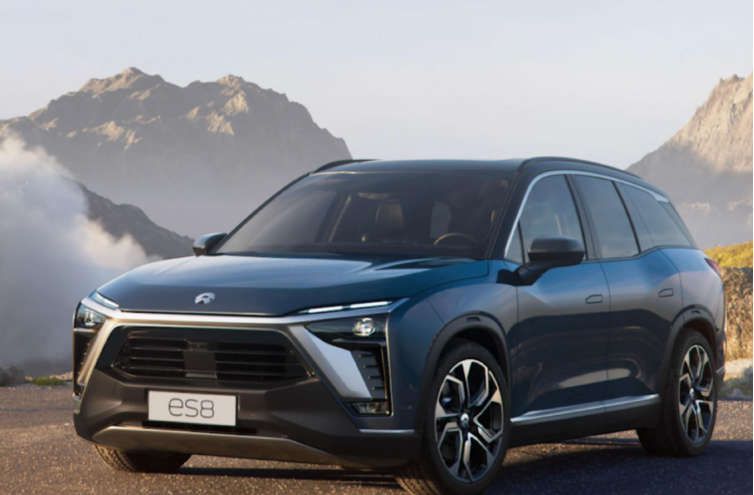
After BYD unveiled its latest flash-charging technology, China's EV industry returned to a familiar question: is ultra-fast charging better than battery swapping?
A Recharging Debate Becomes Sharper
BYD's Li Yunfei and Nio founder William Li both tried to frame the two approaches as complementary. Li Yunfei said the routes solve different scenarios, while Li said technology should be allowed to flourish in multiple forms because the common goal is to move consumers from petrol to electricity.
Those comments were conciliatory on the surface. The competitive tension underneath is obvious. William Li has also argued that ultra-fast charging can never be as quick as swapping and that frequent ultra-fast charging may affect battery life, health and long-term safety. BYD, for its part, released safety-test videos around the launch, a strong answer to concerns over high-rate charging.
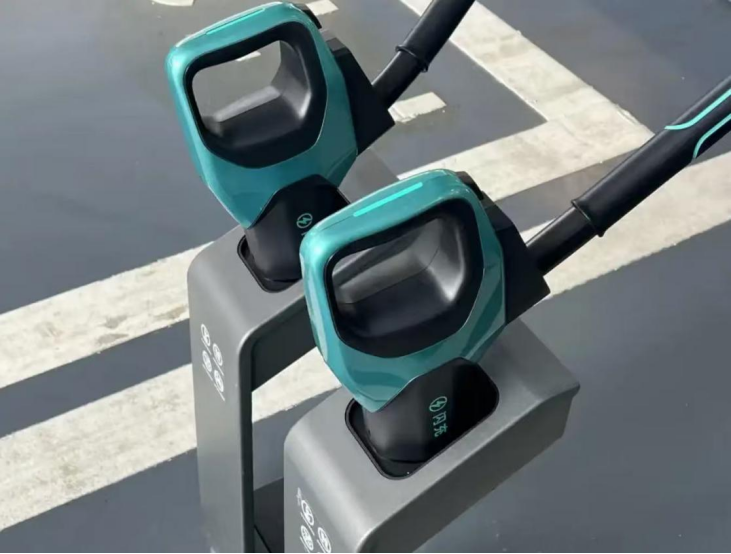
The two executives may not be fighting directly, but BYD's flash charging does pressure Nio's battery-swap moat. Megawatt-class Flash Charging 2.0, paired with BYD's second-generation Blade Battery, challenges the old assumption that EV charging must be far slower than refuelling.
Different Technology, Different Logic
China's auto industry has generally allowed multiple recharging solutions to develop. That openness makes sense. As NEV penetration rises, the industry needs several ways to solve recharging demand.
BYD's flash charging is designed around the core barrier to EV adoption: energy replenishment time. The second-generation Blade Battery uses improved chemistry and thermal management to cut internal resistance by half. It supports 10C high-rate fast charging while reducing battery stress.
BYD says the system can charge from 10% to 70% in five minutes and from 10% to 97% in nine minutes, while still fast charging efficiently at minus 30C. It is not quite as quick as a Nio battery swap, but a 1,500kW flash-charging pile comes close enough to a three-minute swap for many ordinary users.
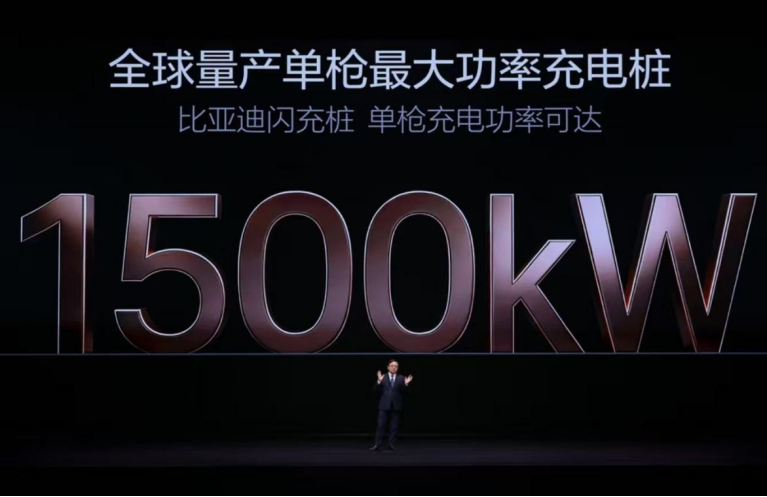
The appeal is accessibility. If fast charging becomes nearly as quick as refuelling and can be built widely, it becomes a mass-market solution rather than a premium service.
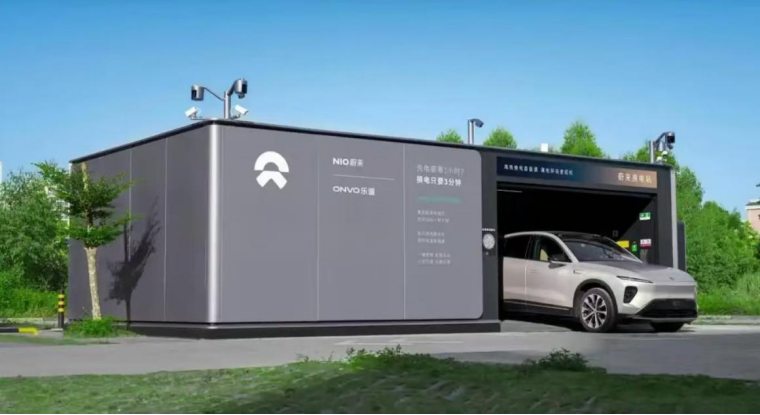
Nio's battery swap is a different kind of system. It is a heavy infrastructure project. The company has spent years and large sums building swap stations, which has contributed to its losses. Before ultra-fast charging reached the current level, Nio's swap efficiency was a clear differentiator.
The challenge is cost and coverage. A Nio swap station can cost several hundred thousand dollars, requires suitable land and grid conditions, and needs spare battery inventory. After years of investment, the network still has fewer than 4,000 stations nationwide, with gaps in lower-tier markets and remote highways.
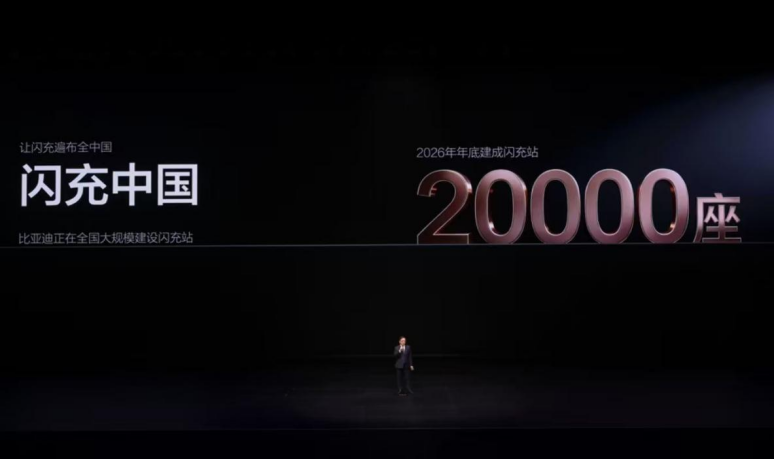
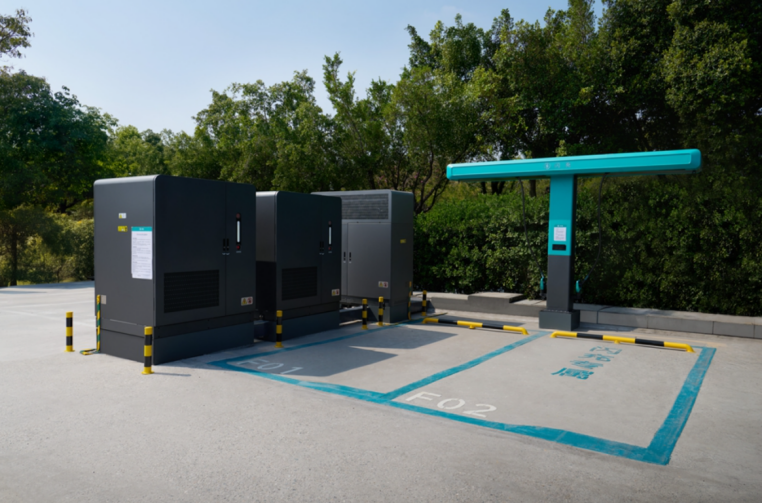
BYD's flash-charging sites cost far less than swap stations, do not require battery inventory and can connect more easily to existing fast-charging infrastructure. If BYD's plan for 20,000 flash-charging stations by the end of 2026 is implemented, coverage could extend across highways, commercial districts and residential areas.
Why Swap Still Has Value
Battery swapping still offers a user experience that charging cannot fully match. A fully automated swap takes a little over two minutes, the driver does not need to leave the vehicle, and the process is simple. Centralised battery maintenance can also help manage battery health and reduce worries about ageing or depreciation as battery technology improves.
Those are real advantages. The problem for Nio is that flash charging is reducing the size of the gap. If charging time falls to single-digit minutes, if low-temperature performance improves, and if battery-safety concerns can be addressed through tests and real-world use, swapping becomes less uniquely compelling.
Mass Production Changes User Perception
William Li has long defended battery swapping with confidence. His recent emphasis on complementarity may reflect the reality that charging technology has become a stronger rival.
Battery swapping gained its position partly because traditional fast charging was not good enough. Even if users had to drive to a swap station and queue during peak periods, there was no equally fast alternative. BYD's flash charging changes that mental model by pushing replenishment time close to refuelling.
It also challenges the older belief that fast charging should only be used in emergencies. The concern was that high-rate charging damaged batteries or created safety risks. BYD is trying to break that perception with data, including second-generation Blade Battery flash-charging cycle tests and safety demonstrations combining flash charging with puncture testing.
If mass deployment proves reliable, users and investors may begin to see flash charging as the more scalable route. That would make Nio's task of acquiring new users harder, even if existing owners remain loyal to the swap ecosystem.
Coexistence With a Clearer Hierarchy
Flash charging and battery swapping are not mutually exclusive. The industry is unlikely to settle on only one replenishment method. Multiple routes help serve different scenarios and keep the ecosystem resilient.
The question is hierarchy. If flash charging becomes widespread, low-cost and convenient, it is likely to become the mainstream recharging method. Battery swapping may remain valuable for premium users, fleets, high-utilisation vehicles and owners who value speed and battery-management services enough to pay for them.
For Nio, that creates strategic pressure. Battery swapping is a key part of its premium operating system. If the market no longer sees swapping as clearly superior, Nio must make the value of the ecosystem more visible or develop more parallel recharging options.
BYD's flash charging currently applies only to models equipped with the second-generation Blade Battery, so it will take time to scale. The threat to battery swapping will not arrive overnight. Yet the direction is clear: as NEV penetration rises, recharging infrastructure will develop quickly, and the market will favour methods that combine broad coverage, low cost and convenience.
The final outcome will not be a simple victory of one technology over another. BYD wants to use flash charging to reshape the industry. Nio needs to defend the value of swapping. Both routes serve the same transition from petrol to electricity, but their commercial positions may look very different as charging speeds improve.