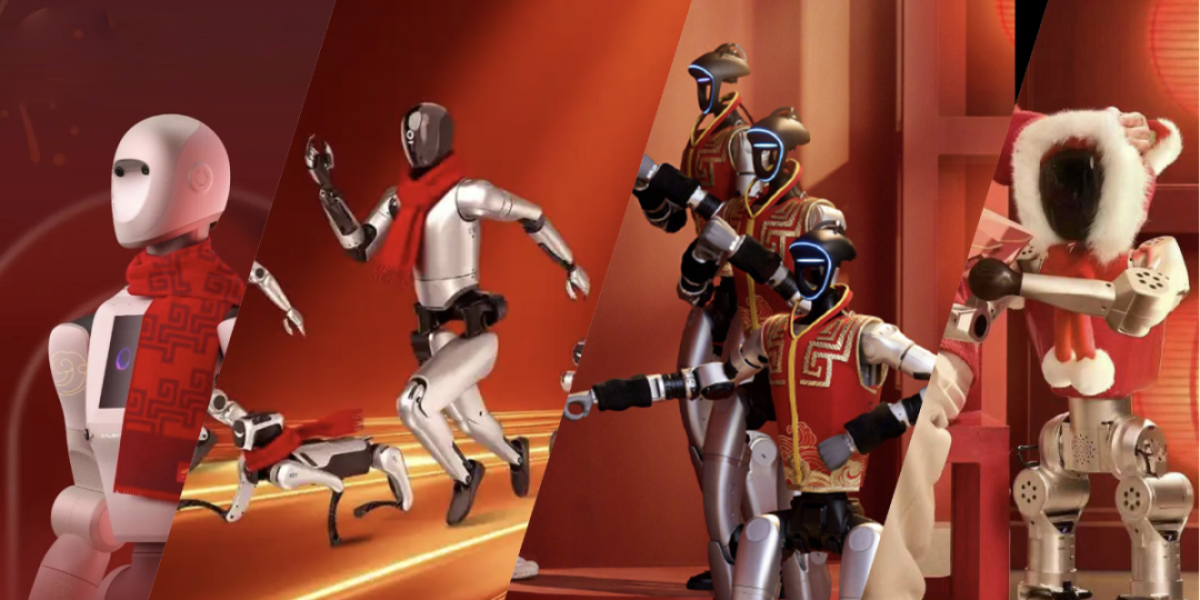
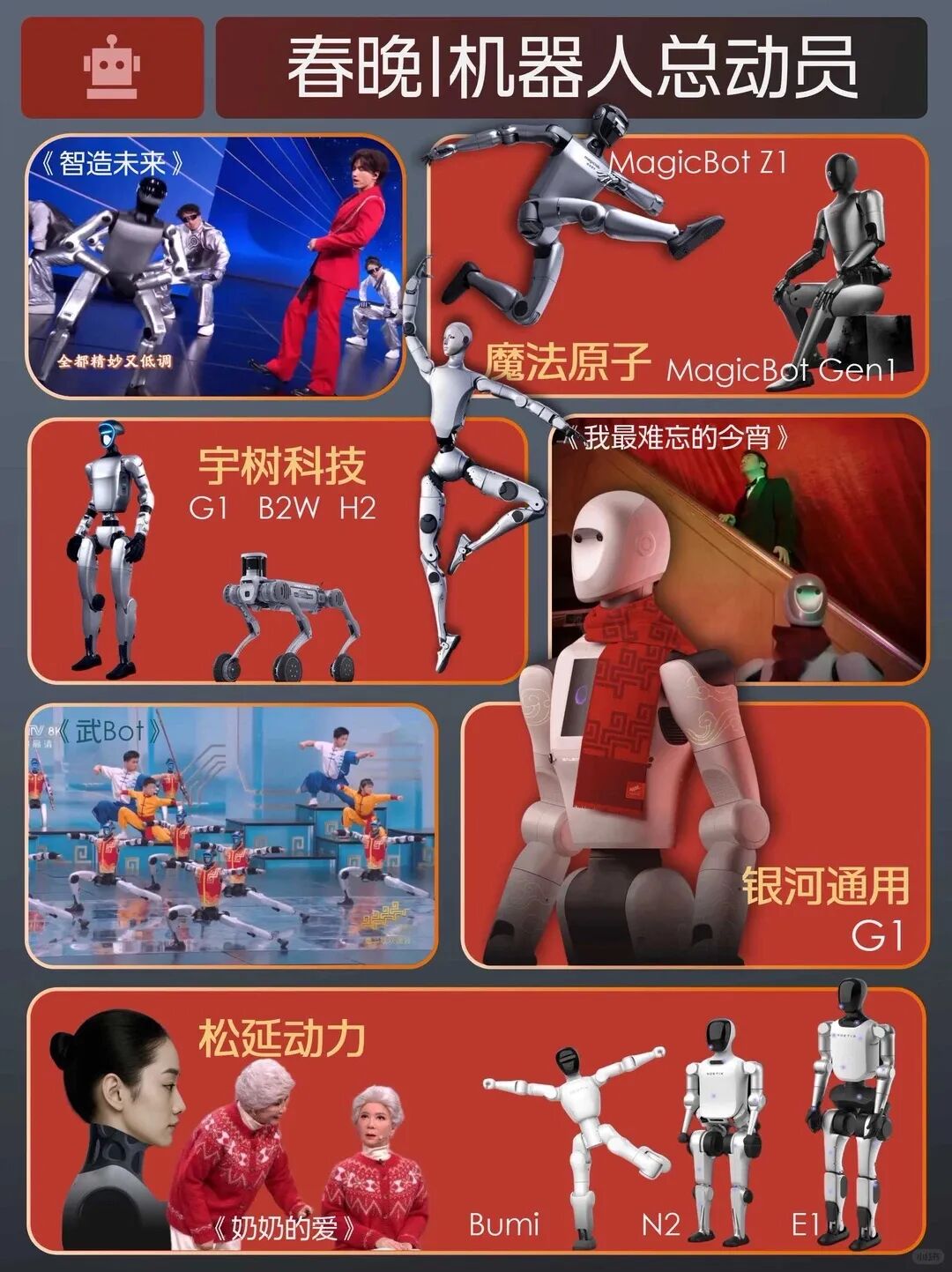
China's 2026 Spring Festival Gala made one thing clear: robots have entered mass culture. Unitree robots performed martial arts with children from Tagou Martial Arts School.
From Television Spectacle to Factory Strategy
MagicLab's robot pandas appeared in formation at the Yibin venue. Songyan Dynamics showed a bionic humanoid likeness of performer Cai Ming, and Galbot's robot quietly folded clothes in a short film.
Behind the stage spectacle, a more consequential battle is emerging in auto factories. On the first working day after the holiday, Xpeng chief executive He Xiaopeng said in an internal letter that the next-generation IRON robot would begin mass production at the end of 2026. Tesla said at its late-January earnings call that it would convert part of the Fremont factory's Model S and Model X line for large-scale Optimus production, with shutdown planned near the end of the second quarter and ramp-up in the third quarter. Hyundai plans to deploy Boston Dynamics' Atlas robots in its car factories from 2028.
In China, BYD, Nio, Li Auto and other leading carmakers are also accelerating humanoid-robot research and deployment. The technology is not yet broadly commercialised, but 2026 looks like the year when serious industrial use begins.
Why Carmakers Look Like Robot Companies
A modern high-end humanoid robot has much in common with an intelligent vehicle standing upright. The underlying technologies and supply chains overlap heavily.
Robot vision corresponds to automotive surround perception. Stable walking depends on control systems similar in logic to vehicle chassis control. Autonomous navigation resembles intelligent-driving path planning. End-to-end large models can guide both automated driving and complex robot movement.
At the technical level, intelligent driving is built on multisensor perception, real-time judgement and precise control. Humanoid robots require the same base logic: a brain directing a physical body.
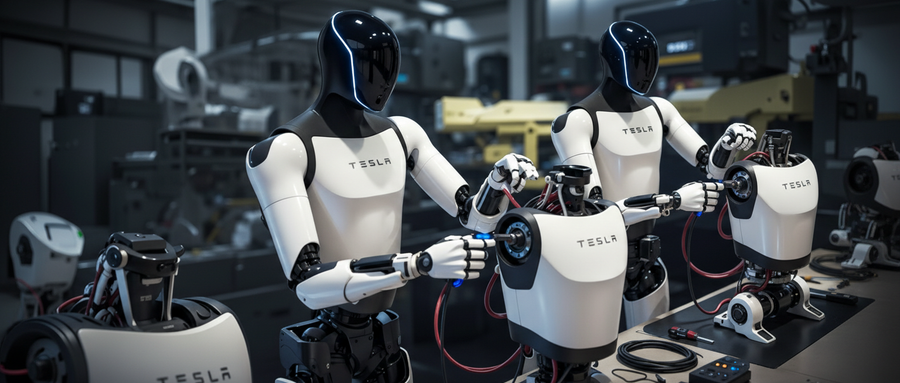
That gives automakers a strong starting point. Tesla is the clearest example. It is transferring the vision approach, computing platform and algorithmic logic of FSD into Optimus. Elon Musk has repeatedly described Tesla as a physical-AI company, with cars as only the first large-scale application.
The auto industry's engineering, quality-control and mass-production experience may be even more important. Moving a robot from laboratory prototype to large-scale production requires solutions for heat, durability, consistency and cost. Those are traditional automaker strengths.
Automotive-grade products must operate from minus 40C to 85C and meet strict vibration, dust and water-resistance standards. Applying that discipline to robots can improve stability quickly. Zhang Yongwei, vice-chairman of China EV100, has summed up the idea by saying that standing a car upright creates embodied intelligence and humanoid robots.
The deeper reason is growth. The global car market is now a mature, share-based contest. New-energy competition is intense and vehicle margins are narrowing. Carmakers need a second growth curve. Humanoid robots are seen by some experts as the next major intelligent terminal after smartphones and cars, with a potential trillion-dollar market by 2035.
Two Routes: Sell to the World or Use in Factories First
Carmakers are taking two broad commercial paths. One is a general-purpose consumer route aimed at external sales. The other is an internal manufacturing route aimed first at reducing factory costs.
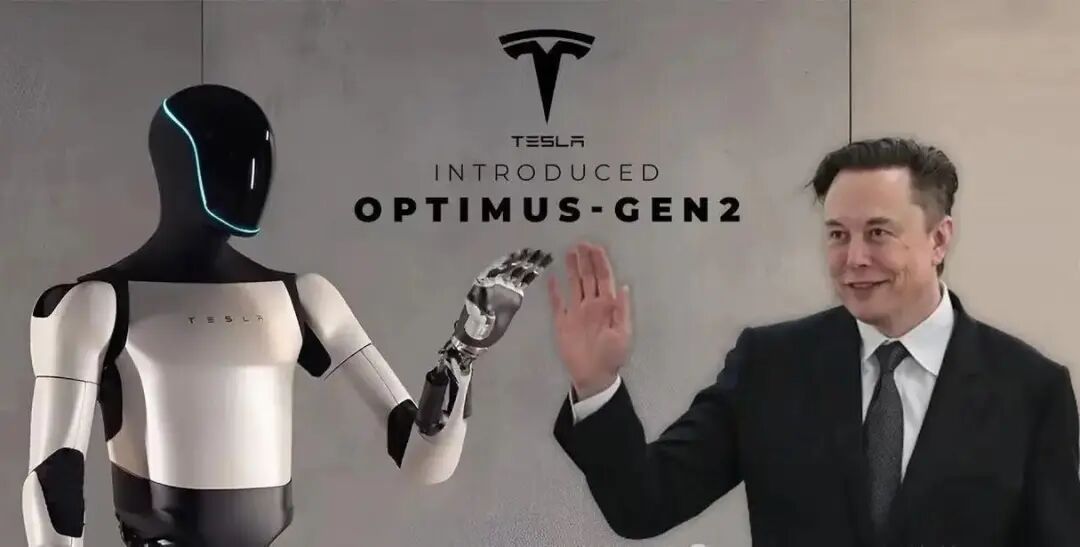
Tesla represents the aggressive general-purpose path. It plans to launch the third-generation Optimus production model in 2026, convert the Fremont Model S and Model X line into a robot line with annual capacity of up to 1 million units, and control unit cost below $20,000.
Musk's ambition is clear: make humanoid robots standardised global products like cars, usable across many scenarios, and ultimately build a market larger than Tesla's vehicle business. This route bets on a future consumer-market explosion. If it works, it opens a massive new blue ocean.
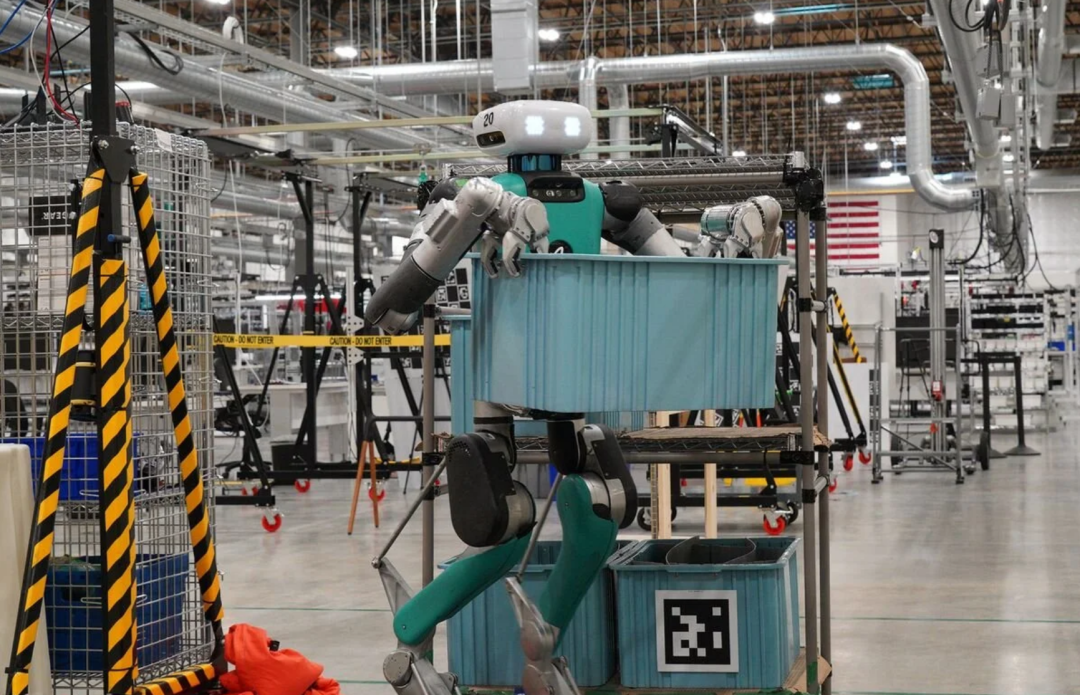
Hyundai is taking a more cautious path. After acquiring Boston Dynamics in 2021, it focused Atlas on automotive-factory use. At CES 2026, Hyundai said Atlas would first be used in parts sorting, material handling and other factory processes, with large-scale deployment across global production bases from 2028.
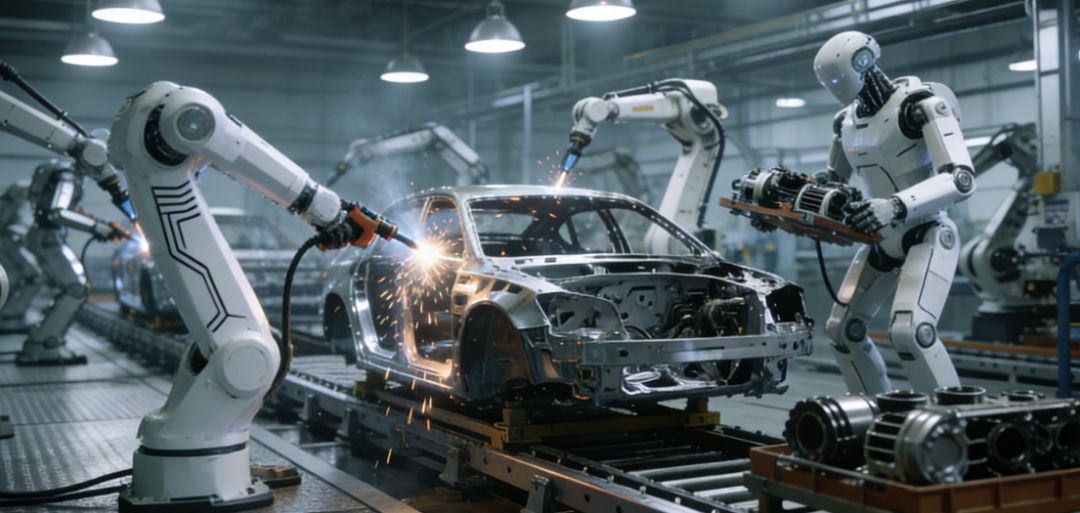
The logic is practical. Auto factories are among the best early environments for robots: structured, repetitive and full of measurable tasks. Internal demand can refine products, reduce costs and limit trial-and-error risk before broader commercialisation.
Chinese automakers appear closer to the practical route. BYD has invested strategically in companies such as AgiBot while deploying industrial robots internally for handling, inspection and production-line support. GAC, SAIC and Chery are pursuing similar logic: test first in their own workshops and parks, then consider broader commercial expansion once performance stabilises.
Neither route is inherently superior. All carmakers are trying to use robots to build new core capabilities and widen future business territory. The difference is timing and risk appetite.
The Gap Between Demonstration and Work
A robot can perform impressive movements on a television stage. A factory line or household environment is much less forgiving.
The first challenge is cost and reliability. On stage, a stumble can be explained away as performance. In a car factory, a robot's hesitation or mistake can stop a line and create losses by the second.
Even Tesla's targeted $20,000 unit cost will be difficult. Many high-performance robots still cost tens of thousands of dollars, far beyond what ordinary consumers are likely to pay.
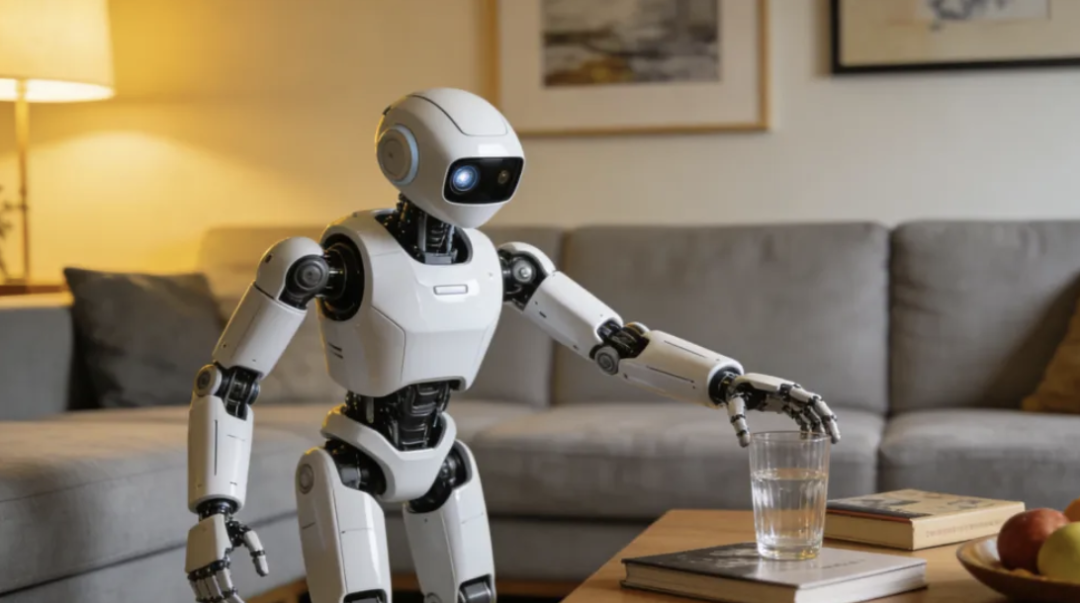
The second challenge is scenario scarcity. The scenarios where humanoid robots can create real commercial value are currently concentrated in industry: handling, sorting and production-line support. The household robot butler imagined by consumers still faces complex environments, unpredictable objects and high safety requirements. In 2026, it remains more vision than reality.
The third challenge is algorithms and data. Robots need vast real-world scenario data. Movements that work in the lab can fail in messy real environments. Autonomous learning and self-optimisation remain far from mature practical use.
For humanoid robots to scale, three curves must turn together: cost must fall, stability must rise and real demand must grow. At present, cost and stability are only beginning to improve, while the demand curve for mass-market adoption has not yet arrived.
A Long Bet, Not a Quick Rescue
For carmakers, humanoid robots are a bet on the future and a hedge against the limits of the vehicle business. They are not a quick rescue for pressured margins.
The contest will not be settled in one or two years. The first meaningful market may be inside factories, where carmakers can use robots to reduce cost, collect data and improve reliability. Only after robots prove they can work, not just perform, will the next growth curve become real.