
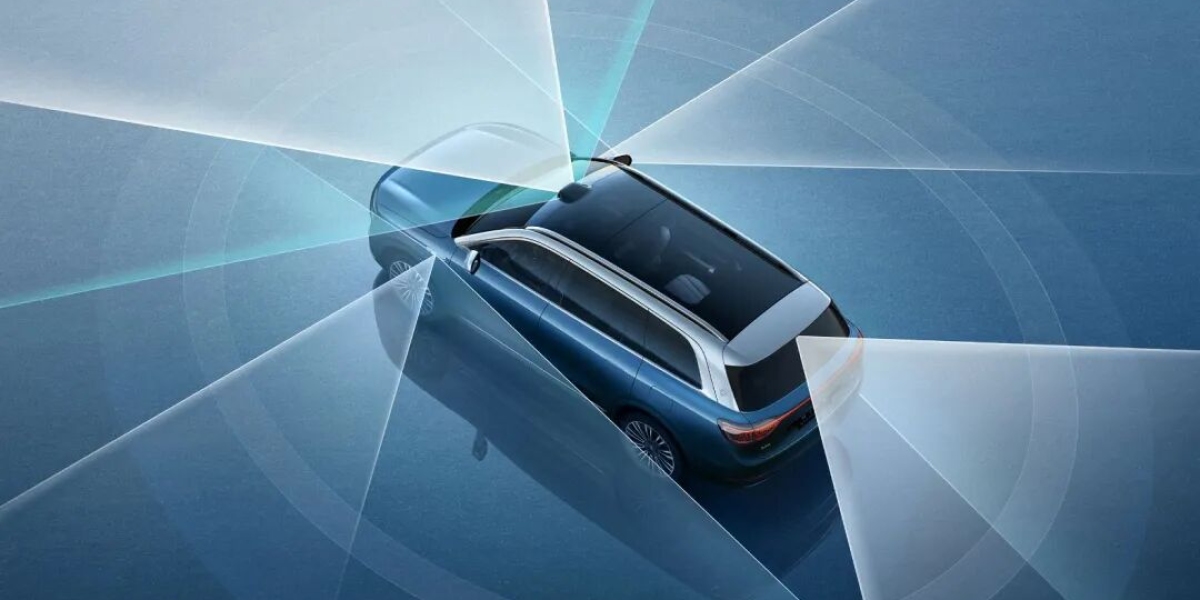
Momenta founder and chief executive Cao Xudong recently made a stark prediction: China's assisted-driving competition will end in 2026, and only three domestic participants will ultimately win.
A market approaching a decision point
The claim may be too absolute, but it captures a real shift. Assisted driving has moved from a side feature to a central battleground. After years of experimentation, automakers are being forced to choose how much of the technology they want to control themselves.
Three routes are visible. Huawei Qiankun represents a closed ecosystem that can be deployed quickly across partner brands. Carmakers such as Xpeng, BYD, Li Auto, Nio and Chery are building proprietary systems. Foreign brands including Mercedes-Benz, Toyota, Nissan, Buick and BMW are more often using joint development with specialist suppliers.
For carmakers, those three routes reduce to two strategic choices: build in-house, or rely on a stronger technology partner.
The cost of building a driving system
Self-development offers the clearest long-term reward. A carmaker that owns its algorithms, data systems, integration methods and user experience can reduce product homogeneity and build a more distinctive brand. It also preserves what many executives describe as the "soul" of the vehicle.
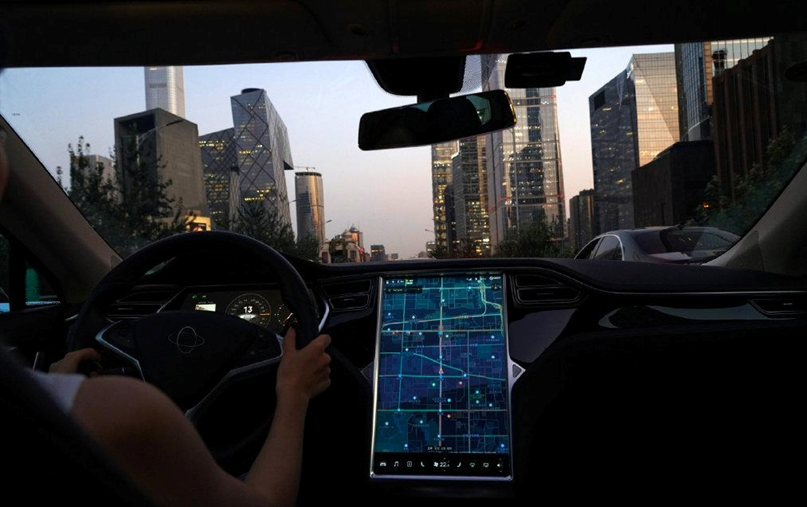
The cost is heavy. Intelligent-driving development requires time, engineering talent, data, computing infrastructure and sustained spending. A programme can consume hundreds of millions of dollars and still fail if the technical route is wrong or the market changes faster than expected.
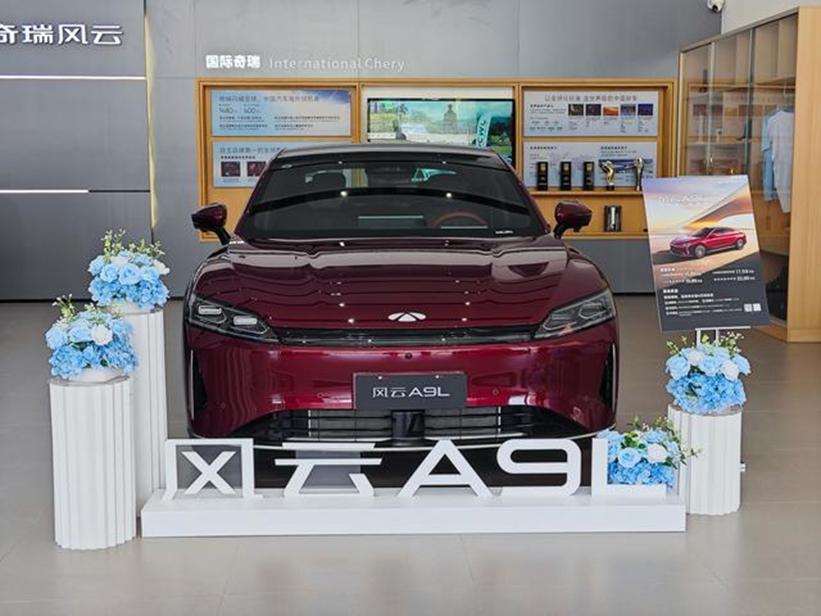
That makes self-development viable mainly for companies with enough scale, cash flow and product rhythm. Xpeng, Li Auto and Nio have built important capabilities. BYD has its God's Eye assisted-driving system while also working with Momenta on some highway NOA functions. Chery has reorganised its intelligent-driving resources into a unified intelligent centre after earlier struggles to build a defensible system through Dazhuo Intelligence.
For smaller or financially stretched companies, building everything alone can be a poor use of capital. Survival may depend more on reaching market-ready intelligence quickly than on owning every layer of the stack.
Why partnering is becoming pragmatic
Partnering with Huawei, Horizon Robotics, Momenta or another specialist can shorten development time and reduce risk. It lets automakers add competitive assisted-driving features without carrying the full cost of deep technology development.
This is especially attractive for joint-venture brands. Many foreign automakers were slow during China's EV transition because they held too tightly to internal development and traditional product cycles. In intelligent driving, they have less room to repeat that mistake.
GAC Toyota's deeper cooperation with Momenta and Huawei is one example. Huawei's intelligent-vehicle solutions business has said 28 models equipped with Qiankun assisted-driving technology are already on sale across brands including Harmony Intelligent Mobility's five-brand group, Avatr, Deepal, GAC Trumpchi and Audi, with cumulative deliveries above one million.
That scale shows why the supplier route can be powerful. A carmaker may give up some technology independence, but it gains speed, market credibility and access to systems already proven across multiple products.
Supplier choices are not the same
Choosing a partner is itself a strategic decision. Huawei, Horizon Robotics and Momenta offer different advantages.
Huawei provides a broad stack, from chips and perception algorithms to planning, control and cabin ecosystem. Its strength is full-system integration and brand recognition. For automakers with enough capital and a need to build trust quickly, Huawei can provide a large market boost.
The cost is higher, and dependence risk is real. A carmaker tied closely to Huawei may find it harder to maintain a distinct identity, especially as more partner brands use similar systems.
Horizon Robotics has focused on making intelligent-driving technology more accessible through a software-hardware approach. Its BPU computing architecture, operating system and algorithm toolchain create an open ecosystem that can give automakers more flexible integration choices.
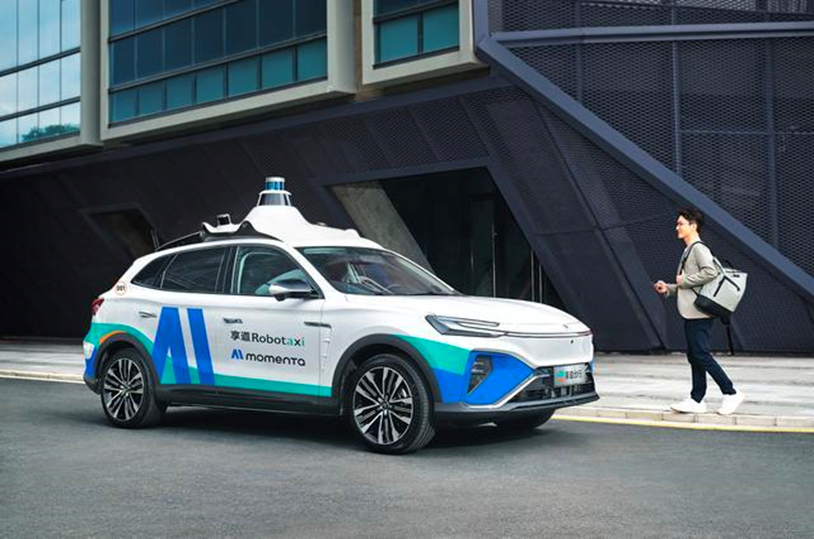
Momenta is known for end-to-end large-model technology. Its flywheel model architecture uses deep learning to turn sensor input into vehicle control decisions and improves through continuous data feedback. The company also positions itself as cost-conscious, using algorithm and hardware optimisation to deliver competitive systems at lower cost.
For high-end models, Huawei may be the stronger commercial signal. For more affordable vehicles, Horizon and Momenta can be more practical because they fit tighter cost targets and allow deeper customisation.
The race may not end, but the choices are narrowing
The idea that China's assisted-driving race will be over in 2026 is likely too neat. Technology keeps moving, regulation changes, and user expectations are still evolving.
Yet the exploration phase is clearly ending. Carmakers can no longer treat assisted driving as an optional experiment or a marketing label. They must decide whether they have the scale to build, or whether a supplier ecosystem gives them a better chance of staying relevant.
The winners may not be divided simply into self-developed systems and supplier systems. The strongest companies may combine both: owning enough technology to keep their identity, while partnering where speed, cost or data scale makes cooperation more rational.
In the next phase of China's intelligent-vehicle market, survival comes first. Technology sovereignty matters, but only for companies that can afford to defend it.