China's new-energy vehicle shake-out has produced an unexpected subplot: several distressed EV brands are trying to return.
A revival round begins
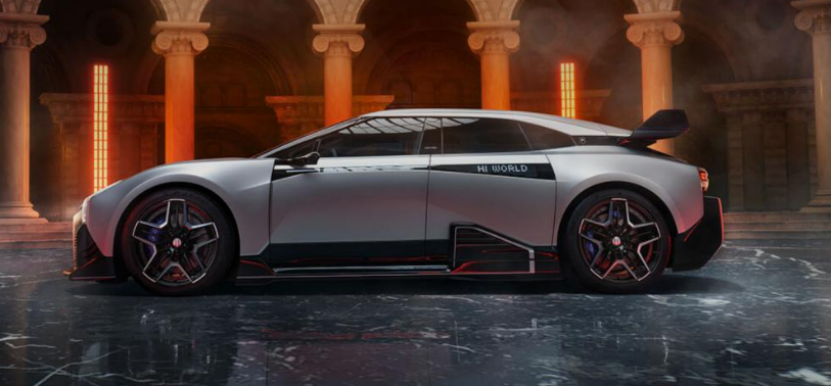
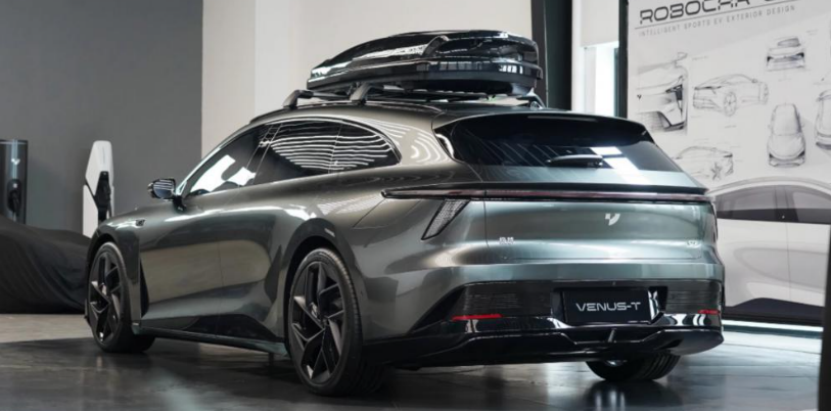
Weltmeister Motor has signalled a revival, while HiPhi, Neta and Jiyue have also been linked with self-rescue or restructuring efforts.
The ambition is understandable. These companies still hold production qualifications, factories, equipment and some brand recognition. For investors, those assets can have value if restructured at the right price.
The harder question is whether consumers will return. Brands that reached the edge of collapse did so because they were no longer competitive enough for the market. A restructuring may extend life, but it does not erase broken trust, weak residual values, interrupted service or lost technology time.
Different scripts for different brands
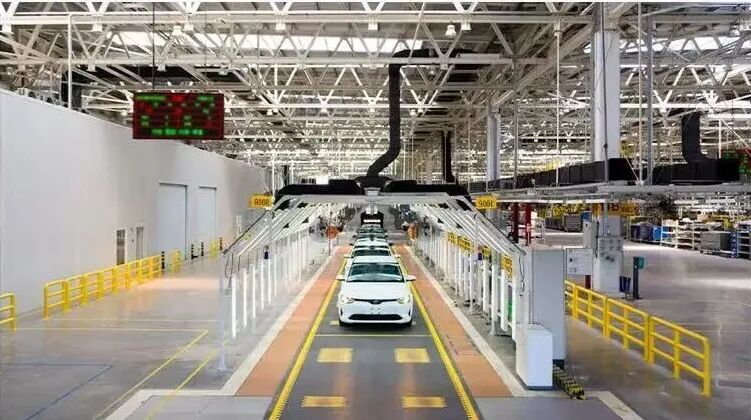
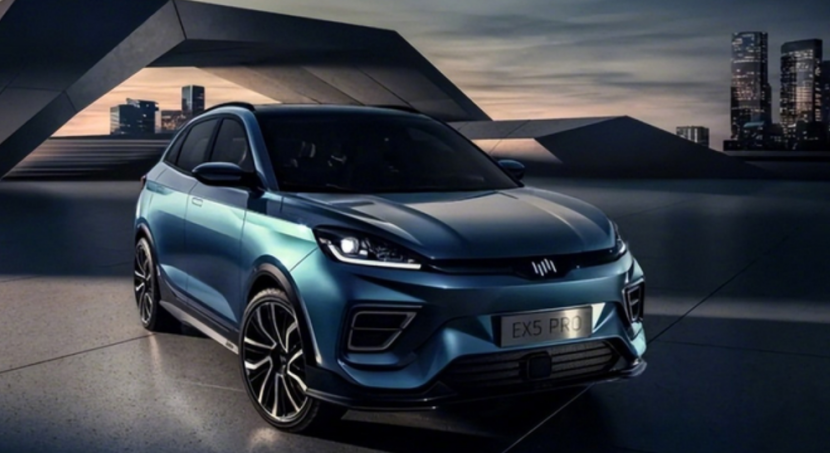
Weltmeister Motor has moved fastest in the current revival round. After applying for bankruptcy review in October 2023, it spent more than a year preparing for a return. In April 2025, a court approved restructuring plans for four core companies, with Shenzhen Xiangfei becoming the restructuring investor. It committed an initial investment of about $141 million for equipment upgrades, supply-chain recovery and product development, according to the article, with reports of later funding potentially reaching multibillion-dollar scale.
Weltmeister hinted at a return in September with a message that "good things are happening". The reorganised company has also set ambitious targets for 2030, including 1 million units of production and revenue of 120 billion yuan, according to the article.
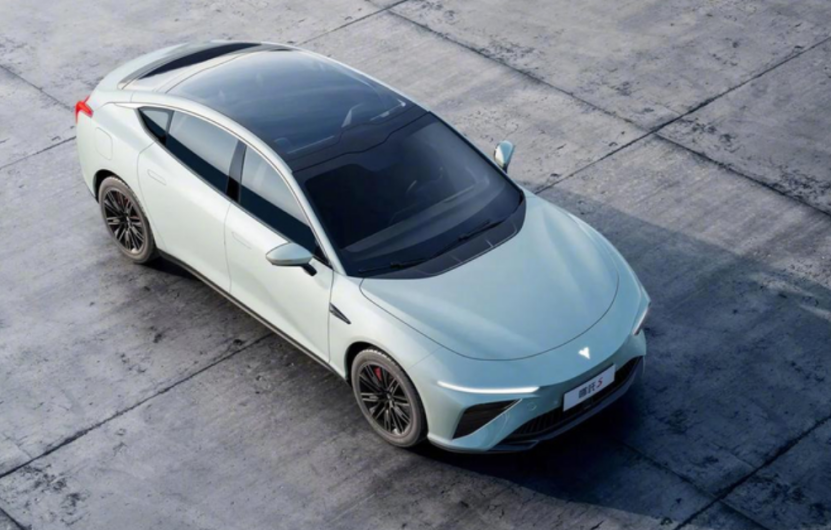
Neta's path looks more difficult. Its creditor claims have risen sharply, while remaining cash is far from enough. Although more than 50 parties reportedly showed interest during the August recruitment phase for restructuring investors, only one had completed registration by early December.
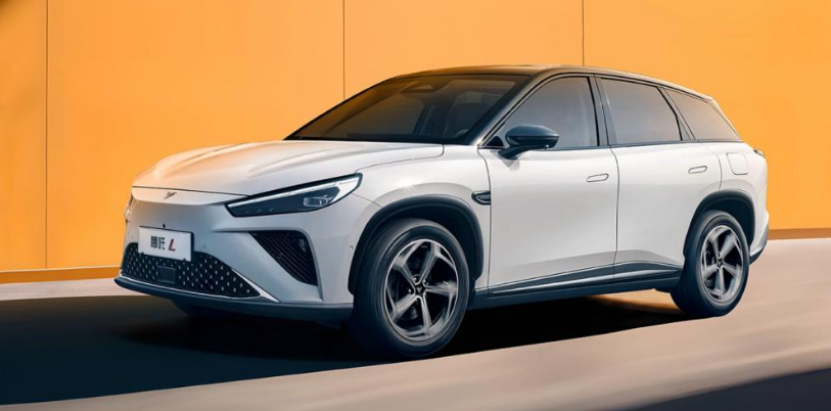
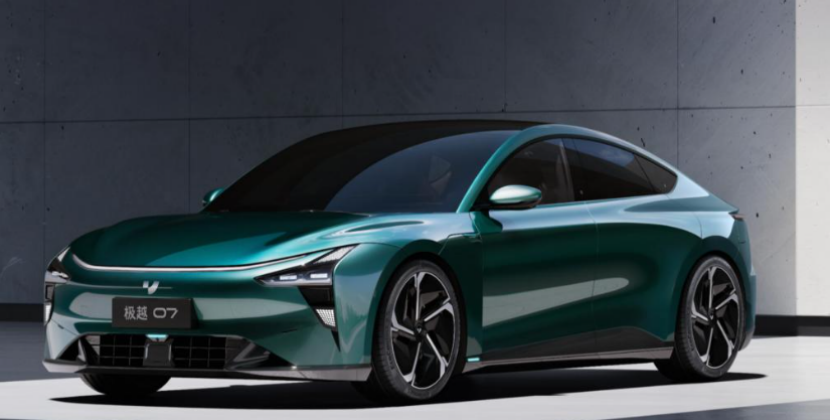
Jiyue appears to be in an even weaker position. Its market influence was limited before the crisis, and it has remained at the stage of waiting for a buyer. Although it has links with Baidu and Geely, no clear strategic investor had emerged as the deadline for intended investor registration approached, according to the article.
That makes the revival race less a return-to-market story than an asset-preservation story. The main assets are production qualifications, factories, technology residues and some channels. Capital will decide which are worth saving.
The first obstacle is customer trust
Even if capital arrives and production restarts, these brands face two deep gaps: trust and product competitiveness. Brand credibility can take years to build and days to collapse.
Owners of failed or stalled brands have already felt the cost. Some had to rely on small repair shops for maintenance. Others struggled to find body parts after accidents or faced higher prices for scarce components. Vehicle infotainment functions and connected services also became unreliable for some users.
Insurance became another problem. The article says several insurers refused vehicle-damage coverage for brands affected by bankruptcy or discontinued parts supply, forcing some owners toward smaller insurers, higher premiums or stricter terms.
Those experiences create lasting memory. Even if Weltmeister restarts its app or Neta offers after-sales promises, buyers may ask a simple question: why believe the brand will not fail again?
The second obstacle is technology time
The technology gap may be just as severe. When Weltmeister and Neta stalled, the market was still focused heavily on range anxiety. During their downtime, the industry moved quickly toward 800-volt platforms, faster charging, better batteries and broader urban navigation assistance.
Restarting production does not restore lost R&D time. Companies that already struggled before the shutdown now face stronger rivals with newer architectures, smarter cabins, better assisted-driving systems and more complete service ecosystems.
Supply-chain trust is also harder to rebuild. Suppliers that were hurt once will demand stricter terms, such as higher prepayments and shorter payment cycles. Even if they resume supply, revived automakers may not receive the latest batteries, chips or capacity priority that stronger manufacturers can obtain.
Capital may care more about assets than brands
From a capital perspective, the question may not be whether a brand can truly revive in the consumer market. It may be whether production qualifications, plants and lines can be restructured into valuable assets.
That is why this revival race looks like a capital-led asset-reorganisation game. The auto industry is capital-intensive and long-cycle, and survival requires continuous R&D, stable cash flow and complete service systems. Static assets alone cannot carry a company through China's current EV competition.
The process still has industry value. Restructuring can prevent factories, qualifications and equipment from being wasted. If even a few revived brands regain momentum, they could add competitive pressure and force existing companies to improve technology and service.
Yet the central test is no longer whether a failed brand can restart. It is whether it can create continuing value. In China's EV market, capital can reopen a factory, but only technology, trust and service can bring customers back.