
China's car market entered 2026 with weaker policy support, slower expected growth and fiercer competition.
A tougher year begins with product pressure
Analysts quoted in the article offered mixed views on January demand, but broadly agreed that the market is moving from price-led expansion toward a higher-quality phase defined by electrification, intelligence and globalisation.
The first quarter is therefore becoming an early test. Carmakers from independent Chinese brands, EV start-ups and joint ventures are all preparing new models, hoping to capture attention before the year becomes more difficult.
Chinese independent brands seek differentiation
Chinese independent brands appear more focused on differentiated scenarios than in previous years. Rather than launching similar vehicles into the same price bands, several are targeting family, business, performance and extended-range use cases.
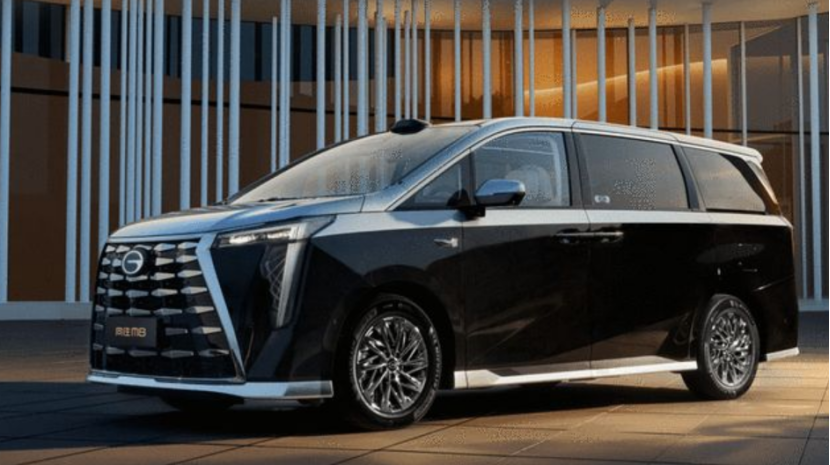
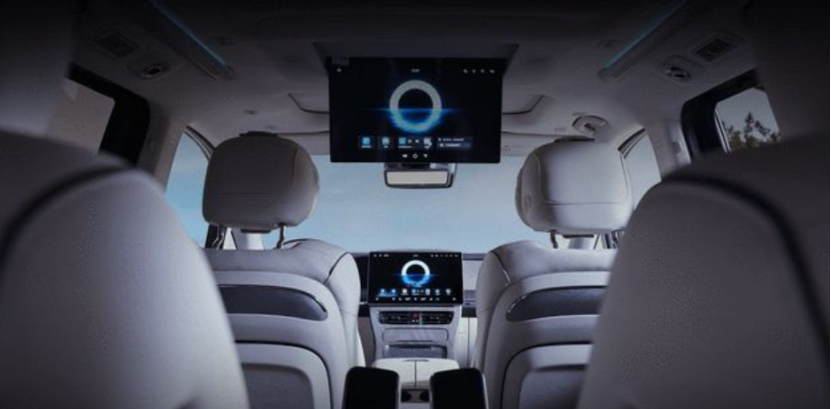
GAC Trumpchi launched the 2026 Xiangwang M8 on January 5 with a starting price of about $44,000. The MPV targets both business and family users. It uses HarmonySpace 5, supports seven-screen collaboration and intelligent voice interaction, and offers dual zero-gravity seats with spa-style comfort features. Huawei Qiankun ADS 4 adds stronger assisted-driving capability, while a 2.0-litre plug-in hybrid system supports performance and range.
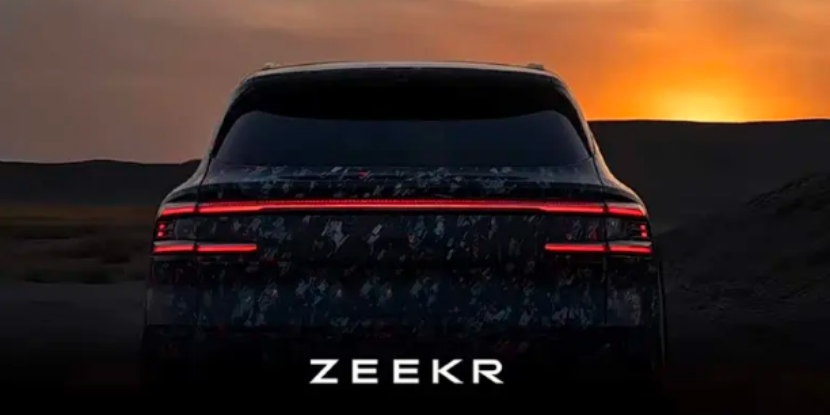
Zeekr's new SUV, internally codenamed "Orca" and expected to be called the Zeekr 9S, is positioned as a high-end sporty flagship SUV at about $63,000. It is expected to use the Haohan-S dedicated super hybrid architecture, a 2.0-litre hybrid engine and three electric motors, with combined power potentially exceeding 1,030kW and 0-100kph acceleration as low as 3.1 seconds. A lidar module, 48-volt active stabiliser bars, dual-chamber air suspension, AI digital chassis and 6C fast-charging battery are also expected.
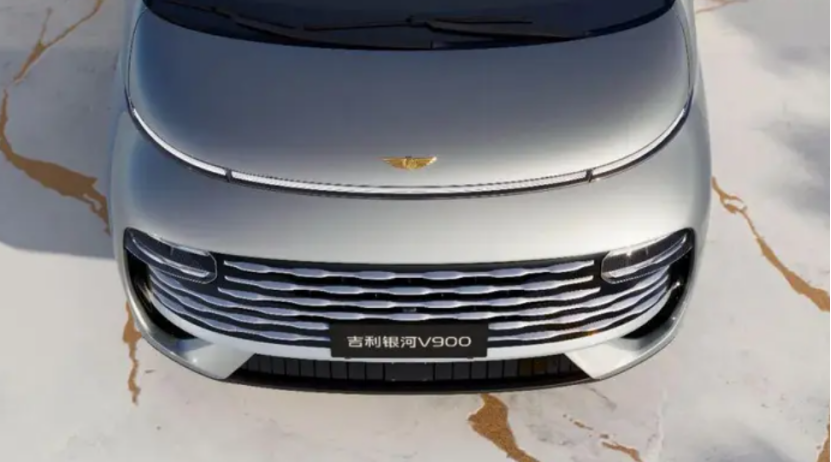
Geely Galaxy opened global pre-sales of the V900 on January 7, with three versions priced at about $45,000 to $55,000. The large MPV offers six-, seven- and eight-seat layouts, a 15.4-inch centre screen, a 10.25-inch instrument display, a 19.8-inch AR head-up display, Flyme Auto 2 and a Snapdragon 8295P chip. It uses the Qianli Haohan H5 assisted-driving system with Nvidia Orin-series computing and supports highway and urban navigation assistance.
BYD is also active. Its Dynasty network is expected to launch three plug-in hybrid upgrades in the first week of 2026: the 2026 Qin Plus DM-i, Qin L DM-i long-range version and Song Pro DM-i long-range version. The main changes are expected to centre on electric range, with the Qin models potentially rising to 210km and the Song Pro DM-i to 200km.
EV start-ups keep playing the technology card
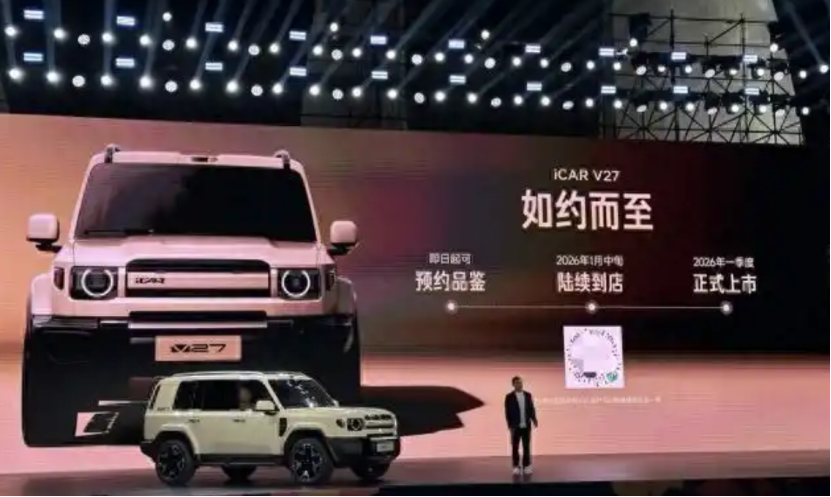
Start-up brands remain focused on advanced assisted driving, cross-ecosystem cabins and charging efficiency. iCAR's V27, expected in the first quarter, is a large SUV with a 1.5-litre range-extended hybrid system, 210km CLTC electric range and more than 1,200km total range. It will use Falcon 700 assisted driving, a 23-speaker audio system, a 15.4-inch 2.5K floating centre screen and a Snapdragon 8295P chip.
Xpeng is preparing the new P7+ and G7 for China launch on January 8 and Europe launch on January 9. Both models are expected to use Xpeng's second-generation VLA system and Turing AI chip, with 2,250 TOPS of effective computing power.
The 2026 Xpeng P7+ receives 104 experience upgrades and a 36 per cent upgrade of primary assemblies, according to the article. It will offer battery-electric and range-extended versions, with the range-extended model reaching 1,550km total range and the battery-electric version reaching 725km.
The Xpeng G7 super range-extender will use an 800-volt plus 5C fast-charging AI battery, with 430km electric range, 1,704km total range and the ability to add 314km in 12 minutes. A 55.8kWh battery and 60-litre fuel tank are intended to address range anxiety directly.
Xiaomi also needs a strong start after a more difficult reputation period. On January 7, Xiaomi Auto opened small deposits for the new-generation SU7, priced at about $32,000, $37,000 and $44,000 for the standard, Pro and Max versions. Prices rose by about $2,000 for the standard and Pro versions and about $1,000 for the Max compared with the previous SU7.
The new SU7 will come standard with lidar and 4D millimetre-wave radar, supported by a flagship chip with 700 TOPS of computing power. Range is also improved: the standard version rises from 700km to 720km, the Pro from 830km to 902km and the Max from 810km to 835km.
Joint ventures begin a counterattack
Joint-venture brands are under pressure from new-energy rivals, but several are using the first quarter to defend their fuel-car base while adding smarter features.
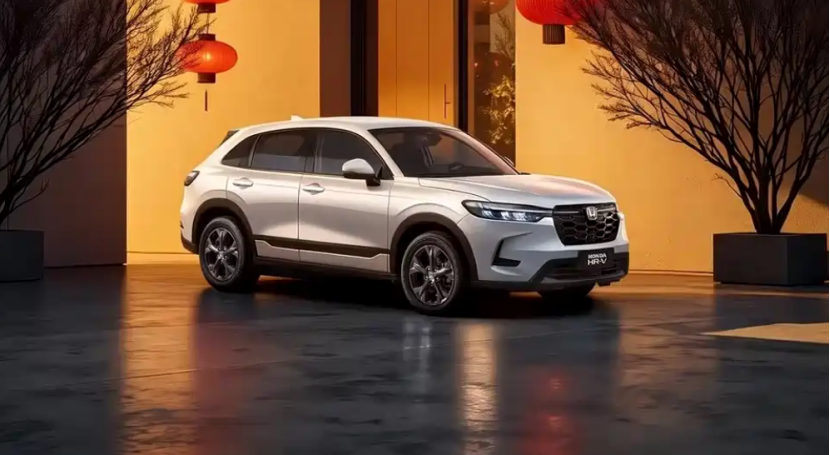
The 2026 Honda HR-V is scheduled for January 8. It keeps the current model's sporty design but uses Honda's MM packaging concept to maximise space within a 4,569mm body and 2,655mm wheelbase. A 1.5-litre turbo engine, CVT gearbox and Honda Connect 3.0 system aim to improve driving and cabin experience.
Dongfeng Nissan's NX8 has appeared in Ministry of Industry and Information Technology filings. The midsize-to-large SUV is based on the Tianyan architecture, follows Nissan's V-motion design language and is expected to offer lidar, highway and urban navigation assistance and intelligent parking. It will be available in range-extended and battery-electric forms, with the EV version using an 800-volt platform and CATL lithium iron phosphate batteries.
The updated Honda Fit is also expected in January. It receives slimmer headlights, a wider-looking front design, a 10.1-inch centre display and Huawei HiCar support. The 1.5-litre naturally aspirated engine remains, leaning on smoothness, reliability and fuel economy for city users.
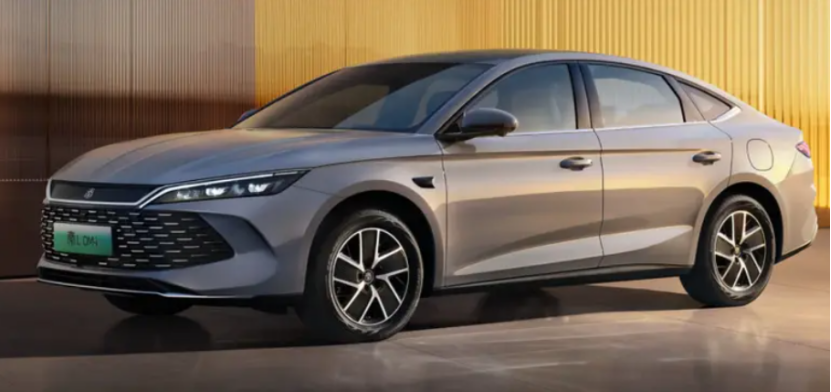
Audi is using the quarter to refresh core luxury models. The new Q5L is expected on January 15, based on the PPC fuel-car platform and equipped with Huawei Qiankun assisted driving. Features include ventilated, heated and massaging front seats, a Bang & Olufsen audio system, an 11.9-inch instrument display, a 14.5-inch centre screen, a 13.1-inch head-up display and a 10.9-inch passenger entertainment screen.
The new Audi A6L is also expected to debut on January 15. Built on the PPC platform with a 3,066mm wheelbase, it adds lidar and cameras and is expected to use Huawei Qiankun assisted driving. Power comes from a 2.0-litre turbocharged engine producing 200kW, paired with a seven-speed wet dual-clutch transmission.
The first quarter will set the tone
The first-quarter launch wave shows a shared conclusion across the industry: survival now requires change. Independent brands are looking for scenario differentiation, start-ups are using technology as a weapon, and joint ventures are adding intelligence to defend relevance.
Which model becomes the first hit of 2026 will depend less on launch noise than on whether the product solves a clear consumer problem at the right price. The first quarter may not decide the year completely, but it will quickly reveal which brands have momentum and which are only adding more cars to an already crowded market.