

China's auto market ended 2025 with production and sales of 34.4 million vehicles and new-energy penetration above 50%.
After the Frenzy
Yet January 2026 delivered a warning: NEV penetration fell sharply to 36.25%.
Some first-quarter weakness was expected, but the scale of the drop exposed a deeper problem. Years of disorderly competition have left the industry with risks that can no longer be ignored.
Over the past few years, China's car market often looked like a free-for-all: aggressive price cuts to grab share, decorative technology presented as innovation, and capacity expansion aimed more at data than durable demand. In 2026, that disorder is likely to slow.
Policy is setting clearer rules. Stronger players are separating from weaker ones. New consolidation models are emerging. The market is not becoming calm, but it may become more disciplined.
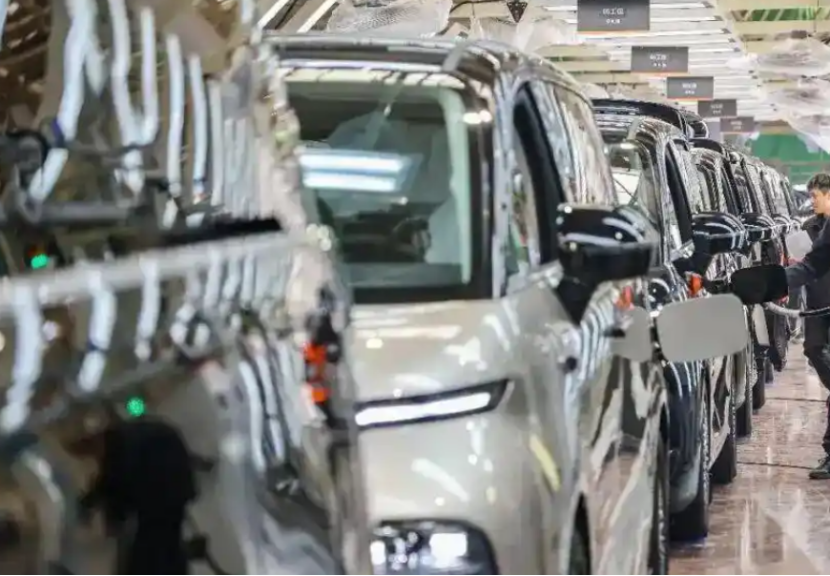
Regulation Sets the Floor
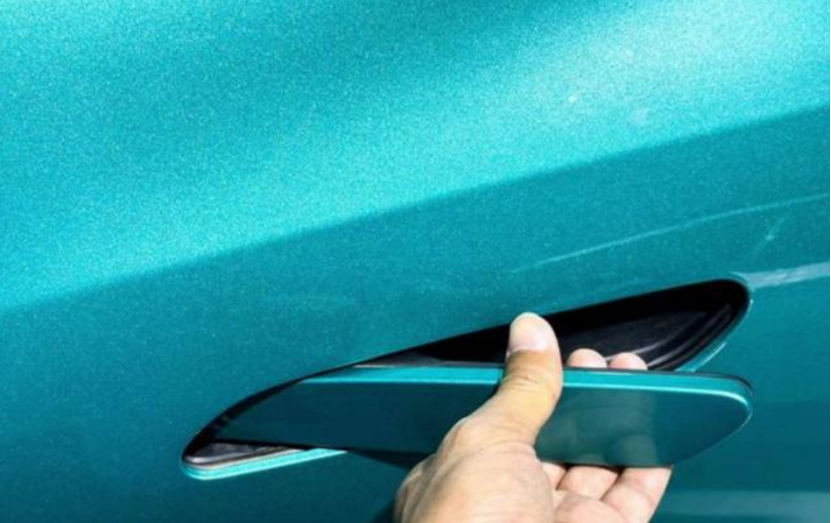
The new regulatory cycle began to take shape in 2025. One example is door-handle safety. Hidden door handles became a design symbol of new-energy vehicles, but safety incidents showed that innovation without limits can create rescue risks.
China's Ministry of Industry and Information Technology has issued the mandatory national standard GB 48001-2026 on vehicle door-handle safety. From January 1, 2027, fully hidden door handles must include independent mechanical unlocking structures that can be opened without tools, with enough operating space and usability after power loss.
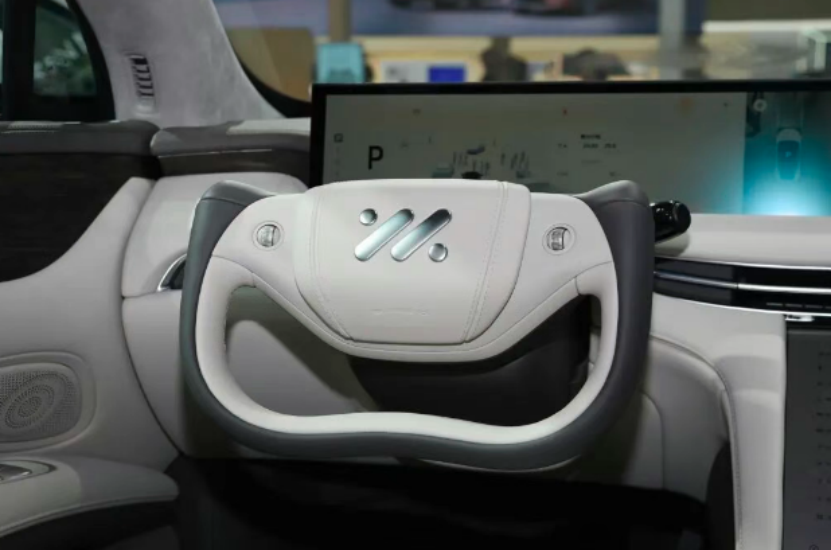
Steering-wheel rules are also becoming stricter. A draft mandatory standard, GB 11557-202X, on preventing steering mechanisms from injuring drivers is planned for implementation on January 1, 2027. Compared with the 2011 version, the new requirements are tighter. They reduce the horizontal force limit in body-module testing to 11,110N, align with UN R12 rules, remove exemptions for body-impact tests and add risk checks for steering-mechanism hooking.
The message is that design theatre cannot override safety. Regulators are also taking aim at disorderly price competition. Authorities have signalled limits on malicious under-cost selling and on the use of price cuts to trade volume for long-term industry damage.
This does not ban price competition. It targets the kind of self-destructive discounting that weakens research investment, damages profit pools and ultimately hurts consumers.
The policy direction is clear: China's car market is moving from scale-first competition to quality-first competition. Companies that cannot adapt to the new rules will find survival harder.
Old and New Players Face Different Tests
The industry's shake-out is intensifying. Traditional automakers and new-energy start-ups are both reaching a crossroads.
For many legacy groups, the old joint-venture profit model is fading. Capital, talent and technology are moving toward own-brand new-energy operations. Japanese and US joint ventures are losing some of the internal importance they once held as profit engines.
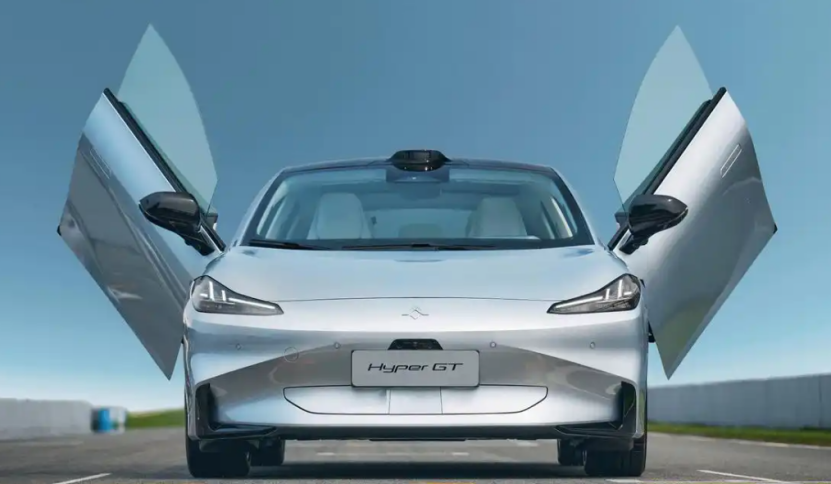
GAC is a useful example. It has invested heavily in its own new-energy brands, with Trumpchi and Aion becoming key engines. Aion's Magazine Battery and intelligent-driving systems support growth at home and abroad, while Hyptec models such as the Hyper GT have received EU certification. Trumpchi is building strength in mainstream segments and younger consumer groups.
At the same time, GAC's Japanese joint ventures have faced declining share and profitability. That pattern is not unique. Across parts of the industry, own-brand new-energy businesses are carrying more growth responsibility while joint ventures move from core pillar to supporting role.
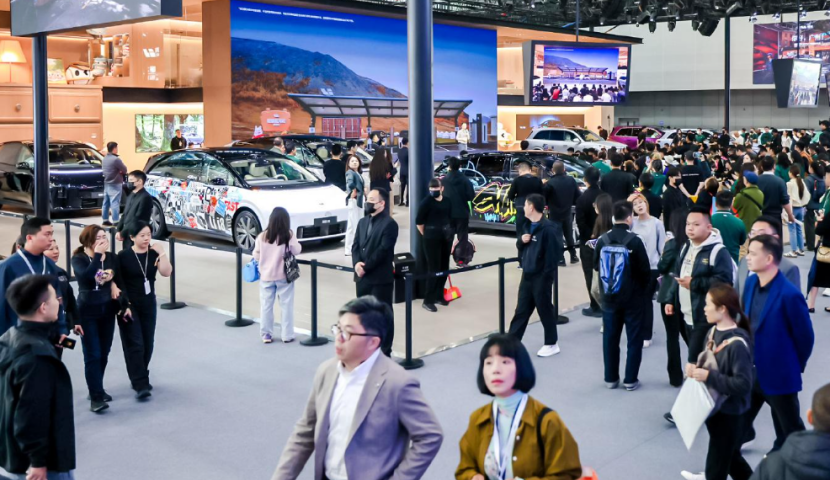
For start-ups, 2026 will be even harsher. The January cold spell showed that new-energy sales can fall faster than petrol sales when demand cools. Leapmotor is expanding through in-house core components. Xiaomi is rising through brand influence and product design. Harmony Intelligent Mobility leads through ecosystem strength. The head players' advantages are becoming clearer.
Start-ups without pure-EV and petrol-linked dual paths, without core technology and without strong products will face growing pressure. After 2026, China's new carmaking sector is likely to move from broad flowering toward a smaller group of stronger survivors.
Consolidation Changes the Survival Script
For companies that are not strong enough alone, cooperation may become the most practical route. In China's Three Kingdoms metaphor, smaller forces survive by alliance. In the auto market, the equivalent is consolidation and sales consolidation.
FAW's cooperation with Leapmotor is one of the most important examples. Reports suggest FAW's investment in Leapmotor is nearing completion, while Leapmotor's founding team will retain actual control. The two sides are expected to pursue cooperation that allows sales to be consolidated in reporting.
This breaks from the old 50:50 joint-venture model and follows changes in how China's state-owned assets regulator evaluates central state-owned enterprises' new-energy businesses.
For FAW, cooperation can quickly improve new-energy sales data and help solve weaknesses in its own-brand NEV development. For Leapmotor, FAW offers capital, channel resources and industrial coordination. The two sides may also jointly develop plug-in hybrid and range-extender powertrains.
The logic is broader than one deal. As competition intensifies, companies need resource integration. Large state-backed groups and smaller new-energy firms can both benefit: one gains speed and technology; the other gains capital and scale.
A Healthier Year, Not a Quiet One
China's 2026 auto market is unlikely to be peaceful in the sense of reduced competition. It may become healthier because competition is more orderly, weaker firms exit faster and alliances reduce wasteful duplication.
Regulation is setting the bottom line. The shake-out is pushing capable companies forward. New cooperation models are creating ways to combine scale, technology and capital.
The coming year may therefore become a turning point. The market will still be hard, but the goal is no longer unrestrained expansion. It is a more sustainable structure built around safety, value, innovation and disciplined consolidation.