
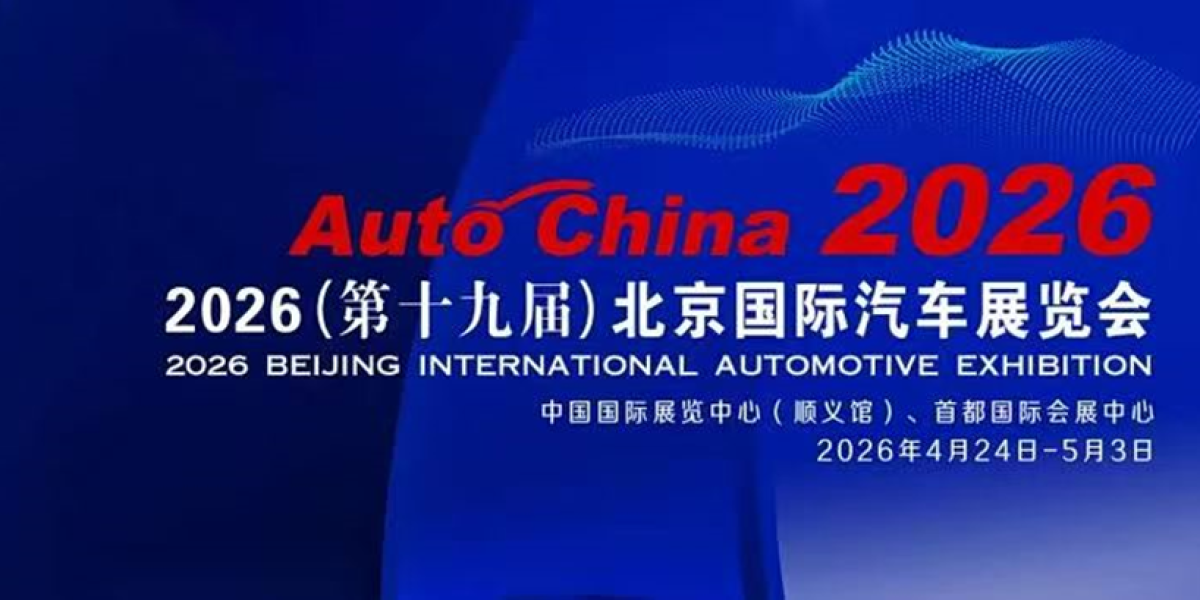
On the eve of the 2026 Beijing auto show, China's car market has already delivered much of the drama that once belonged to the exhibition floor.
Beijing Becomes a Checkpoint, Not the Main Event
Major brands have been unveiling, previewing and pricing models weeks ahead of the event, a shift that says as much about industry pressure as it does about marketing strategy.
Beijing is still the first top-tier domestic auto show of the year. Yet it arrives with less of the concentrated suspense that such events once commanded. The days when carmakers waited for a major show to reveal their most important models are fading. Launches now come in waves before and after the exhibition, turning the auto show from a first-look platform into something closer to a public progress report.
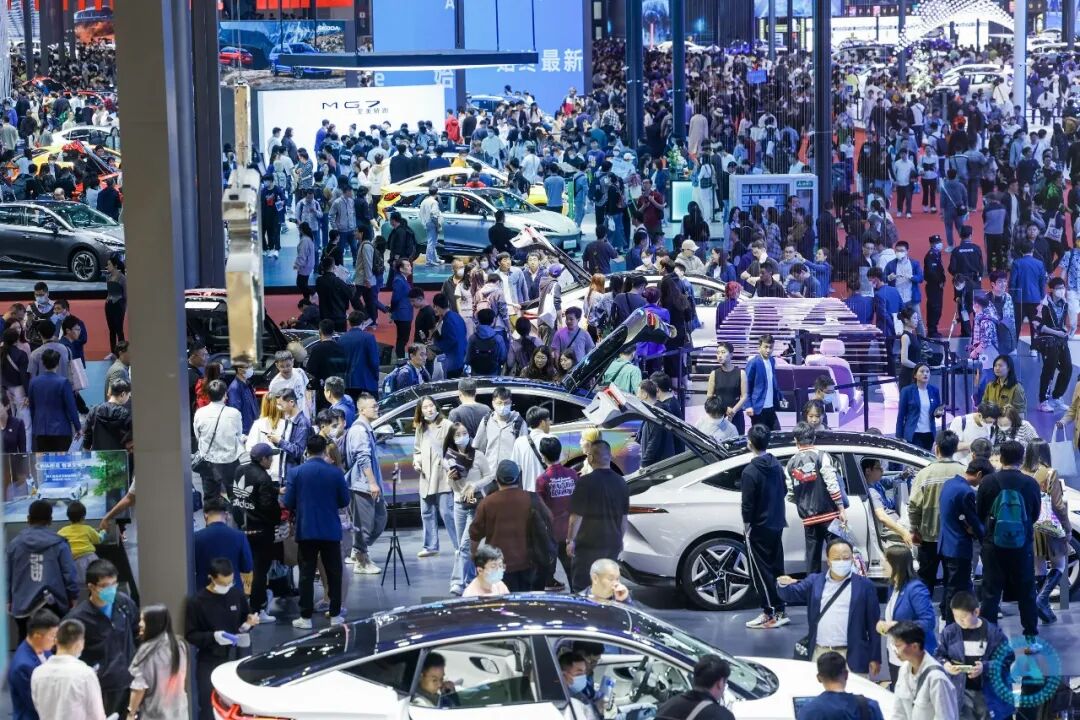
The product mix also looks different. Rather than an electric-only storyline, plug-in hybrids and extended-range vehicles are taking a larger share of the agenda across Chinese brands, joint ventures and luxury marques. BYD's new hybrid systems, upgraded Geely Galaxy models and Chery's plug-in range are part of that move. Audi's A5L with a China-focused hybrid quattro system shows that premium foreign brands are trying to defend ground in the same lane.
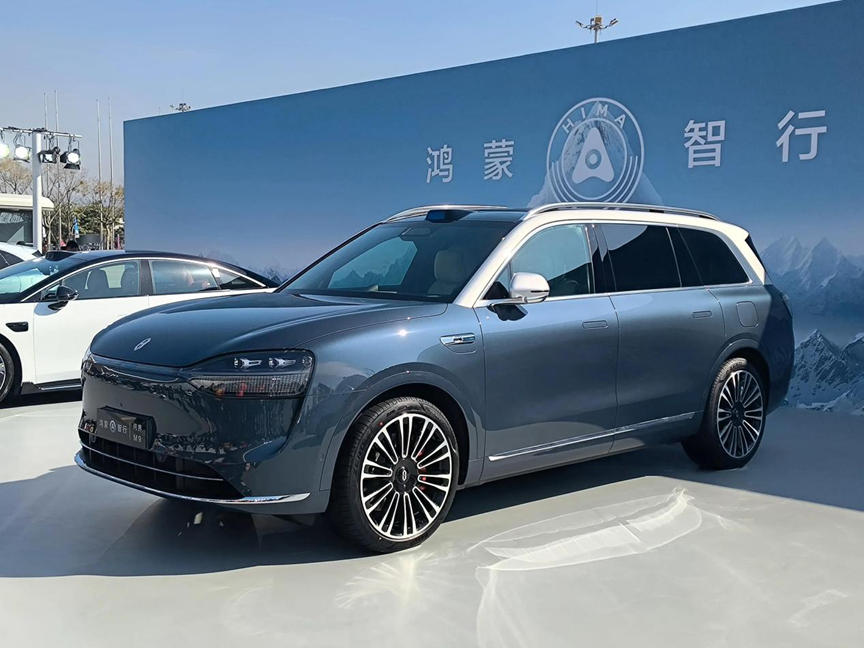
Huawei's automotive ecosystem is another force shaping the show season. Harmony Intelligent Mobility and partners using Huawei's Qiankun systems, including Hongqi and Voyah, are likely to dominate many of the conversations around intelligent driving and smart cabins. Much of that positioning has already happened before the doors open in Beijing.
The Rise of the Auto-Show Season
The launch effect of China's big motor shows has been weakening for several years, while the idea of an "auto-show season" has grown stronger. In the past, a major exhibition offered a rare concentration of traffic, media attention and brand storytelling. A well-timed debut could ignite demand almost overnight.
That model is now harder to sustain. Dozens of new cars have been launched or announced in April alone, with some of the heaviest models choosing to break cover one or two weeks before the show. March was similarly crowded, with presales, launch events and technology briefings competing for the same audience.
The reason is straightforward: attention has become the scarcest commodity in a saturated Chinese car market. A model launched during a few crowded exhibition days can be swallowed by the news cycle before consumers have formed a view of it. Carmakers are therefore splitting launches into stages: technology previews, static debuts, media drives, presales and official pricing, all spread across the weeks around a show.
In that environment, the auto show is less a storytelling stage than a continuation of a rolling communications campaign. It remains useful, but mainly as a place to show finished work, let visitors experience vehicles in person and reinforce messages already seeded online.
Scale Is Driving the Launch Frenzy
The loss of focus around the show contrasts with the intensity of product launches. China's market is seeing new entries across almost every segment and technology route: city cars under about $14,000, six-figure luxury vehicles, hybrids, range extenders, pure EVs and even hydrogen fuel-cell concepts.
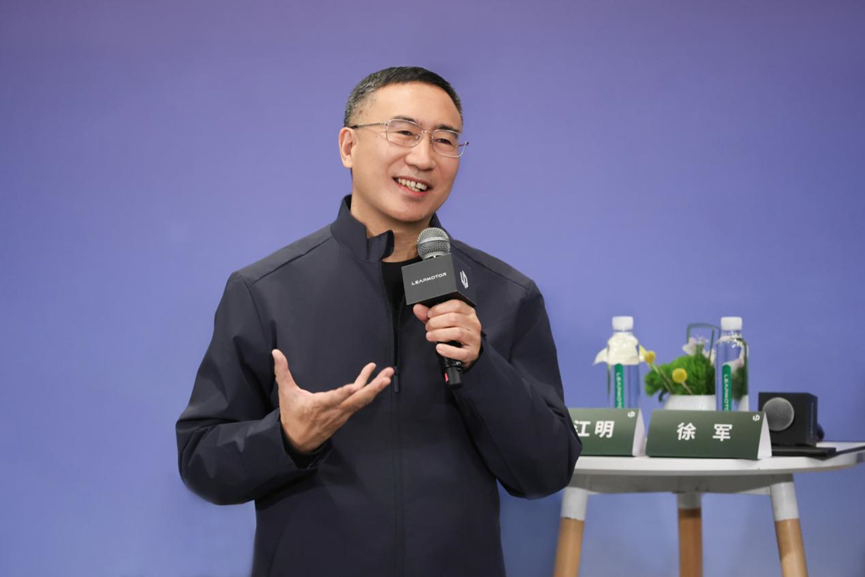
Zhu Jiangming, chairman of Leapmotor, has described the market as a "sea of cars" and expects the rapid launch cadence to remain normal for the next two or three years. His assessment captures the economics behind the rush. For many manufacturers, frequent launches are not a matter of fashion but a response to scale pressure and technology disruption.
Survival increasingly depends on two conditions: avoiding losses and building volume. Leapmotor's example is telling. Even with tight cost control, developing a single model can require about $138 million in research and development spending. If that model sells only a few thousand units, the investment is hard to recover. If a plant designed for 10,000 monthly sales is running at 5,000, unit costs rise quickly.
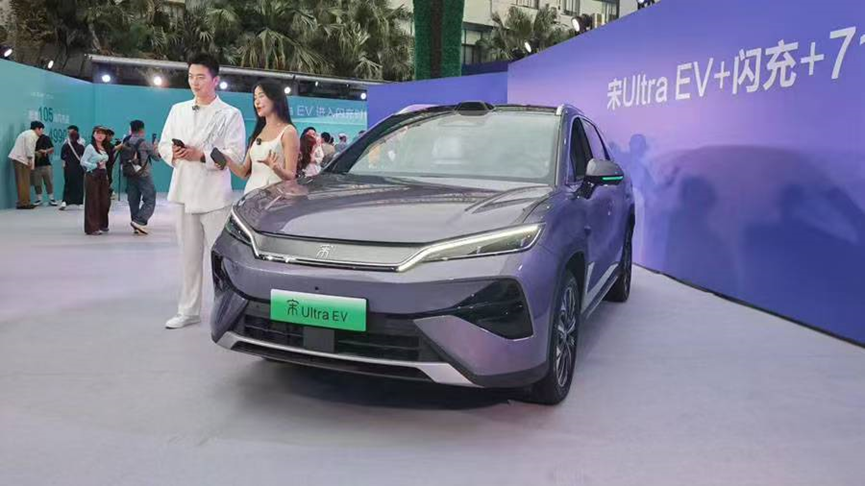
That is why carmakers are pushing into more segments, trying to spread development, manufacturing and supply-chain costs over larger volumes. The range now stretches from family-size SUVs to compact commuter cars. It includes fast-charging EVs such as BYD's Song Ultra EV, long-range models such as the Denza Z9GT and premium hybrid sedans such as Audi's A5L.
Technology cycles are also accelerating the pace. Hybrid systems are improving quickly, preserving the convenience of fuel refuelling while lowering consumption. Assisted-driving systems, once marketed as optional novelties, are becoming a baseline expectation. Whether Level 3 capability is necessary remains contested, but the movement toward more advanced automation is already shaping product cycles.
From More Models to Better Bets
A flood of new cars does not guarantee a flood of hits. Since the start of 2026, China has seen one launch event after another, yet few models have truly reset a category or reshaped a market. The lesson for carmakers is that piling on variants and features is no longer enough.
The next phase is likely to be a contest of sharper product bets. Vehicles with a clear technology edge, a well-defined use case and credible brand strength will have a better chance of standing out in a crowded field. In that setting, auto shows may return to a more practical role as venues for industry exchange, technology display and customer experience.
Brand storytelling will keep shifting toward online launches, owner events, targeted briefings and direct user communication. The exhibition hall will remain valuable as a physical experience point, giving buyers a chance to compare design, performance and digital features at close range. It may also become more important as a meeting place for carmakers and suppliers as the industry becomes more dependent on software, semiconductors, batteries and intelligent-driving systems.
The launch surge is unlikely to end immediately. Zhu expects the pace to continue for two or three years, before the market moves away from days when six new models can be announced at once. Models with high development costs and poor factory utilisation will eventually be forced out.
The Ecosystem Fight
As the market matures, the fight will move from sheer model count toward quality, value and ecosystem strength. Huawei's influence is already expanding through partnerships with Hongqi, Voyah, Dongfeng's eπ brand, Audi and others. Its Qiankun assisted-driving systems and HarmonyOS cockpits have become strategic tools for brands seeking faster access to advanced smart-car features.
Other technology ecosystems will compete for the same role. The winners are likely to be those that combine product discipline with strong software, credible user experience and enough scale to survive a prolonged price war. For China's carmakers, global expansion will depend less on how many models they launch and more on whether they can build products that foreign buyers understand, trust and want.
The Beijing auto show will still matter. It now matters differently. Rather than serving as the industry's single stage for big reveals, it reflects a market in which competition runs every day, across every screen, showroom and supply chain. The show has lost some of its spotlight, but that loss is a sign of a more demanding and more mature contest.