China's domestic car market has entered a stage of brutal replacement demand. Joint-venture brands are cutting prices, domestic brands are fighting each other, and profit per vehicle is being pushed toward the break-even line.
Exports become the second growth curve
New-energy vehicles have not escaped the pressure; from entry-level city cars to mainstream SUVs, price competition has become routine.
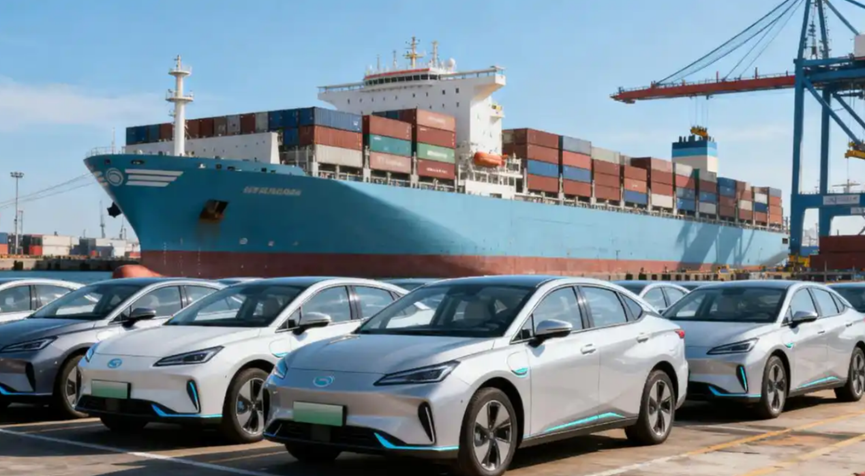
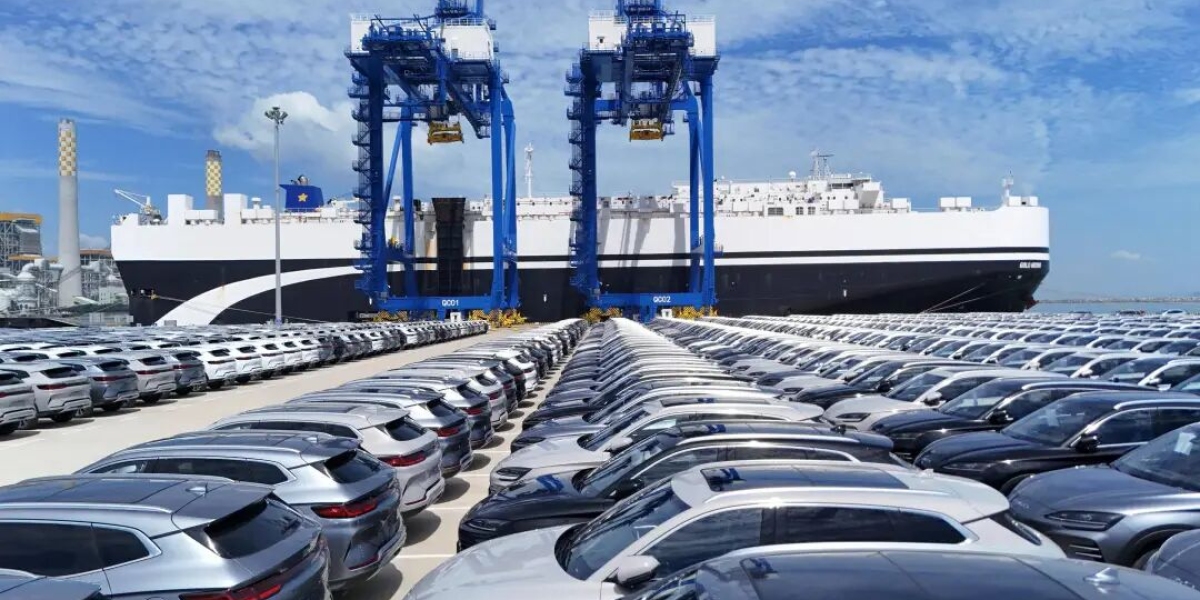
With local competition approaching the point of low or no profit, Chinese automakers are looking abroad for a second growth curve. In the first quarter of 2026, passenger-vehicle exports reached 1.92 million units, up 64% year on year, with new-energy vehicles taking a larger share.
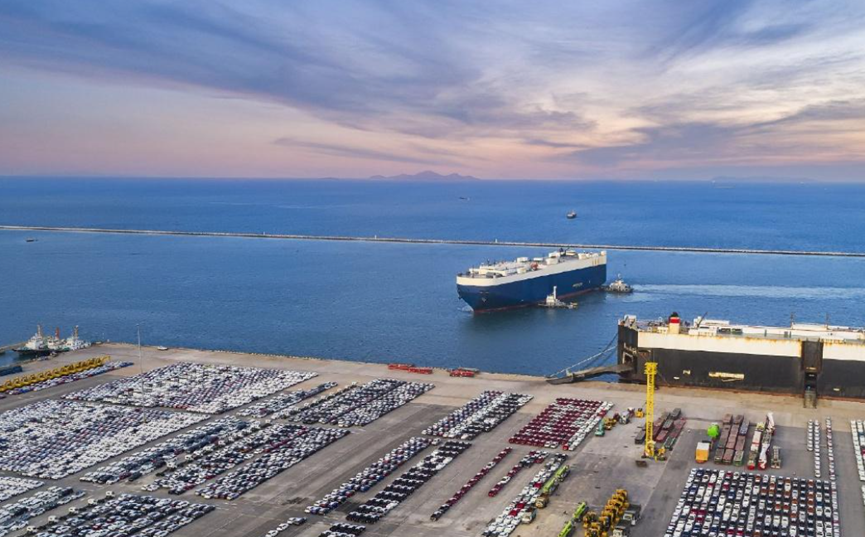
The shift is clear across four major domestic groups. BYD sold 319,800 new-energy vehicles overseas in the first quarter, up 55%, with overseas sales close to 46% of total volume. Geely exported 203,000 vehicles, up 126%, covering more than 100 countries and regions. Changan sold 213,000 vehicles overseas, up 33.2%, with March exceeding 100,000 units in a monthly record. Great Wall Motor sold 130,000 vehicles overseas, up 43.1%, lifting the overseas share of total sales to 48.3%.
The question is whether these numbers truly ease survival pressure, and how different overseas strategies will shape the next round of competition.
The home market decides how far a company can go
Global expansion is not judged only by speed or headline volume. It depends on whether the domestic base can fund years of overseas investment. Factories, dealers, service systems, brand-building and local teams all require time and money before they return profit.
That makes the home market both the capital base and the strategic constraint.
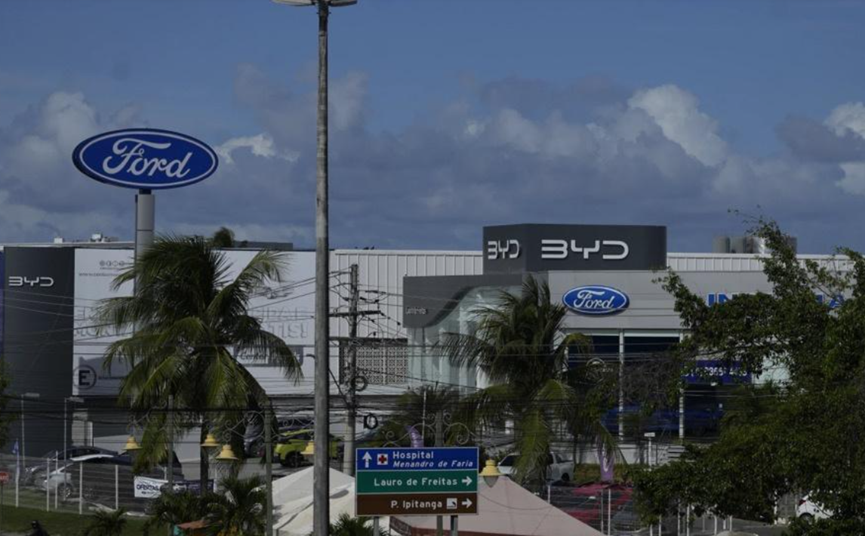
BYD has benefited from China's rapid new-energy growth and controls much of its own value chain, from Blade Battery and DM-i hybrid systems to dedicated vehicle platforms and key components. That gives it strong cost control and manufacturing scale, reducing dependence on outside suppliers and giving it a deeper base for exports.
Geely is a more seasoned global operator. Its acquisitions of Volvo, Lotus and other assets gave it early access to European market rules, operating systems and brand experience. It is not relying on aggressive domestic price wars for survival and can pursue a more layered overseas strategy.
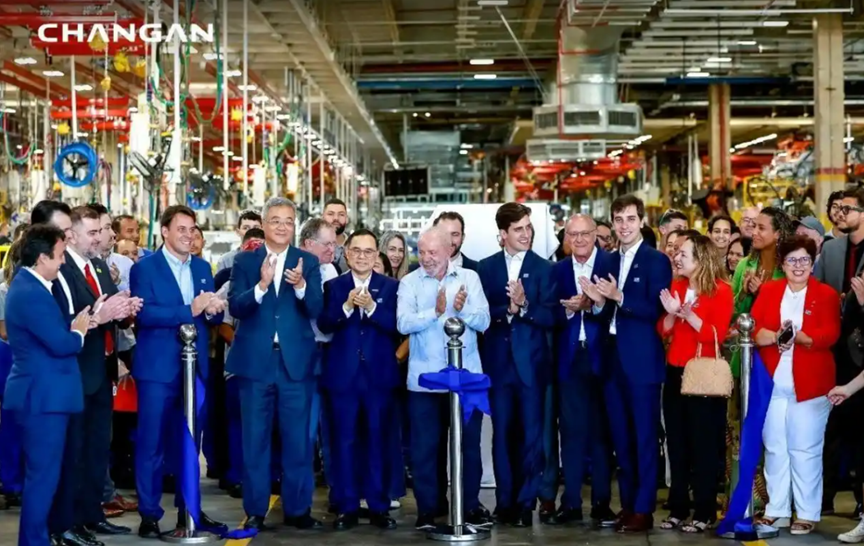
Changan benefits from the stability of a central state-owned enterprise. Its domestic business provides steady cash flow, but that same background makes its overseas expansion more conservative. It prefers stability over bold moves into high-end markets.
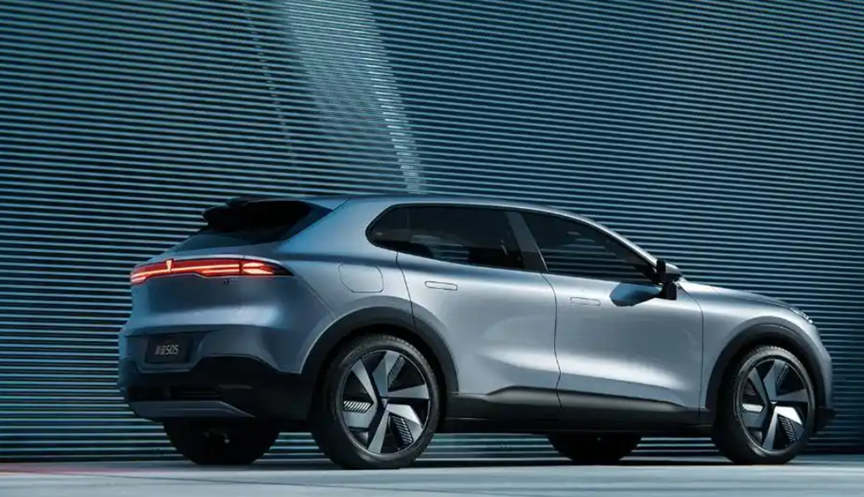
Great Wall has focused for years on SUVs and hard-core off-road vehicles. Its domestic strength supports overseas growth, but its strategy naturally remains selective. It does not chase every market; it targets niches where its products fit and where per-vehicle profit can hold.
Four companies, four export playbooks
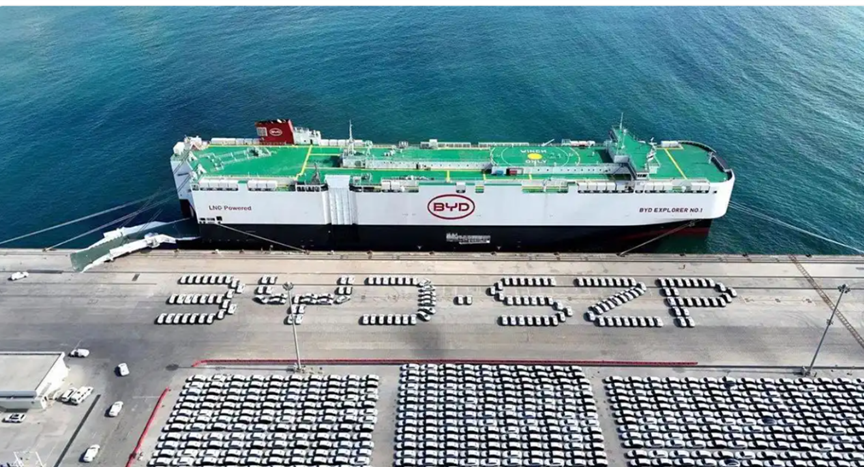
BYD's overseas strategy is aggressive but not careless. It is not trying to fight foreign petrol brands in every market on their own terms. Instead, it targets the early policy-window period of electrification in each country, using cost advantages and fast KD assembly deployment to gain share.
Its route is to fill gaps quickly with proven China-market value products. Europe, Southeast Asia and the Middle East are all part of the push. First-quarter overseas new-energy sales of 319,800 units show that the model works. Yet BYD still needs deeper service systems, parts warehousing, logistics and local operations if it wants overseas volume to become a lasting profit base.
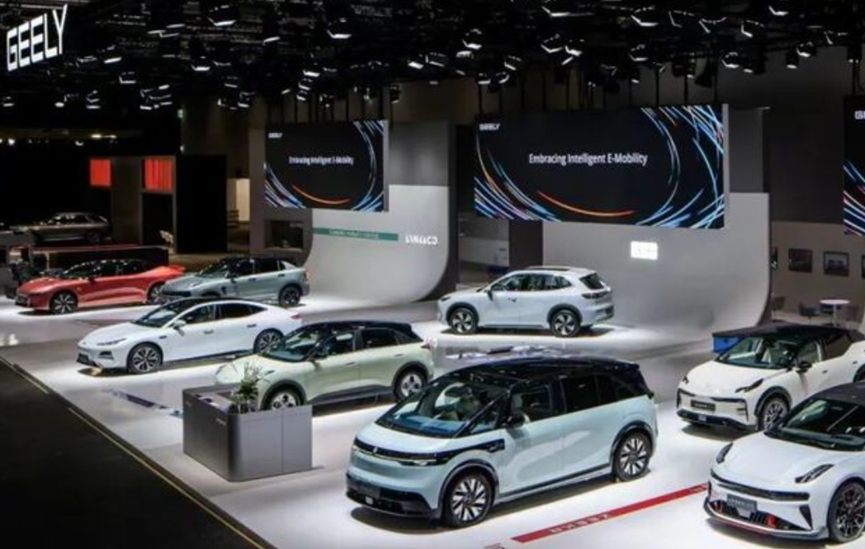
Geely is taking a different path. It is not relying on low prices alone. Volvo supports the premium image, Lynk & Co develops younger European buyers, and the Geely main brand holds emerging markets. In the first quarter, exports reached 203,000 units, up 126%, while new-energy exports reached 125,000, up 572% and accounting for more than 61% of exports.
Geely's focus is not merely selling abroad, but entering markets more deeply. It builds factories, hires locally and follows regulatory systems, even if that slows short-term volume. The advantage is stronger long-term brand tone, user trust and per-vehicle profit.

Changan remains measured. Its overseas sales rose 33.2% to 213,000 units in the first quarter. The company uses petrol vehicles to hold the base, follows with new-energy models and prioritises Asia, Africa and Latin America. That limits risk, but also limits the chance of a dramatic breakthrough.
Great Wall keeps to its own lanes. It uses Tank, Haval and other differentiated products in hard-core off-road and SUV markets, avoiding low-price competition where it has little advantage. Overseas sales of 130,000 units, up 43.1%, and an overseas share of 48.3% show that the approach fits the company's current structure. The weakness is ceiling. Reliance on a few hit models and specialised segments can cap scale.
Three barriers every Chinese brand must cross
China's auto exports reached 2.226 million units in the first quarter, up 56.7%, surpassing Japan for the first time. The four major domestic automakers all posted overseas growth. The headline is strong, but three structural challenges remain.
The first is trade protection. Europe and the US are raising barriers through anti-dumping investigations, high tariffs and local-manufacturing requirements. BYD, Geely and others are accelerating overseas factory plans, often requiring investments measured in billions of dollars. Those costs will compress already thin margins.
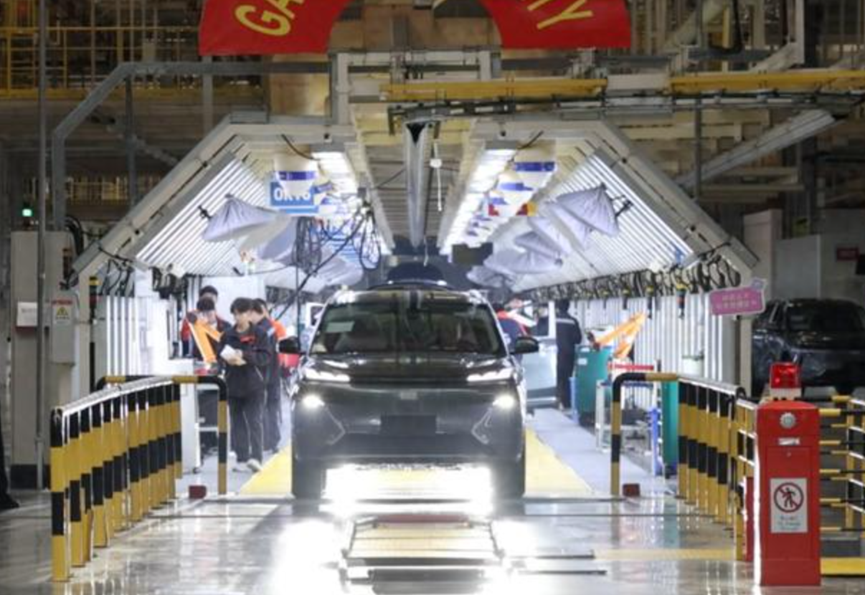
The second is brand perception. Overseas consumers have decades of familiarity with established brands. BYD's premium models in Europe and Lynk & Co's gradual climb show that brand reshaping takes time. Chinese cars still face the old low-price utility label in some markets, which limits premium pricing.
The third is internal competition abroad. Chinese brands are not moving overseas as a coordinated group. In Southeast Asia, the Middle East and other early new-energy markets, they overlap and compete for the same buyers. That makes it harder to build a unified "Chinese car" image quickly.

There is some natural separation. BYD targets the global mass new-energy market. Geely works more deeply in European premium and multi-brand operations. Changan focuses on Asia, Africa and Latin America with a petrol-heavy base. Great Wall leans into hard-core SUVs and off-road. This differentiation may reduce direct conflict, but it does not remove the need for brand-building and local capability.
A long overseas war, not a quick escape
For Chinese automakers, overseas expansion is no longer optional. Domestic margins are too thin, and exports have become the clearest route to a second growth curve. The first-quarter data confirm the direction.
The real test is endurance. Winning abroad requires technology, brand trust, local operations and supply-chain roots, not only export volume. The companies that treat globalisation as a long operating system rather than a short sales channel will have the best chance of turning overseas growth into durable profit.