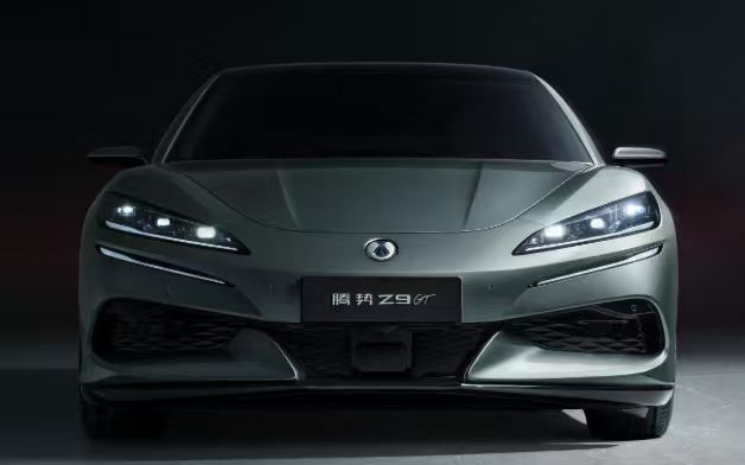
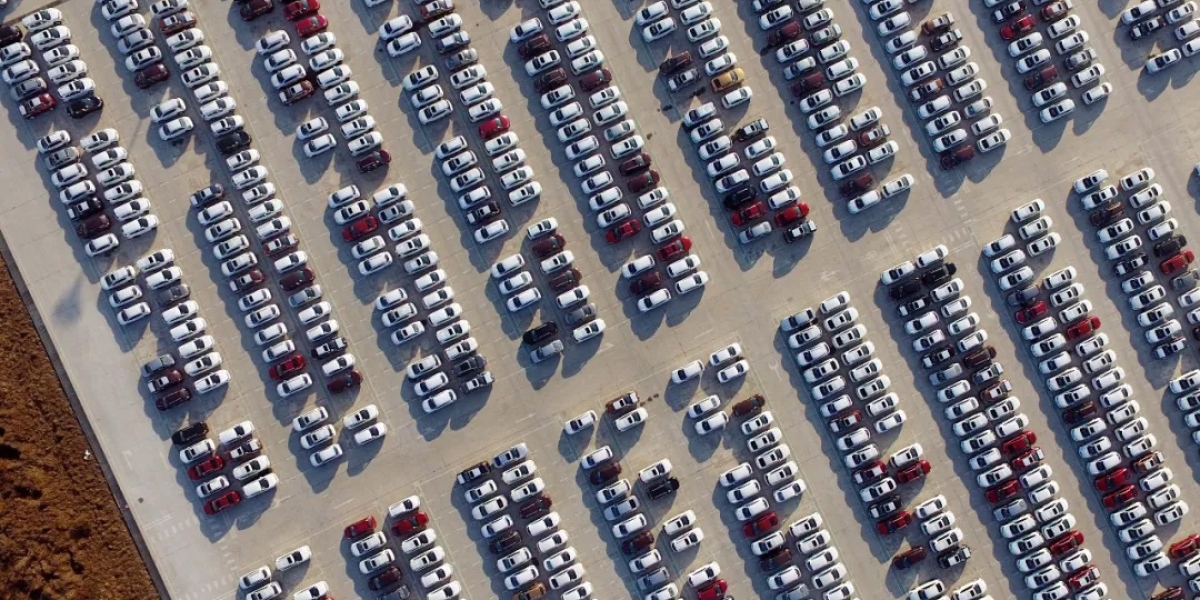
China's passenger-car market delivered a surprising data point in February. The average retail price reached about $25,000, up roughly $2,000 from about $23,000 a year earlier, a gain of nearly 9.1%.
The Average Price Signal
At first glance, that looks like carmakers raising prices. The reality is more complex. The average passenger-car price is a weighted average across all vehicles sold, not proof that every model has become more expensive. It is shaped by model mix, consumer choices and supply-chain costs.
If higher-priced vehicles gain share while cheaper models shrink, the average rises even if individual transaction prices do not. Semiconductor inflation, higher energy costs and shifting demand toward better-equipped vehicles are all contributing to the change.
The signal is less that cars have simply become more expensive. It is that China's auto market is moving from disorderly price competition toward a more value-oriented phase.
Semiconductors Remove Room for Price Wars
Many observers expected a weak first quarter to push carmakers back into aggressive discounting. Instead, global semiconductor inflation has made that harder.
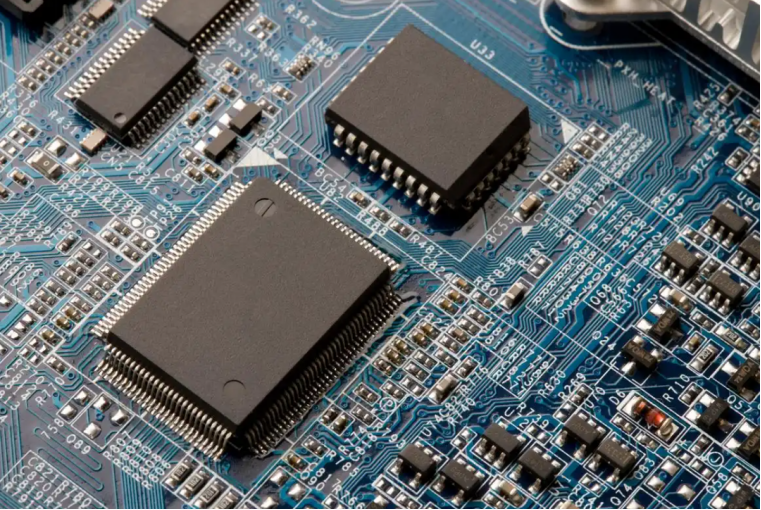
The latest chip-price pressure differs from the shortage cycle of several years ago. This time, the AI boom is absorbing advanced production capacity. Demand for high-bandwidth memory in AI servers has surged, leading major memory suppliers to shift capacity toward HBM and squeezing production of DDR4 and other chips still needed by vehicles.
TrendForce data cited in the original report show that first-quarter regular contract prices were revised sharply upward. DRAM contract-price growth was lifted from an estimated 55%-60% to 90%-95%, while NAND flash contract-price growth was revised from 33%-38% to 55%-60%.
Automotive-grade chip prices have risen faster than expected over the past three months. As software-defined vehicles become more common, smart cabins and automated-driving systems require far more chips than traditional petrol cars. Yet carmakers account for less than 5% of global memory-chip procurement, giving them limited bargaining power.

HSBC research cited in the article suggests memory-chip price increases alone could add several hundred dollars to the production cost of each new-energy vehicle this year. Logic chips, power chips and raw materials such as silicon and germanium are also rising, while delivery times have stretched from four to six weeks to eight to 12 weeks.
Carmakers have two broad choices. They can absorb higher costs and adjust product mix toward higher-value models, which indirectly lifts average prices. Or they can lock in capacity with chip suppliers, accelerate domestic substitution, reduce dependence on high-end chips through software optimisation and work with suppliers to lower process costs.
Either way, the price-war playbook is becoming harder to use. The likely result is further industry consolidation, with weaker manufacturers squeezed by cost pressure and larger groups using supply-chain and technology advantages to gain share.
Fuel Prices and EV Costs Move Together
Another factor behind the higher average price is the linkage between petrol and new-energy markets. Domestic refined-fuel prices rose several times in early 2026, with premium petrol in many regions moving above about $1.10 per litre. Higher petrol costs make consumers think harder before choosing a combustion vehicle.
In theory, higher fuel prices should make EVs more attractive and give new-energy carmakers a chance to push volume. Yet some NEV brands have also raised prices.
Chery's Exeed brand was among the first to announce an increase in March 2026. The official guide price of the ET5 210 lidar-equipped version rose by about $1,000 to roughly $23,000, making Exeed the first Chinese auto brand this year to publicly announce a price rise.
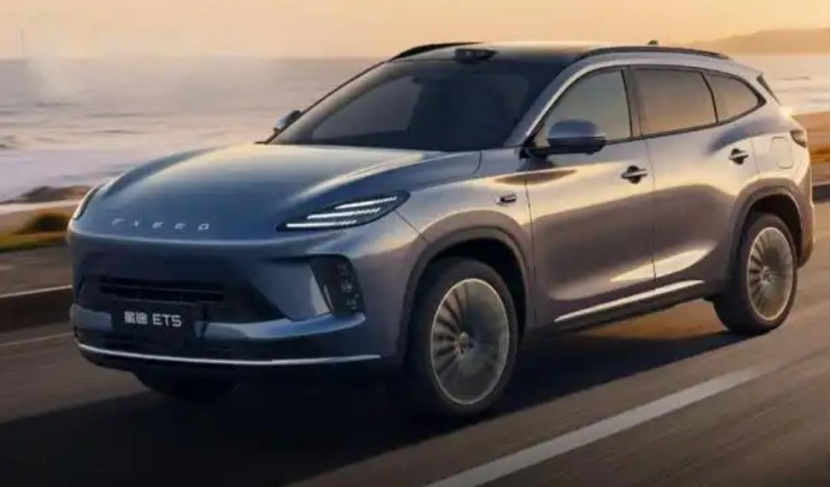
The move carries risk because Exeed's sales base is not especially large. Yet that also limits downside for Chery. If the test works, Exeed can strengthen its premium identity and pass through costs more rationally.
There is also a broader cost logic. Higher oil prices push up the cost of petroleum-based products used in interiors, tyres and plastic components. Battery raw materials, including lithium carbonate, have also been rising, adding pressure to new-energy manufacturers.
Exeed said its adjustment was affected by chip and supply-chain costs, but framed the decision as a long-term choice to protect research investment, product quality and user service. Whether consumers accept that argument is still an open question, but the move reflects a market trying to escape endless low-price competition.
Consumers Are Choosing More Expensive Cars
The most important explanation is demand upgrade. February's average-price increase was driven largely by a higher share of more expensive vehicles.
A survey by the China Passenger Car Association and Deloitte showed a clear premiumisation trend in February 2026. Interest in vehicles below about $14,000 had fallen to 2%. Models between roughly $14,000 and $28,000 accounted for only 8%. Demand for vehicles above about $41,000 remained strong: the $41,000 to $55,000 band accounted for 30%, the $55,000 to $69,000 band 22%, and the segment above about $69,000 another 11%. Together, those higher-end categories exceeded 63%.
That data suggests low-priced vehicles are gradually being filtered out, while mid-to-high-end products are becoming the consumption mainstream. A higher average price is therefore a natural result of structural upgrade.

Policy is also nudging the market upward. In 2026, China's NEV subsidy rules changed. Under details issued by the Ministry of Commerce and seven other departments, consumers seeking the highest subsidy must buy a new-energy vehicle priced above about $23,000. Fiscal incentives are being linked to consumption upgrade, encouraging buyers to raise budgets and carmakers to move toward higher-end, smarter models.
Optimised trade-in subsidies are also pushing consumers to replace older, cheaper vehicles with higher-quality and higher-priced new cars. At the same time, buyers are placing more value on intelligent driving, smart cabins and user experience. The purchase logic is moving from basic function to experience recognition.
A Market Moving Toward Value
It is too simple to say February's average-price rise means cars are becoming more expensive. Semiconductor inflation, fuel and NEV cost linkages, policy shifts and consumer upgrading all matter.
The broader signal is that China's car market is entering a higher-quality phase. That will test carmakers' cost control and supply-chain strength, but it also creates an opening for brands that can deliver genuine value rather than only lower prices.