
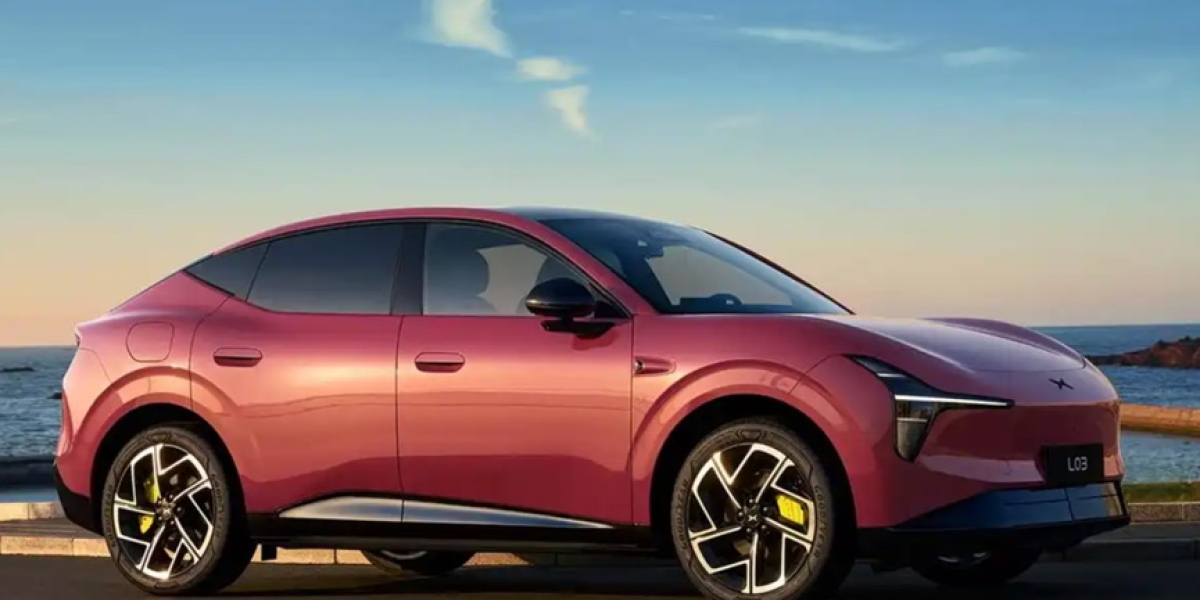
On July 16, six Chinese automakers launched seven new vehicles within the same day, creating what industry observers jokingly called a “Crazy Thursday” for the car market.
The unusually crowded release schedule raised a bigger question: is China’s auto industry entering a new phase of growth, or is it a sign of a deeper struggle for survival?
The wave of launches was not an isolated event. Earlier in April, more than 10 new models were unveiled across 12 industry events in a single day. Two such moments within six months suggest that the rush is becoming a structural feature of the market rather than a coincidence.
A Shrinking Market Is Producing More Cars
At first glance, the surge of new models appears contradictory. A healthy market usually responds to weaker demand by reducing supply. China’s passenger vehicle market is moving in the opposite direction.
In the first half of 2026, passenger vehicle retail sales fell 20.2% year on year to 8.701 million units, while around 630 new models entered the market. At the same time, vehicle manufacturing profit margins dropped to 1.5%, the lowest level in a decade.
The result is a rare combination: more products, fewer buyers and thinner profits. The “Crazy Thursday” phenomenon reflects not confidence alone, but the intense pressure facing automakers trying to maintain growth narratives in a difficult market.
Capital Markets Reward Growth Stories, Not Just Profits
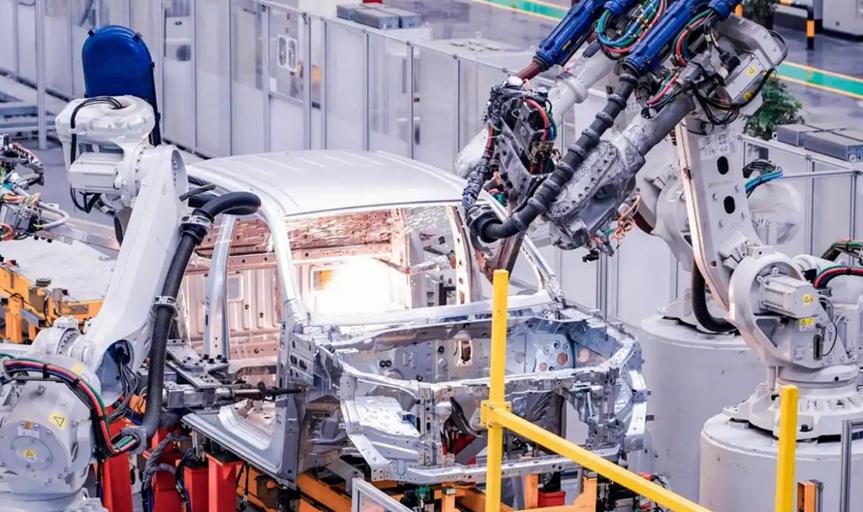
For many automakers, selling cars is no longer enough to support the scale of investment required by the industry. With margins compressed, companies increasingly rely on market confidence and future growth expectations.
Investors often focus on delivery volumes, market share expansion and the speed of new product launches. A company that slows down its product pipeline risks being viewed as falling behind in technology and losing growth momentum.
This creates a powerful incentive: launching new vehicles becomes more than a commercial decision. It becomes part of a broader capital strategy.
The timing of the July 16 launches was also significant, arriving after a period when many companies disclosed their first-half financial expectations and entered a new reporting cycle. The concentrated release activity showed how closely product momentum and investor expectations have become linked.
The Technology Race Has Created a Ratchet Effect
Even without pressure from investors, automakers face another force pushing them forward: rapid technological change.
Vehicle development still requires roughly 24 to 36 months from concept to production, but technologies such as intelligent driving systems, chips and battery platforms are evolving much faster. A technology selected at the beginning of a project may already look outdated when the vehicle reaches customers.
The traditional automotive cycle of five to seven years between major generations has been replaced by a much shorter rhythm. In today’s EV market, waiting too long can make a product appear outdated almost immediately.

Features such as 800-volt charging platforms, urban autonomous driving systems, advanced cockpit chips and lidar have become competitive benchmarks. Once one model introduces these technologies at a certain price point, rivals are forced to follow.
This creates a ratchet effect: companies continue upgrading products because stopping means falling behind. Yet the faster the cycle moves, the less time manufacturers have for genuine differentiation.
The Supply Chain Is Capturing More of the Value
The biggest beneficiaries of the new automotive landscape may not be the vehicle manufacturers themselves.
While automakers compete aggressively for consumers, major suppliers have enjoyed stronger profitability. Battery manufacturers and technology companies have gained greater influence as electric vehicles shift value away from traditional mechanical components.
In the internal combustion era, automakers controlled key technologies such as engines, transmissions and vehicle platforms. In the intelligent EV era, batteries, chips and software have become central sources of competitive advantage.
The automotive value chain has effectively changed shape. Companies developing battery technology, intelligent systems and semiconductor solutions are moving closer to the most profitable positions, while vehicle manufacturers face growing cost pressure.
The Car Industry Needs a More Rational Competition Model
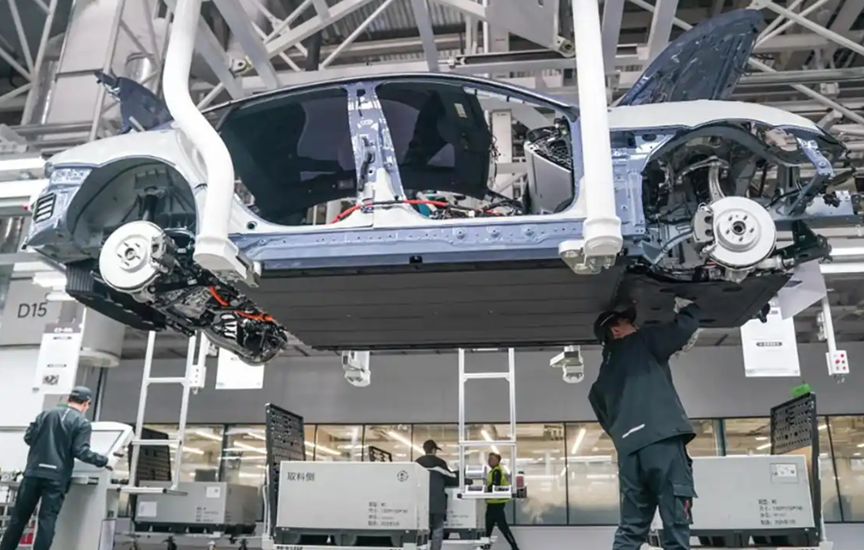
The “Crazy Thursday” phenomenon is the result of three forces reinforcing each other: capital markets demanding growth stories, technology cycles shortening product lifespans, and profits shifting toward upstream suppliers.
Automakers cannot simply stop competing. In a market where every company fears losing ground, no player wants to slow down first. The solution is not fewer launches alone, but a return to more diversified competition.
Future winners may not be determined only by who adds the most features or launches the most models. Some companies may compete through technology, others through customer experience, services or brand positioning.
China’s auto industry does not need more “Crazy Thursdays”. It needs a more rational Monday — one where competition creates sustainable value rather than an endless race for survival.