

China's auto market is entering a new phase. The country had 469 million motor vehicles by the end of 2025, including 366 million cars, while the number of licensed drivers exceeded 525 million, according to data cited from the Ministry of Public Security.
A market moving from growth to replacement
Those figures point to a market moving from first-time expansion toward replacement demand. New-energy vehicles now make up roughly half of new registrations, while used-car ownership transfers have exceeded new-car registrations for six consecutive years.
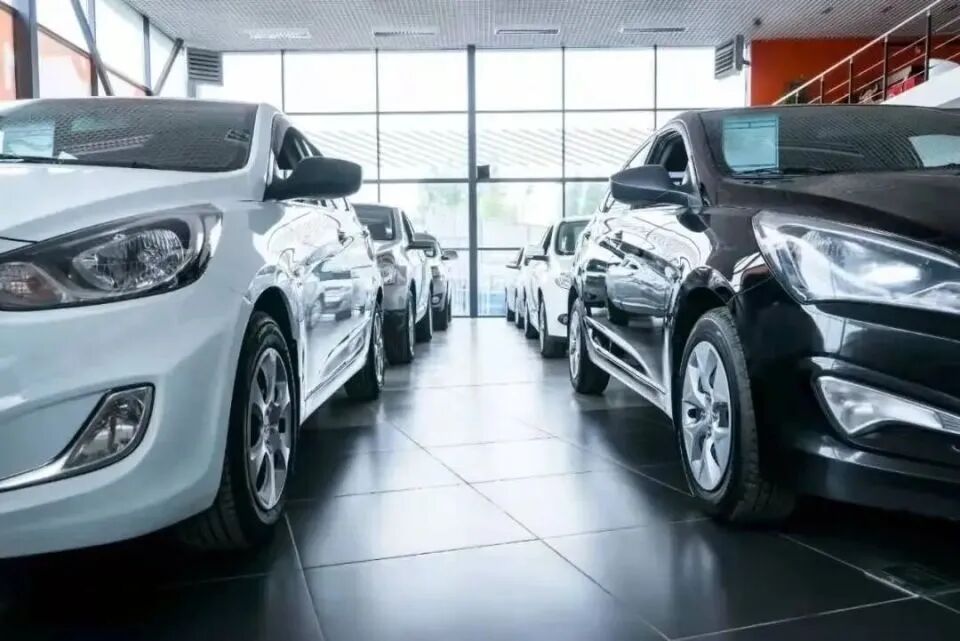
That shift challenges the old "model sea" strategy, under which carmakers launched many vehicles across every segment in the hope of capturing share through sheer coverage. In a more mature market, too many similar models can blur positioning, spread research and marketing resources too thin, and leave new launches unsold almost as soon as they appear.
The stock-market era changes the rules
In 2025, Chinese traffic authorities handled 38.41 million car ownership transfers, far above 26.19 million new-car registrations and nearly three times the 2016 level, according to the article. The China Automobile Dealers Association said used-car transactions exceeded 20 million for the first time, reaching 20.108 million.
New-energy used-car transactions reached 1.6 million units, or 7.9 per cent of the used-car market, with growth above 35 per cent. Online nationwide buying has also made cross-regional purchases more common, raising their share to about 40 per cent and improving used-car circulation.

The implication is clear. Automakers are no longer competing only to capture new buyers. They must retain existing owners, manage residual values and build full-life-cycle services around the vehicle.
New-energy vehicles accelerated the change. In 2025, they accounted for 49.38 per cent of newly registered cars, up 14.93 percentage points from the previous year. New-energy vehicle additions reached 12.93 million units, while the total fleet exceeded 43.97 million, equal to 12.01 per cent of all cars.
Retail data from the National Bureau of Statistics cited in the article showed new-energy passenger vehicles reaching 53.9 per cent of retail sales in 2025, up 6.3 percentage points. For many buyers, EVs and plug-in hybrids have moved from novelty to default consideration.
Big cities are already crowded
Urban saturation adds another constraint. China had 103 cities with more than 1 million cars, 47 with more than 2 million and 27 with more than 3 million. In these markets, road space, parking and running costs have made consumers more rational.
A research note from CICC introduced the idea of an effective replacement cycle: the ratio between the vehicle fleet and annual sales. Mature markets such as the United States have a cycle of about 20 years, while Japan and South Korea are closer to 13 to 14 years.
If China's car ownership reaches 300 vehicles per 1,000 people and the replacement cycle stabilises at 15 years, annual sales could settle around 28 million vehicles, almost 10 per cent above the roughly 25.5 million vehicles sold in 2025, according to the article. That suggests the market still has room, but growth will be structural rather than universal.
Why the old model flood is losing force
The old strategy worked during a faster-growth period. Companies such as Great Wall and Chery expanded by filling many sub-segments with different models and brands. In a market full of new buyers, breadth could create reach.
Today's new-energy buyers behave differently. They are more likely to favour quality, intelligent experience and brand value over a long list of similar choices. A strong, durable hit model may be more persuasive than a crowded showroom of average products.
Too many models can weaken a company's focus. Research budgets, marketing resources, supply-chain coordination and software iteration all become harder to manage. A carmaker can end up with coverage everywhere but leadership nowhere.
This is especially risky for legacy manufacturers that carry fuel-era habits into new-energy competition. Launching many electric models may create an appearance of transformation, but without clear positioning and core technology it can leave brands marginalised.

The next version of the strategy
The model-sea strategy is not dead. It needs to evolve from quantity coverage to precise value creation. In 2026, the stronger approach will combine sharper positioning, technology innovation and ecosystem building.
Policy will still shape demand. Trade-in programmes are expected to continue, and analysts have highlighted brands with competitive products and core technology. Forecasts cited in the article suggest China's total auto sales could reach about 33 million in 2026, with new-energy sales potentially exceeding 19 million.
Some growth will come from specific use cases. New-energy heavy trucks sold about 230,000 units in 2025, up 180 per cent, with penetration reaching 28 per cent. For such categories, a model-sea strategy only works if products are designed for clear scenarios such as ports, mines or closed logistics operations.
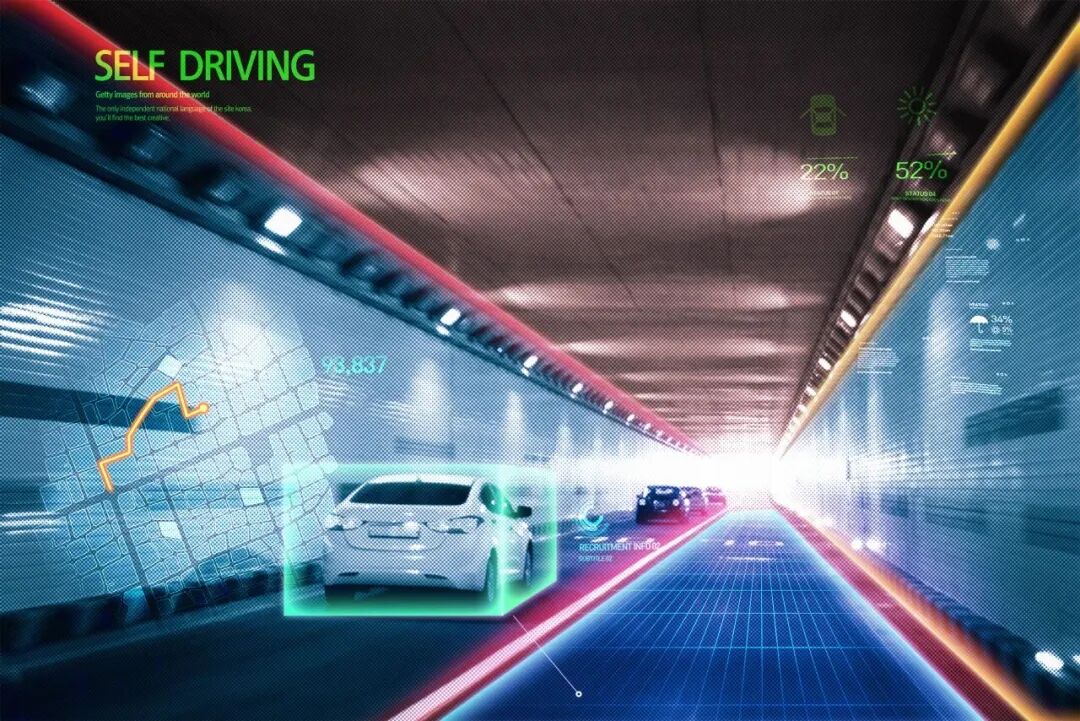
Intelligent connected technology will also change how portfolios are built. Robotaxi services may become an important field for autonomous-driving commercialisation in 2026. In that context, automakers will need to think less about individual models and more about operating systems, fleets, service networks and data ecosystems.
Used-car values will become a bigger part of new-car strategy. Frequent launches that rapidly devalue older models may damage consumer confidence. As the new-energy used-car market grows, buyers will pay closer attention to residual value, battery durability, software support and upgrade paths.
For large automakers, the better model may be a focused flagship that builds brand strength, supported by a small number of targeted vehicles for specific segments. The future is not about having the most models. It is about making each model clearly valuable, technically credible and connected to a longer customer relationship.