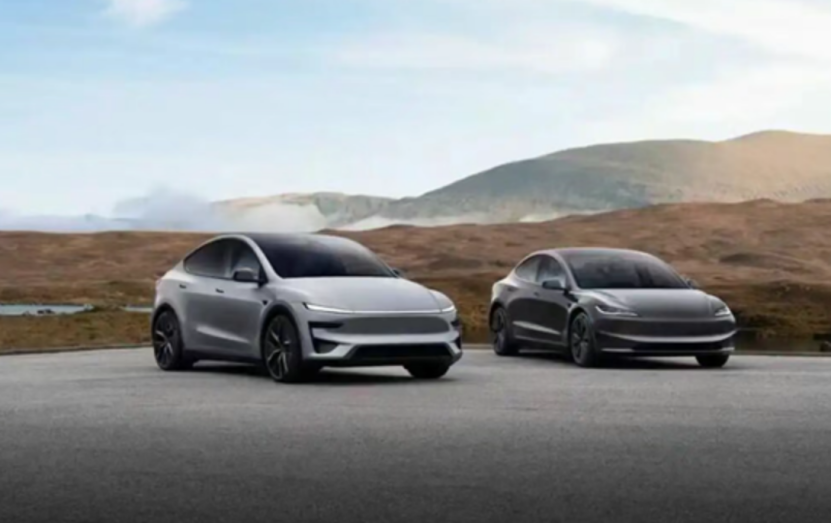

China's passenger-car market began 2026 with a sharp slowdown.
A weak start after pulled-forward demand
From January 1 to 18, national passenger-car retail sales reached 679,000 units, down 28 per cent from a year earlier and 37 per cent from the previous month, according to data cited in the article.
The first week was even weaker, with average daily retail sales of 30,000 vehicles, down 32 per cent year on year and 42 per cent month on month. In the second week, daily retail sales improved to 50,000 vehicles, but remained down 22 per cent from a year earlier and 31 per cent from December.
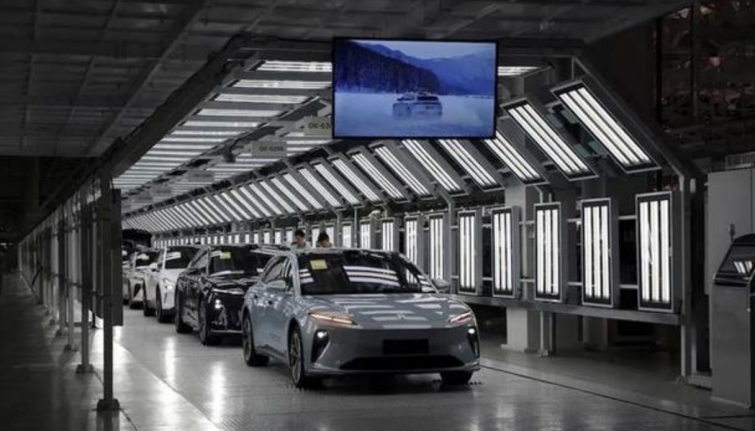
The weakness was not unexpected. Demand had been pulled forward at the end of 2025 before changes to new-energy vehicle purchase-tax incentives. Buyers who might have waited into 2026 moved early, leaving the first quarter exposed.
For automakers, the problem is both demand and margins. If higher tax costs are passed to consumers, purchase decisions become easier to delay. If carmakers absorb them, already thin profits are compressed further.
Industry anxiety is rising
Signs of stress have spread beyond sales figures. Reports of store closures, headcount reductions and restructuring have circulated across the sector. The pressure is not limited to EV start-ups. Traditional luxury and joint-venture brands, including Volkswagen, Audi and BMW, have also been cutting capacity or staffing in response to weaker conditions.
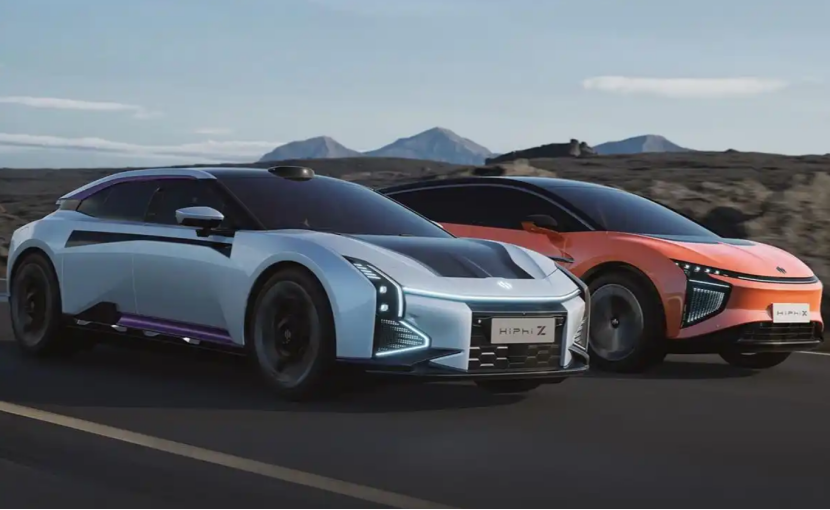
The market remains crowded despite the pressure. HiPhi has continued trying to revive itself, with reports that a draft restructuring plan has been shared with creditors and that two potential investors remain in talks. If capital supports distressed brands, they may return to compete for share in a market that already has limited growth.
That makes the first-quarter slowdown more than a seasonal issue. China is now in a stock-market phase, where demand is no longer expanding fast enough to support every participant. More brands chasing the same pool of buyers means less volume for weaker players.

Consumers are waiting longer
Automakers also face a more cautious buyer. Rapid advances in assisted driving, battery technology and cockpit systems have shortened perceived product cycles. Many consumers fear buying a car that feels outdated soon after delivery, especially when brands have already announced new 2026 models.
Homogeneity is another drag. The market is crowded with vehicles at similar prices, with similar specifications and little clear differentiation. Even after the visible heat of the 2025 price war cooled, many brands continued to cluster around the same products and segments.
In that environment, a fresh round of direct price cuts is possible, but the article argues it is unlikely to arrive immediately. After industry pressure in 2025 to reduce price-war behaviour and shift competition toward technology, leading brands have reason to wait and watch. March may become a dividing point if demand does not improve.
Finance is the first defensive tool
Some companies have already turned to financing rather than headline price cuts. After Tesla introduced seven-year low-interest financing in China, Xiaomi Auto, Li Auto, Xpeng and Dongfeng's eπ brand moved to add or strengthen six- to seven-year low-interest or ultra-low-interest plans.
This approach lowers monthly payments instead of cutting list prices. It can support short-term demand while protecting brand value more than a public price reduction. Yet it remains a form of price competition, shifted from the sticker to the payment schedule.
Finance offers can buy time, but they cannot become the foundation of a turnaround. If sales remain weak for several months, carmakers will need deeper changes in cost structure, product competitiveness, technology investment and channel operations.
How to fight the turnaround battle
Cost control is the first line. Some carmakers will need to close inefficient stores, shift to lighter retail formats, reduce store size and staffing, and improve channel productivity. On the supply side, long-term agreements with key parts suppliers can help lock in prices, while localised sourcing can reduce dependence on imported components.
Tesla's cost discipline in China shows why this matters. The company has been able to price the Model 3 aggressively because its manufacturing, supply-chain and localisation systems give it room to move.
The second line is differentiation. If products look the same, price cuts alone may not unlock demand. Carmakers need to concentrate R&D spending on areas that buyers recognise: intelligent driving, battery performance, charging speed and cabin software.
A roughly $14,000 new-energy vehicle with a well-known CATL battery, 400km of range added in 10 minutes of charging and credible advanced driver assistance would have a very different appeal from a generic low-priced EV. The point is not only price, but a clear reason to buy.
Partnerships across the supply chain can help. Battery companies can co-develop packs for specific models, improving fit and lowering cost. Technology groups can support assisted-driving and operating-system development. Charging companies can expand infrastructure and reduce a key source of consumer hesitation.
The final line is a genuine shift toward users. Many automakers still think from the product outward, trying to educate consumers rather than listen to them. In a cautious market, the winners will be those that understand what buyers actually feel they need, then rebuild product, retail and service systems around that reality.
March as the next test
The first-quarter weakness was largely predictable after late-2025 demand was pulled forward. What matters now is how carmakers respond after the holiday period and whether March sales reveal a clearer recovery or a deeper downturn.
The rebound battle will be intense. Weaker brands with poor cost control, weak technology and indistinct products will face faster elimination. Stronger companies can still grow through the downturn, but only if they treat the cold start as a signal to improve the business rather than simply cut prices again.