

China's car market opened 2026 without the same visible wave of headline price cuts, but a new form of competition quickly took its place.
Finance replaces headline discounts
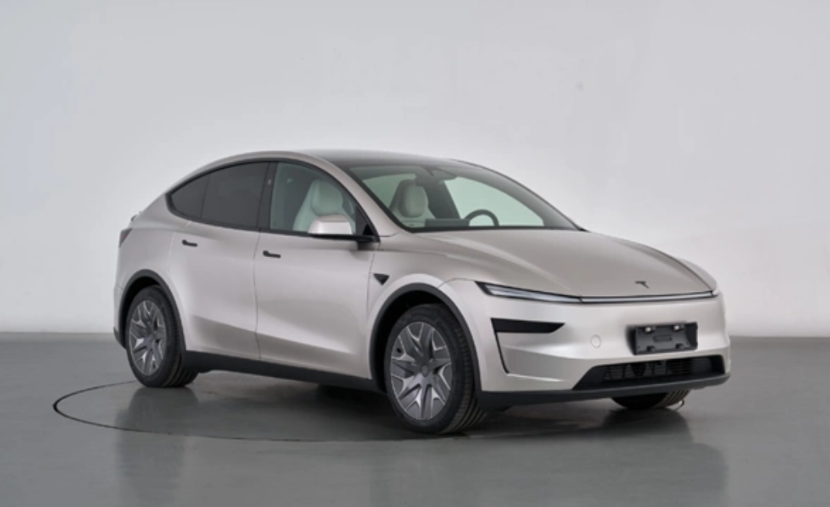
Tesla moved first with five-year zero-interest financing and seven-year low-interest loans. Within half a month, Xiaomi, Li Auto, Xpeng, Geely, Voyah and other carmakers followed, bringing the total to nine mainstream brands offering ultra-long auto-loan plans.
The terms are designed to make cars feel cheaper without cutting official sticker prices. Down payments can start from zero, and monthly payments can be pushed into the low hundreds of dollars. For an industry entering the year under sales pressure, finance has become the new discount.
The central question is whether this is a healthier way to stimulate demand or simply a price war moved from the showroom tag to the loan contract. The answer matters because China's car industry is already under pressure from thin margins, policy changes and slowing incremental demand.
Why the old price war lost force
Chinese automakers have spent years saying they want to avoid destructive price competition, even as many kept using discounts to defend volume. By 2025, regulators, industry groups and executives were pushing harder for the price war to cool, and the second half of the year appeared to show some easing.
The broader market also changed. First-time essential demand has become more saturated, while new growth is coming from replacement buyers and younger consumers. These buyers still care about price, but they also weigh technology, intelligent features, brand perception and the structure of financing plans.
The retreat of new-energy vehicle purchase-tax benefits added pressure. As tax support declined, buyers faced higher transaction costs. Carmakers could absorb some of that through direct discounts, but doing so would raise the cost of a price war that many already considered unsustainable.
Finance offers a more flexible tool. By lowering the immediate cash burden rather than the official price, carmakers can stimulate orders while protecting brand value on paper. It is not the same as cutting list prices, but the commercial purpose is similar: move more vehicles in a weak market.
The logic behind the rush
The rapid spread of seven-year loans reflects anxiety more than creativity. Demand had been pulled forward before policy changes, leaving the opening months of 2026 exposed. If first-quarter sales fail to improve, many brands will face a difficult year.
Longer loan terms, lower monthly payments and subsidised interest can help bring hesitant buyers back into the market. They also lock customers into a longer relationship with the brand, creating potential value in insurance, maintenance, servicing and future replacement purchases.
The strategy favours large carmakers. Companies with strong balance sheets can afford the interest subsidies and have financial-service systems able to manage longer customer relationships. Smaller brands lack the same capital strength and may struggle to match terms without damaging their finances.
That means the finance war is also a shake-out mechanism. Leading companies can use it to defend or expand share. Smaller carmakers may be forced to choose between staying out and losing volume, or joining and taking on losses they can ill afford.
Benefits and hidden risks
For consumers, a well-designed loan can reduce the upfront cost of replacing a car. In a weaker economic environment, lower monthly payments may make a purchase possible for households that would otherwise wait.
For carmakers, finance discounts are less visible than direct price cuts. They can support sales without immediately damaging the brand's public price positioning. The approach may also affect used-car demand. The article cites a dealer saying that inquiries for used Teslas fell sharply within a month of Tesla's ultra-low-interest policy, with only two used Teslas sold in January 2026 compared with seven a year earlier.
The risks are significant. A seven-year loan increases the period over which both the buyer and lender must manage repayment risk. Even with a low annual rate, total interest can still add up across such a long term.
There is also the risk of negative equity. New-energy vehicles are iterating quickly and often suffer from weak residual values. A buyer who signs a seven-year loan could find that the car's market value falls below the remaining loan balance, making it harder to sell or replace the vehicle.
For carmakers, subsidising long loans is not cost-free. Zero-interest and low-interest offers can consume cash that might otherwise support research, software, service quality or charging infrastructure. For brands already operating on thin margins, the choice can become brutal: lose orders by refusing to join, or lose money by matching richer financing terms.
A new battleground with familiar consequences
The first nine brands may only be the beginning. If the current offers fail to lift demand enough, some carmakers could cut rates further, extend terms, reduce down payments or even experiment with no-payment periods. At that point, the finance war would begin to resemble the price war it replaced.
This form of competition is different from a race to improve technology, product quality or service. It squeezes profits, affects brand value and shifts pressure into the financial system around the car purchase.
China's auto market has moved beyond its era of easy high growth. Financing tools can help brands survive a weak period, but they cannot become the industry's main source of competitiveness. The companies that clear the next round of consolidation will still need stronger products, better software, trusted service and more disciplined cost structures.