
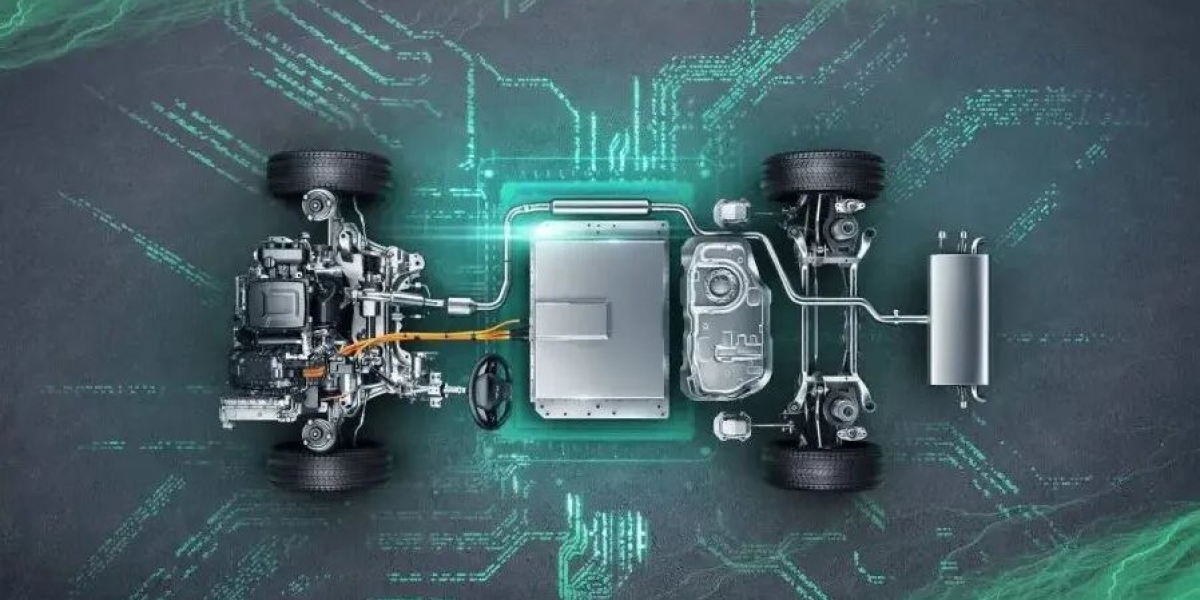
China's pure-EV market has become brutally competitive, and several familiar constraints remain unresolved: range anxiety, charging queues and weaker low-temperature performance.
Hybrids Become a Required Answer
As some carmakers hit limits in the pure-electric race, hybrids have moved from transitional technology to a central route for growth.
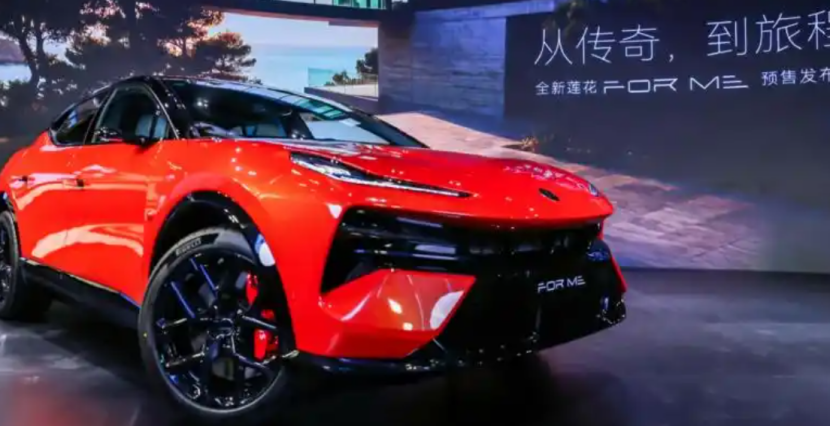
Luxury brands, joint ventures and domestic manufacturers are all entering the field. Lotus is moving into plug-in hybrids. Volkswagen has chosen a range-extender route for some future products. Chinese brands are covering plug-in hybrids, range extenders and conventional hybrids at the same time.
The debate over hybrid technology routes is not new. What has changed is the scale of the contest. Each route now reflects a brand's identity, market pressure, engineering base and commercial calculation.
Why Everyone Is Entering
A few years ago, hybrid technology was still seen largely as Japanese territory. Toyota's THS planetary-gear power-split system and Honda's i-MMD series-parallel architecture defined much of the category. Many other manufacturers either dismissed hybrids or lacked the technical capacity to compete seriously.
That has changed. Hybrids now offer a way to survive in a market where pure EVs are expensive to differentiate and petrol vehicles are losing momentum.
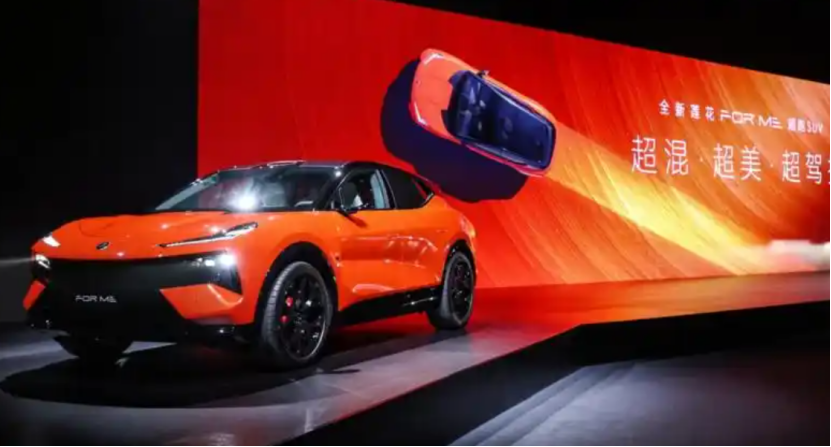
For luxury brands, high-performance plug-in hybrids preserve part of the emotional appeal of internal combustion while adding electric capability. They can drive on electricity for short urban trips and use engine direct drive for high performance. Porsche, BMW and Mercedes-Benz are working from similar logic: a plug-in hybrid can follow the electrification trend without giving up sound, control and long-distance performance.
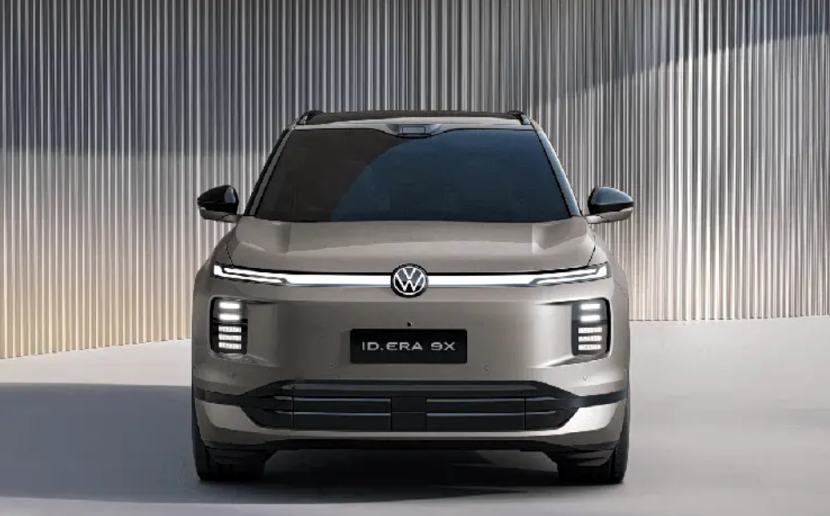
For joint-venture brands, hybrids can repair weaknesses exposed by China's electric transition. The old petrol-era brand halo has been worn down by domestic competitors. Carmakers with strong internal-combustion expertise can use existing engine technology as a base, simplify hybrid mechanical structures and regain lost market share more quickly. Volkswagen's move toward range extenders fits that logic.
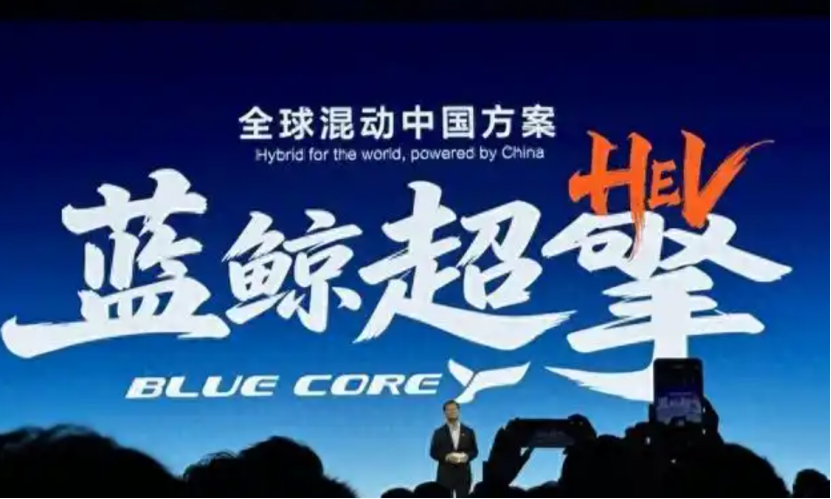
For Chinese brands, hybrids are about authority. BYD's DM series, Geely's Thor systems, Changan's Blue Whale hybrids and Great Wall's Lemon DHT show how domestic manufacturers now cover nearly every hybrid route. In volume terms, Chinese hybrid products are already performing strongly. Hybrids help offset pure-EV pain points and open new demand pools.
The core reason is simple: hybrid technology meets real market pain. It reduces the anxiety of pure EVs, improves efficiency over petrol vehicles and fits a wider range of policies and use cases. It can work in megacities and lower-tier markets alike.
Plug-In Hybrids: The All-Rounder Route
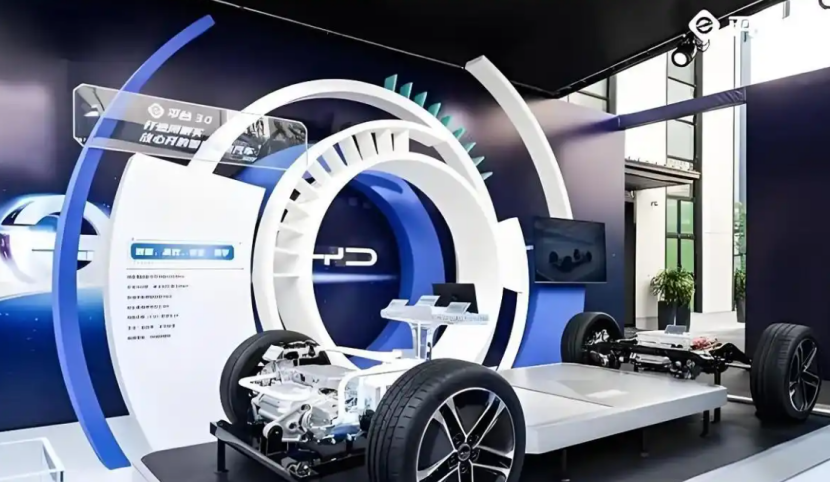
Plug-in hybrid technology is the most comprehensive route. A typical system uses an engine, two motors and a multi-speed DHT coupling mechanism to manage energy flow across multiple scenarios.
In low-speed urban driving, the motor can drive the vehicle alone while the engine stays off, allowing zero fuel use. At medium and higher cruising speeds, the system can switch intelligently between power-split modes, with the engine assisting generation and propulsion. During highway overtaking or long-distance driving, engine direct drive can reduce losses by avoiding unnecessary energy conversion.
The difficulty lies in DHT calibration, multi-source power coordination and thermal management across all operating conditions. The development threshold is high, but the reward is strong versatility. Plug-in hybrids can address some range-extender weaknesses at highway speeds while delivering a stronger electric feel than conventional hybrids.
Range Extenders: The Practical Fast Route
Range extenders are structurally lighter. A basic system uses an engine, generator and drive motor, without a complex coupling mechanism. In a classic design, the engine does not drive the wheels directly. It generates electricity, which charges the battery and powers the drive motor.
Some carmakers once dismissed the route as technically simple, with lower calibration difficulty and less prestige. In the current market, that simplicity has become an advantage.
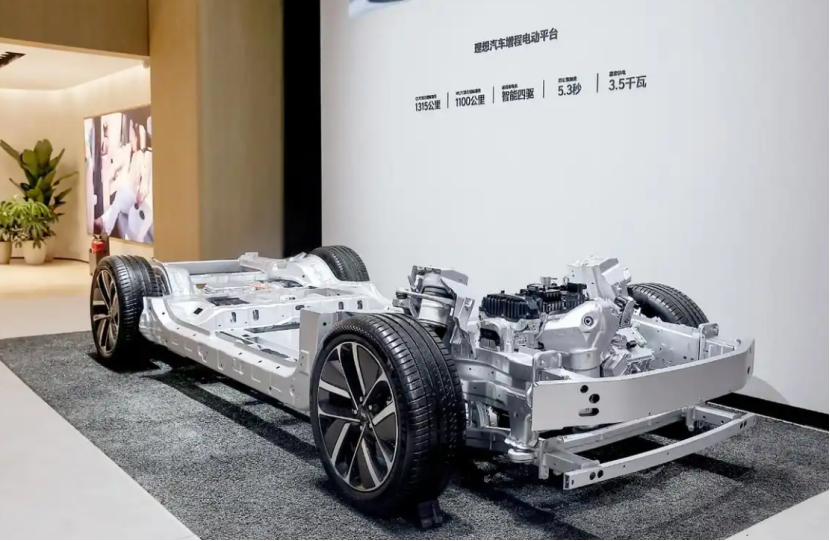
Range extenders can reach production quickly, keep costs under control and deliver smooth electric-drive behaviour in low-speed urban conditions. Transmission losses are low in those scenarios, and the driving experience can be close to that of a pure EV.
The weakness is highway efficiency. During sustained high-speed driving, the engine must generate electricity at higher loads, and energy passes through multiple conversion stages. That can raise fuel consumption when the battery is depleted. Still, for mass-market family vehicles, the route remains attractive because it is quick to develop, affordable and easy for users to understand.
HEV: The Broadest Entry Point
Conventional petrol-electric hybrids are the most accessible route. They do not require external charging and use a smaller battery, generator motor and simpler power-split structure. Energy is recovered through braking and supplemented by engine surplus power while the vehicle is running.
The technical threshold is lower than for plug-in hybrids, and component costs are more controllable. Japanese joint-venture brands benefited from this model for years. Even now, if a carmaker can deliver excellent fuel calibration and smooth power delivery, HEVs can still win buyers in cost-sensitive and lower-tier markets.
The current route debate is therefore less about which technology is superior in absolute terms and more about market segmentation. Range extenders sell experience, plug-in hybrids sell versatility, and HEVs sell accessibility. Carmakers choose based on cost, benefit and target customers.
The Likely Endgame Is Coexistence
The hybrid battle is unlikely to end with one architecture eliminating all others. Technology fusion and complementary strengths are more likely.
Range-extender models may add emergency direct-drive modules to improve highway efficiency. Plug-in hybrids may simplify some coupling structures and adopt lighter electronic controls to reduce mass-production costs. HEVs may use larger hybrid batteries and smarter thermal management to extend electric driving and improve comfort.
The most realistic market structure is layered coexistence. Low-cost HEVs can hold the affordable market. Range extenders can serve premium family vehicles that prioritise smooth electric driving and long-distance confidence. High-performance plug-in hybrids can open new opportunities in luxury and performance segments.
That means the winner of China's hybrid war will not be a single technology route. It will be the brand that combines the right architecture with strong products, reliable service, cost control and a clear understanding of its users.
Hybrids are no longer merely a bridge to a pure-EV future. In a country as large and varied as China, pure EVs and hybrids are likely to coexist for a long time. The 2026 hybrid battle will be a major shake-out, but the real lesson is that there is no universally correct route, only better matches between technology and market demand.