

A wave of new alliances between China’s largest state-backed automakers and technology, materials and infrastructure groups is pointing to a new experiment in how the country’s traditional car giants respond to the electric vehicle transition.
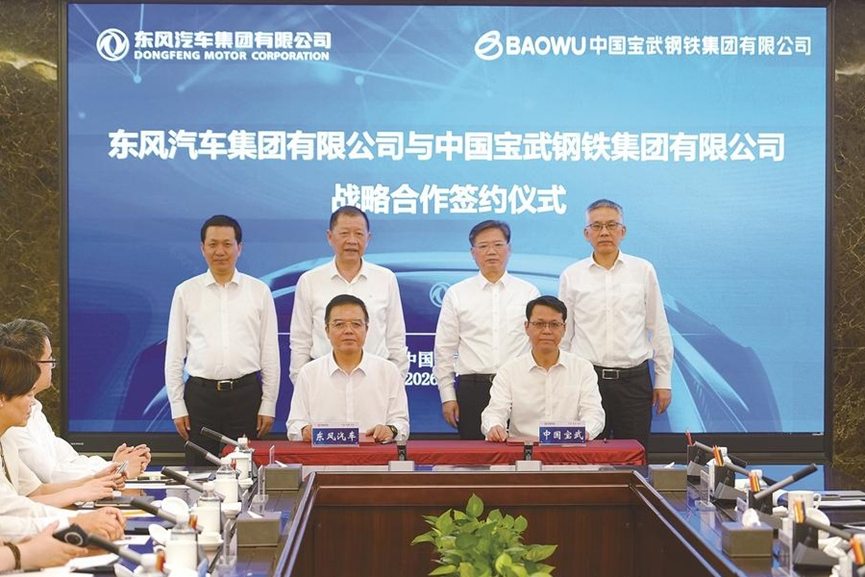
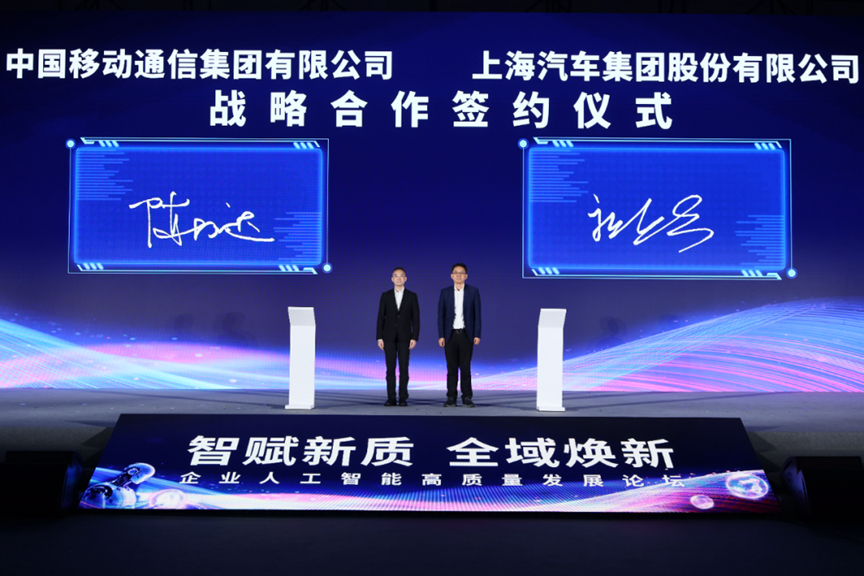
Within a single week, Dongfeng Motor Group signed a strategic cooperation agreement with China Baowu, SAIC Motor partnered with China Mobile, and Changan Automobile joined forces with the China Academy of Information and Communications Technology. The moves follow earlier cooperation between Changan and BAIC as well as FAW’s energy-related initiatives with State Power Investment Corporation.
At first glance, the deals look like defensive moves by legacy manufacturers facing mounting pressure from faster-moving EV competitors. Yet they also represent something deeper: an attempt to redesign the operating model of China’s state-owned automotive sector without relying on traditional mergers and equity consolidation.
China’s Auto “National Team” Looks Beyond Traditional Mergers
For decades, major state-owned enterprise reforms in China followed a familiar pattern: combine ownership structures, merge assets and create larger national champions. Examples from industries such as rail equipment, steel and energy show how Beijing has historically used consolidation to improve scale and efficiency.
The automotive sector is proving more complicated. The stalled “Changfeng” restructuring discussions between Dongfeng and Changan demonstrated the difficulty of merging two large organizations with separate management systems, brand portfolios and internal incentives.
The pressure is intensifying. Industry profitability has fallen sharply, with vehicle manufacturing margins reaching historically low levels. According to industry estimates cited in the original analysis, a vehicle priced around $14,000 would generate only a few hundred dollars of profit for automakers.
Under these conditions, state-owned automakers are exploring a different route: cooperation without ownership changes.
From Ownership Integration to Capability Sharing
The latest partnerships focus on solving specific weaknesses rather than combining entire companies.
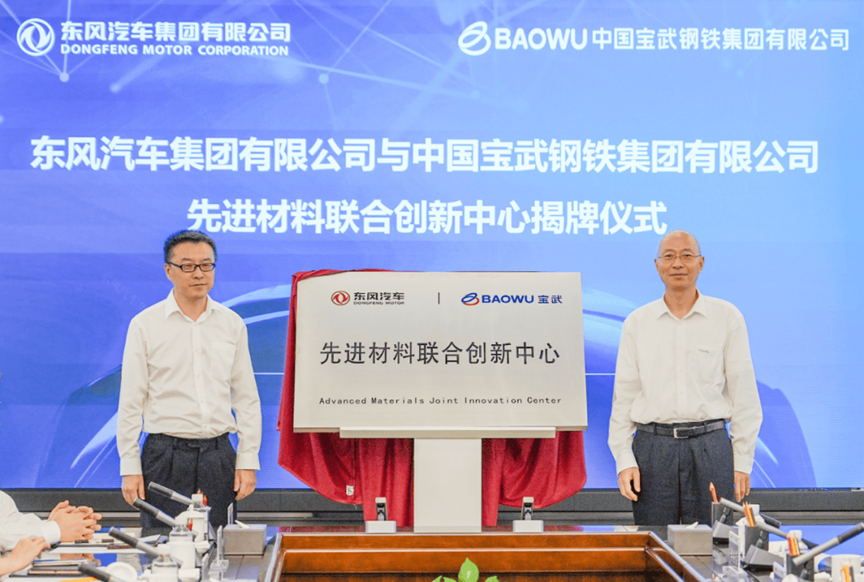
Dongfeng’s agreement with China Baowu builds on years of cooperation in advanced materials. During the previous five-year period, Baowu supplied millions of tonnes of steel products to Dongfeng, supporting vehicle production and jointly developing advanced material technologies.
SAIC’s partnership with China Mobile targets artificial intelligence, intelligent connected vehicles and digital infrastructure. The cooperation covers computing centers, high-quality datasets, vehicle-road-cloud integration, 5G smart factories and overseas operations. For SAIC, the goal is to accelerate access to capabilities that would otherwise require significant long-term investment.
Changan’s cooperation with the China Academy of Information and Communications Technology focuses on global connectivity testing. The joint laboratory will simulate communication environments across more than 100 countries and hundreds of operators, helping Changan brands including Avatr, Deepal and Changan Qiyuan prepare vehicles for overseas markets.
These partnerships target three of the most expensive areas in the intelligent vehicle race: advanced materials, computing and data, and global connectivity.
The Efficiency Question Remains Unanswered
Strategic alliances can reduce costs, but they also create new challenges. Global automotive history is filled with partnerships that failed because partners struggled to align incentives over time.
Without equity ties, cooperation depends heavily on whether each side believes the benefits are fairly distributed. If one participant feels it is contributing more while another captures greater value, the partnership can lose momentum.
The bigger question is whether cooperation can match the efficiency of vertically integrated EV companies.
BYD has built a competitive advantage through deep control of its supply chain, including batteries, electronics, vehicle manufacturing and software. Many traditional automakers are choosing a different path by connecting external capabilities through strategic alliances.
The challenge is whether this ecosystem model can deliver results as quickly and efficiently as vertical integration.
Policy Ambition Meets Market Reality
China’s state asset regulator has repeatedly emphasized strategic restructuring, professional integration and the creation of globally competitive automotive groups with stronger core technologies.
Yet the current approach shows a compromise between policy goals and corporate realities. Full mergers involve difficult questions around leadership structures, brand ownership, management incentives and organizational control.
For executives running large automotive groups, maintaining independence remains a powerful incentive. As a result, cooperation may currently represent the most practical step available before deeper restructuring becomes politically and operationally possible.
A Two-Year Test for China’s Automotive State Champions
The coming years will determine whether this new model can work. If these alliances translate into stronger products, improved financial performance and rising market share, cooperation could become an alternative blueprint for state-owned enterprises facing industrial transformation.
If results fail to appear, pressure for deeper consolidation may return.
The experiment is therefore not simply about three automotive companies signing agreements. It is a test of whether China’s traditional auto giants can reinvent themselves through networks and partnerships rather than ownership changes.
As the global automotive industry shifts toward electrification and intelligent vehicles, the companies that manage technology, capital and collaboration most effectively will determine who remains competitive.