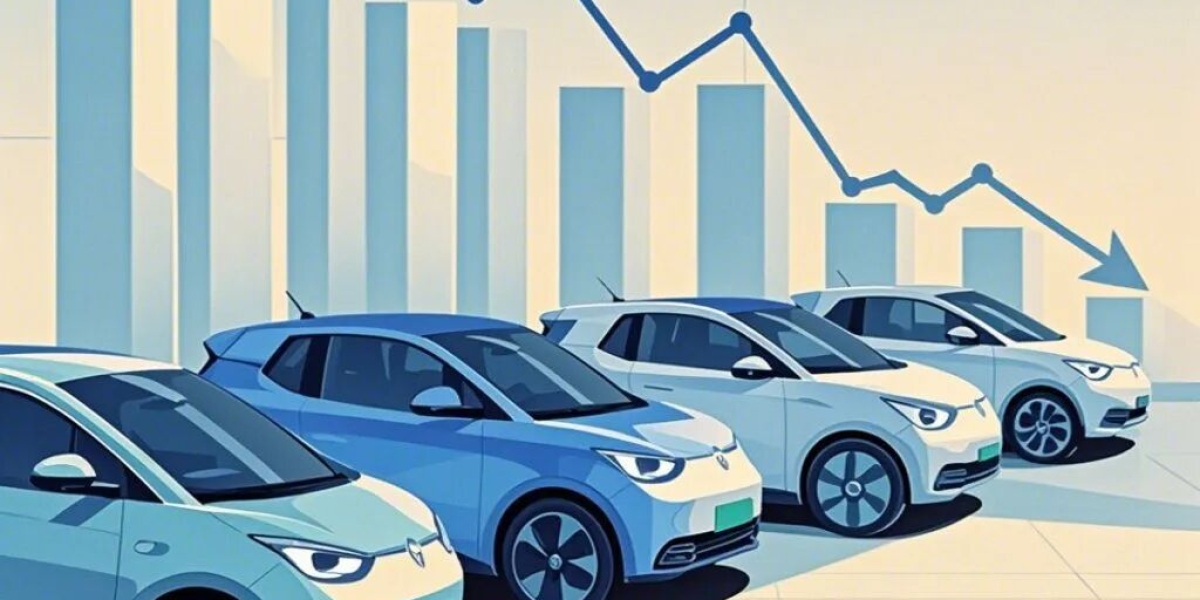
After Chinese automakers released February sales, the market mood turned cautious. Many sales reports showed month-on-month declines.
A Cold Month With Clearer Divides
That does not mean China's car market is collapsing, but the data offered a useful health check at a time when the industry elimination round is accelerating.
February is usually a weak month because of the Lunar New Year holiday. This year, the seasonal lull met policy-related demand pull-forward and intensifying competition. The result was a market in which short-term weakness exposed longer-term differences between carmakers.
Among new carmaking brands, the gap widened. In January, several leading start-ups were competing around the 40,000-unit level. In February, most fell back into the 20,000 to 30,000 range, with some dropping below 20,000.
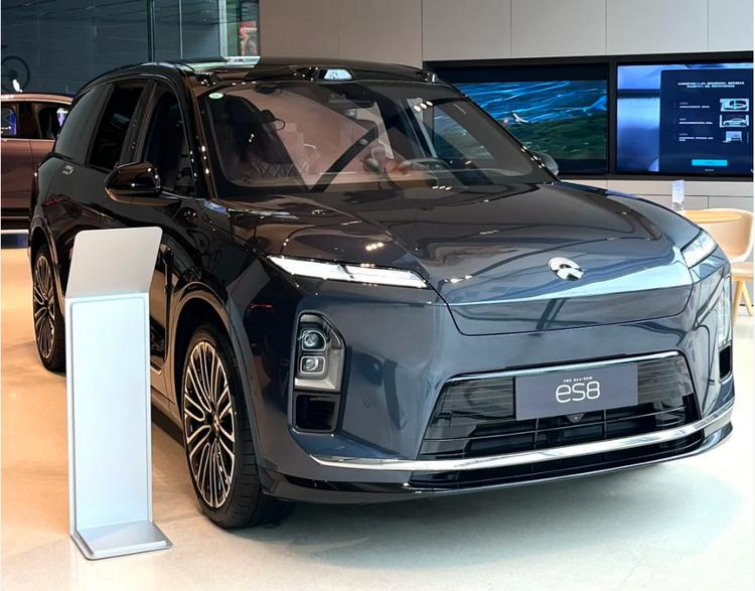
Harmony Intelligent Mobility was hit hard. Aito had been stable in January, but its single-brand sales nearly halved month on month in February, pulling down the wider Huawei-backed system. Xpeng delivered 15,256 vehicles, down 23.8% from January. Nio delivered 20,797, down 23.5%.
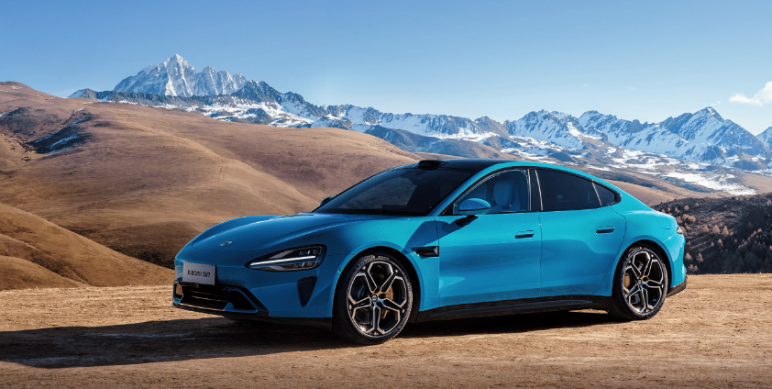
Li Auto held up better, delivering 26,421 vehicles and falling only 4.5% month on month, the smallest decline among the early start-up group. Xiaomi delivered more than 20,000 units, down from 39,000 in January, but still strong for a relatively new entrant.
Leapmotor and Zeekr were more resilient than expected. Leapmotor delivered 28,067 vehicles, down 12.5% month on month but still in the top tier. Zeekr delivered 23,867, roughly flat from January and up 70% year on year.
Traditional automakers showed similar divergence. BYD sold 190,190 vehicles in February, down 9.4% month on month and more sharply year on year. Excluding exports, domestic sales were a little above 90,000 units. Yet exports exceeded 100,000 units, the first time BYD's monthly exports surpassed its domestic sales.
Geely sold 206,160 vehicles, down 23.7% month on month but up 0.6% year on year, supported by new-energy vehicles and exports. Chery and Great Wall both faced year-on-year pressure, although Chery's strong exports helped maintain broader growth.
The February figures were generally weak, but not equally weak. They showed real differences in product strength, market resilience and global exposure.
Why the Market Cooled
Three factors explain the February decline.
The first is seasonality. February had only about half a month of effective working days. Dealers paused operations for the holiday, consumers returned home for the Spring Festival, and showroom traffic fell. This pattern repeats almost every year.
The second is policy pull-forward. In January, China's NEV purchase-tax and subsidy rules were in a transition period, leading some consumers to bring forward purchases. Carmakers also used policy messaging to stimulate demand. That released part of February's demand in advance.
The third factor is more structural: the industry elimination round is becoming faster. China has entered a phase of quality and efficiency improvement. Value competition now matters more than simple volume expansion.
Single-strength companies are becoming less attractive. Carmakers need balanced capability across technology, product matrix, supply chain, pricing and user positioning. Zeekr's stability came from a more complete product matrix and core technologies such as 800V high-voltage platforms. Li Auto's smaller decline reflected its strong understanding of family users. Harmony Intelligent Mobility's weakness showed the risk of relying heavily on a single model or brand cycle.
Among traditional carmakers, the key divide is new-energy transformation. BYD and Geely moved early and are now more stable. Great Wall and Chery still have stronger differences between petrol and new-energy performance, so pressure on the combustion base can affect overall results more quickly. Foreign brands are also accelerating localisation, including BMW's Neue Klasse production plans in Shenyang, adding another layer of competition.
Short-Term Adjustment or Long-Term Trend?
February's month-on-month weakness is partly seasonal and should not be overread. March is traditionally stronger, with new launches and promotions likely to bring some recovery.
That recovery should still be treated carefully. January pulled forward some demand, dealer inventory warning levels remain elevated at 56.2%, above the expansion-contraction line, and many consumers are still waiting rather than rushing into purchases.
The recovery is likely to be divided. Companies with strong core competitiveness will climb out first. Brands with obvious weaknesses will take longer.
The bigger point is that China is no longer in a simple growth era. Value competition will intensify between leading start-ups and traditional giants. Smaller start-ups and traditional carmakers that are late to transform will face growing survival pressure.
Three Trends to Watch
The first trend is that new-energy vehicles remain the direction of travel, even if penetration growth is slower than last year. The next phase will be shaped by high-end positioning and intelligent-vehicle capability. Technology moats will matter more.
The second trend is concentration. Stronger companies will gain share while weaker and less distinctive brands are pushed out. Resources will keep moving toward the leaders.
The third trend is dual-market survival. With domestic growth slowing, overseas markets are becoming a second growth curve. BYD's February export performance shows why global expansion is becoming a core measure of competitiveness.
February's weak sales are not a sign that China's auto industry is failing. They are a sign that the industry is moving from scale expansion to higher-quality competition. The pain and divergence are real, but they are also part of the market's move toward a more disciplined structure.