
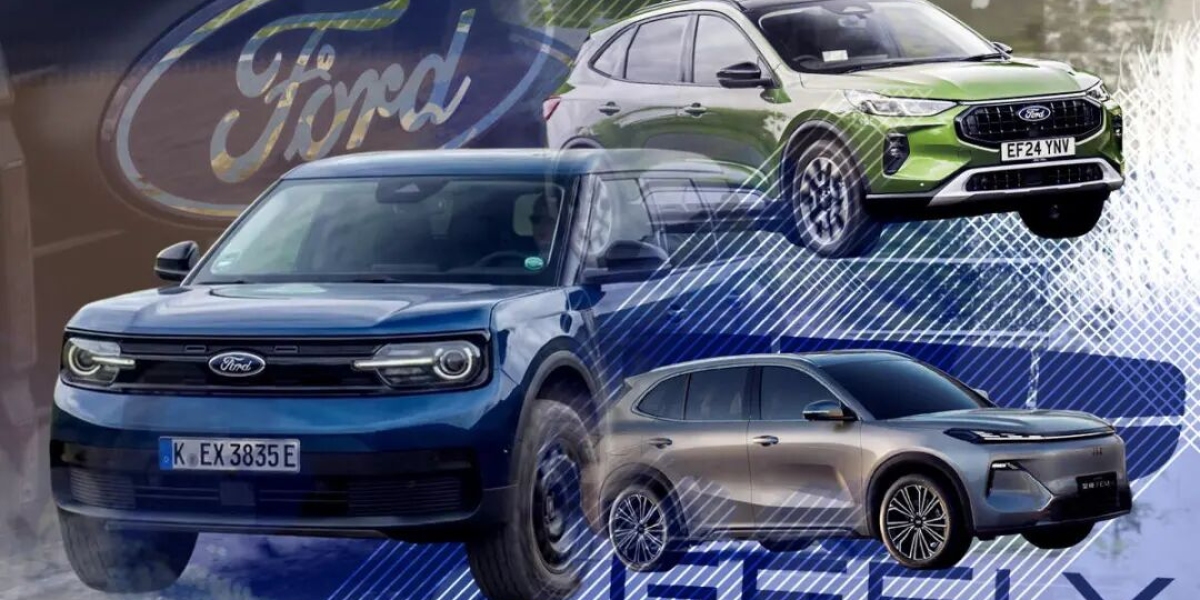
Ford’s recent partnership with Geely over European manufacturing capacity has triggered speculation that the US automaker may be reducing its commitment to Changan Ford.
A closer look suggests a different picture: the two partnerships serve separate strategic purposes within Ford’s global restructuring. By working with Chinese automotive companies, Ford is seeking to strengthen its position in the electric vehicle era. Geely’s role is focused on European production, while Changan remains a key partner for Ford’s long-term China operations and product development strategy.
Ford and Geely’s European Deal Is About Capacity, Not China Strategy
On July 23, Ford and Geely announced a deal under which Geely will acquire a 34% stake in Ford’s Valencia plant in Spain for €221 million, while Ford retains a controlling 66% share. The facility, one of Europe’s largest automotive plants, has annual production capacity of around 500,000 vehicles.
The joint venture is expected to begin operations in the first half of 2027, with new vehicles scheduled to roll off the production line from 2028. Geely plans to manufacture two electric vehicle models at the site, while Ford will continue producing the Kuga and prepare the facility for the next-generation Bronco and a new crossover model.
The agreement reflects a practical industrial partnership. Geely gains access to established European manufacturing infrastructure, helping it localise production and reduce exposure to EU trade barriers. Ford gains a partner to share operating costs and improve utilisation of the Valencia facility.
The project is therefore focused on European manufacturing efficiency rather than a shift away from Ford’s China partnerships. Ford CEO Jim Farley has repeatedly highlighted the importance of cooperation with Chinese automotive companies, as the company looks to leverage China’s advanced EV supply chain and manufacturing expertise.
Changan Ford Remains Central to Ford’s China Ambitions
Changan Ford has faced the same challenges affecting many traditional joint ventures in China. Previous volume models such as the Focus and Escort have exited the market, while sales have increasingly relied on models including the Mondeo, Edge and Explorer.
Yet Ford and Changan are preparing a new phase of cooperation. Ford has described 2026 as a year of transformation and innovation, with the upcoming CX810 new-energy SUV expected to become one of the company’s most important launches.
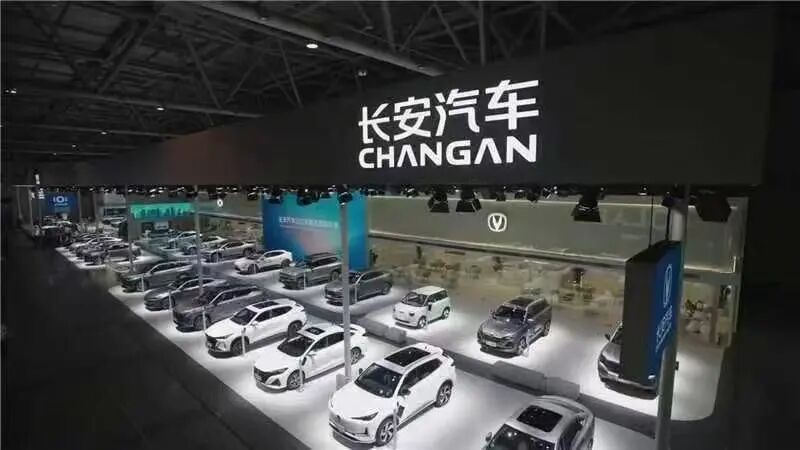
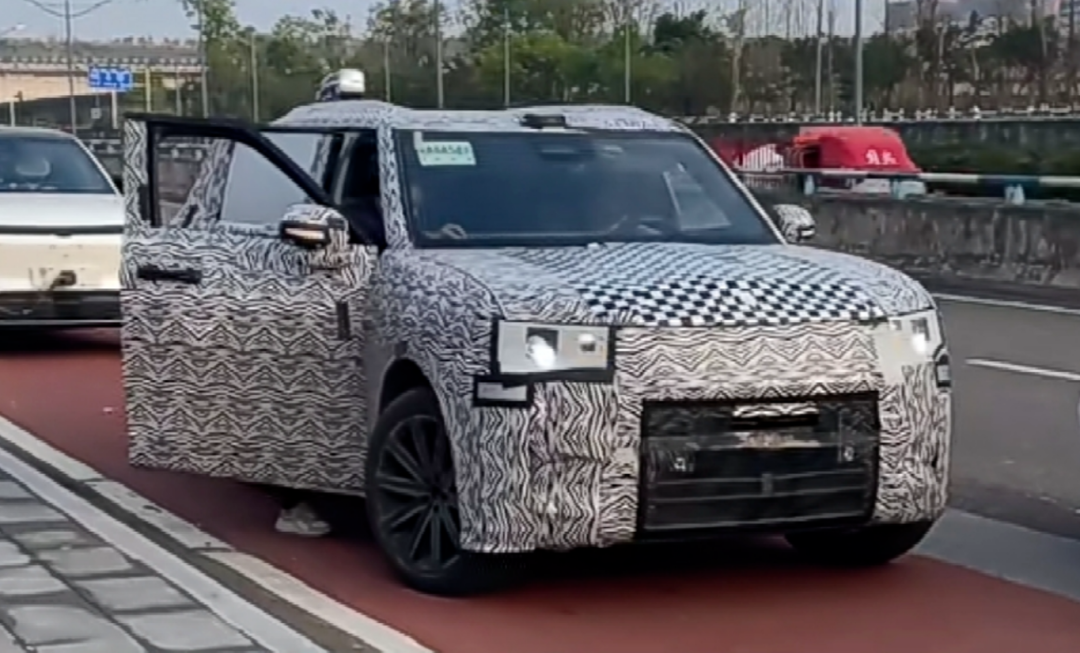
The CX810 is positioned as a large premium family SUV. Spy images suggest a substantial body design, a rugged profile and advanced driver-assistance hardware including a roof-mounted lidar sensor. Industry observers expect the model could be based on Changan’s EPA architecture and offered with both extended-range electric and battery-electric powertrains.
If realised, the project would represent a significant reversal of the traditional technology flow in joint ventures, with Chinese automotive engineering capabilities directly supporting a global brand’s product strategy.
Ford Is Building a Global Network Around Chinese Automotive Strength
Beyond the CX810, Changan Ford continues to refresh its existing lineup. The new Mondeo Sport launched with Ford’s 2.0T EcoBoost E-Hybrid system producing a combined output of 308 horsepower. Updated Explorer and Edge L variants have also expanded the brand’s product portfolio.
Changan Ford’s manufacturing quality and customer reputation remain important assets. Long-term reliability performance and an established dealer network provide advantages that newer market entrants cannot easily replicate.
Ford’s willingness to cooperate with multiple Chinese companies does not indicate a retreat from existing partnerships. Instead, it shows how the company is attempting to integrate Chinese automotive capabilities into different parts of its global strategy.
A New Role for Chinese Partners in Ford’s Global Reset
Ford’s approach can be viewed as a two-track strategy: using international partnerships to improve competitiveness overseas while deepening cooperation with established Chinese partners at home.
Geely’s involvement in Europe and Changan Ford’s continued development in China are not competing paths. They address different market needs and support Ford’s broader transformation as the global auto industry moves toward electrification, software and smarter manufacturing.
For Changan Ford, the arrival of new-energy products marks a potential turning point. After years of adjustment, the company is entering a period where accumulated manufacturing experience, local partnerships and new technology could help rebuild market momentum.
Rather than being sidelined, Changan Ford remains part of Ford’s evolving global strategy - one that increasingly relies on China’s automotive ecosystem as a source of innovation and competitiveness.