
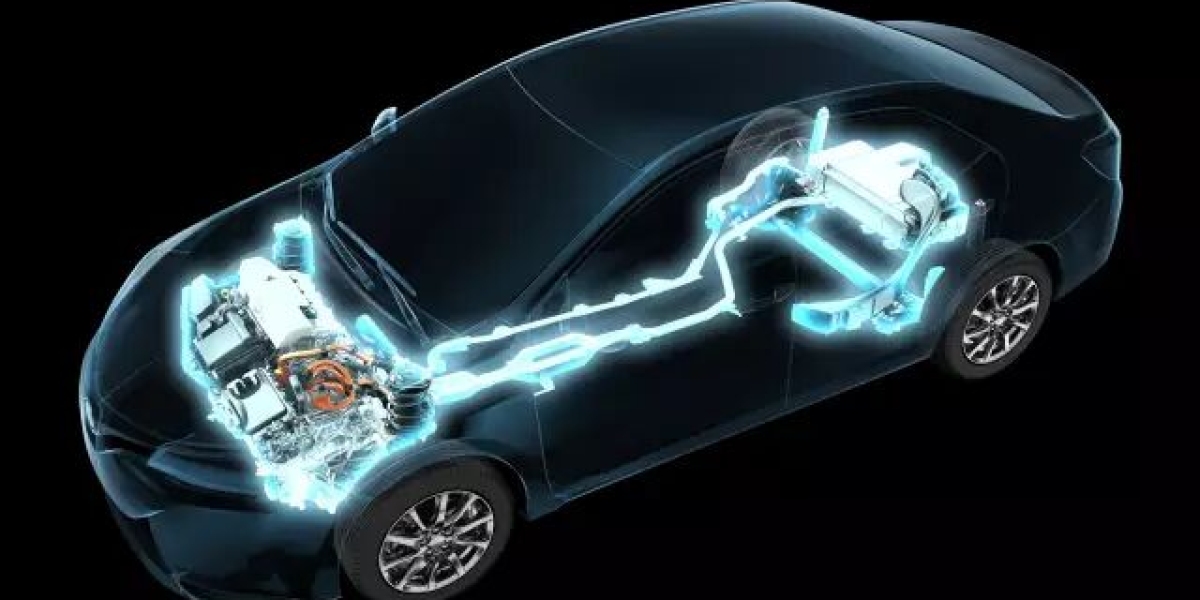
China's independent automakers are returning to a technology route many had once left behind.
HEV returns from the margins
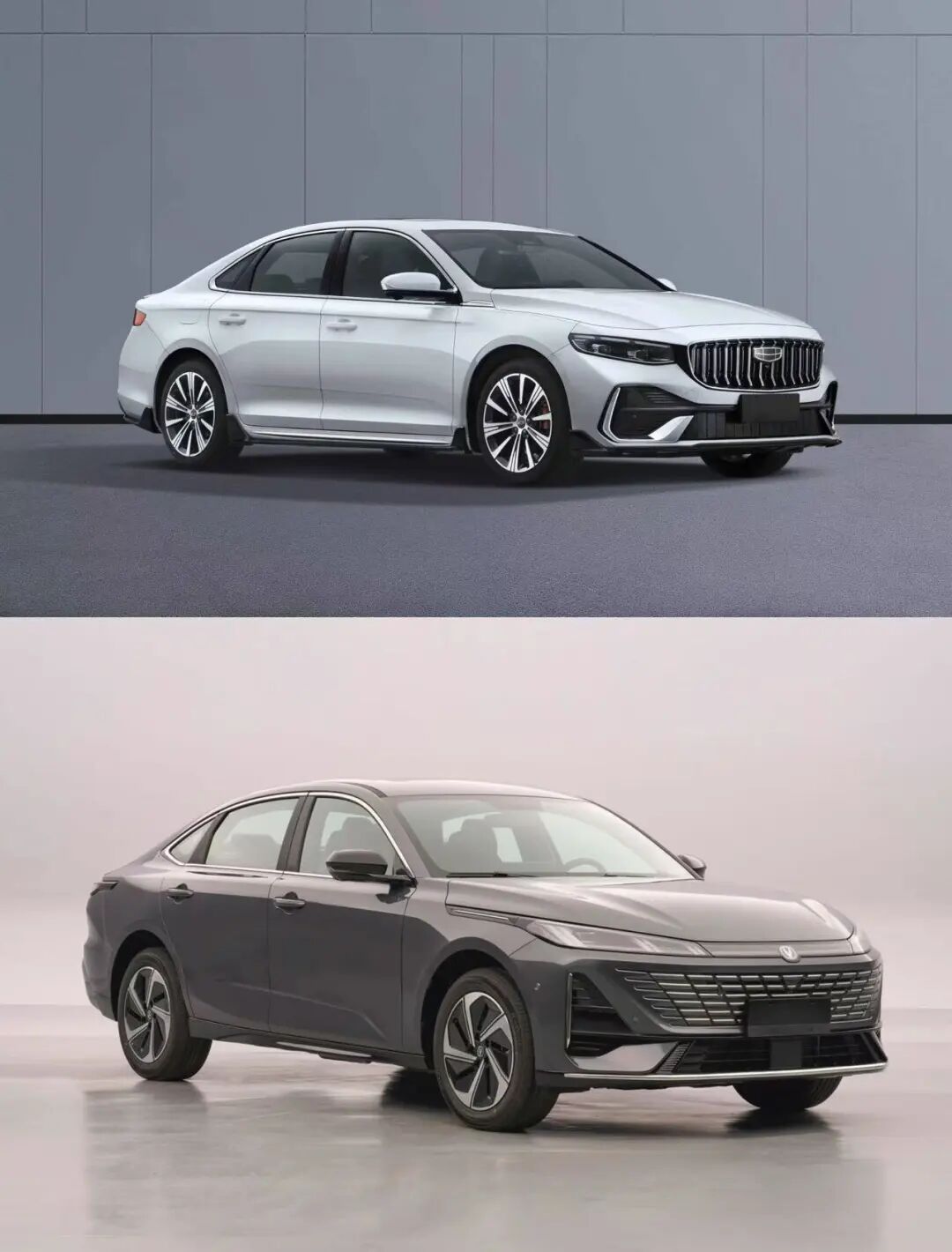
In the Ministry of Industry and Information Technology's latest vehicle filing list, popular models such as the Geely Xingrui, Changan CS75, Changan Eado and Changan UNI-V appeared with HEV versions.
This is not the first time Chinese brands have tried conventional hybrid systems. Geely, Haval and Trumpchi all explored HEVs years ago, but many shifted toward plug-in hybrids and range-extended vehicles as China's new-energy market accelerated.
The new filings suggest a more mature strategic calculation. Chinese brands are now established in battery-electric, plug-in hybrid and range-extended segments. Returning to HEV is less a retreat than an effort to build a broader technology portfolio and challenge Toyota's long dominance in fuel-electric hybrids.
Toyota is still the benchmark
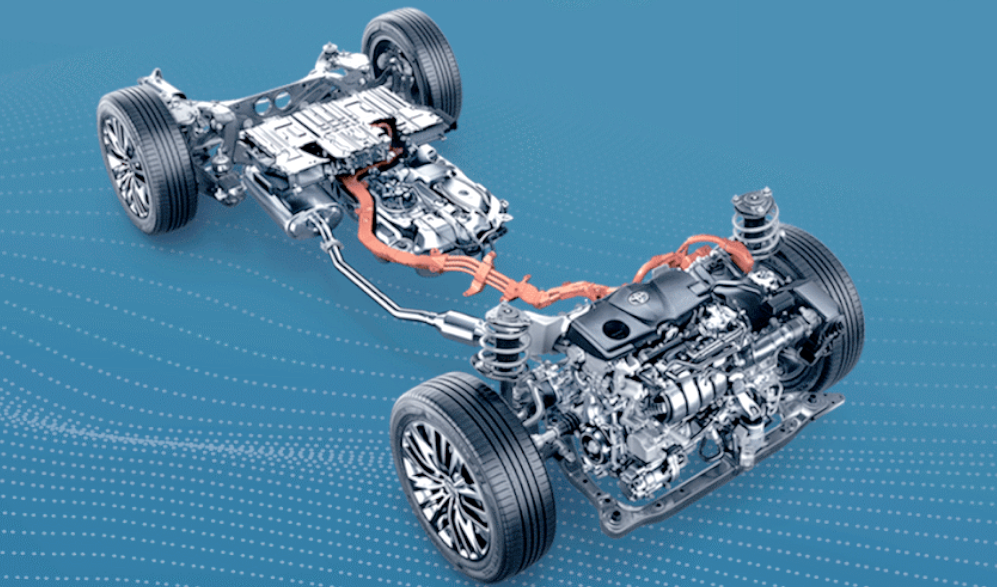
Toyota remains the unavoidable reference point. Since launching the Prius in 1997, it has built 28 years of hybrid experience. Its THS system is known globally for reliability and fuel economy, creating a technical and market barrier that has been difficult to cross.
Geely and Changan face a stronger rival than the one they met during their earlier hybrid attempts. Yet their own capabilities have changed. Years of work in batteries, motors and electric-control systems can now be transferred into HEV development.
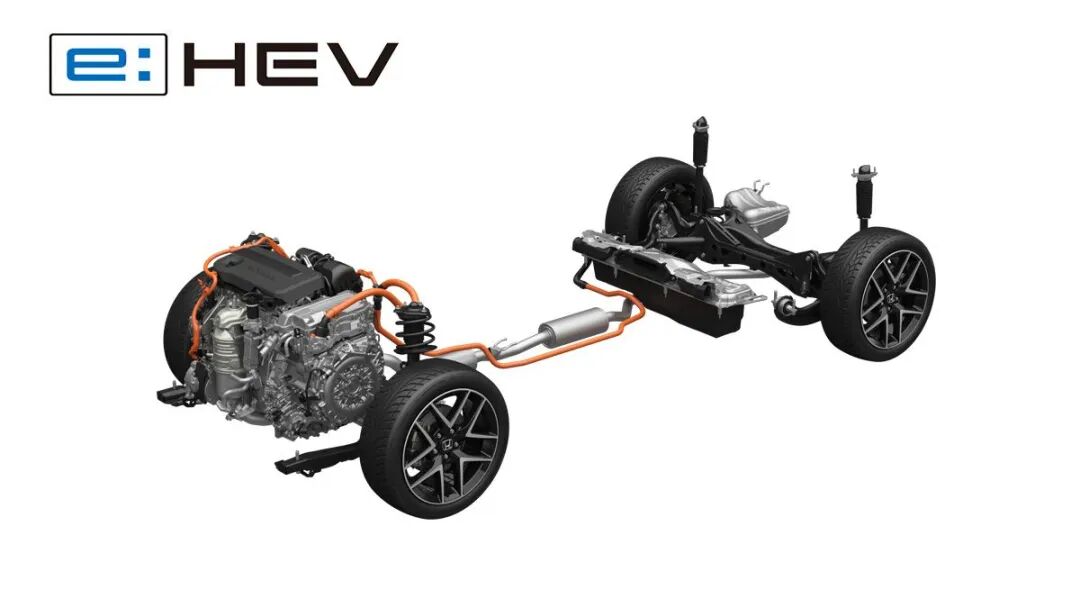
Geely's Xingrui L Zhiqing uses a 1.5-litre turbocharged hybrid-dedicated four-cylinder engine with a claimed thermal efficiency of 44.26 per cent, paired with a three-speed intelligent DHT. The system supports P1 plus P2 dual-motor drive and reaches maximum transmission efficiency of 97.5 per cent, according to the article.
Changan is upgrading major models with its Blue Whale 500-bar engine technology, laying a powertrain foundation for HEV versions. Its CS75 and Eado series both grew strongly in April 2025, up 49.6 per cent and 22.1 per cent year on year respectively, giving the HEV versions an existing market base.
Why bring back HEV now?
The timing is tied to policy and market changes. First, battery-electric vehicle safety rules are tightening. China's new national standard for power batteries in electric vehicles will take effect on July 1, 2026. The article describes it as the strictest battery safety rule yet, requiring batteries not to catch fire or explode and mandating thermal-event warnings that do not endanger occupants.
Meeting the standard will require investment in cell structure, thermal management and battery-pack design. That is likely to raise manufacturing costs and may push up EV prices, especially for price-sensitive buyers.
Second, purchase-tax incentives for plug-in and range-extended hybrids are becoming harder to qualify for. A policy announcement in October 2025 raised the technical thresholds for new-energy vehicles eligible for tax reductions in 2026 and 2027.
The most important change is that plug-in hybrid vehicles must meet a conditional equivalent electric range of at least 100km, up from the previous 43km standard. That is a 132.6 per cent increase. Stricter fuel-consumption and electricity-consumption limits also apply across vehicle weight classes.
Cui Dongshu of the China Passenger Car Association said the adjustment reflects technological progress, but it also raises the development and production threshold for plug-in and range-extended models. Some weaker products may lose tax benefits.
As plug-in hybrid policy advantages narrow and EV costs rise, HEVs regain strategic value. They can offer fuel savings and lower ownership risk without relying on large batteries or charging infrastructure.
Chinese brands change the competitive formula
Toyota's hybrid reputation is strong, but its pricing and smart-cabin features can leave openings. Chinese brands are trying to compete with a combination of cost control, intelligent features and mainstream family positioning.
Geely appears to be using the Xingrui, already known as a strong compact sedan, as the entry point. HEV technology can improve the model's fuel economy and competitiveness, with the potential to spread to other mainstream products such as the Xingyue L.
Changan is moving more broadly. By adding HEV versions to the CS75, Eado and UNI-V, it covers compact SUVs, compact sedans and sporty sedans at the same time. That creates a more complete product matrix from the start.
The competition will not be decided by a single efficiency figure. It will include product definition, supply-chain management, brand operation, launch speed, software experience, reliability and after-sales service.
A diversified powertrain era
Toyota's success rests partly on not putting all its weight on one technology. Hybrids protect its current base, EVs prepare for the future, and hydrogen remains a longer-term research path. Chinese automakers are beginning to draw a similar lesson.
Returning to HEV is not only about immediate sales. It is about reducing dependence on a single route and increasing resilience as the market moves from growth competition to stock competition.
Consumers now judge cars by overall usefulness rather than one technology label. Fuel consumption, power response, reliability, intelligent experience and service quality all matter. In that environment, HEVs may become another important battleground for Chinese brands.
The next peak of China's fuel-electric hybrid market may come from independent brands if they can combine Toyota-like reliability with lower costs and stronger intelligent features.