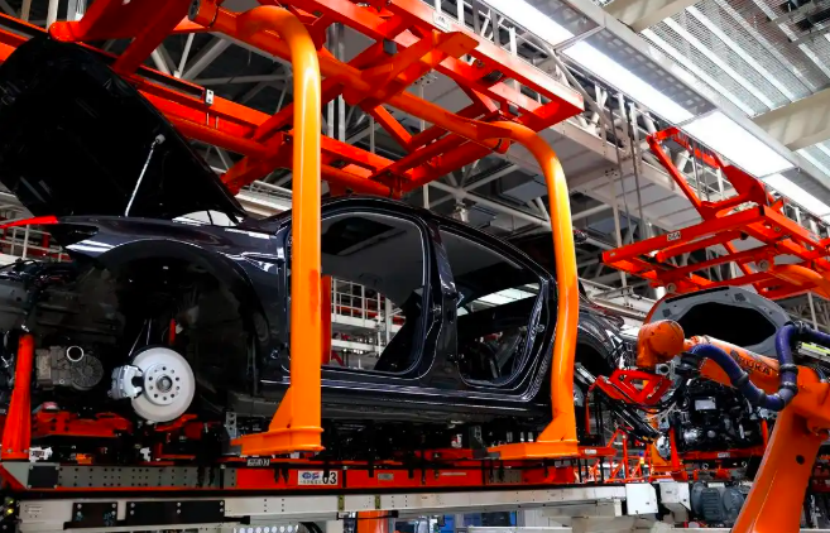
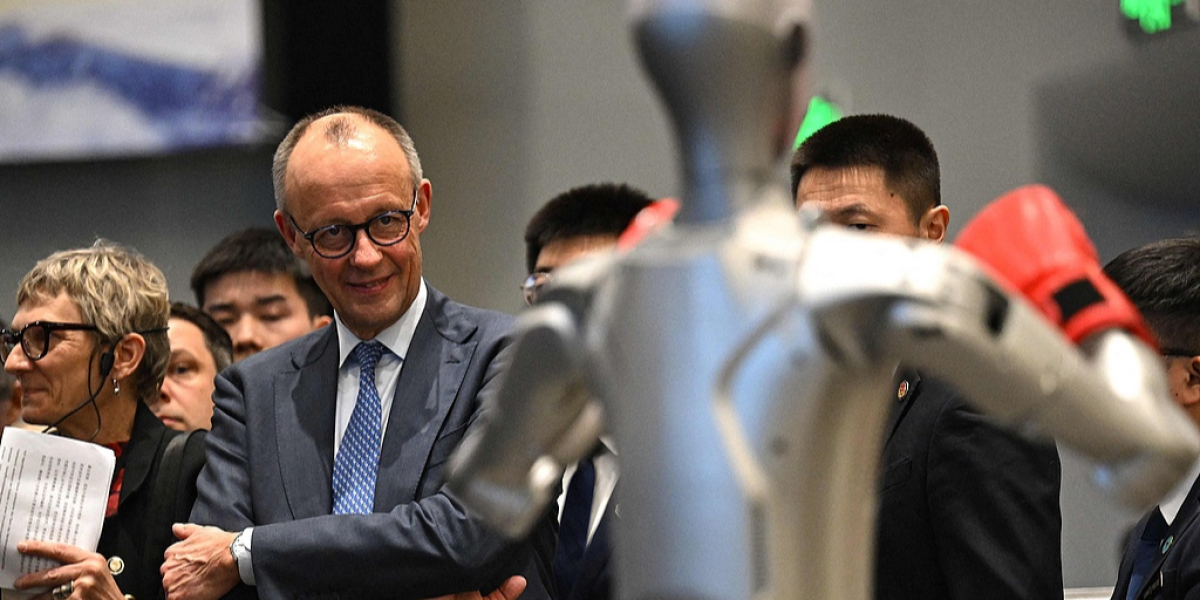
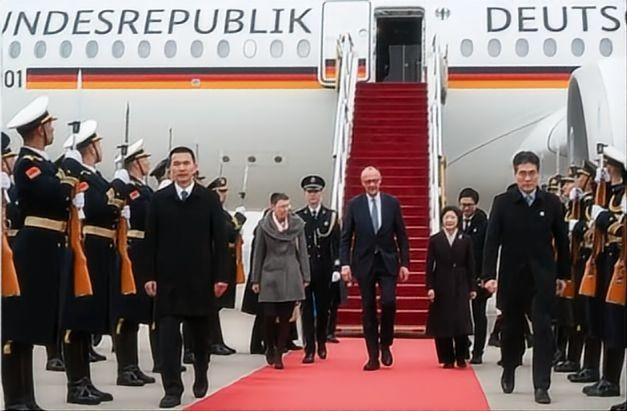
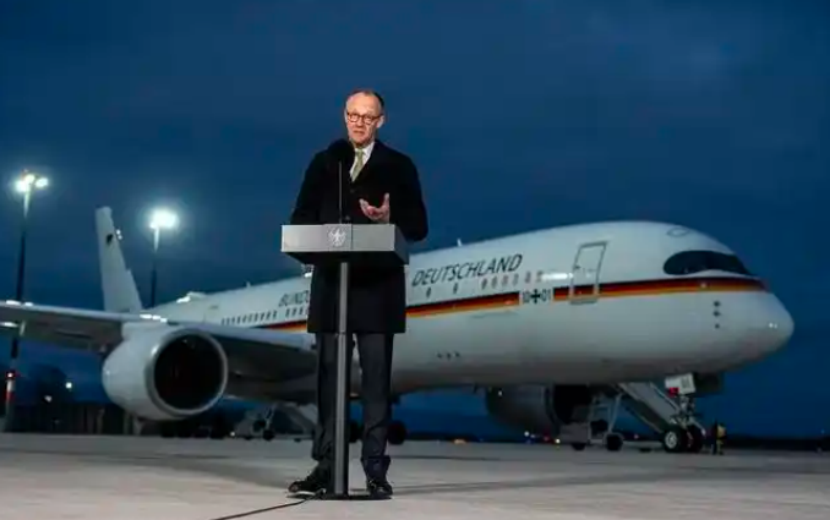
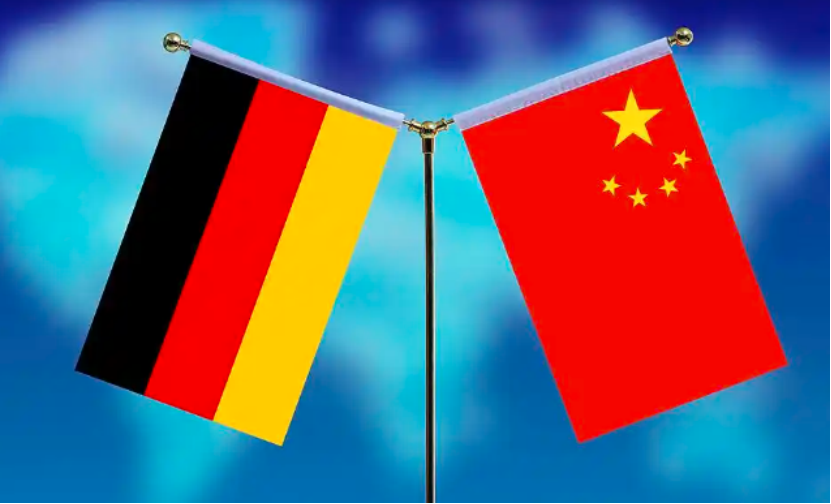
German Chancellor Friedrich Merz's visit to China was described by German media as unusually well prepared and as one of the most high-profile business delegations since the Merkel era.
A Business Delegation With Automotive Weight
The group included executives from around 30 German companies, including Volkswagen Group, Mercedes-Benz, BMW, Siemens, BASF, Bayer and Airbus.
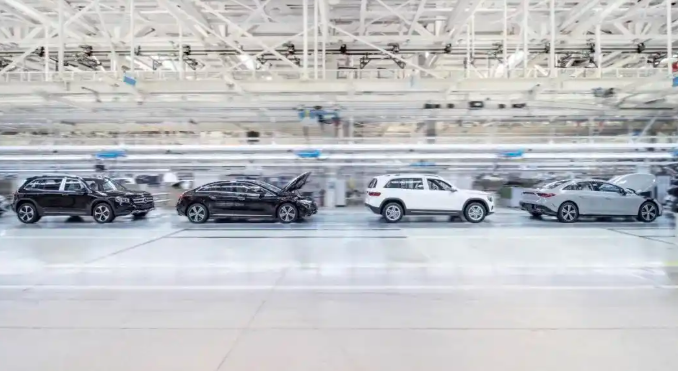
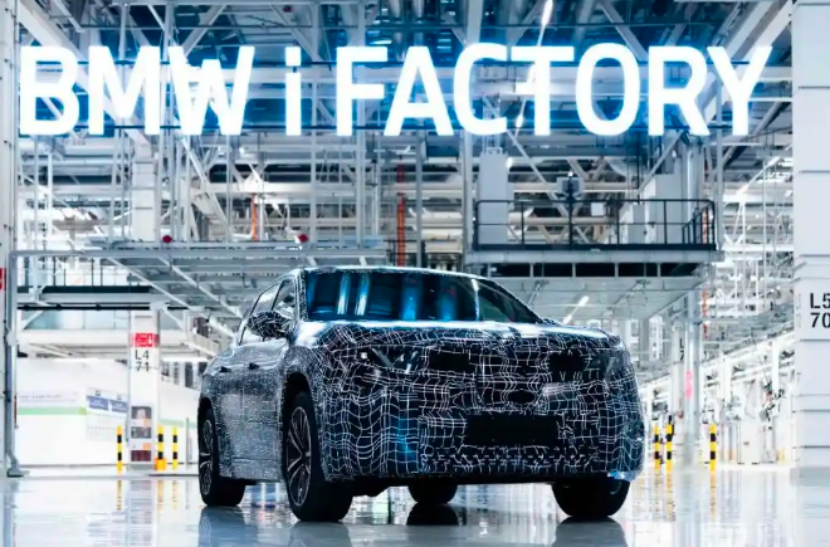
The automotive weight of the delegation was hard to miss. Germany's car industry remains one of the country's central economic pillars, and the presence of the Volkswagen, Mercedes-Benz and BMW chiefs signalled more than curiosity about China's technology scene.
The old pattern has shifted. A decade ago, China's auto industry still studied German engineering as the benchmark. Today, German carmakers are looking to China for clues on electrification, intelligent vehicles and market speed. That reversal is meaningful, but it should not be read as a simple teacher-student swap. It is part of a deeper struggle over market access, industrial standards and the next phase of global auto competition.
Not Study Tourism, But Strategic Pressure
Senior German auto executives have become more direct in describing China's importance. One message is now repeated in different forms: a company that ignores China risks missing global growth and future competitiveness.
Merz also rejected the idea of decoupling from China, saying such a move would be wrong and self-damaging. China, he argued, has become a major global power that cannot be ignored, and global challenges require Chinese participation.
The shift reflects a more practical German position. Decoupling has become unrealistic. Succeeding in China is again being treated as a strategic necessity.
The reason is not sentiment. It is economic anxiety. For decades, German carmakers dominated global markets with combustion-engine technology, and China supplied much of the growth and profit. The relationship in the petrol era was largely one-directional: Germany supplied production lines, products and know-how; China supplied market scale and profits.
Electrification and intelligent vehicles have disrupted that imbalance. From 2022 to 2025, the EU's trade deficit with China continued to expand, while its surplus with the US narrowed. The deficit with China reportedly exceeded the surplus with the US for the first time. Relations within the transatlantic bloc have also become less stable, with US-EU trade friction and weak European manufacturing adding pressure.
German luxury brands have lost some of their China halo as BYD, Nio and other Chinese new-energy brands move upward. US tariff barriers have complicated global supply chains, while Europe's own EV transition has lagged. China is no longer only a sales market. It is a leading base for electric and intelligent vehicle technology.
Germany's economy adds urgency. GDP growth has been weak, manufacturing is under pressure, energy costs remain high and exports to the US have softened. German industry needs China to stabilise part of its base.
China also has reasons to keep the relationship warm. Foreign direct investment into China fell 27.1% in 2024 and remained under adjustment in 2025, while German direct investment in China rose 55% to €7 billion. The relationship is therefore one of mutual need, not one-sided courtship.
The Time Lag Germany Must Close
Before the visit, Merz reportedly held a closed-door dinner with China specialists, including sinologist Sebastian Heilmann and former EU Chamber of Commerce in China president Joerg Wuttke. The focus was how to build stable and effective communication channels with Chinese leadership.
The political message appears clear: repair and deepen the China-Germany strategic relationship to give companies a more stable operating environment. Yet German business execution has not always moved at the same speed.
The biggest risk for German carmakers in China is a time lag across three areas: market rhythm, decision-making logic and industrial understanding.
The market-rhythm gap is measurable. In 2025, China's new-energy passenger-car penetration reached about 54%, while Germany's was around 30%. Chinese brands can develop vehicles in 18 to 24 months, while German brands often need 48 to 60 months. In intelligent features, German models in similar segments may lag Chinese rivals by more than one technology generation.
The decision-making gap makes the problem worse. Merz's visit aims to expand cooperation and openness, but some German premium brands in China have appointed managers who remain tightly aligned with headquarters and may be less willing to take bold local decisions. A global unified strategy can be a poor fit for a Chinese market defined by fast iteration and intense competition.
That is one reason some German models can feel outdated by the time they launch. If future China strategy remains too tightly tied to global headquarters cycles, the gap between political intent and commercial reality may widen.
The industrial-understanding gap may be the most damaging. German carmakers still carry combustion-era habits into EV development, while China is redefining vehicles through software, ecosystems, data and user operation. Unless that gap is narrowed, the traditional hierarchy can change rapidly.
Companies that respect China's pace, localise decision-making and give Chinese teams real authority still have a chance to benefit. Companies that rigidly execute headquarters plans risk slipping from the front rank.
Pride Should Not Become Complacency
For Chinese observers, the sight of German auto leaders looking to China for answers carries symbolic weight. In the 1980s, China used market access to learn technology from German companies. Today, in electric and intelligent vehicles, Germany is trying to learn from China's speed and ecosystem.
That does not mean China can afford complacency. Germany's automotive rise was built on deep engineering discipline, quality culture and long-term industrial ecosystems. China has gained a lead in electrification and intelligent vehicles, but rapid expansion has also produced price wars, product sameness and a tendency to prioritise scale over quality.
The healthier view is not teacher versus student, but mutual dependence in a restructured global economy. China can be proud of its rise, but German engineering discipline still has lessons. Germany can learn from China's market speed, but it must not assume brand history will protect it.
The deeper contest is over who will define the next generation of automotive rules: technology standards, software ecosystems, supply chains and consumer expectations.
A New Phase of Cooperation and Competition
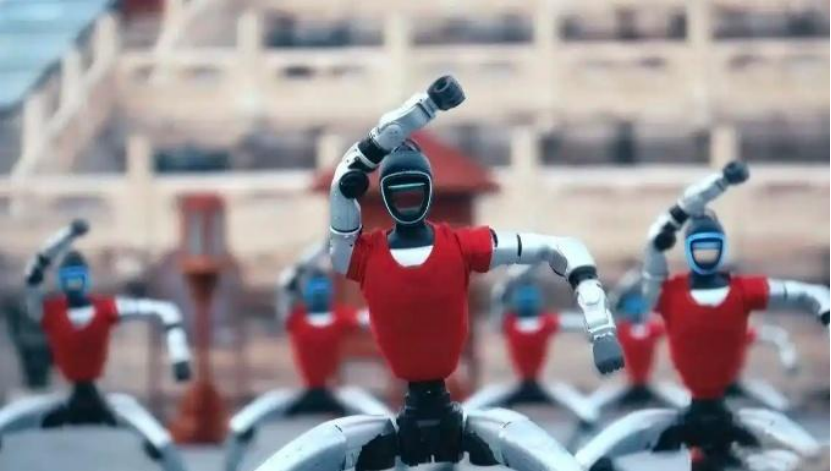
Merz's China visit was not a simple learning trip. It was a product of changing trade patterns, deeper China-Europe economic dependence and Germany's need to stabilise its industrial base.
For Germany, engagement with China is a form of economic self-help. For China, German investment and industrial cooperation remain useful at a time when foreign capital flows are under pressure. For both sides, the car industry is one of the most important arenas.
The visit may mark a new starting point for cooperation. It also begins another round of competition over rules and standards. German carmakers have to close their time lag quickly. Chinese automakers have to keep improving quality and global discipline. The next phase will reward neither nostalgia nor complacency.